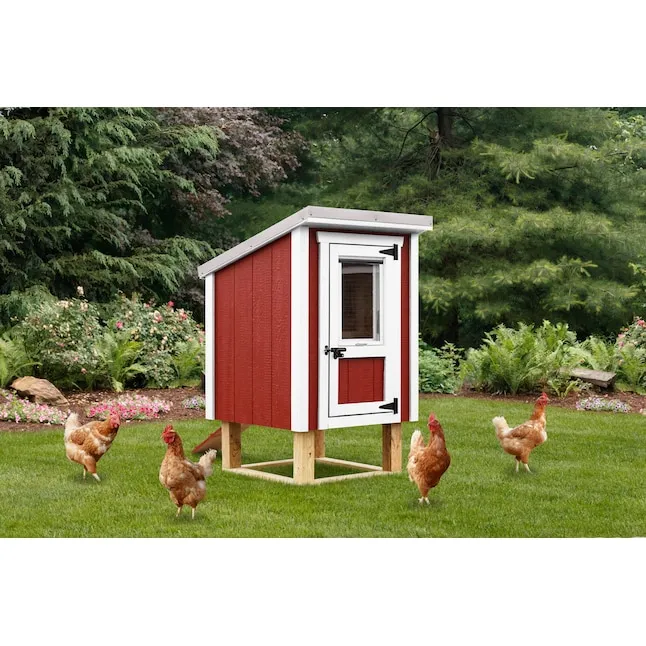
Top 5 Lowes Chicken Coops
Are you ready to join the backyard chicken revolution? Bringing chickens into your backyard can be a rewarding experience, providing fresh eggs and engaging entertainment. A crucial first step is choosing the right chicken coop. Lowes offers a variety of coops, each designed to meet different needs and preferences. This guide will help you navigate the selection process. We’ll explore the top 5 chicken coops available at Lowes, and give you everything you need to know to make an informed decision. Understanding what to look for is vital to ensure the safety, comfort, and happiness of your flock, as well as the overall success of your backyard chicken project. Choosing the right coop is an investment in the well-being of your chickens and the enjoyment you’ll get from raising them. So, let’s dive in and discover the best options Lowes has to offer!
Features to Consider in Chicken Coops
Before we jump into specific coop models, it’s essential to know what to look for. Several key features can significantly impact the health and happiness of your chickens. Consider these factors as you browse the Lowes selection, ensuring you choose a coop that meets your specific needs. These features will not only improve the quality of life for your chickens, but also make your daily maintenance tasks easier and more efficient. Prioritizing these aspects will contribute to a successful and enjoyable chicken-keeping experience. Each of these aspects plays a vital role in creating a healthy and comfortable environment for your birds.
Size and Capacity

One of the most important considerations is the size and capacity of the coop. Ensure the coop is large enough to accommodate your flock comfortably. Overcrowding can lead to stress, disease, and pecking order issues. As a general rule, provide at least 4 square feet of floor space per chicken inside the coop. Also, provide around 8-10 square feet per chicken in the outside run, if available. The number of chickens you plan to keep, the breed, and the climate of your area will influence the ideal size of your coop. Proper sizing is crucial for the welfare of your birds, and can affect their egg laying capabilities.
Material and Durability
The material used to construct the coop affects its durability and longevity. Look for coops made from weather-resistant, sturdy materials like cedar or pressure-treated wood. These materials can withstand the elements and resist rot. Avoid coops made with flimsy materials that might not hold up against predators or harsh weather conditions. Consider the climate you live in, as this will influence the type of material that will perform best. High-quality materials ensure that your coop will last for years to come, providing a safe haven for your chickens and a worthwhile investment for you.
Security and Safety
Protecting your chickens from predators is paramount. Choose a coop with secure latches, sturdy wire mesh, and no gaps or openings that predators can exploit. Consider features like predator-resistant hardware cloth instead of chicken wire for the run. Burying the wire mesh around the perimeter can prevent digging predators from entering. Look for coops with reinforced doors and windows. Ensure the coop is well-constructed to withstand attacks from raccoons, foxes, and other potential threats. Security measures are key to giving your chickens the best chance of a long and healthy life.
Ventilation and Climate Control

Proper ventilation is crucial for a healthy coop environment. It prevents the buildup of ammonia from chicken waste, which can cause respiratory problems. Look for coops with well-placed vents, ensuring good airflow without creating drafts. Adequate ventilation also helps regulate the temperature inside the coop, keeping it cool in the summer and preventing moisture buildup in the winter. Some coops offer features like adjustable vents or insulated walls for added climate control. Good ventilation promotes the overall health and well-being of your flock, and ensures they have a comfortable and hygienic environment.
Design and Aesthetics
While functionality is key, consider the aesthetic design of the coop. Choose a design that complements your backyard and personal preferences. Some coops feature attractive designs and finishes that can enhance the overall look of your property. Consider ease of access for cleaning and egg collection when choosing a design. The best coop will be both functional and visually appealing, enhancing your outdoor space while providing a secure home for your chickens. Consider all these aspects to find the best Lowes chicken coop for your situation.
Lowes Chicken Coop Reviews
Now, let’s examine some popular chicken coop models available at Lowes. We’ll focus on different types of coops and their best features. We’ll look into the dimensions, materials, and specific features of each coop. Keep in mind that Lowes’ inventory may vary. Check the Lowes website or your local store for the most up-to-date information. Each coop has its own strengths and weaknesses. Determining what you need will help you make the right decision. Be sure to read customer reviews to get real-world feedback on each coop’s performance and durability. Remember that the perfect coop depends on your individual needs and environment.
Coop 1 Features and Pros

Coop 1 is designed for smaller flocks. Its compact design makes it ideal for backyards with limited space. The coop typically features a raised roosting area, a nesting box, and an integrated run. It’s usually made of durable, weather-resistant wood, and it has secure latches and predator-resistant mesh. The ease of assembly is another advantage of this particular coop model. Pros include its small footprint, ease of cleaning, and good ventilation. Coop 1 is an excellent option for beginners or those with a small number of chickens. Keep in mind that the size may limit the number of chickens you can keep.
Coop 2 Features and Pros
Coop 2 offers a larger footprint and is suitable for medium-sized flocks. This coop often comes with multiple nesting boxes, a spacious roosting area, and an enclosed run for added protection. You can find versions made from wood or metal, and they often include features like a removable dropping tray for easy cleaning. Pros of this coop model include its increased capacity, predator protection, and good ventilation. Coop 2 is a great choice for those looking to expand their flock or have more space for their chickens to roam. Consider your space and the number of chickens you want.
Coop 3 Features and Pros
Coop 3 is an excellent choice for its enhanced security features. It often features heavy-duty construction, with reinforced doors, latches, and hardware cloth. The coop is often made of durable wood and treated to withstand the elements. It often includes a large run area for ample space for chickens to roam and forage. Pros include its high level of predator protection, durability, and ease of access for cleaning. The added security will give you peace of mind, knowing your chickens are safe. Consider this coop if you have concerns about predators in your area. This coop may have limited aesthetic appeal, which may be a factor for some users.
Coop 4 Features and Pros

Coop 4 offers a balance of functionality and aesthetics. It typically features a stylish design, often with a pitched roof and attractive finishes. It often includes multiple nesting boxes, a spacious roosting area, and an integrated run. The coop may include features like a removable dropping tray for easy cleaning and ventilation systems for optimal air circulation. Pros of this coop model include its attractive design, good functionality, and ease of assembly. Coop 4 is a great choice for those who want a chicken coop that blends in with their backyard. Consider the trade-off between aesthetics and other key features.
Coop 5 Features and Pros
Coop 5 is designed for ease of mobility. It often has wheels or handles that allow you to move the coop around your yard. It often features a compact design, making it suitable for smaller flocks or limited spaces. Pros of this coop model include its mobility, allowing you to move your chickens to different locations for fresh grass and protection. This coop is especially useful if you want to rotate the coop to prevent soil degradation in one area. This coop may have limited space for a larger flock. Consider the level of mobility you require and the amount of space your chickens need.
Factors Affecting Chicken Coop Prices
When budgeting for a chicken coop, several factors influence the price. The size and capacity of the coop is a major factor, with larger coops typically costing more. The materials used, such as cedar or metal, can also impact the price, with higher-quality materials often being more expensive. The features of the coop, such as predator-resistant measures, automatic doors, and integrated runs, will also affect the price. Coop design and aesthetics can add to the cost. Prices can range from a few hundred to over a thousand dollars. It’s essential to set a budget before you start shopping, and consider the long-term value and durability of the coop. Check for sales and promotions at Lowes to find the best deals.
How to Choose the Right Coop

Selecting the right chicken coop depends on your specific needs and circumstances. First, determine the number of chickens you plan to keep and choose a coop with adequate capacity. Consider the climate in your area and select a coop made from weather-resistant materials with proper ventilation. Assess the predator risk in your area and choose a coop with robust security features. Think about the space you have available in your backyard and choose a coop that fits your area. Research different models, and read reviews from other customers to get real-world feedback. Take into consideration the amount of time you want to spend on maintenance, and choose a coop that is easy to clean. Compare the features and prices of different coops to find the best option. The right coop ensures your chickens’ health and happiness.
Coop Location and Setup
The location and setup of your chicken coop can affect the health and safety of your chickens. Choose a level, well-drained area to prevent water accumulation. Provide shelter from the sun and wind. Position the coop in an area with easy access for egg collection and cleaning. Consider the proximity to your house and neighbors. Be aware of local ordinances and homeowner association rules regarding chicken coops. Ensure the coop is secure and away from potential hazards like power lines or poisonous plants. Prepare the site before assembling the coop. Following these guidelines will contribute to the overall success of your coop.
Maintaining Your Chicken Coop
Proper maintenance is essential to keep your coop in good condition. Clean the coop regularly, removing droppings and soiled bedding. This will help control odors and prevent disease. Ensure the coop has fresh water and food available. Inspect the coop regularly for any damage or signs of pests. Replace bedding materials as needed, to maintain a clean and dry environment. Keep the nesting boxes clean, and provide fresh nesting material. Regular maintenance will extend the life of your coop, and keeps your chickens healthy and comfortable. Your diligent maintenance will protect your flock.
Cleaning and Pest Control

Keeping your coop clean and pest-free is an ongoing task. Regularly clean the coop, including the floor, roosting bars, and nesting boxes. Remove droppings and replace bedding materials. Use a coop-safe disinfectant to prevent the spread of diseases. Control pests like mites, lice, and rodents with safe and effective methods. Inspect your chickens regularly for signs of parasites. Seal any cracks or openings in the coop to prevent pests from entering. Consider using natural pest repellents, such as diatomaceous earth or herbs, to keep pests at bay. Proper cleaning and pest control are crucial for keeping your chickens healthy and ensuring a pleasant coop environment.
In conclusion, choosing the right chicken coop from Lowes is a significant step in starting or enhancing your backyard chicken project. Consider all the factors and follow this guide to ensure you select a coop that meets your needs. With the right coop, your chickens will thrive, providing fresh eggs and endless entertainment for years to come. By prioritizing the well-being of your flock and investing in a quality coop, you’ll be rewarded with healthy chickens and a fulfilling backyard experience. Happy chicken keeping!