Chicken Coop Nesting Box Secrets Unveiled
Creating a comfortable and functional nesting box is crucial for the health and happiness of your hens and for a consistent egg supply. This guide unveils 101 secrets to building, maintaining, and optimizing your chicken coop nesting box for maximum egg production and happy chickens. From choosing the right location to preventing pests and diseases, you’ll discover everything you need to know to create the perfect nesting environment. With the right approach, you can ensure your hens lay eggs regularly and without stress, making your backyard chicken-keeping experience truly rewarding.
Choosing the Right Location
The location of your nesting box can significantly impact its appeal to your hens. Consider where your coop is situated and the hens’ daily routine. The nesting box should be in a quiet, private area, away from high traffic and potential disturbances. Hens prefer a sense of security when laying eggs, so a secluded spot will encourage them to use the nesting box consistently. Moreover, easy access for you to collect eggs is important for your convenience and to maintain the freshness of your eggs.
Consider Sunlight and Ventilation

While hens appreciate privacy, a nesting box should not be completely dark and stuffy. Avoid direct sunlight, as it can overheat the box, making it uncomfortable for the hens. Ensure good ventilation to prevent moisture buildup, which can lead to mold and mildew. Proper airflow also helps in reducing the presence of pests. The right balance of light and air circulation creates a healthier and more inviting environment for your hens.
Accessibility for You and the Hens
Make sure the nesting box is easily accessible for both you and your hens. Position the box at a comfortable height for your chickens to enter and exit, typically a few inches off the ground. For you, consider a design that allows easy egg collection without disturbing the hens. A well-designed nesting box ensures that egg collection is a simple, quick task, and it also allows for straightforward cleaning and maintenance.
The Best Materials for Nesting Boxes
The choice of materials plays a critical role in the durability, hygiene, and comfort of your nesting box. Selecting the right materials is important for the hens’ wellbeing. Consider the materials’ durability, ease of cleaning, and resistance to pests when making your decision. Different materials offer various advantages, and understanding these differences will help you select the most suitable option for your specific needs and environment.
Wood vs. Plastic Nesting Boxes

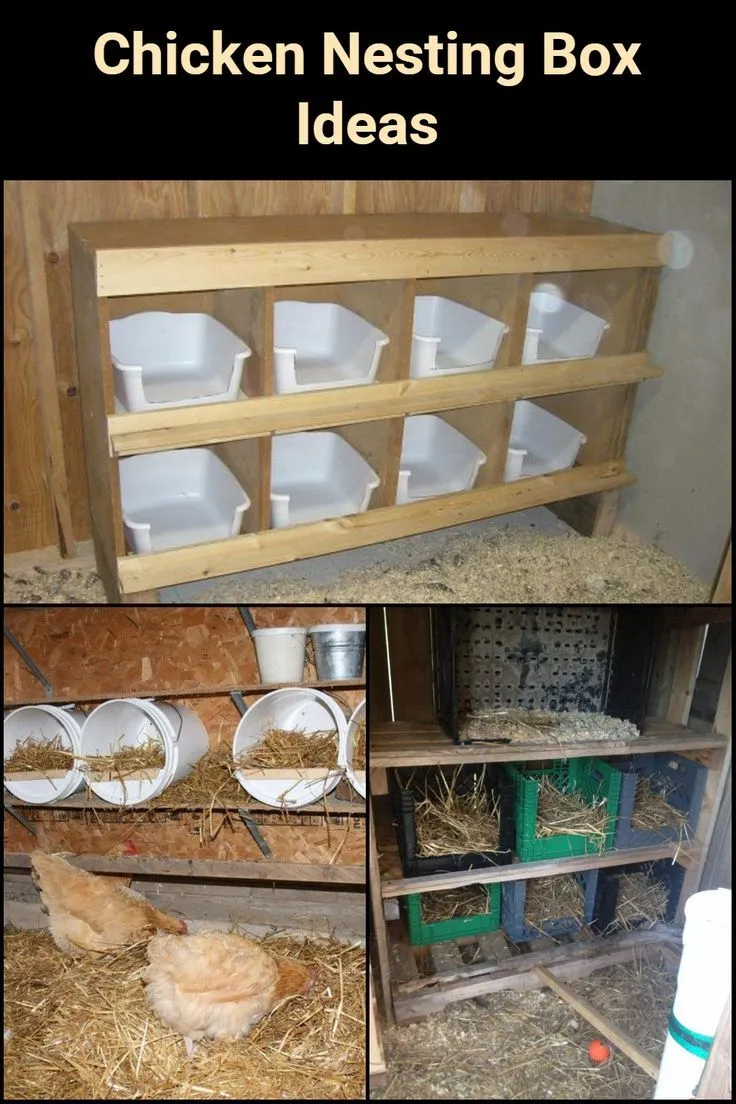
Wood and plastic are the most common materials used in constructing nesting boxes. Wooden nesting boxes provide a natural look and feel, and if made of rot-resistant wood like cedar, they can last for years. Plastic nesting boxes are generally easier to clean and maintain, and they are typically less susceptible to pests. Both materials have their unique benefits, and your choice will depend on your preferences, budget, and the overall design of your coop. It is important to carefully evaluate both materials before starting your construction.
Pros and Cons of Each Material
Wood offers a more natural environment and can be aesthetically pleasing. However, it requires regular cleaning and can be prone to moisture damage and pest infestations. Plastic boxes are waterproof and easier to disinfect, but they might not offer the same level of insulation or the natural feel that hens often prefer. Weigh the pros and cons carefully to determine which material best suits your needs and the needs of your chickens. Consider your climate and the hens’ environment when choosing a nesting box material.
Nesting Box Dimensions: A Perfect Fit
The size of your nesting boxes is a crucial factor in ensuring your hens are comfortable and have ample space for laying their eggs. Nesting boxes that are too small can lead to overcrowding and stress, while those that are too large may not feel secure enough. Correct dimensions promote the hens’ comfort and reduce the likelihood of them laying eggs outside the box. It is essential to accommodate the dimensions based on the chickens’ breed.
Ideal Size for Different Chicken Breeds

The ideal size of a nesting box varies depending on the size of your chickens. For standard-sized breeds, a box that is approximately 12x12 inches is usually adequate. Larger breeds may require boxes up to 14x14 inches or even slightly bigger. If you have smaller breeds or bantams, a smaller box might suffice. Providing enough space ensures that each hen can lay her eggs without feeling crowded or stressed. Adjusting dimensions based on the chicken breed promotes egg-laying.
Ensuring Comfort with Bedding
Bedding is a critical element for creating a comfortable and inviting nesting environment. It provides cushioning for the eggs, helps absorb moisture, and keeps the nesting box clean. The choice of bedding material and how you maintain it directly impact the health and happiness of your hens. Proper bedding not only makes the box inviting but also helps to protect the eggs. Properly selected and maintained bedding enhances the egg-laying process.
Types of Bedding to Use
Common bedding materials include straw, wood shavings, shredded paper, and hay. Straw and hay are popular choices for their cushioning properties, but they can sometimes harbor mites. Wood shavings are absorbent and readily available. Shredded paper can be an economical option, and it is a good choice for its absorbent qualities. Consider factors such as absorbency, ease of cleaning, and availability when selecting bedding. It is important to explore a variety of materials.
How Often to Change Bedding

The frequency with which you change the bedding depends on the type of bedding and the number of hens. Generally, you should replace the bedding at least once a week to maintain cleanliness and prevent the build-up of moisture and waste. In warmer months or with high humidity, you may need to change it more frequently. Regular changes prevent the growth of bacteria and the spread of disease. Keeping the nesting box clean is essential to maintain the health of your hens.
Preventing Pests and Diseases
Maintaining a clean nesting box is a key aspect of preventing pests and diseases. Pests such as mites and lice can infest the box and cause discomfort to your hens, while unsanitary conditions can lead to various diseases. Regularly cleaning and inspecting the nesting box helps to prevent infestations. Preventing pests and disease ensures the health and wellbeing of your flock and helps to promote egg production.
Cleaning and Maintenance
Regularly clean the nesting box by removing old bedding and any droppings or debris. Disinfect the box with a poultry-safe disinfectant. Inspect for signs of pests like mites or lice, and treat the box as needed. Proper maintenance ensures the box is clean and helps prevent diseases. Cleaning also helps remove potential odors that might deter hens. Maintain a cleaning schedule for both the nesting boxes and the coop in general.
Common Pests and Solutions

Mites and lice are common pests that can infest nesting boxes. Treat for mites and lice with poultry-approved insecticides or diatomaceous earth. Regular inspections help to identify and address pest problems early. Good coop hygiene is also a critical part of pest control. Addressing the pest infestation promptly will help ensure a comfortable environment for your hens. Proper pest control is a crucial part of raising healthy chickens.
Encouraging Hens to Use the Nesting Box
Encouraging your hens to use the nesting box is essential for collecting clean eggs. Sometimes, hens may lay their eggs in unexpected places. Creating an inviting environment is key to training your hens to lay in the boxes. Several strategies can help you encourage them to use the nesting box consistently. These strategies will help your hens adapt to laying in the intended boxes.
Making the Nesting Box Appealing
Make the nesting box inviting by providing comfortable bedding and keeping it clean. Ensure the box is in a quiet, dark, and secluded area where hens feel safe. Adding a few fake eggs can also encourage hens to use the box. Regularly checking and maintaining the boxes can help increase their appeal. These simple tricks can go a long way toward convincing your hens.
Training Young Hens

Young hens often need some guidance to find their nesting spot. Start by gently placing them in the nesting box a few times so they can become accustomed to it. You can also place some of their droppings or feathers in the box to help them recognize it as their laying spot. Be patient, as it may take some time for them to get used to their nesting box. Help your chickens to develop the correct laying habits.
Troubleshooting Nesting Box Problems
Even with the best care, you might encounter some problems with your nesting boxes. Problems like egg eating or bullying can arise. Addressing these issues promptly helps to maintain a healthy and productive flock. Troubleshooting these issues can help you to minimize stress and ensure your hens are comfortable. Quickly addressing these problems will ensure your chickens’ well-being.
Dealing with Egg Eating
Egg eating can become a problem if hens discover that eggs are a food source. Prevent egg eating by collecting eggs frequently and ensuring the nesting box bedding provides enough cushion. If egg eating persists, you can use rolling nest boxes, which help prevent the hens from reaching the eggs. Addressing egg eating quickly will prevent the behavior from spreading among your hens. It’s important to manage the problem promptly.
Addressing Nesting Box Bullying

Bullying in nesting boxes can lead to injuries and stress among your hens. Provide enough nesting boxes so that each hen has her own space. If bullying persists, separate aggressive hens or consider adding more nesting boxes. Proper social structure reduces bullying and encourages egg production. It is important to create a healthy social dynamic among your hens.
By following these 101 secrets to chicken coop nesting boxes, you can create an environment that encourages healthy egg production and keeps your hens happy and safe. Proper planning, diligent maintenance, and a little bit of care will make your chicken-keeping experience much more rewarding. These practices help to create an ideal coop environment.