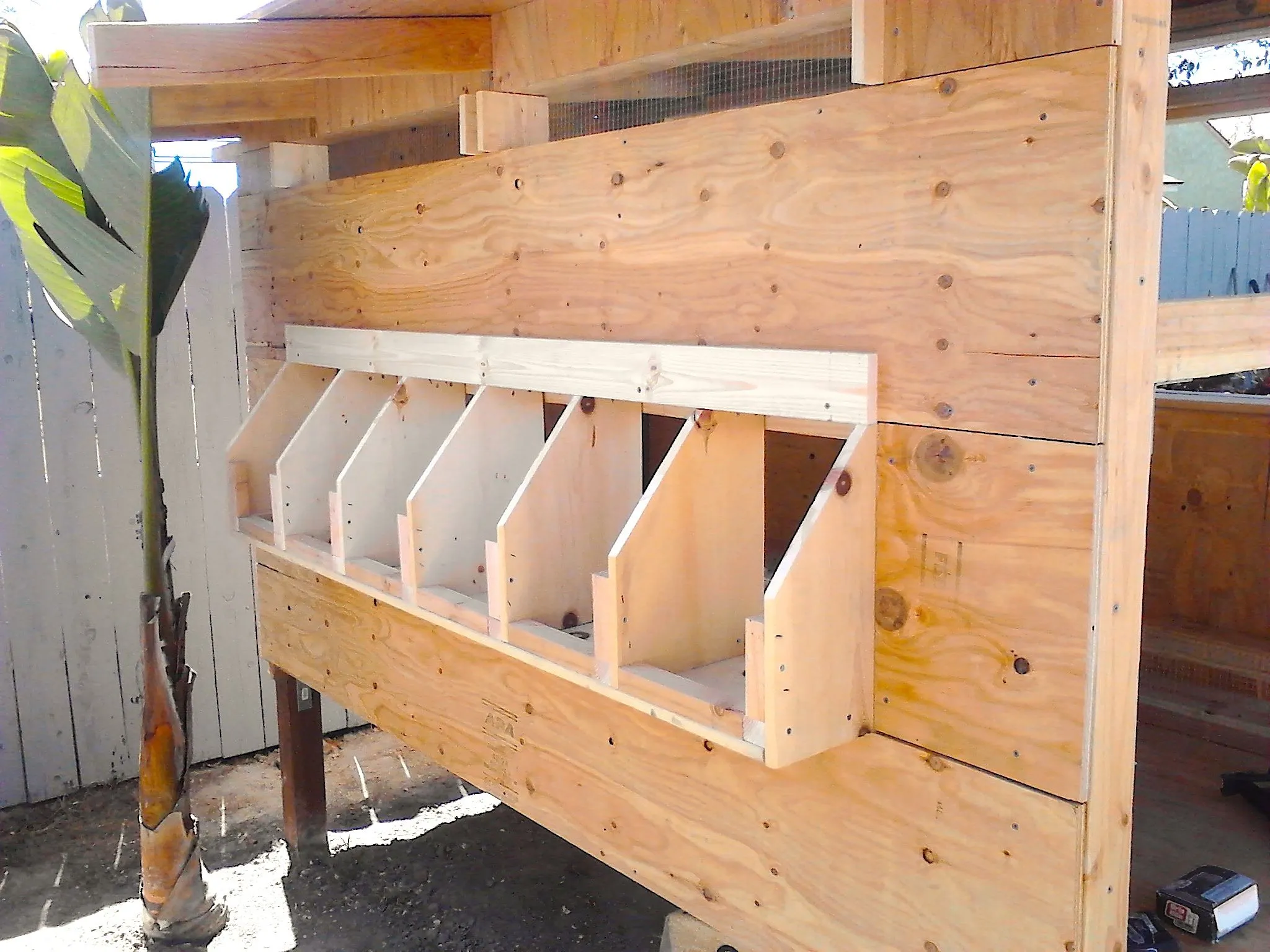
Understanding the Importance of Nesting Boxes
Nesting boxes are a fundamental component of a well-designed chicken coop. They provide a designated, comfortable, and safe space for your hens to lay their eggs. Without proper nesting boxes, chickens might lay eggs in undesirable locations, making egg collection difficult and potentially leading to broken or soiled eggs. A well-designed nesting box contributes significantly to the overall health and happiness of your flock, encouraging regular egg production and making the egg-laying process a more pleasant experience for your hens. The right setup can also protect eggs from the elements and predators, ensuring the freshness and cleanliness of your harvest. Consider a high-quality chicken coop, and make sure it is equipped with good nesting boxes.
Why Nesting Boxes are Essential
Nesting boxes serve multiple crucial functions. Firstly, they offer a sense of security and privacy for hens during the egg-laying process. Chickens feel vulnerable when laying, and a secluded space helps reduce stress and encourages them to lay eggs regularly. Secondly, nesting boxes help keep eggs clean and protected from the elements, such as rain and direct sunlight. Finally, the boxes assist in managing your flock and making egg collection considerably easier. When the hens have a comfortable space, egg collection becomes a simple chore. You can easily monitor egg production, and the enclosed nature of the boxes provides additional protection, making the eggs less susceptible to damage and contamination. Choosing the right nesting boxes will enhance your experience as a chicken keeper.
Impact on Egg Quality and Production

The design and maintenance of your nesting boxes directly influence egg quality and production rates. A comfortable and clean nesting box encourages hens to lay more frequently and consistently. A dirty or uncomfortable environment can discourage egg-laying, leading to a decrease in production. Furthermore, the type of bedding you use can significantly impact egg quality. Soft, clean bedding, like straw or wood shavings, helps prevent egg breakage and keeps eggs clean. Regular cleaning of nesting boxes prevents the buildup of bacteria and parasites, which can affect the health of your chickens and, in turn, the quality of the eggs. A well-maintained nesting box, therefore, promotes both the health of your chickens and the quality of the eggs they produce, leading to a more rewarding backyard chicken experience. A good chicken coop goes a long way.
Top Tip 1 Choosing the Right Location
The placement of nesting boxes within your chicken coop is critical for encouraging use and maximizing egg production. Ideally, position the nesting boxes in a quiet, dark, and secluded area of the coop, away from high-traffic areas and direct sunlight. Chickens prefer a sense of privacy when laying eggs, so a location that offers a bit of seclusion is essential. Consider the natural behavior of chickens when choosing a location; they often prefer elevated areas, so placing the boxes slightly off the ground can be beneficial. Ensure that the nesting boxes are easily accessible for both the chickens and yourself for egg collection and cleaning. Proper location promotes higher egg production.
Optimal Placement Inside the Coop
When deciding where to put the nesting boxes, take into account the coop’s overall layout. Avoid placing them near the entrance or in areas where the chickens will be constantly disturbed. If possible, situate the nesting boxes along a wall or in a corner to provide an additional sense of security. Make sure there is adequate ventilation around the boxes to prevent moisture buildup, which can lead to mold and other health issues. Consider the sun’s path throughout the day and try to shield the nesting boxes from direct sunlight, as this can make the boxes too hot in the summer. Make sure the coop is comfortable.
Protection from the Elements

The nesting boxes must be sheltered from the elements. Rain and wind can damage the eggs and make the nesting area uncomfortable for the hens. Ensure that the coop’s roof overhangs the nesting boxes, or consider adding a small roof over the boxes if they are placed outside the coop. Protecting the boxes from direct sunlight is also important, especially during the warmer months, as excessive heat can stress the hens and potentially affect egg production. Properly protect the nesting boxes, and it goes a long way to improve your hen’s experience. A safe and comfortable coop is a happy coop.
Tip 2 Correct Size and Dimensions
The size and dimensions of your nesting boxes are crucial to the comfort and functionality of the coop. The boxes need to be large enough for your chickens to comfortably turn around and settle in, but not so large that they encourage multiple hens to crowd into one box, which can lead to broken eggs and squabbles. The general guideline is to provide one nesting box for every three to four hens. The ideal dimensions typically range from 12x12 inches to 14x14 inches, with a height of around 14 to 16 inches. This provides ample space while still offering a sense of security. Adjusting the size depends on the breed of your chickens.
Sizing for Different Chicken Breeds
Different chicken breeds have different sizes, so the size of your nesting boxes should be tailored accordingly. For smaller breeds like bantams, smaller boxes (10x10 inches) may suffice. For larger breeds like Orpingtons or Brahmas, slightly larger boxes (14x14 inches) may be necessary to accommodate their size. Consider the fully grown size of your chickens when planning the coop layout. Using the right dimensions will help keep your chickens happy and encourage egg-laying. Always take into account the size when picking a chicken coop.
Ensuring Comfort and Space

Beyond the dimensions, consider the overall comfort of the nesting boxes. Make sure the boxes are made from smooth, non-splintering materials to prevent injuries to your hens. Avoid sharp edges and rough surfaces. The entrance to the nesting box should be at a comfortable height for your chickens to easily enter and exit without struggling. Provide enough space for the hens to move freely within the box, which ensures they feel secure and encourages them to use the box regularly. The perfect size of the nesting box can help with encouraging egg production.
Tip 3 Selecting Suitable Materials
The materials you choose for your nesting boxes significantly affect their durability, hygiene, and overall functionality. Wood is a popular choice due to its natural insulation properties, which help regulate the temperature within the boxes. It’s also relatively easy to work with and can be customized to fit your coop’s design. However, wood can be susceptible to moisture damage and require regular maintenance. Other materials like plastic or metal offer advantages in terms of durability and ease of cleaning but may not provide the same level of insulation or aesthetic appeal. The type of chicken coop matters, so choose carefully.
Benefits of Wood and Other Materials
Wood offers natural insulation that keeps the boxes warm in winter and cool in summer. It’s also a non-toxic material, ensuring the safety of your chickens. However, wood requires more maintenance, and it’s prone to rot and pest infestations if not properly sealed and treated. Plastic nesting boxes are durable, easy to clean, and resistant to pests. They are also lightweight and can be easily moved around. Metal nesting boxes are also very durable and can be easily cleaned. The best option often depends on your climate, budget, and personal preferences. Make sure the nesting boxes meet your requirements.
Durability and Maintenance Considerations

Consider the longevity and maintenance requirements when choosing materials. Wood should be treated with a non-toxic sealant to protect it from moisture and pests. Regular inspections are crucial to identify any signs of wear and tear or damage. Plastic nesting boxes are low-maintenance but should be cleaned regularly to prevent the buildup of bacteria and odors. Metal boxes are extremely durable but may require occasional rust removal. Regardless of the material, ensure that the boxes are easy to clean and sanitize to maintain a healthy environment for your chickens and ensure egg quality. A good chicken coop can make the difference.
Tip 4 Maintaining a Clean Environment
Maintaining a clean nesting environment is essential for preventing disease, ensuring egg cleanliness, and encouraging consistent egg production. Regular cleaning of the nesting boxes prevents the buildup of manure, feathers, and other debris, which can attract pests and spread diseases. Clean nesting boxes create a welcoming and healthy environment for your hens, encouraging them to use the boxes and lay eggs. The more care you take in cleaning, the better the environment will be.
Regular Cleaning and Hygiene Practices
Establish a regular cleaning schedule for your nesting boxes. The frequency of cleaning will depend on factors like the number of hens you have, the size of your boxes, and the bedding material you use. As a general rule, remove soiled bedding and replace it with fresh, clean material at least once a week. For high-production flocks, more frequent cleaning may be necessary. When cleaning, thoroughly remove all old bedding and debris. Then, wipe down the inside of the boxes with a mild, poultry-safe disinfectant to kill any bacteria or pests. Allow the boxes to dry completely before adding fresh bedding. Following a cleaning schedule can make the whole chicken coop experience a lot better.
Preventing Pests and Diseases

Keeping your nesting boxes clean is a proactive step towards preventing pests and diseases. Mites, lice, and other parasites can thrive in dirty, unkempt nesting boxes, causing discomfort and health problems for your chickens. Regular cleaning and disinfecting help to eliminate these pests. Consider using diatomaceous earth (DE) or other natural pest control methods as a preventative measure. These can be sprinkled on the bedding to kill mites and lice. Inspect the nesting boxes regularly for any signs of pests or diseases, such as unusual droppings or any changes in the appearance of the hens. Prevent the build-up of pests, and keep an eye on your chickens.
Tip 5 Encouraging Nesting Behavior
Creating an environment that encourages nesting behavior is essential for maximizing egg production and the overall well-being of your hens. Providing comfortable bedding and creating a sense of security and privacy are key elements in achieving this. A comfortable nesting environment helps the hens to feel safe and secure, encouraging them to use the boxes and lay eggs regularly. You can take extra steps to make sure this happens. It is essential to take these steps to keep your chickens healthy.
Providing Comfortable Bedding Options
The choice of bedding material can significantly influence the comfort of your chickens and the cleanliness of your eggs. Soft, absorbent materials are best. Options include straw, wood shavings, shredded paper, and hay. Straw provides good insulation and is readily available, but it can sometimes harbor mites if not changed frequently. Wood shavings are also absorbent and easy to clean. Shredded paper and hay can be used. The most important thing is to ensure that the bedding is clean, dry, and changed regularly to maintain a healthy environment and produce clean eggs. A comfortable chicken coop is a happy chicken coop.
Creating a Secure and Private Space

Chickens feel most secure when laying eggs in a private and enclosed space. Ensure that the nesting boxes are placed in a quiet area of the coop, away from high-traffic areas and direct sunlight. Consider providing additional privacy by placing curtains or dividers in front of the boxes. This creates a more secluded environment, making the hens feel safer. Make sure the entrance to the nesting box is easily accessible and that there are no obstacles. A secure and private nesting space is crucial for reducing stress and encouraging consistent egg production. Following these tips makes sure that your chickens are healthy and happy. With these tips, you can maximize egg production, and ensure your flock is happy.