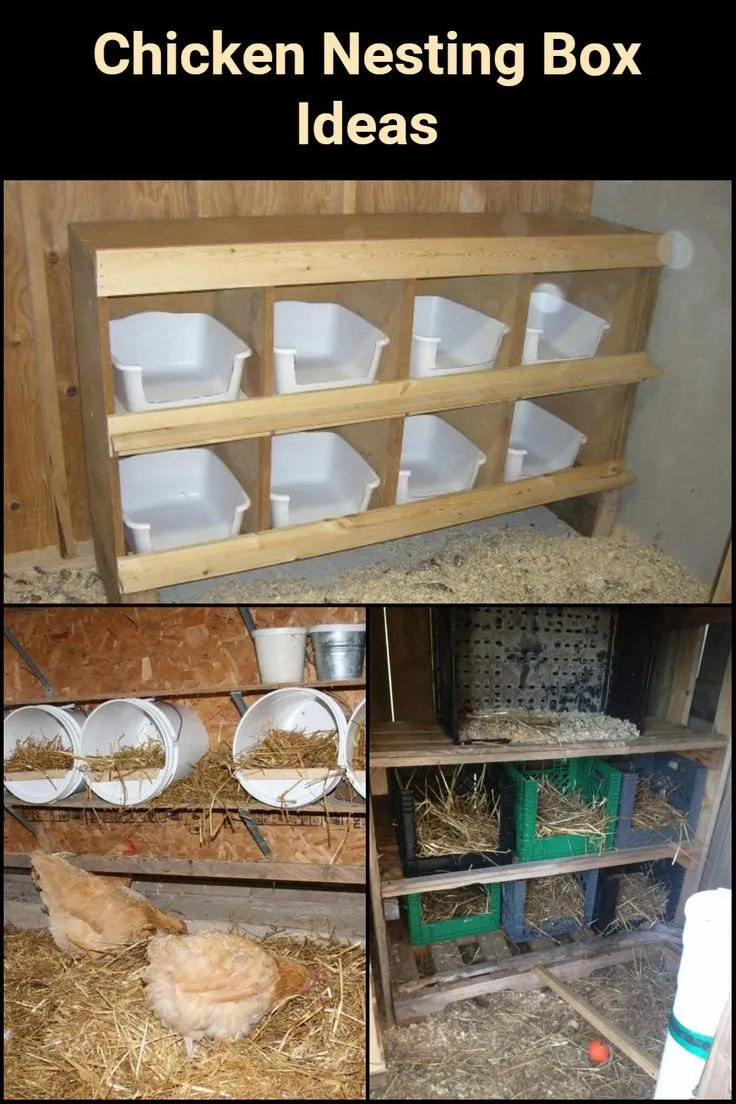
What is a Nesting Box?
A nesting box is a specially designed enclosure within a chicken coop that provides a safe, comfortable, and private space for hens to lay their eggs. These boxes are essential for encouraging egg-laying behavior and protecting the eggs from damage or predators. Nesting boxes are typically designed to mimic a natural, secluded environment that chickens instinctively seek out when they are ready to lay. The construction and features of a nesting box can vary, but the primary goal is to provide a secure and inviting space for hens to feel secure and lay their eggs.
Why Nesting Boxes are Essential for Your Chicken Coop
Nesting boxes are not just optional additions to a chicken coop; they are crucial for the health and well-being of your hens and the efficient collection of eggs. They provide a designated laying area, reducing the risk of eggs being laid in undesirable locations like the coop floor, where they can become dirty, broken, or eaten by the chickens themselves. Nesting boxes help maintain egg cleanliness and make it easier to collect eggs regularly. Furthermore, nesting boxes provide a sense of security for laying hens. The enclosed space offers protection from the elements and predators, making hens feel safer and more comfortable during the laying process. This can significantly improve egg production rates.
Choosing the Right Nesting Box Size

Selecting the appropriate size for your nesting boxes is critical for the comfort of your hens and the overall success of your coop setup. Boxes that are too small can make it difficult for hens to get in and out comfortably, leading to stress and potentially reducing egg production. Conversely, oversized boxes may encourage multiple hens to lay in the same box, leading to overcrowding and egg damage. The ideal size depends on the breed and size of your chickens. A good rule of thumb is to provide one nesting box for every 3-4 hens. This ensures there are enough laying spaces to prevent competition and stress among your flock. Remember, providing the right size helps in promoting healthy egg production and the well-being of your chickens.
Factors to Consider for Box Size
When determining the right nesting box size, consider the breed of your chickens, as larger breeds require more space. Standard-sized nesting boxes are typically around 12 inches wide, 12 inches deep, and 12 inches high, which is usually suitable for medium-sized breeds. For larger breeds like Jersey Giants or Orpingtons, you may need to increase the dimensions to around 14-16 inches in each direction. Ensure the box is deep enough to accommodate the bedding without spilling over, and high enough to provide sufficient headroom for the hens to comfortably settle in. Proper sizing prevents overcrowding, encourages individual laying spaces, and ultimately contributes to the health and productivity of your flock.
Nesting Box Materials
The material you choose for your nesting boxes can impact their durability, hygiene, and ease of maintenance. Several materials are commonly used, each with its advantages and disadvantages. The best choice often depends on your budget, the climate in your area, and your personal preferences. Each material offers unique benefits that can improve the comfort of your hens and the longevity of your coop setup. By understanding the strengths and weaknesses of each material, you can make an informed decision that aligns with your specific needs and resources.
Wood Nesting Boxes

Wood nesting boxes are a popular choice due to their natural appearance and ease of construction. They provide good insulation and can be customized to fit various coop sizes. However, wood is susceptible to moisture damage, which can lead to rot and harbor mites and other pests. To extend the life of wooden nesting boxes, it’s important to use weather-resistant wood, treat it with a non-toxic sealant, and ensure proper ventilation. Regular cleaning and inspection are also necessary to prevent pest infestations and maintain a healthy environment for your hens. Despite the maintenance requirements, wood remains a favorite for many chicken keepers due to its affordability and aesthetic appeal.
Plastic Nesting Boxes
Plastic nesting boxes are known for their durability and ease of cleaning. They are resistant to moisture, rot, and pests, making them a low-maintenance option. These boxes often come with a smooth surface that is easy to wipe down and sanitize, which is essential for maintaining hygiene and preventing the spread of diseases. Plastic boxes are lightweight and typically have a longer lifespan than wooden boxes. However, plastic nesting boxes may not provide the same level of insulation as wood, and some may have a less natural appearance. They are a great choice for those seeking convenience and longevity. Consider how the boxes blend in with your coop’s style.
Metal Nesting Boxes
Metal nesting boxes are another option, often chosen for their durability and resistance to pests. They are easy to clean and sanitize, making them an excellent choice for maintaining a hygienic environment. Metal boxes, particularly those made of galvanized steel, are highly durable and can withstand harsh weather conditions. However, metal can get very hot in the summer and cold in the winter, potentially impacting the comfort of your hens. It’s important to consider insulation or placement in a shaded area if you opt for metal nesting boxes. Make sure there are no sharp edges that could injure your chickens. Metal nesting boxes are a practical choice when properly prepared.
Building Your Own Nesting Box

Building your own nesting boxes can be a rewarding project that allows you to customize them to your specific needs and the design of your chicken coop. It can be a cost-effective solution, especially if you already have some woodworking skills and tools. When building your own boxes, you have complete control over the size, material, and design features. You can tailor the boxes to fit the breed of your chickens, the available space, and your personal preferences. It allows you to create a custom solution that perfectly matches your flock’s needs and coop setup.
Step-by-Step Building Instructions
- Planning and Materials: Start by measuring and planning the dimensions of your nesting box based on your chicken breed and available space. Gather your materials, including wood planks (treated or untreated depending on your preference), screws, nails, a saw, a drill, and a measuring tape. Make sure all materials are safe for chickens.
- Cutting the Wood: Cut the wood planks to the required sizes for the sides, bottom, back, and top of the box. Precise measurements are crucial for a well-fitting box.
- Assembling the Box: Assemble the box by attaching the sides, bottom, and back using screws or nails. Ensure the joints are sturdy.
- Adding the Top: Attach the top of the box, either with hinges for easy access or fixed in place.
- Creating a Lip: Add a lip to the front of the box to help contain the bedding.
- Finishing Touches: Sand any rough edges to prevent injuries to the chickens. Apply a non-toxic sealant or paint if desired, to protect the wood from moisture and make it easier to clean.
- Installation: Mount the nesting box inside your coop, ensuring it is securely fastened and accessible to the chickens.
Nesting Box Placement
The location of your nesting boxes within the chicken coop can significantly influence their use and the overall success of your egg-laying operation. Proper placement ensures that hens feel safe, comfortable, and encouraged to lay their eggs in the designated areas. Consideration of several factors, including sunlight, accessibility, and privacy, will help you create an ideal environment.
Ideal Location within the Coop

The ideal location for nesting boxes is in a quiet, dimly lit, and sheltered part of the coop. Chickens prefer privacy when laying, so choose a location away from high-traffic areas and potential disturbances. If possible, place the boxes away from the entrance to the coop or any areas where the chickens are likely to congregate during the day. Ensure the boxes are protected from direct sunlight and drafts, which can make the hens uncomfortable and affect egg production. Consider the natural instincts of chickens and try to replicate a safe, secluded environment that encourages them to lay eggs.
Elevated vs. Ground-Level Placement
Whether you place your nesting boxes at ground level or elevated depends on your coop design and the preferences of your chickens. Ground-level boxes are easier for hens to access, especially for breeds with shorter legs or older hens. Elevated boxes can provide a greater sense of security for some chickens, as they feel safer being off the ground. Elevated boxes also may make it easier to collect eggs, as you don’t have to bend down as much. When choosing between ground level and elevated placements, consider the age and breed of your chickens, and the overall layout of your coop to determine what works best for your flock. Regardless of the height, the boxes should be accessible, clean, and comfortable.
Best Nesting Box Design Features
Certain design features can enhance the functionality and comfort of your nesting boxes. These features cater to the chickens’ needs and make it easier for you to maintain the boxes and collect eggs. By incorporating thoughtful design elements, you can improve the overall performance of your chicken coop and encourage healthy egg production.
Roofing Considerations

The roof of your nesting box plays a vital role in protecting the eggs and providing privacy. A sloped roof prevents chickens from perching on top of the box, which can dirty the area and potentially lead to the eggs getting soiled. Angled roofs also help shed rain and snow, keeping the bedding dry and clean. Overhanging roofs provide shade, protecting the nesting area from direct sunlight and helping regulate the temperature inside the box. If you’re building your own boxes, consider adding a slight overhang to the roof for added protection. A well-designed roof contributes significantly to maintaining a comfortable and hygienic nesting environment.
Ventilation and Airflow
Adequate ventilation is crucial for preventing the buildup of moisture and odors within the nesting box. Poor ventilation can lead to damp bedding, which promotes the growth of bacteria and mold and can attract pests like mites. Ensure that your nesting boxes have sufficient airflow by incorporating small ventilation holes or gaps near the top of the box. Proper ventilation helps maintain a clean and healthy environment for your hens, contributing to the quality of the eggs and the overall well-being of your flock. The air will need to circulate, providing a more comfortable and hygienic space.
Nesting Box Bedding Options
The choice of bedding material for your nesting boxes is important for providing comfort, cleanliness, and protection for the eggs. Different materials offer varying levels of absorbency, comfort, and ease of maintenance. Selecting the right bedding not only keeps the eggs clean and unbroken but also influences the overall health of your chickens.
Common Bedding Materials

Straw is a popular choice for bedding due to its soft texture and excellent cushioning properties, helping to prevent egg breakage. However, straw doesn’t absorb moisture well, so it needs frequent changes. Wood shavings are another common option, offering good absorbency and odor control. They are readily available and relatively inexpensive. Pine shavings are a good choice but should be avoided if you have chickens that are prone to respiratory issues. Hay, while soft and comfortable, can harbor mites and needs to be changed frequently. Consider using commercially available nesting pads, which are designed for easy cleaning and egg protection. The best bedding material depends on your budget, the climate, and your hens’ preferences. Experiment to find what works best for your flock.
How to Maintain Your Nesting Boxes
Regular maintenance is key to ensuring the longevity, hygiene, and functionality of your nesting boxes. Proper care helps prevent the buildup of bacteria and pests while keeping the environment comfortable for your hens. Routine cleaning and inspections are essential to maintaining a healthy and productive coop. Keeping the nesting boxes in optimal condition requires consistent effort and the implementation of a regular maintenance schedule.
Cleaning and Sanitation
Cleaning nesting boxes at least once a week is critical for maintaining hygiene. Start by removing all the old bedding and discarding it. Thoroughly scrub the inside of the box with a mixture of soap and water, ensuring all surfaces are cleaned. Rinse the box well and allow it to dry completely before adding fresh bedding. You can also use a poultry-safe disinfectant to kill any bacteria or parasites. Regular cleaning prevents the buildup of harmful pathogens and reduces the risk of disease. Make it a part of your routine to keep your hens happy and healthy.
Preventing Pests and Parasites
Pests and parasites, such as mites and lice, can infest nesting boxes, causing discomfort to your chickens and affecting their health. Regular inspection is essential. Check for signs of pests, such as tiny red mites. Use diatomaceous earth (DE), a natural insecticide, to dust the nesting boxes and bedding. DE works by dehydrating insects and is safe for use around chickens. Avoid using chemical pesticides, as they can be harmful. Proper coop ventilation and keeping the boxes clean and dry can also help prevent pest infestations. Regularly inspect the boxes to ensure a pest-free environment.
Troubleshooting Nesting Box Problems
Even with the best setup and maintenance, you may encounter some issues with your nesting boxes. Common problems can range from chickens avoiding the boxes to egg quality issues. Understanding these problems and how to address them ensures that you maintain a successful egg-laying environment.
Chickens Avoiding Nesting Boxes
If your chickens are not using their nesting boxes, there could be several reasons. First, check the boxes for comfort and cleanliness. Make sure they are not too hot, too cold, or infested with pests. Ensure the boxes are in a quiet, secluded location and that they are the right size for your hens. Also, check the bedding. Chickens may avoid boxes if the bedding is not comfortable or if it is of the wrong type. If the boxes are new, it may take some time for the chickens to adjust. Providing a small amount of nesting material or a fake egg can help entice them to use the boxes.
Egg Quality Issues
Poor egg quality can sometimes be traced back to issues with the nesting boxes. If the eggs are consistently dirty or broken, the bedding might not be providing enough cushioning or the boxes may be overcrowded. If the eggs are thin-shelled, it could be a sign of a calcium deficiency, which is unrelated to the nesting boxes. Inadequate ventilation or excessive moisture can also affect egg quality. Addressing the underlying causes, such as providing fresh bedding, ensuring adequate ventilation, and providing a balanced diet, is critical. Regular inspection of the boxes will help you identify any potential problems.
Final Thoughts
Providing well-designed and properly maintained nesting boxes is a key aspect of successful chicken keeping. By following the guidelines in this guide, you can create a comfortable and productive environment for your hens. From choosing the right size and materials to implementing a regular cleaning and maintenance schedule, every step contributes to the health and happiness of your flock. Nesting boxes are more than just a place for chickens to lay eggs; they are an essential component of a well-managed and thriving backyard chicken coop. By investing time and effort into your nesting box setup, you will be rewarded with a happy, healthy flock and an abundance of fresh eggs.