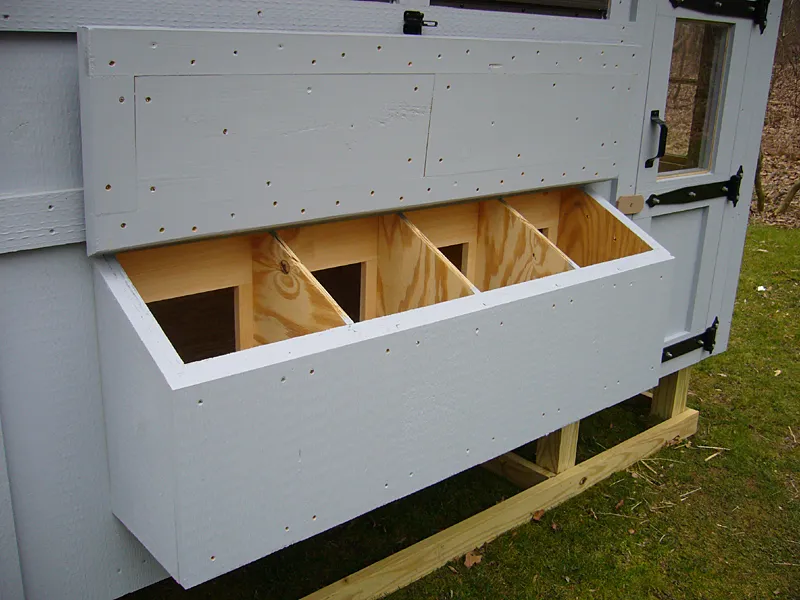
Chicken Coop Nesting Boxes 101
Nesting boxes are an essential component of any well-designed chicken coop. They provide a safe, comfortable, and private space for your hens to lay their eggs. Choosing the right nesting boxes and placing them correctly can significantly impact your chickens’ egg-laying productivity and the overall health of your flock. This guide will walk you through everything you need to know, from selecting the ideal nesting box size and materials to building your own and keeping them clean. Understanding the needs of your chickens and providing a comfortable nesting environment is key to successful egg production.
Choosing the Right Nesting Boxes
The ideal nesting box caters to the natural instincts of chickens. They prefer a secluded, dark, and secure space. Several factors influence this choice, including size, material, and overall design. Consider the breed of your chickens and the space available in your coop. A well-chosen nesting box will not only encourage egg-laying but also make egg collection easier and protect the eggs from damage. Consider whether you want to purchase pre-made boxes or construct them yourself, as both options have pros and cons regarding cost, durability, and ease of installation. Proper selection of nesting boxes is crucial for a happy and productive flock.
Nesting Box Size

The size of your nesting boxes should accommodate your chickens comfortably without being excessively large. A box that is too large may encourage multiple hens to try and lay in the same space, leading to broken eggs and squabbles. A general guideline is to provide one box for every 3-4 hens. Standard dimensions for nesting boxes are around 12 inches wide, 12 inches deep, and 12-18 inches tall. Adjust these dimensions based on the breed of your chickens; larger breeds may need larger boxes. Ensure there is enough room for the hen to turn around and settle comfortably to lay her eggs. Incorrect box sizes can result in the hens avoiding the nesting box altogether.
Nesting Box Material
The material of your nesting boxes should be durable, easy to clean, and safe for your chickens. Popular choices include wood, plastic, and metal. Wood offers good insulation and a natural feel, but it can be susceptible to moisture and pests. Plastic boxes are easy to clean and disinfect, making them a hygienic option. Metal boxes are highly durable but can become hot in the summer. Regardless of the material, ensure there are no sharp edges or splinters that could injure your hens. The nesting material you choose will further enhance comfort, with straw, hay, and wood shavings being common options. Regular cleaning and replacement of the bedding is essential for maintaining a healthy environment.
Number of Nesting Boxes Needed
As a general rule, provide one nesting box for every 3-4 hens in your flock. This will minimize competition and reduce the likelihood of hens laying eggs outside of the designated boxes. If you have a large flock, consider adding a few extra boxes to accommodate shy or dominant hens. Overcrowding nesting boxes can lead to stress, egg breakage, and a decline in egg production. When determining the number of boxes, also consider the layout of your coop; easy access and placement of the boxes are as important as the number itself. Proper planning will ensure a harmonious and productive egg-laying environment for your flock.
Placement of Nesting Boxes

The placement of nesting boxes is critical for encouraging your hens to use them. Chickens prefer secluded and dimly lit locations. Place the boxes in a quiet area of the coop, away from high-traffic zones and drafts. Elevating the boxes slightly off the ground can also provide a sense of security for the hens. Ensure the boxes are easily accessible for both the chickens and you for egg collection and cleaning. A well-positioned nesting box setup is a vital step in creating a comfortable laying environment, encouraging consistent egg production. Improper placement can cause the hens to seek out alternative nesting sites.
Best Nesting Box Locations
Ideally, nesting boxes should be placed in a dark, sheltered area of the coop. Avoid direct sunlight and drafts. Corners of the coop are often favored, as they provide a sense of security. If possible, position the boxes slightly off the ground, which can deter pests and provide a cleaner environment. Make sure the boxes are easily accessible for egg collection without disturbing the hens. Consider providing a small perch or step in front of the boxes to make it easier for the chickens to enter. Regular monitoring will help ensure your chosen locations remain optimal for your hens’ needs.
How to Build Chicken Coop Nesting Boxes
Building your own nesting boxes can be a rewarding project, allowing you to customize the boxes to fit your coop’s specific dimensions and your chickens’ needs. This can also be a more cost-effective option. Proper planning and construction are critical for ensuring the boxes are durable, safe, and comfortable for your hens. Building your own boxes also gives you complete control over the materials used. Using non-toxic, sturdy materials is essential. If building from scratch, remember to consider ventilation and drainage to create a healthy environment. A well-constructed nesting box provides a safe space and often becomes the hen’s favorite spot.
Materials Needed

The materials needed to build nesting boxes will depend on the design you choose. For a basic wooden box, you will need lumber (such as plywood or cedar), screws, nails, a saw, a drill, a measuring tape, and a pencil. Consider using non-toxic wood treatments or paints if desired. You will also need nesting material like straw, hay, or wood shavings. Ensure all materials are safe for chickens and free from sharp edges or splinters. Gather all materials before starting construction to streamline the process and guarantee a successful build. The selection of quality materials is key to making boxes that endure and serve your flock well.
Step-by-Step Construction Guide
- Measure and cut the wood pieces according to your chosen box dimensions. 2. Assemble the box frame using screws or nails, ensuring the joints are sturdy. 3. Add a bottom and a front lip to contain the nesting material. 4. If desired, add a slanted roof to prevent chickens from roosting on top. 5. Sand any rough edges to eliminate splinters. 6. Install the boxes in your coop, ensuring they are level and secure. 7. Add nesting material like straw or wood shavings. Be sure to regularly clean the boxes. If constructing multiple boxes, maintaining consistency in each will create a familiar environment and help prevent competition. This will contribute to consistent and stress-free egg-laying.
Maintaining Your Nesting Boxes
Regular maintenance is essential to keep your nesting boxes clean, comfortable, and pest-free. Neglecting maintenance can lead to problems like mites, lice, and unsanitary conditions, which can deter your hens from using the boxes or even lead to health issues. Proper maintenance involves regular cleaning, appropriate nesting material, and pest control. Maintaining your nesting boxes is a critical aspect of chicken keeping, directly affecting the health and productivity of your flock and ensuring the hygiene of the eggs produced. A clean environment will increase egg quality, and a tidy coop contributes to the well-being of your chickens.
Cleaning and Hygiene

Clean nesting boxes regularly, ideally once or twice a week. Remove soiled nesting material and replace it with fresh bedding. Thoroughly clean the boxes with a poultry-safe disinfectant solution to eliminate bacteria and odors. Regular cleaning is essential for preventing the buildup of harmful bacteria. Consider the use of a natural disinfectant, such as diatomaceous earth, which can also help control pests. Ensuring the hygiene of your nesting boxes is vital in producing safe and clean eggs and maintaining the overall health of your flock. Regular cleaning and sanitation are key to a thriving chicken coop.
Pest Control
Pests such as mites and lice can infest nesting boxes, causing discomfort and stress to your chickens. Regularly inspect the boxes for signs of pests. Use natural pest control methods, such as diatomaceous earth, sprinkled liberally throughout the nesting boxes and coop. Consider adding herbs like lavender or rosemary to the nesting material, which have natural insect-repelling properties. Regular cleaning and maintenance are crucial for preventing pest infestations. Controlling pests will ensure the health and comfort of your flock. A clean environment is essential for the longevity and productivity of your chickens. Proper maintenance of the coop and nesting boxes protects the chickens from external parasites.
Common Nesting Box Problems
Several problems can arise with nesting boxes, including hens avoiding them, egg breakage, and pest infestations. Addressing these issues promptly is crucial for maintaining a healthy flock and maximizing egg production. Identifying these problems early and taking the appropriate measures can prevent further complications. A proactive approach to nesting box maintenance and design will solve most issues. The ability to identify and deal with problems related to the nesting boxes is an essential part of chicken keeping.