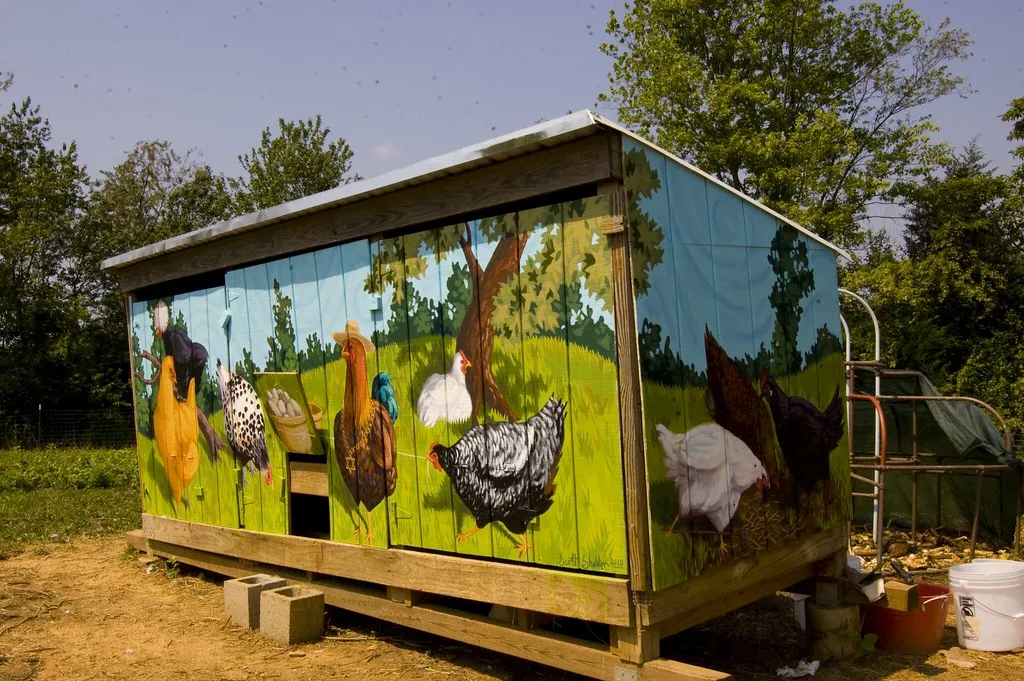
Choosing the Right Paint for Your Chicken Coop
Painting your chicken coop is a fantastic way to protect it from the elements, extend its lifespan, and give it a fresh, appealing look. However, not all paints are created equal, and selecting the right one is crucial for the health and safety of your chickens, as well as the longevity of your coop. Consider the materials your coop is made from, whether wood, metal or a composite. Weather conditions in your area are also very important. A coop exposed to harsh sunlight, rain, or snow will require a more durable paint. The best paint will be durable, non-toxic, and suitable for outdoor use. The information below will help you choose the best product.
Understanding Paint Types
When it comes to paint types, you’ll have a few primary options to consider. Latex paints, which are water-based, are a popular choice due to their flexibility, ease of cleaning, and low odor. They’re also relatively quick-drying. However, they may not be as durable as oil-based paints in extreme weather conditions. Oil-based paints, while offering superior durability and water resistance, can have a strong odor and take longer to dry. Make sure to choose a paint formulated for outdoor use and resistant to mold and mildew. Paints designed specifically for exterior applications are engineered to withstand the elements and provide long-lasting protection. Always look for paints labeled as ’non-toxic’ or ‘safe for animals’.
Exterior vs Interior Paints

The choice between exterior and interior paints is vital for your chicken coop. Exterior paints are formulated to withstand sun, rain, and temperature fluctuations. They contain additives that protect against UV damage, mildew, and fading, making them ideal for the outside of your coop. Interior paints, on the other hand, are designed for the controlled environments of indoor spaces and are not equipped to handle the rigors of the outdoors. Applying interior paint on the exterior of the chicken coop is not recommended as it will likely peel, crack, and deteriorate quickly. Interior paints may also not be moisture resistant, leading to potential issues with mold and mildew growth within the coop, ultimately creating an unhealthy environment for your chickens.
Paint Finishes and Their Impact
The finish of your paint affects both the appearance and the durability of your chicken coop. Flat finishes are non-reflective and provide a smooth appearance, but they tend to be less durable and harder to clean. They are ideal for areas that won’t be exposed to moisture or heavy wear. Satin and eggshell finishes offer a subtle sheen, are more washable than flat finishes, and provide moderate durability. They are a good compromise for many coop applications. Semi-gloss and gloss finishes are highly reflective and are very durable and easy to clean. While they work well, they can highlight imperfections. These are best suited for areas exposed to moisture, such as the exterior of the coop. The best finish depends on your aesthetic preferences and the amount of wear and tear the coop will endure.
Preparing Your Chicken Coop for Painting
Proper preparation is the key to a successful and long-lasting paint job. Before you even think about opening a can of paint, take the time to thoroughly prepare your chicken coop’s surfaces. Neglecting this step can lead to peeling paint, uneven coverage, and a generally unsatisfactory finish. This involves cleaning, repairing, and protecting the existing surfaces to ensure the new paint adheres properly. Be thorough in your preparation to achieve the best results and protect your coop investment. Preparation is not just about aesthetics; it’s crucial for the health of your chickens.
Cleaning and Surface Preparation

Begin by thoroughly cleaning the coop’s exterior. Remove any dirt, debris, bird droppings, and loose paint. A pressure washer can be incredibly helpful for this task, but ensure you use a low-pressure setting to avoid damaging the wood. If you don’t have a pressure washer, a scrub brush, warm water, and a mild detergent will work. Rinse the coop completely and allow it to dry thoroughly. Once dry, inspect the surface for any imperfections, such as cracks, holes, or peeling paint. Address these issues before moving on to the next step. Consider using a mold and mildew remover if you notice any signs of growth, as this can affect paint adhesion and create an unhealthy environment. Proper cleaning prepares the surface to be painted correctly.
Repairing Damaged Areas
Inspect the coop for any structural damage, such as rotten wood, loose boards, or damaged hardware. Repair any issues before painting. Fill any cracks, holes, or imperfections with exterior-grade wood filler or caulk, depending on the size and nature of the damage. Allow the filler or caulk to dry completely according to the manufacturer’s instructions. Once dry, sand the repaired areas smooth to ensure a level surface. Use a sanding block or a power sander for larger areas. Then, wipe away any sanding dust with a tack cloth or a damp cloth. If there is any existing peeling paint, scrape it off with a paint scraper or wire brush until the surface is smooth. This will ensure the new paint adheres well.
Gathering Your Painting Supplies
Having the right tools and equipment is essential for a smooth and efficient painting process. Before you begin, gather all the necessary supplies to avoid interruptions and ensure a professional-looking finish. Investing in quality tools will make the job easier and result in a more durable and attractive paint job. A well-stocked painting toolkit is a sign of preparation and will also protect your coop and your investment in the long term. Choosing the right equipment and understanding its use is paramount.
Essential Painting Tools and Equipment

You’ll need paintbrushes, rollers, and paint trays to apply the paint. Choose brushes with natural bristles for oil-based paints and synthetic bristles for latex paints. Rollers with a nap appropriate for the coop’s surface (such as a medium nap for wood) are efficient for large, flat areas. You will also need painter’s tape to protect any areas you don’t want to paint, such as windows, trim, or hardware. Drop cloths or plastic sheeting will protect the ground and surrounding areas from paint splatters. A paint scraper or putty knife is useful for removing loose paint and applying wood filler. Sandpaper or a sanding block will help smooth surfaces before painting. Use a stirring stick to thoroughly mix your paint. Also, be sure to have a ladder or step stool for reaching all areas of the coop.
Safety Gear and Considerations
Safety should be a top priority when painting. Wear safety glasses to protect your eyes from paint splatters and dust. A dust mask or respirator will protect you from inhaling paint fumes and sanding particles. Gloves will protect your hands from paint and solvents. Old clothes or a painting suit will help protect your clothing. Ensure adequate ventilation by opening windows and doors when painting, especially when using oil-based paints. Avoid painting on windy days to prevent paint from blowing onto unintended areas. Always follow the manufacturer’s instructions on the paint can, including any safety precautions. Store paint and solvents safely, away from children and pets. Clean up any spills immediately and dispose of waste properly.
The Step by Step Painting Process
Once you have selected your paint, prepared the surface, and gathered all the necessary supplies, it’s time to start painting. Following a systematic approach will ensure a professional-looking finish and protect your coop for years to come. Painting a chicken coop is a straightforward process. The key to a successful paint job is to take your time, work methodically, and allow for proper drying time between coats. This process involves several stages, each of which is critical for the overall outcome.
Priming the Chicken Coop

Priming is a critical step that should not be skipped, especially if you’re painting bare wood. Primer helps the paint adhere to the surface, seals the wood, and provides a uniform base for the color. Apply the primer evenly using a brush or roller, following the manufacturer’s instructions. Allow the primer to dry completely before applying the paint. This usually takes several hours, or overnight. Priming ensures the paint will adhere properly, especially on unpainted surfaces. Prime the entire surface, including all areas that will be painted. This step ensures a consistent, durable finish.
Applying the First Coat of Paint
Once the primer is dry, it’s time to apply the first coat of paint. Start by stirring the paint thoroughly. Apply the paint evenly, using a brush or roller. Start with the edges and corners, and then fill in the larger areas. Work in sections, and avoid applying too much paint at once, which can lead to drips and runs. Follow the direction of the wood grain for the best results. Let the first coat dry completely, according to the manufacturer’s instructions. This usually takes several hours, and it is very important for the second coat to adhere well. Proper drying time is crucial for the paint’s durability and appearance.
Adding a Second Coat for Durability
After the first coat is completely dry, apply a second coat of paint. This will provide better coverage, improve the color depth, and enhance the paint’s durability. Apply the second coat in the same manner as the first, ensuring even coverage and avoiding drips and runs. Allow the second coat to dry completely before exposing the coop to the elements. The second coat protects the coop and your chickens. Two coats provide superior protection. This will extend the life of your paint job, and protect your coop and your chickens from the elements.
Protecting Your Painted Chicken Coop

Once your chicken coop is painted, there are steps you can take to protect it and extend the life of your paint job. This will help ensure your coop remains weather-resistant and beautiful for years to come. Maintaining the integrity of the paint and the coop’s structure is crucial for the health and safety of your chickens. Protect your investment and protect your chickens by implementing these measures.
Weatherproofing Techniques
Consider applying a clear sealant or topcoat to further protect the painted surface from the elements. This will provide an extra layer of protection against UV rays, rain, and snow. Ensure proper drainage around the coop to prevent water from pooling and damaging the painted surface. Regularly inspect the coop for any signs of damage, such as peeling paint, cracks, or leaks. Address any issues promptly to prevent further damage. Sealant enhances water resistance, and also prevents fading due to sun exposure. Implement these techniques to maintain the integrity of your coop.
Maintaining Your Painted Coop
Regular maintenance is key to preserving your painted chicken coop. Regularly clean the coop’s exterior to remove dirt, debris, and bird droppings. Inspect the paint surface for any signs of damage or wear. Touch up any chipped or peeling paint as needed. Periodically inspect the coop for any structural issues, such as loose boards or damaged hardware, and make repairs promptly. By following these maintenance tips, you can ensure that your painted chicken coop remains in top condition and provides a safe and comfortable home for your chickens for many years to come. Proper maintenance is a good practice.