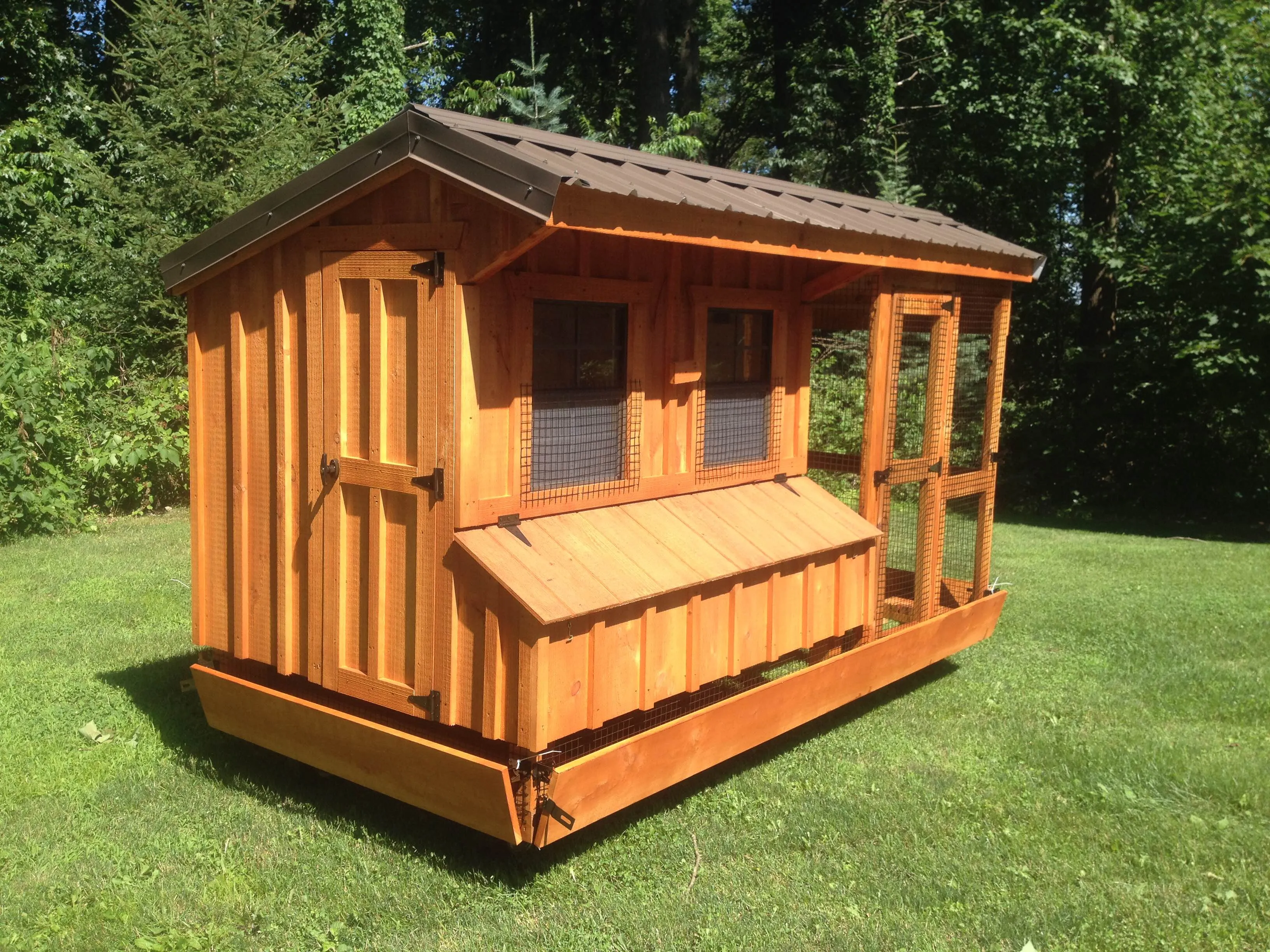
Top 5 Chicken Coop Design Ideas
Building a chicken coop is an exciting project for any backyard enthusiast. A well-designed coop provides a safe and comfortable home for your chickens, protecting them from predators and the elements. Choosing the right design is crucial for the health and happiness of your flock. This guide explores five popular chicken coop designs, offering insights into their features, benefits, and considerations, along with pictures of chicken coops to inspire your project. Whether you’re a seasoned chicken keeper or just starting out, understanding these designs will help you create the perfect coop for your needs and provide you with plenty of chicken coop picture ideas.
The A-Frame Coop
The A-frame coop is a simple, classic design characterized by its triangular shape, resembling the letter ‘A’. This design is often chosen for its ease of construction and portability. A-frame coops are particularly well-suited for smaller flocks and are a great option for those seeking a more compact and space-saving solution. The sloped roof helps shed rain and snow, keeping the interior relatively dry. These coops are typically made from wood, making them a cost-effective option for DIY enthusiasts looking to build a chicken coop picture-perfect home for their chickens. These are great chicken coop picture examples of simple builds.
Pros and Cons of A-Frame Coops

A-frame coops excel in simplicity and portability. They are generally easy to build, making them a good choice for beginners. Their compact design allows them to fit in smaller spaces. However, the size limitation means they’re better for smaller flocks. Ventilation can sometimes be a challenge, and the sloped roof might limit headroom inside the coop. Ensure good ventilation to prevent moisture buildup, and consider adding a run for additional space.
The Gable Coop
Gable coops feature a traditional pitched roof with two sloping sides, creating a triangular upper section. This design offers more interior space compared to A-frame coops, providing ample room for chickens to move around, roost, and nest. Gable coops are versatile and can be customized with various features such as windows, ventilation systems, and predator-resistant features. Their design allows for better airflow, which is essential for maintaining a healthy environment inside the coop. They also provide better protection against rain and snow due to their sloped roof. This is often the chicken coop picture we imagine.
Advantages of Gable Coops
Gable coops offer more interior space and better ventilation. The design allows for customization, making it easier to incorporate features like windows and secure doors. The pitched roof effectively sheds water and snow. However, gable coops might be slightly more complex to build than A-frame designs, requiring more materials and possibly a more advanced skillset. Ensure secure construction to protect against predators, as a larger coop may be more vulnerable to attack.
The Lean-To Coop

A lean-to coop is a simple design with a single, sloping roof that leans against a wall or another structure. This design is excellent for utilizing existing structures, like a shed or a garage. Lean-to coops are relatively easy to build, making them a cost-effective option. Their streamlined design saves space and allows for flexibility in location, making them suitable for various backyard setups. When building a lean-to coop, you can consider using existing building materials. The image will look very good in your chicken coop picture collection.
Building a Lean-To Coop
Building a lean-to coop typically involves attaching a frame to an existing structure and constructing a sloped roof. Ensure the roof is properly sealed to prevent water damage. The design often includes a door for easy access, and a nesting box for egg-laying. Adequate ventilation is crucial, so consider adding vents or windows. Lean-to coops are typically smaller than other designs, so make sure it’s suitable for the size of your flock. Always prioritize safety, with secure doors and predator-proof materials.
The Coop with Run
A coop with a run combines an enclosed coop with a connected outdoor area, or run, providing chickens with a secure space to roam and forage. The run is typically enclosed with wire mesh to protect chickens from predators while allowing them to enjoy fresh air and sunshine. This design is ideal for maximizing space and providing chickens with a healthier, more natural environment. The run can be customized with various features like roosting bars, and areas for dust baths. This offers a fantastic chicken coop picture opportunity.
Benefits of a Coop with Run

A coop with a run provides a safe and secure environment, protecting chickens from predators while allowing them to exercise and forage. It helps keep chickens contained, preventing them from wandering into gardens or neighboring properties. The run design provides more space for the chickens to enjoy sunlight and fresh air. Make sure the run is constructed with predator-proof materials, such as hardware cloth buried underground to prevent digging predators from entering. Regularly clean the run to maintain a healthy environment.
The Mobile Chicken Coop
Mobile chicken coops, or chicken tractors, are designed to be easily moved around the yard. This design allows chickens to graze on fresh grass and access new areas of the yard, providing them with a diverse diet and reducing the need for supplemental feeding. Mobile coops are often smaller and lighter than stationary coops, making them easier to move. They are also great for fertilizing the lawn naturally. A mobile coop offers flexibility and can provide a dynamic living environment for chickens. The flexibility results in a great chicken coop picture.
Advantages of Mobile Coops
Mobile coops allow for easy relocation, providing access to fresh grass and reducing the risk of disease and parasites. The design allows for natural fertilization of the lawn and a more diverse diet for chickens. This design promotes a more natural and engaging environment for chickens. Mobile coops often require less cleaning, as they are moved to fresh ground. Ensure the coop is sturdy and easy to move, and that it provides adequate protection from predators. The design helps you create unique chicken coop picture layouts.
Choosing the Right Coop Design

Selecting the best chicken coop design depends on several factors, including your available space, the number of chickens you plan to keep, your local climate, and your personal preferences. Considering these factors will ensure that you choose a coop that meets your needs and provides your chickens with a comfortable and safe home. A great chicken coop picture comes from careful planning.
Consider Size and Space
The size of your coop should be determined by the number of chickens you plan to keep. As a general guideline, provide at least 4 square feet of floor space per chicken inside the coop, and at least 8-10 square feet per chicken in the run. Consider the size of your backyard and the space you are willing to dedicate to the coop and run. Ensure adequate space for roosting bars, nesting boxes, and feeders. The size of the coop determines the number of chicken coop picture variations available.
Thinking about Security
Predator protection is a critical consideration. Ensure your coop is constructed with predator-proof materials, such as hardware cloth for the run, sturdy latches, and secure windows. Bury the wire mesh around the perimeter of the run to prevent digging predators from entering. Secure the coop and run to prevent predators from accessing the chickens. Consider the local predator population in your area, and reinforce the coop accordingly. Think about how the coop’s security shows up in your chicken coop picture plans.
Climate Considerations

The climate in your area will influence your coop design. In hot climates, ensure adequate ventilation to keep the coop cool. In cold climates, provide insulation to keep the coop warm during winter. Consider the direction of prevailing winds and the amount of sunlight the coop will receive. The coop should be designed to withstand rain, snow, and extreme temperatures. Adequate ventilation is critical in all climates to ensure the chickens are in a healthy environment. The climate will influence the available chicken coop picture options.
Aesthetics and Style
Choose a design that complements your backyard and personal style. Coops can be customized with various features such as paint colors, decorative trim, and unique roofing materials. Consider the overall look you want to achieve. The design should blend well with your existing landscape. Consider the visual appeal of your coop when creating a chicken coop picture. Make the coop a beautiful and functional addition to your backyard. The aesthetics of the chicken coop determine the final chicken coop picture.
By considering these five design ideas, and weighing the various factors discussed above, you can choose the perfect chicken coop design for your backyard chickens. Remember to prioritize safety, security, and the comfort of your flock. Good luck with your chicken coop picture!