Planning Your Chicken Coop Pictures Project
Embarking on a chicken coop project is an exciting endeavor, and gathering chicken coop pictures is an excellent starting point. Before diving into construction, it’s crucial to plan meticulously. This initial phase involves assessing your needs, considering your backyard space, and understanding local regulations. This includes determining the number of chickens you plan to house, which directly impacts the coop’s size. Researching different coop styles and features will help you visualize your ideal setup. Collecting chicken coop pictures allows you to identify design preferences, material choices, and potential challenges. This stage is essential for setting a solid foundation for your project.
Choosing the Right Coop Style
The style of your chicken coop plays a significant role in its functionality, aesthetics, and integration with your landscape. Consider whether you prioritize ease of access, portability, or visual appeal. Various styles exist, from classic designs to modern, innovative structures. Each style offers unique advantages and disadvantages regarding space utilization, predator protection, and ease of cleaning. Examining chicken coop pictures of different styles can greatly aid in making an informed decision. Consider factors such as climate, the number of chickens you plan to keep, and the aesthetic you want to achieve in your backyard. The right style will blend functionality with your personal style.
Coop Styles

Explore some popular chicken coop styles, each with distinct characteristics and benefits. Understanding these will help you tailor your coop design to your specific needs. Common styles include traditional coops, known for their classic charm and often simple construction; modern coops, which emphasize sleek designs and innovative materials; and mobile coops, which offer flexibility and portability. Reviewing chicken coop pictures of each style allows you to compare and contrast their features, helping you make the best choice for your chickens and your backyard setting. Each style offers different advantages in terms of practicality, aesthetics, and ease of construction.
Traditional Coops
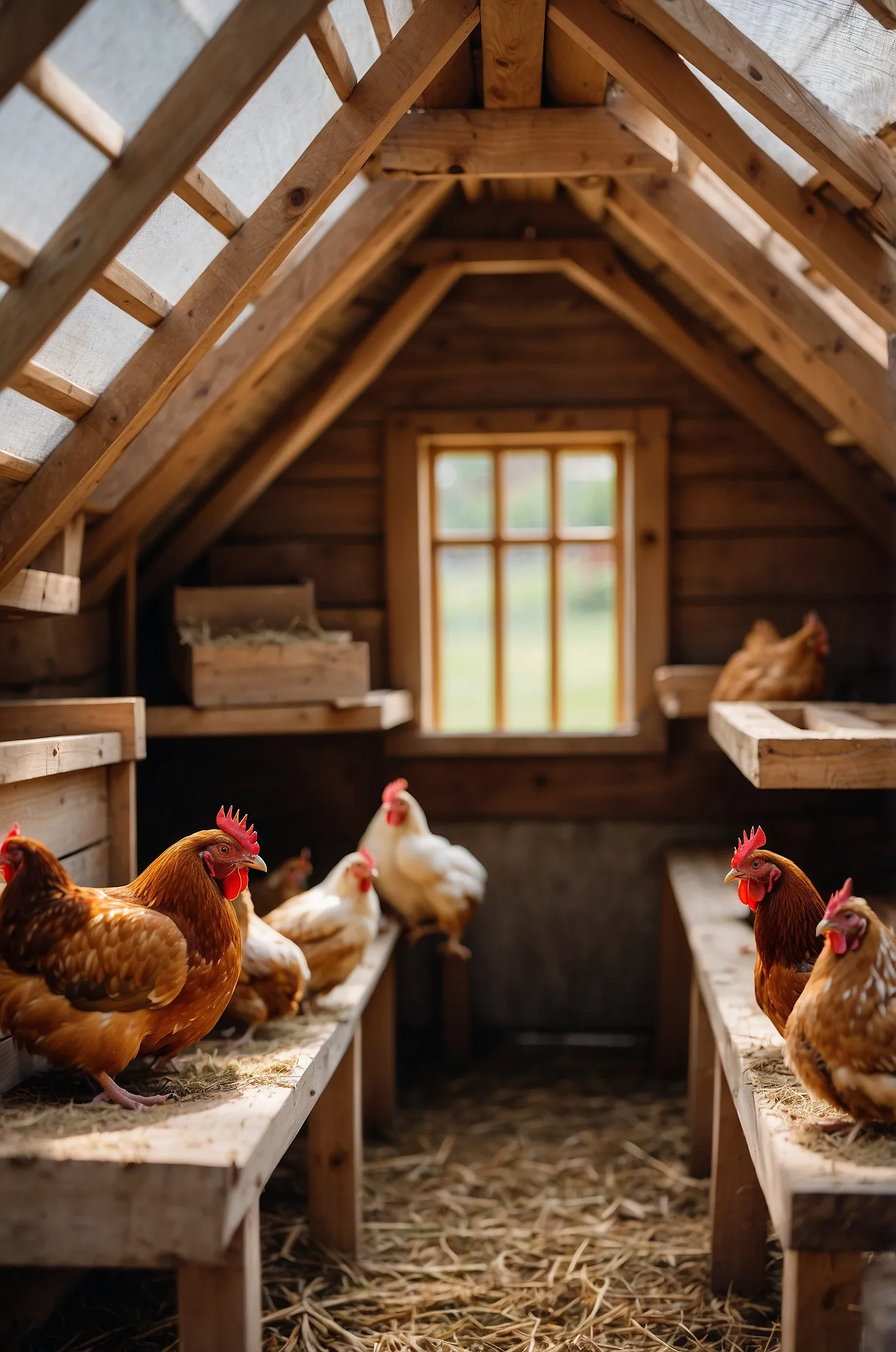
Traditional chicken coops often feature a gable roof, wooden construction, and a simple, functional design. These coops typically provide a straightforward approach to housing chickens and are often easy to construct. They often feature a raised platform for roosting and nesting boxes for egg-laying. Reviewing chicken coop pictures of traditional designs can provide insights into practical layouts, ventilation strategies, and common material choices. Traditional coops are often a good option for beginners because of their simplicity and ease of construction. They can also be easily customized to fit your specific needs.
Modern Coop Designs
Modern chicken coops frequently embrace contemporary aesthetics, incorporating clean lines, innovative materials, and enhanced functionality. Chicken coop pictures showcasing modern designs often highlight features such as integrated feeders and waterers, automated doors, and stylish architectural elements. These coops often utilize sustainable materials and prioritize ease of cleaning and maintenance. Modern coops can integrate seamlessly with contemporary landscaping and may offer superior insulation and ventilation compared to traditional designs. They are ideal for those seeking a blend of style and practicality.
Mobile Chicken Coops

Mobile chicken coops offer the advantage of portability, allowing you to move the coop around your yard to provide fresh foraging opportunities for your chickens. Chicken coop pictures of mobile designs often feature wheels or skids for easy relocation. These coops are particularly useful for managing grazing areas and enriching the soil. They require careful consideration of weight and stability, and predator protection is paramount. Mobile coops can be an excellent choice for maximizing space and enriching the lives of your chickens. They provide the added benefit of allowing chickens to naturally fertilize different areas of your yard.
Essential Features for a Functional Coop
Beyond aesthetics, essential features ensure the health, safety, and productivity of your chickens. The coop should provide adequate space, ventilation, and protection from predators and the elements. Nesting boxes offer a secure place for egg-laying, and roosting bars provide a comfortable spot for sleeping. Adequate access to food and water is crucial, and the coop should be easy to clean and maintain. Consulting chicken coop pictures can help you visualize these essential components and plan their placement effectively. Ensuring that your coop has these features will contribute to the health and happiness of your chickens.
Size and Space Considerations
Providing adequate space is fundamental to chicken welfare and productivity. Overcrowding can lead to stress, disease, and reduced egg production. A general guideline is to provide at least four square feet of floor space per chicken inside the coop and eight square feet per chicken in the run. Reviewing chicken coop pictures will help you visualize different coop sizes and assess the best dimensions for your flock. Also, consider the breed of chickens you plan to keep, as larger breeds require more space. Proper space planning will allow your chickens to thrive in a comfortable and healthy environment.
Ventilation and Airflow

Proper ventilation is essential to maintaining a healthy environment within the coop. Good airflow helps prevent the buildup of ammonia from chicken waste, which can cause respiratory problems. Effective ventilation also regulates temperature and humidity, preventing overheating in summer and moisture buildup in winter. Chicken coop pictures often highlight various ventilation strategies, such as vents placed high on the walls or in the roof. Designing your coop with proper ventilation will greatly benefit your chickens, promoting their health and well-being. It also extends the lifespan of the coop by preventing moisture-related decay.
Predator-Proofing Your Coop
Protecting your chickens from predators is paramount. Your coop needs to be secure against a range of threats, including raccoons, foxes, dogs, and even birds of prey. Reviewing chicken coop pictures often showcases features like buried hardware cloth around the perimeter, secure latches, and strong roofing materials. Other preventative measures include solid fencing, secure windows, and the elimination of potential entry points. The goal is to construct a coop that keeps your chickens safe from harm and allows them to thrive. Predator-proofing is one of the most important factors in designing and building a chicken coop.
Popular Building Materials
The choice of materials significantly influences the durability, aesthetics, and maintenance of your chicken coop. Consider the climate, local availability, and your budget when selecting materials. Wood offers a classic appeal but requires regular maintenance. Metal coops are durable and predator-resistant but can be susceptible to temperature fluctuations. Plastic coops are low-maintenance but may have limitations in terms of customization. Looking at chicken coop pictures showcasing different materials can give you a better understanding of their properties and suitability for your needs.
Wood

Wood is a traditional building material that offers versatility and aesthetic appeal. Chicken coop pictures often showcase wooden coops with various finishes and designs. Wood is relatively easy to work with, allowing for customization. However, it requires regular maintenance, including painting or staining to protect it from the elements. Common wood choices for coops include cedar, pine, and redwood, each with varying levels of durability and cost. Properly treated wood will provide a long-lasting and attractive structure for your chickens.
Metal
Metal coops offer excellent durability and predator resistance. Chicken coop pictures often feature coops constructed from steel or aluminum, which are highly resistant to weather and wear. Metal coops are often a good choice in areas with high predator pressure. Metal coops may require less maintenance than wooden coops but can be prone to temperature fluctuations. Consider using insulated panels to moderate the internal temperature. Metal provides a robust and secure environment for your chickens.
Plastic
Plastic coops are increasingly popular due to their low maintenance requirements. Chicken coop pictures often display plastic coops as easy to clean and resistant to pests. Plastic coops are lightweight and can be moved easily. However, they may have limitations in terms of customization and can be susceptible to damage from extreme temperatures or direct sunlight. Plastic can be a good choice for beginners or those seeking a low-maintenance coop option. Make sure that the plastic is food grade and non-toxic for your chickens.
Incorporating Pictures into Your Design

Chicken coop pictures are an invaluable resource throughout the design and construction process. They serve as inspiration, a guide to practical solutions, and a record of progress. Use the pictures to identify design elements that resonate with your vision, such as the coop’s overall style, the placement of windows and doors, and the types of nesting boxes. Print out or save images and use them as references while building. The more pictures you gather and analyze, the easier it will be to translate your vision into reality.
Finding Inspiration from Chicken Coop Pictures
The first step is gathering inspiration. Start by searching online for chicken coop pictures on websites like Pinterest, Houzz, and Google Images. Look for coops that match your desired style and incorporate features that you like. Pay attention to the details such as the roofing materials, paint colors, and the overall layout. Save the pictures that appeal to you and use them as a visual reference when planning your own coop. The inspiration will help you create a design that is both functional and beautiful. Look at the pictures to determine what is essential to include in your own design.
Using Pictures to Plan Your Layout
After gathering inspiration, use the chicken coop pictures to plan the layout of your coop. Consider how the different components of the coop, such as the nesting boxes, roosting bars, and access doors, fit together. Identify the key dimensions and the spatial relationships between the various elements. Use the pictures to visualize the interior and exterior of your coop. Pay attention to the placement of windows and vents to ensure proper ventilation and light. With your pictures as a reference, you’ll be able to create a detailed plan that meets the needs of your chickens.
Creating a Budget and Timeline

Before starting construction, create a detailed budget and timeline. Determine the cost of materials, tools, and any additional expenses. Research prices and compare different options to stay within your budget. Break down the project into manageable phases and assign realistic timeframes to each stage. Use your chicken coop pictures as a reference to estimate the materials needed and the time required for construction. A well-defined budget and timeline will help you manage the project efficiently and prevent unforeseen delays and expenses. Plan for the unexpected and include a buffer in both your budget and timeline.
Step-by-Step Guide to Building Your Coop
Building a chicken coop can be a rewarding experience. However, it’s essential to follow a structured approach to ensure a successful outcome. Start by preparing the site, building the frame, adding walls and roofing, installing doors and windows, and finishing the coop. Use chicken coop pictures as a visual guide and reference the construction process. This step-by-step approach will help you build a secure, functional, and aesthetically pleasing coop for your chickens.
Preparing the Site
Choose a level spot that is well-drained and protected from the elements. Clear the area of any vegetation and level the ground. Consider the sun’s path and the location of nearby trees or structures when positioning your coop. Proper site preparation provides a solid foundation for your coop and minimizes moisture problems. Following your chicken coop pictures, measure and mark out the dimensions of your coop to ensure it fits perfectly in your chosen location.
Building the Frame

Construct the frame using sturdy lumber, following your plans and measurements. Ensure the frame is square and level. Build the floor, walls, and roof frame, using nails, screws, or other fasteners to secure the pieces. Refer to your chicken coop pictures for the best construction methods and layout. Pay close attention to the structural integrity of the frame, as it supports the entire coop and must withstand the elements.
Adding Walls and Roofing
Once the frame is complete, install the walls and roofing materials. Choose durable and weather-resistant materials for both. Securely attach the walls to the frame, ensuring that there are no gaps or openings. Install the roofing, overlapping the shingles or panels to prevent leaks. Examine your chicken coop pictures to explore various roofing and siding options that match your vision. Ensuring that the walls and roof are correctly installed helps to protect your chickens from weather and predators.
Installing Doors and Windows
Install the doors and windows, ensuring they are securely fastened. Doors should open and close easily and be fitted with secure latches. Windows provide ventilation and natural light, so make sure they’re placed in appropriate locations. Use your chicken coop pictures as a reference for the placement and design of the doors and windows. When installing the doors and windows, ensure that they are predator-proofed. Secure windows with hardware cloth to protect your chickens.
Finishing Touches and Decorating
Add the finishing touches to your coop, such as painting, staining, or adding decorative elements. Consider the aesthetics of your coop and how it complements your backyard. You can also install nesting boxes, roosting bars, and other internal components. Looking back at chicken coop pictures that inspired you can guide you with the finishing touches. Finishing the coop will make it both functional and beautiful. It also makes it a more enjoyable space for you and your chickens.
Maintaining Your Chicken Coop
Regular maintenance is crucial for the long-term health and safety of your chickens. This includes regular cleaning, sanitation, and protection against the elements. Regular maintenance will keep your chickens healthy and your coop in good condition for years to come. Cleaning, sanitizing, and performing routine maintenance helps keep the coop in top condition. Your chicken coop pictures can serve as reminders of essential maintenance tasks.
Cleaning and Sanitation
Clean the coop regularly to prevent the buildup of waste and diseases. Remove droppings, soiled bedding, and any other debris. Disinfect the coop with a suitable poultry cleaner or a diluted bleach solution. Let the coop dry completely before adding fresh bedding. The frequency of cleaning will depend on the size of your coop and the number of chickens you have. Use chicken coop pictures as a reminder and reference when you clean the coop. Keep the coop clean to ensure the health of your chickens.
Winterizing Your Coop
Prepare your coop for winter by providing insulation and protection against the cold. Seal any drafts, add extra bedding, and consider installing a heat lamp for extreme cold. Provide fresh water to prevent it from freezing. Regularly check your chicken coop pictures to see how other chicken owners handle the winter. Providing heat or insulation can keep your chickens safe and comfortable throughout the winter season.
Summer Cooling Strategies
Keep your coop cool during the summer by providing shade, good ventilation, and access to fresh water. Use fans to circulate air and prevent overheating. Consider adding misters or frozen water bottles. Be sure to provide ample shade and ventilation, and ensure your chickens have access to fresh water. Check your chicken coop pictures for more great ideas. Keeping your chickens cool in the summer is essential for their health and well-being.
Sharing Your Chicken Coop Pictures
Once your coop is complete, share your chicken coop pictures to inspire others. Post them on social media, share them with friends, or submit them to online forums and communities. Sharing your pictures allows you to connect with other chicken keepers, exchange ideas, and showcase your hard work. You can inspire others to build their coops or provide helpful advice. By sharing your pictures, you become a part of the chicken-keeping community.