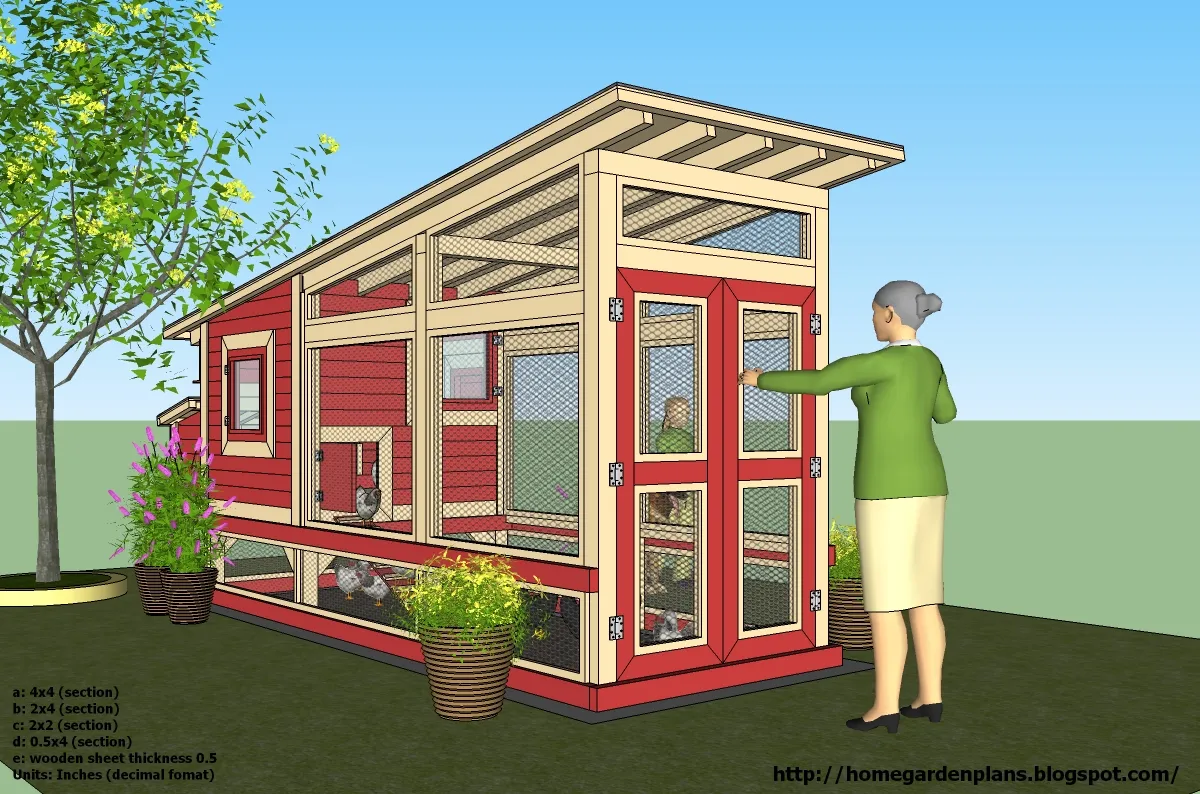
Understanding the Need for a Chicken Coop
Building a chicken coop is a rewarding endeavor for anyone considering raising chickens. Whether you’re a seasoned homesteader or a beginner, a well-designed coop provides essential shelter, protection, and a secure environment for your flock. Chickens are vulnerable to predators, weather extremes, and various health hazards. A coop safeguards them from these threats, ensuring their well-being and productivity. Moreover, having a coop allows you to manage your chickens effectively, controlling their access to the surrounding environment and making it easier to collect eggs and maintain cleanliness. The need for a chicken coop also extends to regulatory requirements in many areas, where it’s often mandatory to provide adequate housing for poultry. This guide will help you understand how to get a chicken coop plan free.
Benefits of Having a Chicken Coop
The benefits of owning a chicken coop extend far beyond just providing shelter for your chickens. First and foremost, a coop offers protection against predators such as foxes, raccoons, and hawks, which can quickly decimate a flock. It also shields chickens from harsh weather conditions, including extreme heat, cold, and heavy rain. A well-designed coop provides a clean and hygienic environment, which reduces the risk of disease and promotes the overall health of your birds. In addition to the health and safety aspects, a chicken coop simplifies egg collection. The coop becomes the designated laying space, making it easy to gather fresh eggs daily. The coop also helps to manage chicken waste efficiently. Chicken manure is an excellent fertilizer, and the coop can be designed to facilitate composting, which benefits your garden. Finally, a chicken coop allows you to control where your chickens roam, preventing them from damaging your garden or other areas of your property.
Planning Your Free Chicken Coop

Before diving into the construction, thorough planning is essential for a successful chicken coop. Planning involves several critical factors, including choosing the right location, assessing your space, and selecting a suitable chicken coop plan. The choice of a plan should align with your needs, considering the size of your flock, the space available, and your skill level as a builder. A well-thought-out plan ensures that the coop meets the needs of your chickens and is practical and easy to maintain for you. Carefully consider the long-term implications of your design choices, and remember that a well-planned coop minimizes future issues and maximizes the benefits of raising chickens. Explore free chicken coop plans to get started.
Choosing the Right Location
The location of your chicken coop significantly impacts its functionality and the well-being of your chickens. When choosing a spot, consider factors such as sunlight, shade, drainage, and accessibility. Ideally, the coop should receive a mix of sunlight and shade throughout the day to regulate the temperature and provide comfort for your chickens. Good drainage is crucial to prevent moisture buildup, which can lead to health problems. Choose a spot that is relatively level and away from areas prone to flooding. Accessibility is also important. The coop should be easily accessible for daily chores like feeding, watering, and egg collection. Additionally, consider the proximity to your house and neighbors, accounting for noise and potential odor. Ensure compliance with local regulations regarding coop placement and setbacks from property lines to get started with your free chicken coop plans.
Assessing Your Space
Evaluating the space you have available is a crucial step in planning your chicken coop. Consider the size of your flock, as you’ll need enough space for them to move around comfortably inside the coop and within the run. The general recommendation is at least 4 square feet of floor space per chicken inside the coop and 8-10 square feet per chicken in the run. Also, assess the shape and size of your yard to determine where the coop and run can be accommodated. Remember that the coop should be large enough for the chickens to move around, but not so large that it becomes difficult to clean and maintain. Considering your property’s size and shape ensures that the coop fits well within the available space and is safe for your chickens. This assessment will inform the type and size of the free chicken coop plan you choose.
Selecting the Right Chicken Coop Plan

Choosing the right chicken coop plan is pivotal to the success of your project. This decision should be based on your specific needs, including the number of chickens you intend to keep, the available space, and your building skills. There are numerous free chicken coop plans available online, ranging from simple, beginner-friendly designs to more complex, elaborate structures. Consider the materials you will be using, and make sure that the plan you choose is within your budget and capabilities. Look for plans that are well-detailed and include clear instructions, material lists, and diagrams. This will streamline the building process and minimize the risk of errors. You can find a variety of plans that are simple and easy to follow. Prioritize plans that are customizable to your property and flock’s needs.
Free Chicken Coop Plan Options
The availability of free chicken coop plans makes building a coop accessible to almost everyone. These plans offer a wide range of designs, from basic A-frame coops to more elaborate structures with runs, nesting boxes, and roosting bars. Online resources and websites dedicated to poultry provide a wealth of free plans, often accompanied by detailed instructions, material lists, and step-by-step guides. Many plans are designed for different skill levels, making it easy for beginners to find a suitable project. When exploring free options, look for plans that are adaptable to your specific needs, such as the size of your flock, the local climate, and the amount of space available. Consider checking popular websites and resources that provide well-designed, free chicken coop plans.
Small Chicken Coop Plans
Small chicken coop plans are ideal for those with limited space or those who want to keep a small flock of chickens. These plans typically focus on simplicity, affordability, and ease of construction. Many small coop plans are designed to be built with readily available materials, which keeps costs down. You can often find these plans online, and they usually include detailed instructions and material lists. These plans often feature integrated nesting boxes and easy access for egg collection and cleaning. These small coops are perfect for urban or suburban environments where space is at a premium. Small coops may be easier to move, if you want a mobile coop, making them a good option for people new to raising chickens. These plans focus on functionality and efficient use of space.
Large Chicken Coop Plans

Large chicken coop plans are designed for those who plan to keep a larger flock of chickens. These plans typically involve more complex designs, larger dimensions, and a more significant investment in materials. These plans include features like multiple nesting boxes, extensive roosting areas, and spacious runs. They are well-suited for rural settings or properties with ample space. Many of these plans often incorporate enhanced ventilation, security features, and weather protection to accommodate a larger number of birds and provide optimal living conditions. Because of their size, these coops can be more challenging to build and require more time and skill, but the benefits include providing comfortable and secure housing for a larger flock. Explore different large chicken coop plans to find what fits your needs.
Mobile Chicken Coop Plans
Mobile chicken coop plans, also known as chicken tractors, are designed to be easily moved around a yard or pasture. These coops offer several benefits, including allowing chickens to graze on fresh grass, distributing manure evenly, and minimizing the impact on the soil. These plans often feature lightweight construction, wheels, and a tow bar for easy movement. Mobile coops are often smaller and more compact, which makes them suitable for a variety of spaces. These plans typically include features to protect chickens from predators while allowing them to roam freely. They are a great option for those who want to manage their chickens in a sustainable way, providing fresh forage and preventing overgrazing. Mobile coops offer flexibility and convenience.
Gathering Materials
Once you have selected your chicken coop plan, the next step is to gather all the necessary materials. Creating a detailed materials list is crucial for ensuring you have everything you need before you start building. This list should include all lumber, hardware, roofing materials, wire mesh, and any other specific components required by your plan. It’s a good practice to measure twice and cut once to minimize waste and errors. Consider where you will source your materials. Lumberyards, hardware stores, and online retailers are all viable options. You may find deals on recycled or reclaimed materials that can significantly reduce costs. Before purchasing, compare prices and check for any discounts or sales. Careful planning and efficient material gathering are essential for a smooth and cost-effective building process.
Essential Materials Checklist

A detailed materials checklist is essential for building a chicken coop. The checklist should include all the lumber needed for the frame, walls, roof, and any internal structures like nesting boxes and roosting bars. Hardware such as screws, nails, hinges, latches, and bolts is also crucial. Wire mesh is a must-have to provide security, ventilation, and protection from predators. Roofing materials, such as shingles, metal sheeting, or corrugated panels, will protect your chickens from the elements. Other essential items include exterior paint or sealant to protect the wood, and any additional materials specified in your chosen plan. You may also need to purchase items like hardware cloth, which is often used for the run, and building tools. Ensure that your checklist is accurate and comprehensive to avoid delays and extra trips to the store.
Where to Find Free or Affordable Materials
Reducing costs is a key benefit of finding a free chicken coop plan. There are several ways to find free or affordable materials for your chicken coop. Check online marketplaces like Craigslist and Facebook Marketplace for free wood, used building materials, and hardware. Local community groups and online forums are great places to locate free or discounted materials. Consider reaching out to local construction sites and contractors, who may have excess materials they’re willing to give away. Repurposing materials is another effective way to save money. Old pallets can be disassembled and used for framing or flooring, while reclaimed wood can add character to your coop. Keeping an eye out for sales and discounts at hardware stores and lumberyards can also help you save.
Step-by-Step Construction Guide
Building a chicken coop involves several steps, and following a step-by-step construction guide is essential for a successful outcome. The process begins with the foundation and framing, followed by building the walls and roof, installing doors and windows, and adding ventilation and security features. Finally, you’ll add the finishing touches. Always refer to your chosen chicken coop plan for specific instructions and measurements. The order of these steps is crucial for structural integrity and functionality. Ensure that you have the right tools, safety gear, and a clear understanding of each step. By following this systematic approach, you can build a sturdy and reliable chicken coop.
Foundation and Framing

The foundation and framing are the core of your chicken coop’s structure. Start by preparing the foundation according to your plan. This could involve leveling the ground, building a concrete slab, or setting posts. The framing involves constructing the coop’s skeleton, including the floor, walls, and roof supports. Accurate measurements and precise cuts are essential for ensuring that the frame is square and stable. Use a level and a square to confirm that the frame is level and straight. Secure the frame with screws or nails, following the plan’s instructions for spacing and placement. The framing process sets the structural integrity and the overall shape of the coop.
Building the Walls and Roof
Once the frame is complete, the next step is to build the walls and roof. This involves attaching the siding materials to the frame. The material used for the walls can vary, depending on your plan and your preferences. Options include plywood, planks, or even reclaimed materials. Ensure that the walls are securely attached to the frame. For the roof, construct the framework according to your plan, then install the roofing material. This can include shingles, metal sheets, or other weather-resistant materials. When building the walls and roof, pay close attention to detail and ensure that all joints are weather-tight to protect the interior from rain and drafts. Correctly built walls and roofs provide protection from the elements.
Installing Doors and Windows
Installing doors and windows is an important part of constructing your chicken coop. Doors provide access for you to clean the coop and collect eggs, while windows offer ventilation and natural light. The size and placement of the doors and windows should align with your chicken coop plan. Be sure to use sturdy hinges and latches for the doors to provide security. For windows, consider using wire mesh or hardware cloth to prevent predators from entering. Proper installation ensures that the doors and windows fit correctly and operate smoothly. Remember to caulk around the windows and doors to prevent drafts and moisture. Properly installed doors and windows contribute to the coop’s functionality.
Adding Ventilation and Security

Ventilation and security are critical components of a well-designed chicken coop. Adequate ventilation is essential for removing moisture, reducing odors, and maintaining healthy air quality. Ventilation can be achieved through strategically placed windows, vents, or a combination of both. Ensure that your coop is secure to protect your chickens from predators. Use sturdy hardware and wire mesh on doors, windows, and any other openings. Burying hardware cloth around the perimeter of the coop and run can prevent digging predators from getting in. Consider adding additional security features, such as reinforced latches and locks. Properly installed ventilation and security features are crucial to the health and safety of your chickens.
Finishing Touches and Enhancements
Once the basic structure is complete, it’s time to add finishing touches and enhancements to your chicken coop. This includes painting or sealing the exterior to protect the wood from the elements. You might also choose to add decorative elements, like trim or custom features. You can also add interior features like roosting bars and nesting boxes. Consider adding a ramp to make it easier for your chickens to enter and exit the coop. Landscaping around the coop, such as planting bushes or flowers, can also enhance its appearance. The finishing touches add both functionality and style to your coop.
Adding a Run and Outdoor Space
Adding a run and outdoor space to your chicken coop provides your chickens with a safe, enclosed area to roam and forage. The run can be constructed from wire mesh, wood, or other durable materials, and should be securely attached to the coop. Burying the wire mesh around the perimeter of the run can prevent predators from digging underneath. Providing ample space in the run allows your chickens to exercise and exhibit natural behaviors. Include features like roosting bars, dust bathing areas, and shade to enhance the chickens’ well-being. This outdoor space significantly improves your chickens’ quality of life and protects them from potential dangers.
Creating a Comfortable Interior
Creating a comfortable interior is essential for the well-being of your chickens. Provide roosting bars, elevated perches where chickens can comfortably sleep at night. Nesting boxes are essential for laying eggs, and should be designed to be secure, private, and easy to access. Proper bedding materials, such as straw, wood shavings, or sand, are necessary to absorb moisture and provide insulation. Ensure good air circulation and adequate lighting. Keeping the interior clean and dry promotes a healthy environment and reduces the risk of disease. This attention to detail is a testament to responsible chicken keeping.
Maintaining Your Chicken Coop
Maintaining your chicken coop is an ongoing process that ensures the health and safety of your chickens. Regular cleaning is essential. Remove soiled bedding, droppings, and other debris, and replace it with fresh material. Ventilation should be checked and maintained regularly to prevent moisture buildup. Inspect the coop regularly for any signs of damage, such as loose boards, holes in the wire mesh, or any potential entry points for predators. Make any necessary repairs promptly. Keep your coop free from pests, such as rodents and insects, to maintain a healthy environment for your chickens. Regularly cleaning and maintaining your coop will help keep your chickens happy.
Cleaning and Sanitation
Cleaning and sanitizing your chicken coop is crucial for preventing the spread of disease and maintaining a healthy environment for your chickens. Regular cleaning involves removing soiled bedding, droppings, and other waste materials. The frequency of cleaning depends on the size of your flock and the design of your coop, but a weekly or bi-weekly cleaning schedule is often recommended. Sanitize the coop by using a poultry-safe disinfectant to kill bacteria and parasites. This should be done more frequently, especially if there has been a health issue in the flock. Ensure proper ventilation to help dry out the coop and prevent the buildup of moisture. By following a consistent cleaning and sanitation routine, you can prevent disease.
Protecting from Predators
Protecting your chickens from predators is a critical aspect of chicken keeping. Implement several strategies to deter predators such as constructing a secure coop and run with strong wire mesh, bury wire mesh around the perimeter to prevent digging, and use secure latches and locks on doors and windows. Remove any potential attractants, such as spilled feed or garbage. Consider using motion-activated lights or other deterrents to discourage nocturnal predators. Regularly inspect your coop and run for any signs of damage. By implementing these preventative measures, you can create a safe and secure environment.
Common Mistakes to Avoid
Building a chicken coop can be a rewarding project, but it’s essential to be aware of common mistakes to avoid potential issues. One common mistake is not planning well enough. Ensure you have a clear and detailed plan before you begin construction. Another mistake is not choosing a suitable location. Make sure the chosen location is safe and accessible. Building a coop that is too small for the number of chickens you plan to keep is also a common mistake. Ensure the coop has enough space for each chicken. Using poor quality materials and failing to secure the coop properly can also lead to problems. Avoid these mistakes, and you’ll be well on your way to a successful chicken coop.
Building a chicken coop is a rewarding experience. By following a well-thought-out plan, gathering the necessary materials, and following the construction guide, you can create a safe and comfortable home for your chickens. Regular maintenance and preventative measures are key to keeping your flock healthy and secure. With proper planning and execution, your backyard chickens will thrive, providing you with fresh eggs and the satisfaction of raising your own poultry. Enjoy the process, and happy coop building!