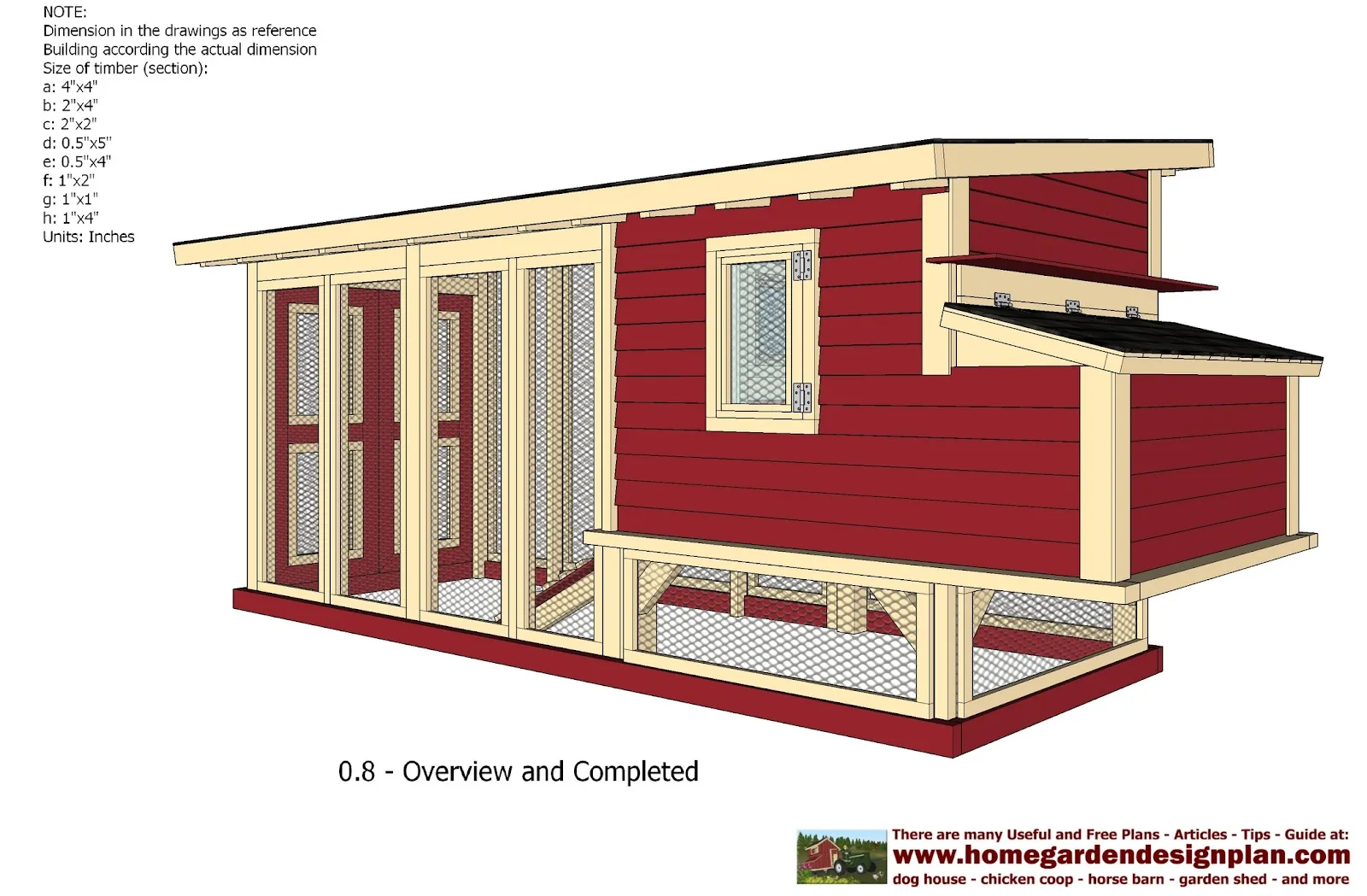
Planning Your Chicken Coop for 6 Chickens
Building a chicken coop is a rewarding project that allows you to provide a safe and comfortable home for your feathered friends. Planning is the most crucial step in this process, ensuring the coop meets the needs of both your chickens and your local environment. A well-designed coop will not only protect your chickens from predators and the elements but also make daily chores easier for you. This comprehensive guide will walk you through every step of creating the perfect chicken coop plan tailored for six chickens, from determining the necessary space to selecting the right materials and construction techniques.
Determining Coop Size Requirements
The size of your chicken coop is paramount to the health and happiness of your flock. Overcrowding leads to stress, increased disease risk, and behavioral issues like feather pecking. Providing adequate space is essential for their well-being. Proper space also affects the ease of cleaning and the overall hygiene of the coop. Careful consideration of space needs will ensure a thriving flock.
Calculating Square Footage

A general rule of thumb is to provide at least 4 square feet of floor space per chicken inside the coop. For six chickens, this translates to a minimum of 24 square feet. This allows ample room for movement, feeding, and roosting. When determining the dimensions of your coop, consider a rectangular shape to maximize usable space. A rectangular design is often simpler to build and allows for better organization of internal components like roosting bars and nesting boxes. Remember to factor in the height of the coop, ensuring it is tall enough for you to comfortably stand and perform cleaning and maintenance tasks.
Considering Roosting Space
Chickens need roosting bars to sleep comfortably at night. Provide at least 8-10 inches of roosting space per chicken. Position the roosting bars higher than the nesting boxes to encourage the chickens to sleep on them. The roosting bars should be made of a material that is easy to clean. This helps to prevent the spread of mites and other parasites. It is also good to consider how easy it is to remove and clean.
Nesting Box Essentials
Plan for at least one nesting box for every three to four hens. Nesting boxes should be approximately 12x12 inches and placed in a dark, quiet area of the coop. Ensure the boxes are easily accessible for egg collection. Provide comfortable bedding such as straw, wood shavings, or pine needles. The bedding needs to be clean and changed regularly to maintain hygiene and encourage egg-laying. Proper nesting boxes are essential for the hens’ health and egg production.
Essential Coop Design Features

Beyond the basic dimensions, certain design features significantly enhance the functionality and security of your coop. These elements contribute to the overall well-being of your flock, making your coop both user-friendly and safe. The design impacts the ease of cleaning, the protection against predators, and the overall comfort of your chickens. A well-designed coop protects the chickens from both the weather and outside threats.
Choosing the Right Materials
Selecting the right materials is crucial for the longevity and safety of your chicken coop. The materials you choose will impact the coop’s ability to withstand weather conditions, deter predators, and provide a healthy environment for your chickens. Consider durability, weather resistance, and the ease of maintenance when making your selections. Proper choices help to create a secure and long-lasting home for your flock, providing protection against the elements and predators.
Wood Options
Wood is a popular choice for coop construction due to its workability and aesthetic appeal. However, select wood that is rot-resistant, such as cedar or redwood. Pressure-treated lumber can also be used, but ensure it’s safe for animal contact. Avoid using chemically treated wood, which can be harmful to chickens. Ensure the wood is smooth and free of splinters to prevent injury to the chickens. Proper wood selection ensures the coop will last.
Metal Roofing

Metal roofing provides excellent protection against the elements and is relatively easy to install. Choose a durable metal such as steel or aluminum. Ensure proper ventilation to prevent moisture buildup, which can lead to mold and mildew. Metal roofs can reflect sunlight, helping to regulate the coop’s temperature, keeping it cooler in summer. Metal roofing is more resistant to fire and pests than other materials.
Essential Components of a Chicken Coop
Several essential components are crucial for creating a functional and comfortable chicken coop. The inclusion of these elements ensures the health, safety, and happiness of your chickens. Careful planning and installation of these parts are key to a successful coop. The correct components create a well-functioning coop that makes the chickens happy.
Roosting Bars
Roosting bars are essential for providing a place for chickens to sleep comfortably at night. Position the bars at a height that allows the chickens to easily access them, typically several feet above the ground. Ensure the bars are made of a sturdy material that can support the weight of the chickens. Provide enough roosting space for all your chickens. The positioning of the roosting bars is important to reduce potential for parasites to spread.
Nesting Boxes

Nesting boxes are designed to provide a safe and private space for hens to lay their eggs. Position the boxes in a darker, quieter area of the coop away from the main activity. Ensure the boxes are easily accessible for egg collection. Nesting boxes need to be constructed with material that is easily cleaned. The size and placement of nesting boxes are important to encourage egg production.
Ventilation Systems
Proper ventilation is critical to remove ammonia, moisture, and stale air from the coop. Install vents near the roof to allow for the escape of warm, moist air. Ensure that the vents are protected from rain and predators. Proper ventilation prevents the buildup of harmful gases and reduces the risk of respiratory illnesses. The size and placement of vents is important for the proper functioning of the coop.
Building the Chicken Coop
With a well-defined plan and the right materials, building the coop is the next exciting step. A careful and methodical approach ensures a sturdy, safe, and durable structure. Following a step-by-step guide minimizes errors and creates a strong coop. Always prioritize safety throughout the construction process. It will save time and materials if you follow the building plan closely.
Step-by-Step Construction Guide

This step-by-step guide will walk you through the entire construction process, from site preparation to the final touches. Each step is important in building the coop. Careful attention to detail is essential for ensuring that your coop is safe, secure, and comfortable for your chickens. Preparing everything beforehand allows you to move through the build efficiently. The following steps outline a typical construction process. Always consult local building codes.
Preparing the Site
Choose a level location that is well-drained and protected from harsh weather conditions. Clear the area of any debris and vegetation. Level the ground to ensure a stable foundation for your coop. Consider building a concrete slab or laying gravel for the base to deter pests and rodents. Proper site preparation is crucial to the longevity of the coop. Proper site preparation helps protect the coop.
Building the Frame
Construct the frame using sturdy lumber, ensuring all corners are square and the frame is level. Use screws or nails appropriate for the chosen wood. The frame provides the structural support for the entire coop, so it’s critical to build it correctly. The frame needs to be built with precision. Make sure all measurements are accurate.
Adding Walls and Roofing

Attach the walls to the frame, using appropriate fasteners for the material. Install the roofing material, ensuring it is securely fastened and watertight. Overlap the roofing material to prevent leaks. Accurate measurements are important when constructing the walls and roof to provide a secure shelter. Check the roof to ensure that it is properly attached.
Installing Doors and Windows
Install doors and windows, ensuring they fit properly and are easy to open and close. Use hardware that is durable and weather-resistant. Consider adding a ramp to the door for easy chicken access. Ensure the windows have secure screens to prevent predator entry while providing ventilation. Proper installation of doors and windows contributes to the security of the coop.
Securing the Coop
Securing the coop is essential to protect your chickens from predators. The measures you take will help ensure the safety of your flock. Adequate security will help keep your chickens safe from predators.
Predator-Proofing Techniques
Use hardware cloth with small mesh openings to cover all openings, including windows and vents. Bury hardware cloth around the perimeter of the coop to prevent digging predators from entering. Secure all doors and latches with sturdy locks or latches. Regular inspection of the coop for potential weaknesses is important. Predator-proofing ensures the coop is safe.
Fencing and Run Considerations
Build a secure run attached to the coop to provide your chickens with a safe outdoor space. Use sturdy fencing material, such as hardware cloth or welded wire, and bury it several inches underground to prevent digging. Cover the top of the run with netting or wire to protect against aerial predators. The run needs to be a safe space for the chickens to roam. The run helps keeps the chickens safe from predators.
Maintaining Your Chicken Coop
Regular maintenance will extend the life of your coop and keep your chickens healthy and happy. The care you give the coop contributes to the well-being of your chickens. A routine maintenance schedule helps keep your coop in great condition.
Cleaning and Sanitation
Clean the coop regularly, removing droppings and soiled bedding. Thoroughly clean and disinfect the coop at least twice a year, or more frequently if needed. Use safe, non-toxic cleaning products. Cleaning the coop is essential to prevent the buildup of harmful bacteria and parasites. A clean coop promotes the chickens’ health.
Regular Coop Inspections
Inspect the coop regularly for any signs of damage, wear, or pest infestations. Check the roof for leaks, the walls for any holes, and the hardware for any signs of rust or damage. Address any issues promptly to prevent further problems. Regular inspections help you catch and fix problems quickly.
Preventative Maintenance
Perform preventative maintenance tasks, such as oiling hinges, tightening screws, and resealing any cracks or gaps. Apply a wood preservative to protect the wood from the elements. These tasks extend the life of your coop. Preventative maintenance protects the coop from wear and tear.