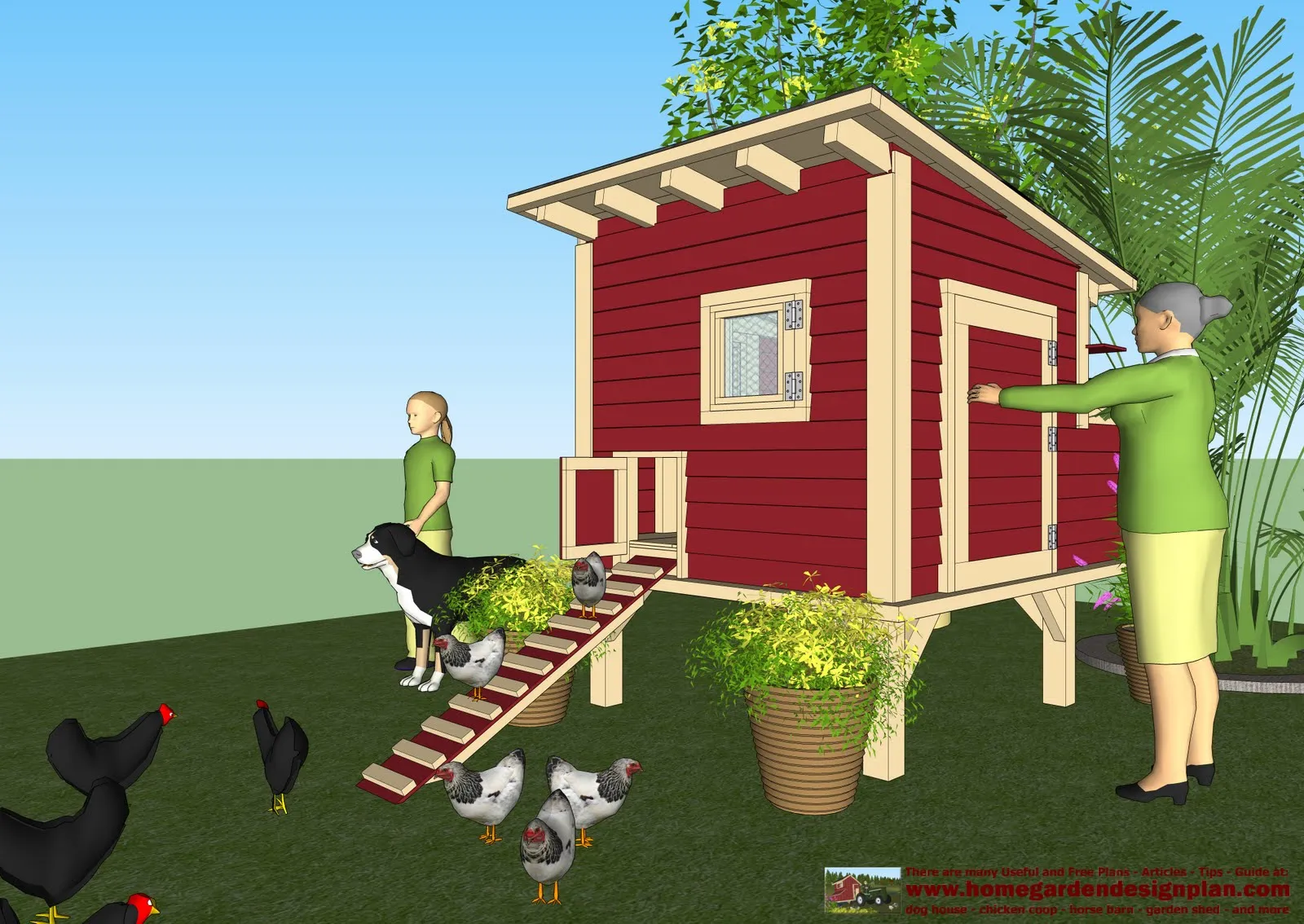
Planning Your 6 Chicken Coop
Building a chicken coop for six chickens is a rewarding project that provides fresh eggs and entertainment. However, successful chicken keeping begins with careful planning. Proper planning ensures the coop meets the needs of your flock, complies with local regulations, and provides a safe and comfortable environment. This initial stage sets the foundation for a hassle-free and enjoyable experience, avoiding potential problems down the line. Before you even begin to think about hammers and nails, take the time to consider all the important aspects that go into a well-designed coop. This will save you time, money, and stress in the long run, and ensure the well-being of your chickens.
Choosing the Right Location for your Coop
The location of your chicken coop is crucial for both the chickens’ well-being and your convenience. The ideal spot balances sunlight, shade, drainage, and accessibility. Consider the prevailing wind direction to minimize odor and ensure proper ventilation. A location that is easily accessible for cleaning, collecting eggs, and providing food and water will make your daily chores much easier. Think about the proximity to your house, as this will influence how often you check on your flock. A well-chosen location promotes the health of your chickens, and streamlines your routine.
Consider Local Zoning Regulations

Before you start building, check your local zoning regulations. Many municipalities have rules regarding chicken coops, including size restrictions, setback requirements from property lines, and limitations on the number of chickens allowed. You may also need to obtain a permit. Ignoring these regulations can lead to fines or the requirement to dismantle your coop. Contact your local planning department or visit their website to obtain this essential information. Researching this information ahead of time saves you from potential legal issues. It is important to note that some homeowners associations (HOAs) also have rules regarding chicken keeping, so it’s wise to check your HOA guidelines as well.
Assess Sunlight and Shade
Chickens need both sunlight and shade. The coop should receive adequate sunlight for warmth and vitamin D production, especially during colder months. However, it’s equally important to provide shade, particularly during the hot summer months, to protect the chickens from overheating. Trees, shrubs, or even strategically placed shade cloth can provide necessary relief. Observing the sunlight patterns throughout the day will help you determine the best location for your coop. A balance of sun and shade ensures your chickens stay healthy and comfortable year-round, leading to better egg production and overall well-being. Avoid direct, full sun exposure all day to prevent heat stress.
Evaluate Drainage and Ground Conditions
Poor drainage can lead to a damp, muddy coop, which is unhealthy for chickens. Chickens are susceptible to respiratory illnesses, and damp conditions can exacerbate these problems. Choose a location with well-draining soil or consider adding drainage solutions such as gravel or a raised foundation. Avoid areas prone to flooding. Also, consider the type of ground. A level surface makes construction easier. If the ground isn’t level, you’ll need to prepare the site, which may involve grading or adding a foundation. Proper drainage and a stable ground base contribute to a clean and healthy environment for your chickens, and extends the life of your coop. This will also deter insects and pests.
Gathering Your Chicken Coop Building Supplies

Once you have a plan and a location, it’s time to gather your supplies. A well-stocked workspace and having all necessary materials before you begin will streamline the building process. Create a comprehensive list of all the materials you need, from wood and hardware to roofing and fencing. This preparation avoids trips to the hardware store mid-project and ensures you have everything you need to get started. This also helps you stick to your budget. Research the best quality materials within your budget to create a coop that will last for years. Prioritize safety by acquiring protective gear like safety glasses and work gloves.
Essential Materials for a 6 Chicken Coop
For a 6-chicken coop, you’ll need a variety of materials. The size of your coop will influence the exact amounts needed, but common components include lumber for the frame, walls, and roof. Choose a durable, weather-resistant wood, such as cedar or pressure-treated lumber. Roofing materials like asphalt shingles or metal sheeting will protect the coop from the elements. You’ll need hardware such as nails, screws, hinges, and latches. Mesh or wire for the run, along with staples or fasteners, are essential for a secure enclosure. Additionally, include materials for nesting boxes, roosting bars, and possibly insulation. Consider the aesthetic appeal by selecting materials that complement your backyard. Refer to your chosen coop plan for a detailed material list. Don’t forget to include items such as chicken wire, screws, and hinges.
Wood Types for Chicken Coops
The choice of wood affects the longevity and durability of your coop. Cedar is a popular choice for its natural resistance to rot and insects, and its appealing fragrance. Pressure-treated lumber is another option, especially for ground contact, offering protection against decay and pests. However, make sure the pressure-treated wood is suitable for animals and is not harmful to your flock. Pine is a more affordable alternative but requires treatment with a sealant or paint to protect it from the elements. Avoid using plywood for the exterior walls, as it may not withstand weathering as well as solid wood. The best wood choices depend on your climate, budget, and the overall aesthetic you desire for your coop. Consider all factors to find the right wood.
Hardware and Fasteners

Quality hardware and fasteners are vital for the structural integrity and longevity of your coop. Use exterior-grade screws and nails, and choose sizes appropriate for the thickness of the wood you are using. Hinges and latches should be sturdy and secure to prevent predators from gaining access. Consider using galvanized or stainless-steel hardware to resist rust and corrosion. Make sure to select hardware that is appropriate for outdoor use and can withstand the elements. Invest in high-quality staples or fasteners for attaching the wire mesh. Proper selection and installation of hardware will ensure the coop is safe, secure, and stands the test of time.
Tools Needed for Construction
The tools you’ll need will depend on the complexity of your chosen chicken coop plans. Essential tools include a saw (circular saw, hand saw, or jigsaw), a drill with various drill bits, a hammer, a measuring tape, a level, and a square. A staple gun is helpful for attaching wire mesh. Safety glasses and work gloves are essential. A screwdriver, pliers, and a utility knife may also be required. For more complex designs, you might need a miter saw or other specialized tools. Having the right tools makes the building process smoother, and more efficient. Make sure to have these on hand before you begin. Ensure all tools are in good working order, and know how to use them safely.
Detailed Step-by-Step Chicken Coop Building Plans
Choosing the right plans is a critical step in the process. There are many free and paid chicken coop plans available online, in books, and at your local hardware store. Select plans that are appropriate for a 6-chicken flock, and that align with your building skills and budget. Look for plans that provide detailed diagrams, clear instructions, and a comprehensive list of materials. Consider the features included in the plans, such as the size of the coop, the presence of a run, the location of nesting boxes and roosting bars, and the ventilation system. Well-designed plans simplify the construction process, saving you time and ensuring a safe and functional coop. Ensure your chosen plans are easily understood, and include all necessary details.
Building the Coop Frame

The frame is the backbone of your coop, so accuracy is key. Start by cutting the lumber to the dimensions specified in your plans. Assemble the frame using screws or nails, ensuring all corners are square. Use a level to make sure the frame is straight and even. Building the frame first allows you to establish the overall structure of the coop. This is the foundation for everything else. Pay attention to the angles and measurements throughout the process. Double-check your work as you go. A sturdy frame will provide a solid foundation for the walls, roof, and other components. The frame should be built on a level surface or foundation.
Constructing the Walls and Roof
Once the frame is complete, you can begin building the walls and roof. Attach the wall panels to the frame, ensuring they are flush and securely fastened. If using individual boards, make sure they are aligned and evenly spaced. The roof can be constructed using rafters and sheathing, followed by the roofing material. Be sure to overhang the roof slightly to protect the walls from rain. Properly installed walls and roof provide weather protection. Ensure the roof has adequate slope for water runoff. Follow the plan’s instructions carefully. Securely attaching the walls and roof keeps your chickens safe and dry. Proper construction also ensures insulation and ventilation. Ensure the roof is properly sealed to avoid leaks.
Creating Secure Doors and Windows
Doors and windows provide access and ventilation. Build doors that are sturdy and easy to open and close. Use secure latches and hinges to prevent predators from entering. Windows should be covered with wire mesh or hardware cloth to allow for ventilation while preventing entry. Place the doors and windows in locations that are convenient for you and provide the chickens with good airflow. Ensure the frames for the doors and windows are square and fit snugly. Securely install all latches and hinges. Weatherproof the doors and windows to protect against drafts and moisture. Proper placement of doors and windows makes cleaning easy and keeps predators out of the coop. Ensure the door is large enough to allow you to access the coop for cleaning.
Building the Chicken Run

A chicken run provides a secure outdoor space for your chickens. The size of the run should be adequate for the number of chickens, allowing enough space for them to move around. Construct the run using sturdy posts and wire mesh or hardware cloth. Bury the wire mesh several inches underground to prevent predators from digging underneath. Ensure the run is securely attached to the coop. Consider adding a roof to the run for shade and protection from the elements. Make sure there is a secure door for you to access the run for cleaning and feeding. Proper planning and secure construction of the chicken run offer your flock a safe outdoor space to exercise and forage, and will help prevent escape and predator access.
Securing the Chicken Run for Predator Protection
Predator protection is a critical aspect of building a chicken run. Bury the wire mesh or hardware cloth underground to prevent digging predators. Use strong, durable mesh and securely attach it to the frame. The mesh should be small enough to prevent predators from reaching through. Cover the top of the run with mesh or wire to protect against aerial predators. Check the run regularly for any weak spots or damage, and repair it immediately. Use secure latches on the doors and gates. Consider adding features like an apron of wire mesh around the perimeter of the run to deter digging. Proper predator protection is essential for the safety and well-being of your chickens and will save you heartache. Regular inspection and maintenance ensure the run remains secure.
Adding Features inside your Coop
The interior design of your coop directly affects the comfort and productivity of your chickens. The coop should include nesting boxes, roosting bars, proper ventilation, and adequate lighting. Creating a comfortable and functional interior encourages chickens to lay eggs, promotes their health, and makes their environment enjoyable. Consider the specific needs of your chickens when designing the interior. Proper features ensure a happy and healthy flock. Ensure easy access for cleaning. Ensure the coop’s design fosters a healthy and stress-free environment. Well-placed features make it easy to gather eggs and maintain the coop.
Nesting Boxes and Roosting Bars

Nesting boxes provide a safe and private place for chickens to lay eggs. Provide one nesting box for every 3-4 hens. The boxes should be a comfortable size, typically around 12x12 inches. Line the boxes with soft bedding such as straw, wood shavings, or hay. Roosting bars offer a place for chickens to sleep at night. Place the bars at a comfortable height, away from the nesting boxes, and provide enough linear space for all the chickens. Ensure the roosting bars are smooth and rounded for comfort. Consider the layout of the nesting boxes and roosting bars for ease of cleaning and egg collection. Well-designed features encourage egg production and improve the chickens’ overall health. Make sure the boxes are in a low-traffic location.
Ventilation and Lighting
Proper ventilation is essential for a healthy coop. It prevents the buildup of ammonia, which can be harmful to chickens. Install vents near the roof to allow for airflow, and ensure the coop has adequate ventilation, but protect it from drafts. Good ventilation reduces the risk of respiratory illnesses. Lighting also affects the chickens’ egg-laying cycle. Provide natural light during the day, and consider adding supplemental lighting during the winter months to encourage egg production. A timer can automate the lighting schedule. Maintain proper airflow to keep the coop cool in the summer and warm in the winter. Proper ventilation and lighting promotes the overall health and productivity of your chickens. Avoid direct exposure to cold drafts.
Maintaining Your Chicken Coop
Maintaining your chicken coop is essential for the health and happiness of your flock. Regular cleaning, predator protection, and general upkeep extend the life of your coop and ensure a safe environment for your chickens. Consistent maintenance prevents disease, deters pests, and helps you to catch issues early. A well-maintained coop provides a comfortable home for your chickens. Routine maintenance requires minimal time and effort. Make a maintenance schedule to make sure everything is in good working order. This will ensure you enjoy raising chickens for years to come.
Cleaning and Hygiene Practices

Regular cleaning is the cornerstone of maintaining a healthy coop. Remove droppings, soiled bedding, and spilled food regularly. Clean and disinfect the nesting boxes, roosting bars, and floors. A deep clean of the entire coop should be done regularly. Use a poultry-safe disinfectant. Change the bedding frequently to keep the coop dry and odor-free. Proper hygiene practices help prevent the spread of diseases and parasites. Provide fresh, clean water and food to your chickens daily. Ensure that the coop is always tidy. Consider a schedule for cleaning to ensure this is done consistently. Regular cleaning is the most important step in keeping your chickens healthy.
Protecting Against Predators
Protecting your chickens from predators is an ongoing process. Inspect the coop and run regularly for any signs of damage or weakness. Repair any holes or weak spots immediately. Ensure that all doors and latches are secure. Consider adding additional predator deterrents such as hardware cloth, electric fencing, or motion-activated lights. Change the bedding regularly to reduce pest infestations. Secure all food storage containers to prevent attracting rodents and other pests. Be aware of the predators in your area and adjust your protection measures accordingly. Consistent vigilance is critical in keeping your chickens safe. Predator protection requires planning and consistent maintenance. Be proactive in your efforts to deter predators.
In conclusion, building a chicken coop for six chickens is a rewarding project that brings fresh eggs and enjoyment to your backyard. Planning, choosing the right location, gathering supplies, and following the detailed instructions provided will ensure that your chickens have a safe and comfortable home. Remember that a well-maintained coop, combined with proper hygiene and predator protection, provides your flock with a healthy and stress-free environment. With your hard work and dedication, your chicken coop will be a successful addition to your home for years to come. Enjoy the process and the fresh eggs!