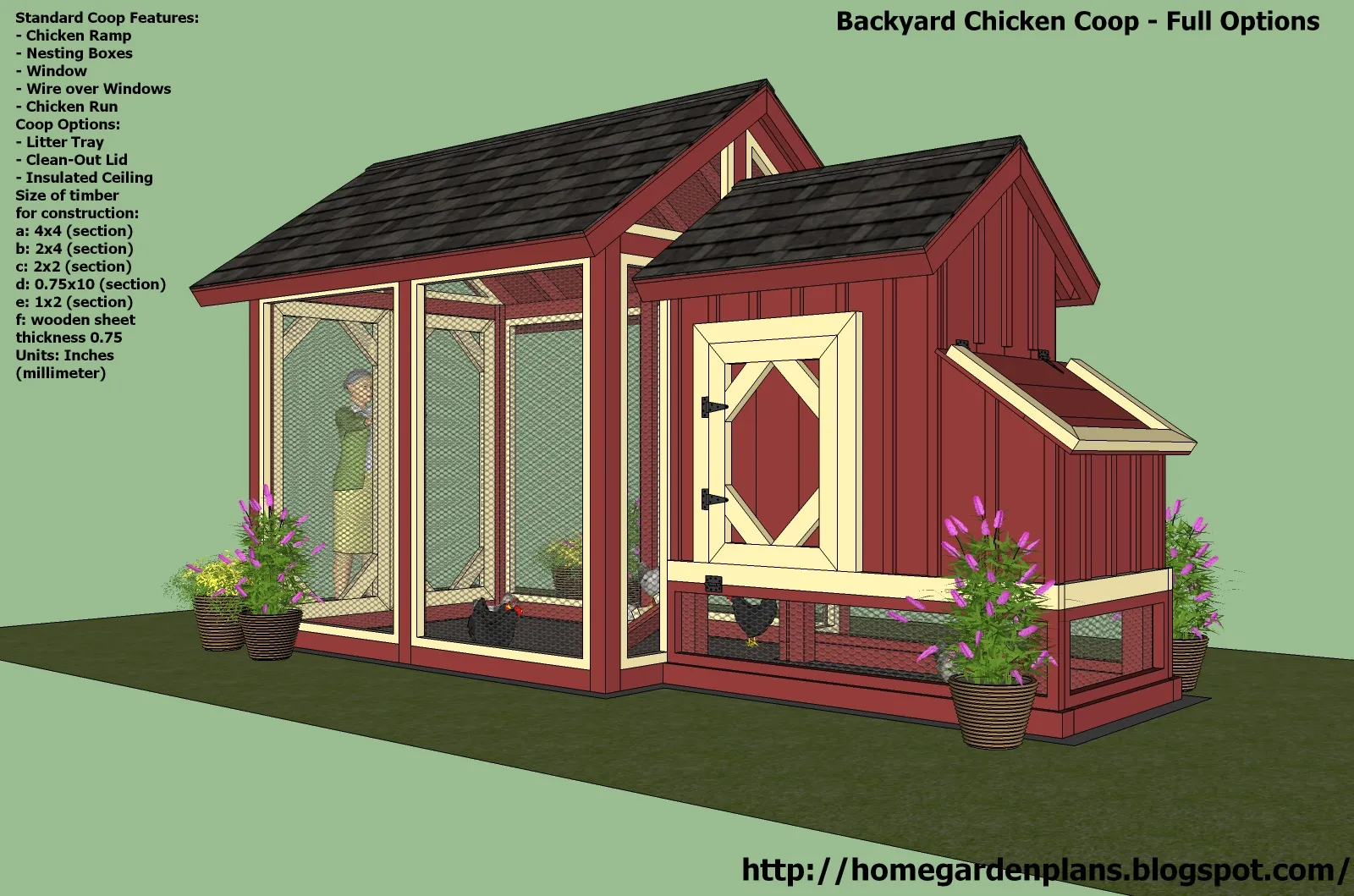
Building a chicken coop for your backyard flock is a rewarding project. Not only does it provide a safe and comfortable home for your chickens, but it also gives you fresh eggs daily. When planning a chicken coop for six chickens, careful consideration should be given to several factors to ensure the health and happiness of your birds. This comprehensive guide provides detailed chicken coop plans and instructions to help you build a functional, durable, and attractive coop. Whether you’re a seasoned DIY enthusiast or a beginner, these plans make the process straightforward and enjoyable. Let’s get started!
Choosing the Right Chicken Coop Plans
Selecting the right chicken coop plans is the first and most crucial step. There are numerous designs available, ranging from simple, prefabricated coops to elaborate, custom-built structures. The best plans align with your needs, skill level, and the specific requirements of your chickens. Consider the space available in your yard, the local climate, and the potential predators in your area. Online resources, DIY blogs, and specialized magazines are excellent sources of inspiration and detailed plans. Ensure the plans include detailed instructions, a comprehensive materials list, and clear diagrams to simplify the building process. Prioritize plans that emphasize ease of maintenance and long-term durability to minimize future effort and expense.
Factors to Consider Before Building
Before diving into the construction, several key factors need careful consideration. First, understand local building codes and regulations, which may influence the coop’s size, placement, and materials. Climate is another important aspect; in hot climates, good ventilation is essential, while cold climates require insulation to protect the chickens from freezing temperatures. Predator protection is paramount; choose plans that incorporate features like buried wire mesh around the perimeter and secure latches on doors and windows. Consider the coop’s location, ensuring it’s accessible for daily chores like feeding and cleaning while being away from potential hazards like power lines or areas prone to flooding.
Size Requirements for 6 Chickens

Proper sizing is critical for the chickens’ well-being. As a general rule, each chicken needs at least 4 square feet of space inside the coop for roosting and nesting, and a minimum of 8-10 square feet per bird in the outdoor run. Therefore, a coop for six chickens should ideally offer at least 24 square feet of interior space. This allows them to move freely, roost comfortably, and avoid overcrowding, which can lead to stress and health issues. The run should provide at least 48-60 square feet. Ensure adequate space for feeders, waterers, and nesting boxes. An appropriately sized coop helps to prevent diseases and maintain a harmonious environment for the flock.
Coop Design Options
Chicken coop designs vary widely, each with its own advantages. Consider the A-frame coop, a simple and portable option ideal for small spaces. Another popular choice is the walk-in coop, which provides ample space for both the chickens and the keeper. Other designs include the traditional coop with a separate run, and integrated coops where the coop and run are combined into a single structure. Select a design that meets your aesthetic preferences and practical needs. Think about the ease of cleaning, ventilation, and access for collecting eggs. Popular design options include shed-style coops, colonial coops, and coops with attached runs, providing flexibility and convenience.
Step-by-Step Guide to Building Your Coop
Once you’ve chosen your plans, follow a step-by-step approach. Precise measurements, careful construction, and attention to detail are key to a successful build. Begin by preparing the site and gathering all the necessary materials and tools. Construction often involves assembling the frame, adding walls and a roof, installing doors and windows, and creating a secure run. Consistent quality control and adherence to the plan’s specifications ensure the coop’s structural integrity. If needed, seek assistance from experienced builders, or consult online resources for guidance.
Gathering Materials

Creating a list of materials is a vital step. The required materials depend on the coop plans you’ve selected, but typically include lumber (for the frame, walls, and roof), hardware (screws, nails, hinges, latches), roofing material (shingles, metal sheets), wire mesh (for the run and ventilation), and any additional features like paint or stain. Purchasing materials from a reputable hardware store ensures quality and durability. Make sure you have all the necessary tools, like a saw, drill, hammer, measuring tape, level, and safety gear such as safety glasses and gloves. Organize your materials as you procure them for easy access during construction.
Building the Coop Frame
The frame is the backbone of your chicken coop. Construct the frame from sturdy lumber, ensuring all joints are square and secure. Start with the base, followed by the walls, and finally the roof frame. Precise cuts and accurate measurements are essential to maintain the structural integrity. Use screws or nails designed for outdoor projects to prevent rust and ensure longevity. Consider adding bracing to the frame for extra stability, particularly in windy locations. Make sure the frame is level before attaching any other elements. Double-check the dimensions throughout the build to match the plan’s requirements.
Adding Walls and Roofing
Once the frame is in place, add the walls and roofing. Use exterior-grade plywood or siding for the walls, ensuring proper sealing and weatherproofing. Overlap the boards for a tight fit. The roof should be constructed with materials that are weather-resistant and provide protection from rain and sunlight. Roofing options include asphalt shingles, metal roofing, or corrugated plastic sheets. Make sure to follow the manufacturer’s instructions for installation to prevent leaks. Proper installation and weatherproofing will protect your coop from the elements and maintain the well-being of your chickens.
Installing Doors and Windows

Doors and windows are important for ventilation, access, and natural light. Install sturdy doors with secure latches to protect against predators. The doors should be easy to open and close. Windows provide natural light and can be covered with wire mesh for added security. Consider adding a small access door for collecting eggs. Windows should have secure fastenings to protect the chickens. Place doors and windows strategically to maximize ventilation and light. Regular inspection of the doors and windows ensures they are in good working order and provide optimal protection.
Creating a Secure Run
A secure run is crucial for the safety of your chickens. Enclose the run with strong wire mesh, burying it several inches underground to prevent predators from digging underneath. Secure the wire mesh to the frame of the coop and the ground. The height of the run should be sufficient to prevent predators from jumping over. Consider adding a roof to the run for added protection from aerial predators. Ensure there are no gaps where predators could enter. The run provides a safe, enclosed area for your chickens to roam and forage, protecting them from outside dangers.
Essential Features for Your Chicken Coop
Beyond basic construction, several features contribute to a functional and comfortable coop. Ventilation, predator protection, and nesting boxes are all essential for a healthy flock. These features not only enhance the chickens’ quality of life but also make it easier for you to care for them.
Ventilation

Proper ventilation is essential to prevent moisture buildup and ammonia fumes, which can harm the chickens’ respiratory systems. Install vents near the roofline to allow air circulation without creating drafts. Avoid excessive ventilation, as drafts can make the chickens cold. Vents should be covered with wire mesh to keep out predators and insects. Ventilation helps to maintain air quality and regulate the coop’s temperature. Check the vents regularly to make sure they remain clear of obstructions like spider webs and debris.
Predator Protection
Predator protection is a primary concern. Use sturdy materials and secure construction to keep out predators such as foxes, raccoons, and coyotes. Bury wire mesh around the perimeter of the run to prevent digging. Secure doors and windows with strong latches. Reinforce weak points with additional hardware. Consider covering the run with netting to protect from birds of prey. Regularly inspect the coop for any signs of damage or potential entry points. Adding motion-activated lights and using predator deterrents like electric fencing can provide additional protection.
Nesting Boxes and Roosting Bars
Provide nesting boxes for laying eggs and roosting bars for resting at night. Nesting boxes should be placed in a dark, secluded area and should be easily accessible for egg collection. One nesting box per 3-4 hens is generally sufficient. Place the roosting bars at a comfortable height and away from the nesting boxes to prevent droppings from soiling the eggs. Nesting boxes should be lined with clean, soft bedding like straw, wood shavings, or hay to ensure comfort. Regular cleaning of nesting boxes prevents the build-up of parasites and diseases.
Maintaining Your Chicken Coop

Regular maintenance is essential to keep your coop clean, safe, and functional. Consistent cleaning and seasonal maintenance help to maintain the coop’s longevity and ensure the chickens’ well-being. Implementing a regular maintenance schedule ensures that your flock stays healthy and the coop remains in great condition. Make these practices a part of your routine for the best results.
Cleaning and Sanitation
Cleaning the coop regularly is vital to prevent the buildup of waste, parasites, and diseases. Remove droppings, soiled bedding, and uneaten food regularly. Clean and disinfect the nesting boxes, roosting bars, and floors at least once a week, or more frequently if necessary. Use a poultry-safe disinfectant to eliminate bacteria and pathogens. Ensure good ventilation to dry out the coop. Avoid using harsh chemicals that could harm the chickens. Replace bedding as needed to provide a clean and healthy environment.
Seasonal Maintenance
Seasonal maintenance helps to prepare the coop for changing weather conditions. In the spring, check for any damage from winter storms and repair as needed. In the summer, provide shade and ensure adequate ventilation. In the fall, prepare the coop for winter by insulating the walls, adding extra bedding, and protecting the coop from drafts. In the winter, regularly remove snow from the roof, and check the water supply to prevent freezing. This seasonal care will ensure the coop’s long-term durability and keep your chickens safe and comfortable throughout the year.
Expanding Your Coop

As your flock grows, you might need to expand your coop. Design your coop with future growth in mind, allowing for easy expansion. Consider adding extra nesting boxes or roosting bars. You could also add a larger run or additional coop space. Ensure that any expansions maintain the safety and comfort of the chickens. Regularly assess the coop’s capacity and plan for expansion as needed.
Building a chicken coop for six chickens is a fulfilling and practical project. By following detailed chicken coop plans, considering essential features like ventilation and predator protection, and maintaining the coop through regular cleaning and seasonal adjustments, you can provide a safe, comfortable, and healthy environment for your flock. Enjoy the fresh eggs and the satisfaction of knowing you’ve created a thriving habitat for your chickens!