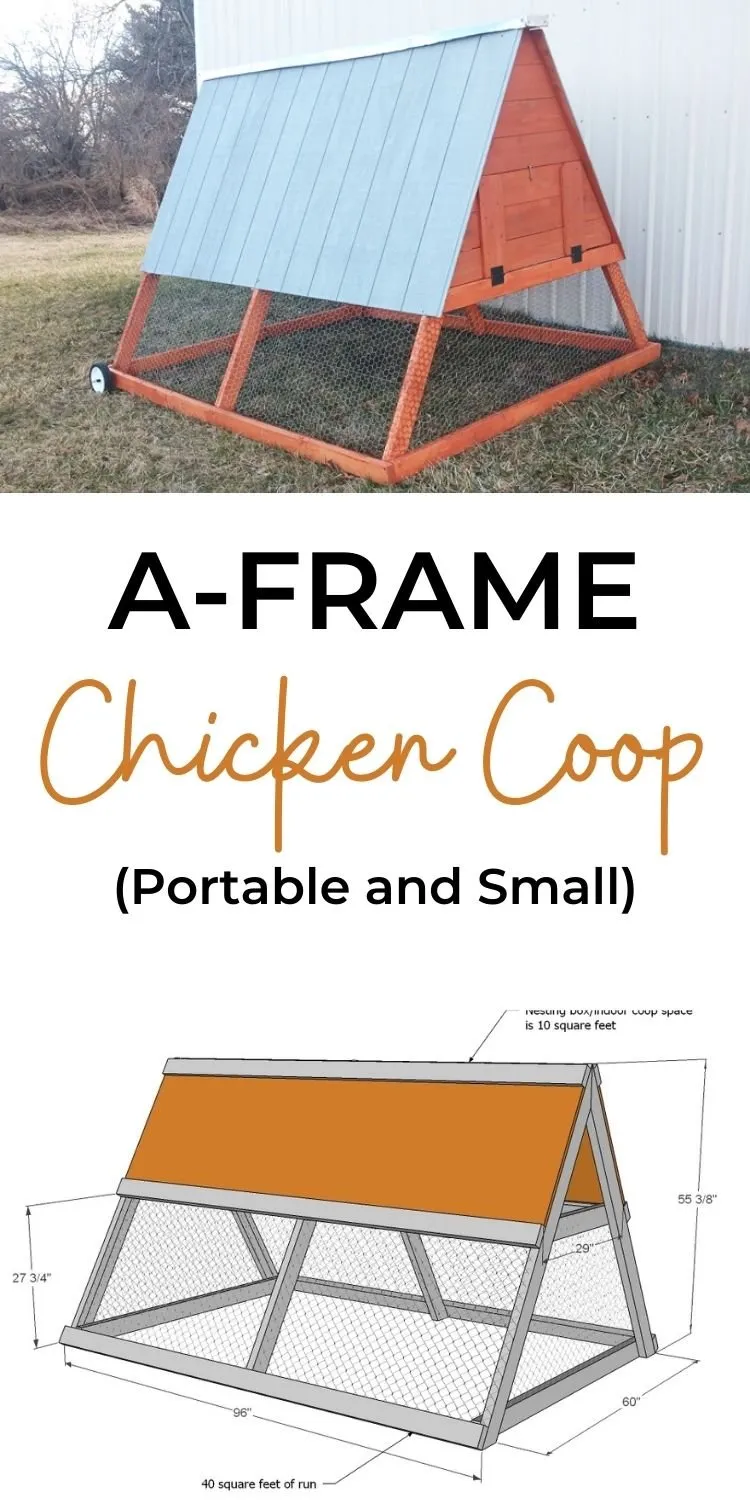
What is an A-Frame Chicken Coop?
An A-frame chicken coop is a distinctive coop design characterized by its triangular shape, resembling the letter ‘A’. This design is popular among chicken keepers due to its simplicity, space efficiency, and often, its ease of construction. The sloping sides of the A-frame coop provide natural weather protection, shedding rain and snow efficiently. This design is especially well-suited for beginner builders and those looking for a compact coop solution for a small flock of chickens. The structure often integrates a built-in run, further enhancing its practicality for backyard chicken keeping. Its unique shape also offers an aesthetically pleasing alternative to traditional rectangular coop designs, blending well into various garden settings. The A-frame design is a blend of functionality and visual appeal.
Benefits of an A-Frame Coop
A-frame chicken coops offer several advantages that make them a favored choice for chicken keepers. These coops are typically more cost-effective to build than larger, more complex designs. The simplicity of the A-frame design often translates to lower material costs and reduced construction time, making it an ideal project for DIY enthusiasts. Moreover, the sloping roof helps in natural drainage of water and snow, prolonging the life of the coop and reducing maintenance requirements. The compact footprint of an A-frame coop allows it to fit comfortably in small backyards, while its integrated run maximizes space utilization. These coops are generally easier to clean and maintain, making them a practical choice for busy chicken keepers.
Easy to Build Design

The simplicity of the A-frame structure simplifies the building process, making it suitable for novice builders. The design typically involves straight cuts and straightforward assembly, reducing the need for specialized tools or advanced carpentry skills. Many A-frame coop plans include detailed instructions and diagrams, guiding builders through each step of the construction process. Pre-cut kits are also available, offering a convenient option for those who prefer to avoid measuring and cutting materials. The ease of construction not only saves time but also reduces the likelihood of errors, resulting in a sturdy and functional coop.
Space Efficiency
A-frame coops are renowned for their space efficiency. Their compact design makes them ideal for small backyards, urban environments, and areas with limited space. The triangular shape effectively utilizes vertical space, allowing for a relatively large interior within a smaller footprint. Many A-frame coops incorporate an integrated run, maximizing the usable area for the chickens. This design feature provides chickens with ample space for foraging, exercising, and enjoying the outdoors while minimizing the coop’s overall footprint. The ability to optimize space makes A-frame coops a practical choice for chicken keepers who want to maximize their garden or yard space.
Choosing the Right A-Frame Coop Plans
Selecting the appropriate A-frame chicken coop plans is essential for ensuring a successful build and a comfortable home for your chickens. Consider the size of your flock and the space available in your backyard. Plans should clearly outline the dimensions, materials needed, and step-by-step instructions. Free online plans are widely available, offering a cost-effective option, but ensure they are reputable and well-detailed. You can also find pre-designed kits that contain all necessary materials and instructions, simplifying the building process. Evaluate the plans based on your building skill level and the features you desire, such as a built-in run, nesting boxes, and easy access for cleaning and maintenance. The best plans will align with your needs and ensure a safe and comfortable environment for your chickens.
Considerations for Your Chickens

When choosing plans, consider the specific needs of your chickens. Ensure the coop provides adequate space per bird, typically 4 square feet inside the coop and 8 square feet in the run. Good ventilation is essential to prevent respiratory issues; plans should include vents or openings for airflow. Insulation is vital for temperature regulation, especially in extreme climates. Consider the ease of access for cleaning, feeding, and collecting eggs. Plans should also address predator protection, incorporating features such as secure latches, strong wire mesh, and buried hardware cloth. A well-designed coop ensures the health, safety, and well-being of your flock.
Size and Capacity
The size and capacity of your A-frame coop should be directly proportional to the size of your flock. Overcrowding can lead to stress, disease, and behavioral issues in chickens. As a general guideline, provide at least 4 square feet of floor space inside the coop per chicken and 8 square feet in the run. When selecting plans, estimate the number of chickens you plan to keep and choose a coop that comfortably accommodates them. Consider future flock expansion and select a coop size that offers some extra space. Ensure the coop is large enough to allow chickens to move freely, roost comfortably, and have access to food and water without overcrowding.
Materials Needed for A-Frame Coop
Gathering the right materials is crucial for a successful A-frame coop build. The choice of materials will influence the coop’s durability, weather resistance, and overall appearance. Wood is a popular choice for its ease of workability and aesthetic appeal, but pressure-treated lumber is recommended for ground contact and the coop’s base to prevent rot. Consider the type of wood, such as cedar or redwood, for their natural resistance to rot and insects. Other essential materials include hardware cloth or wire mesh for the run, roofing materials, and various types of fasteners. Careful selection of materials ensures your coop will withstand the elements and provide a safe haven for your chickens.
Wood

Wood is the primary building material for A-frame coops. When selecting wood, consider factors such as durability, cost, and aesthetic appeal. Pressure-treated lumber is ideal for the coop’s base and any parts in contact with the ground due to its resistance to rot and insects. For the main structure, cedar or redwood are excellent choices, offering natural resistance to the elements and a pleasing appearance. Pine and fir are also viable options, but they may require regular maintenance and treatment to prevent decay. Always choose lumber free from excessive knots or imperfections to ensure structural integrity and ease of construction. The type of wood selected should align with your budget, climate, and aesthetic preferences.
Hardware
Essential hardware for an A-frame coop includes screws, nails, hinges, latches, and wire mesh. Select screws and nails of appropriate size and type for the wood you are using. Exterior-grade screws are recommended for their resistance to weather and rust. Hinges and latches should be sturdy and secure to prevent predators from gaining entry. Use galvanized hardware cloth or wire mesh for the run and any openings to protect against predators. Staples or staples guns can be used to attach the wire mesh. Choose high-quality hardware to ensure the coop’s longevity and security. Hardware should be durable and properly installed to withstand the test of time and weather.
Tools for Building
The tools needed for building an A-frame coop are relatively basic and readily available. Essential tools include a measuring tape, level, saw (circular or hand saw), drill, hammer, screwdriver, and staple gun. A power drill with various drill bits will greatly speed up assembly, as will a circular saw for cutting wood. A level is essential for ensuring the coop’s structure is square and plumb. Safety equipment like safety glasses and work gloves are crucial. Other helpful tools include a stud finder for locating studs and a sander for smoothing rough edges. Having the right tools on hand will make the building process easier, faster, and more enjoyable.
Step-by-Step A-Frame Coop Construction

Constructing an A-frame coop involves several key steps, from framing the structure to adding the finishing touches. Following the plan carefully is essential for a successful build. It is best to start with the base, then build the frame and add walls. The roof comes next, followed by installing doors, windows, and interior features. Each step should be performed methodically, checking for accuracy and squareness along the way. Taking your time during construction ensures a sturdy, functional, and aesthetically pleasing coop that provides a safe and comfortable environment for your chickens.
Framing the Coop
Framing the A-frame coop involves building the skeletal structure of the coop, typically using lumber. Start by cutting the wood according to your plans, ensuring accurate measurements and straight cuts. Assemble the frame using screws, nails, or a combination of both. Make sure that the frame is square and plumb. Reinforce corners and joints for stability. Consider adding a base frame for the coop to raise it slightly off the ground. Proper framing is crucial, as it supports the entire structure and determines its overall strength and durability. A well-framed coop will withstand weather and provide a solid foundation for the rest of the build.
Adding the Walls
Once the frame is complete, add the walls using plywood, wooden planks, or other suitable materials. Attach the wall materials to the frame, ensuring they are securely fastened and flush with the frame. Cut openings for windows and doors. Consider adding insulation to the walls for temperature regulation, particularly in colder climates. Cover the outside of the walls with a weather-resistant material like paint or stain to protect the wood from the elements. The walls provide shelter from wind, rain, and other environmental factors and should be constructed with durability and weather protection in mind.
Roofing and Ventilation

Installing the roof and providing proper ventilation are critical steps in constructing an A-frame coop. Choose a roofing material suitable for the climate, such as asphalt shingles, metal roofing, or corrugated plastic. Attach the roofing material to the frame securely, overlapping the shingles or panels to prevent water infiltration. Adequate ventilation is necessary to prevent moisture buildup and maintain air quality within the coop. Install vents or openings in the roof and walls. Position these openings strategically to ensure proper airflow without creating drafts that could chill the chickens. A well-designed roof and ventilation system will protect your chickens from the elements while promoting their health.
Creating the Chicken Run
Creating a secure chicken run is an essential part of any A-frame coop. Extend the chicken run by attaching hardware cloth or wire mesh to the frame. Ensure the run is constructed with strong wire mesh to keep predators out. Bury the wire mesh several inches underground to prevent digging predators from entering the coop. Include a door to allow easy access to the run for cleaning, feeding, and maintenance. Cover the run with a shade cloth or netting to provide shade and prevent birds of prey. The chicken run allows chickens to safely roam and forage outdoors.
Adding Doors and Windows
Adding doors and windows completes the coop and enhances functionality. Install a secure door that is easy to open and close, and attach a sturdy latch to keep predators out. Windows provide natural light and ventilation. Consider using hinges and latches on the windows. Install a ramp or steps to the coop door to help your chickens enter and exit easily. Use secure hardware on all doors and windows to prevent unwanted entry. Properly placed and constructed doors and windows provide convenient access for you and your chickens while ensuring a safe, protected environment.
Interior Features for Your Coop

Designing the interior of your A-frame coop with key features will enhance your chickens’ comfort and productivity. Include nesting boxes for egg laying, roosting bars for sleeping, and feeders and waterers for easy access to food and water. The proper placement and design of these features optimize the coop space and ensure the chickens’ needs are met. Customize the interior to suit the specific needs and number of chickens you have. Creating a well-designed interior will ensure a happy and healthy flock.
Nesting Boxes
Nesting boxes provide a safe and comfortable place for hens to lay their eggs. Place these boxes in a darkened and sheltered area within the coop. Choose a design that is easy to clean and prevents egg breakage. Line the boxes with soft bedding materials like straw, wood shavings, or shredded paper for comfort. Ensure there is one nesting box for every 3-4 hens. The correct number and placement of nesting boxes are important for both the comfort of the chickens and the ease of egg collection.
Roosting Bars
Roosting bars allow chickens to perch and sleep comfortably at night. Position the roosting bars at a suitable height, typically a few feet above the coop floor. Provide at least 8-12 inches of roosting space per chicken. The roosting bars should be made of smooth, sturdy material, such as rounded wooden dowels or branches. Place the roosting bars away from nesting boxes to prevent droppings from contaminating the eggs. Adequate roosting space allows chickens to sleep soundly, which is essential for their well-being.
Water and Feeders

Strategically place feeders and waterers inside the coop to make them easily accessible. Select feeders and waterers suitable for the size of your flock, considering both capacity and design. Choose feeders that prevent food from spilling and waterers that keep the water clean and fresh. Place the feeders and waterers in a location that is convenient for the chickens but doesn’t take up too much space. Regular cleaning of both the feeders and waterers is essential to prevent the spread of disease. Providing fresh water and food is crucial for the health and productivity of your chickens.
Maintenance and Care of Your A-Frame Coop
Proper maintenance and care are essential for keeping your A-frame coop in good condition and ensuring the health and well-being of your chickens. This includes regular cleaning, sanitation, and predator protection. Consistent maintenance extends the life of the coop, prevents disease, and provides a safe and comfortable environment for your flock. Regular inspections and proactive maintenance are vital for a successful chicken-keeping experience.
Cleaning and Sanitation
Regular cleaning and sanitation are critical for preventing the build-up of harmful bacteria, parasites, and odors in your A-frame coop. Remove droppings and soiled bedding regularly. Wash the coop interior at least once a month. Use a poultry-safe disinfectant. Replace the bedding materials frequently, such as straw or wood shavings, to maintain cleanliness. Keeping the coop clean and sanitized protects your chickens from disease, keeps the coop free from unpleasant odors, and promotes a healthy environment for your chickens.
Protecting from Predators
Protecting your chickens from predators is an essential aspect of responsible chicken keeping. Reinforce the coop with sturdy materials, secure latches, and hardware cloth or wire mesh on all openings. Inspect the coop regularly for any signs of damage or potential entry points for predators. Bury hardware cloth or wire mesh around the perimeter of the run to prevent digging. Consider additional predator deterrents, such as electric fencing or motion-activated lights. Predator protection ensures that your chickens are safe from harm.
Final Thoughts on A-Frame Coop Plans
Building an A-frame chicken coop can be a rewarding project for beginner DIY enthusiasts. The simplicity of the design, coupled with its space efficiency and attractive appearance, makes it a practical and aesthetically pleasing addition to any backyard. Choosing the right plans, selecting durable materials, and following the construction steps carefully will ensure a successful build. Regular maintenance, proper sanitation, and predator protection are crucial for maintaining a healthy and safe environment for your chickens. By following these guidelines, you can create a functional, attractive, and safe coop. With some planning, the right materials, and a bit of effort, you can create a wonderful home for your flock. The experience of building and maintaining your own A-frame coop adds a unique sense of satisfaction and contributes to the joy of chicken keeping.