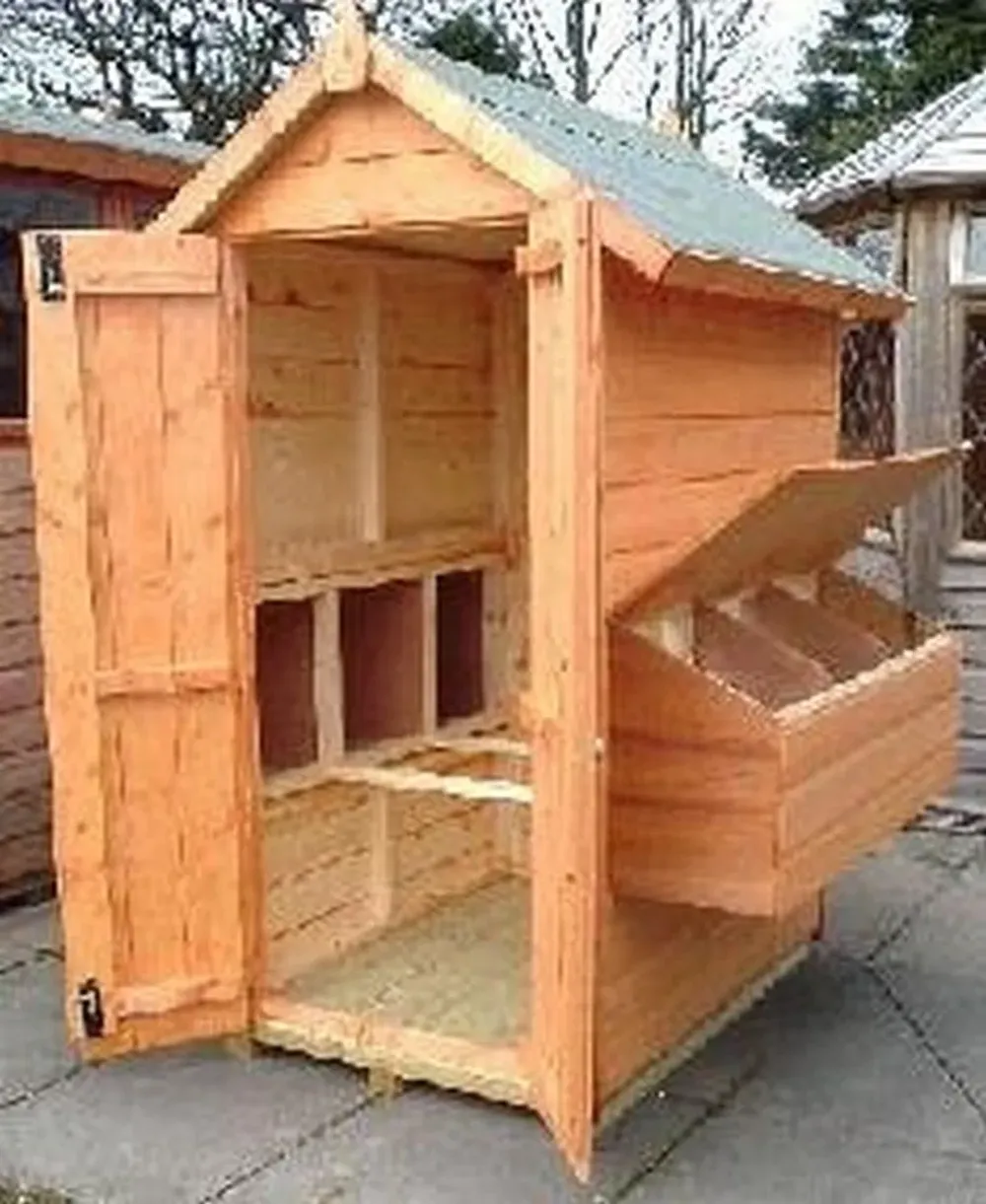
Planning Your Chicken Coop for 12 Chickens
Embarking on the journey of building a chicken coop for 12 chickens is an exciting endeavor for any aspiring poultry keeper. Proper planning is paramount to ensure the health, safety, and happiness of your flock. This guide offers comprehensive chicken coop plans, providing you with the knowledge and resources to construct a secure, comfortable, and functional coop. Before you even start, think about location, local ordinances, and the specific needs of your chickens. Consider factors such as sunlight exposure, prevailing winds, and ease of access for cleaning and maintenance. A well-planned coop minimizes your workload and maximizes the well-being of your chickens, leading to a rewarding experience of fresh eggs and the joys of backyard chicken keeping. With careful preparation, your flock will thrive.
Determining Coop Size and Dimensions
The size of your chicken coop is a critical factor directly impacting the comfort and health of your chickens. Overcrowding can lead to stress, increased disease transmission, and decreased egg production. As a general guideline, aim for a minimum of 4 square feet of floor space per chicken inside the coop. For a flock of 12 chickens, this translates to a coop floor area of at least 48 square feet. However, providing more space is always preferable, especially if you plan to introduce new chickens in the future or want to accommodate larger breeds. Besides floor space, consider the height of the coop; ensure there’s enough headroom for you to comfortably move around while cleaning and maintaining the coop. Consider ventilation needs and ease of access for cleaning. The dimensions also affect the design, so consider the space and how you’ll integrate a run.
Calculating Space Requirements

Beyond the basic floor space, factor in the space needed for essential features within the coop. Nesting boxes, where hens lay their eggs, should be sized appropriately, with one nesting box typically sufficient for every 3-4 hens. Each nesting box should be around 12x12 inches. Roosting bars, where chickens sleep at night, require approximately 8-12 inches of linear space per chicken. Provide ample roosting space and consider the placement to optimize airflow and prevent overcrowding. Think about the layout, and how to effectively utilize the available space. Good planning at this stage ensures a comfortable environment for your chickens.
Coop Height and Layout Considerations
The height of your coop is just as crucial as the floor space. A taller coop is easier to clean and maintain, and it provides better ventilation. A minimum height of 6 feet is recommended, allowing you to stand comfortably while working inside. Consider the layout of the coop interior. Ensure the roosting bars are positioned away from the nesting boxes to prevent droppings from contaminating the eggs. Design a layout that allows easy access to all areas for cleaning, feeding, and watering. Consider where the door will be located, and how it will impact your ability to access the coop. Effective planning leads to a more functional and efficient coop design, making chicken keeping a breeze.
Essential Materials for Your Chicken Coop
Selecting the right materials is fundamental to building a durable and secure chicken coop. The materials you choose directly impact the longevity of your coop and the safety of your flock. Prioritize materials that are weather-resistant, predator-proof, and easy to clean. A well-constructed coop made from quality materials will withstand the elements and protect your chickens from predators. Think of the cost, as well, but balance this with the benefit of using good materials.
Wood Selection and Durability

Wood is a popular choice for chicken coop construction due to its workability and availability. Choose wood that is naturally resistant to rot and insect infestation, such as cedar, redwood, or pressure-treated lumber. Avoid using wood treated with harmful chemicals that could be toxic to your chickens. Ensure the wood is smooth and free of splinters. Consider using exterior-grade plywood for the walls and roof, ensuring they are properly sealed and protected. The correct wood selection ensures a coop that can last for years to come, providing a safe haven for your chickens.
Hardware and Fasteners
Using the correct hardware and fasteners is crucial for the structural integrity of your coop. Use galvanized screws, nails, and hinges to prevent rust and corrosion. Choose heavy-duty hardware for doors, windows, and latches to deter predators. Consider using hardware cloth with small mesh sizes to reinforce the coop walls and prevent predators from entering. Ensure all joints are securely fastened, providing stability and protection against the weather. Properly selected hardware ensures the safety and longevity of your coop.
Roofing Options and Protection
The roof of your chicken coop protects your chickens from the elements. Select a roofing material that is durable, waterproof, and easy to install. Common roofing options include asphalt shingles, corrugated metal, and wood shakes. Ensure the roof overhangs the coop walls to provide extra protection from rain and sun. Proper ventilation is essential, so incorporate vents or a ridge vent to allow for airflow and prevent moisture buildup. The right roofing material protects your chickens, as well as extending the life of your coop.
Constructing the Coop Step-by-Step

Building a chicken coop involves a series of steps, from preparing the site to adding the finishing touches. Following a detailed plan, you’ll create a functional and safe home for your chickens. The step-by-step construction guide breaks down the process, making it manageable for DIY enthusiasts of all skill levels. Careful attention to detail in each step is essential for a successful outcome.
Building the Foundation and Frame
Start by preparing the site for your coop, ensuring it’s level and well-drained. Build a sturdy foundation using concrete blocks, pressure-treated lumber, or a concrete slab. Construct the frame of the coop using the chosen wood, ensuring all corners are square and the frame is plumb. Attach the frame securely to the foundation, using appropriate fasteners. This initial structure creates the skeleton of your coop.
Adding Walls, Doors, and Windows
Once the frame is complete, install the walls using plywood, siding, or other chosen materials. Ensure the walls are securely attached to the frame. Cut openings for doors and windows, and frame these openings with lumber. Build and install the doors and windows, ensuring they fit snugly and provide adequate ventilation and access. Secure all windows and doors. At this step the coop is taking shape.
Creating Nesting Boxes and Roosts

Construct nesting boxes and roosting bars within the coop. Place the nesting boxes in a quiet, dimly lit area, and ensure they are easily accessible for egg collection. Build roosting bars from sturdy lumber, and position them at different heights to accommodate the chickens. Ensure the roosting bars are comfortable and provide enough space for all your chickens. Proper placement will ensure the comfort of the chickens and make egg collection easier.
Ensuring Ventilation and Airflow
Proper ventilation is crucial for maintaining the health of your chickens. Good airflow prevents the build-up of ammonia from droppings and reduces the risk of respiratory illnesses. Design your coop with adequate ventilation to promote air circulation and regulate temperature and humidity levels.
Proper Ventilation Design
Install vents at the top and bottom of the coop walls to allow for cross-ventilation. Consider adding a ridge vent along the roofline to facilitate air movement. Ensure the ventilation system is designed to prevent drafts, which can be detrimental to your chickens’ health. Using a combination of vents and exhaust fans can create a comfortable environment for your chickens. Good ventilation is essential for maintaining a healthy coop environment.
Managing Temperature and Humidity

Ventilation helps regulate the temperature and humidity levels inside the coop. In hot climates, provide shade and consider using fans to keep the coop cool. In cold climates, insulate the coop walls and roof to retain heat and prevent drafts. Monitor the humidity levels and ensure they are within the appropriate range to prevent the growth of mold and bacteria. Maintaining the right temperature and humidity levels ensures the comfort and well-being of your chickens.
Securing Your Coop Against Predators
Protecting your chickens from predators is a critical aspect of coop construction. Predators can pose a significant threat to your flock, causing injury or even death. Implement robust predator-proofing measures to safeguard your chickens. This will also bring you peace of mind.
Choosing the Right Predator-Proofing Measures
Identify the common predators in your area, and choose predator-proofing measures accordingly. Consider using hardware cloth with small mesh sizes to cover all openings and prevent predators from entering. Bury hardware cloth around the perimeter of the coop to prevent digging predators from gaining access. Install secure latches and locks on doors and windows. Additional measures, such as electric fencing, can be considered. The right measures depend on your location and local predators.
Reinforcing the Coop Structure

Reinforce the coop structure to make it more resistant to predators. Use sturdy materials for the frame, walls, and roof. Secure all joints and connections with heavy-duty hardware. Regularly inspect the coop for any weak points or damage, and make repairs immediately. A well-reinforced coop provides the best protection for your chickens. Consider how you build the run as well, which is also a good layer of defense.
Integrating a Chicken Run
Integrating a chicken run provides your chickens with a safe and secure outdoor space to roam and forage. A well-designed run can also enhance the overall aesthetics of your backyard. This extension of the coop allows your chickens to enjoy fresh air and sunlight while staying protected from predators.
Designing Your Chicken Run
Design your chicken run to be spacious enough for your flock to move around comfortably. Aim for a minimum of 8-10 square feet per chicken within the run. Consider the shape and layout of the run, and incorporate features such as roosting bars, dust bathing areas, and shade. Position the run in a location that receives adequate sunlight and is protected from harsh weather conditions. Designing a functional run will add to the chickens’ overall well-being.
Run Materials and Security
Construct the run using durable and predator-proof materials. Use sturdy posts and hardware cloth with small mesh sizes to enclose the run. Bury hardware cloth around the perimeter of the run to prevent digging predators from entering. Install a secure gate and ensure all openings are properly sealed. Regular inspections of the run will help ensure it is secure. A well-designed and secure run is essential for protecting your chickens.
Maintaining and Cleaning Your Chicken Coop
Regular maintenance and cleaning are essential for maintaining a healthy and hygienic environment for your chickens. By following a consistent schedule, you can prevent the build-up of harmful bacteria, odors, and pests.
Regular Cleaning and Maintenance Schedule
Establish a regular cleaning schedule to keep your coop in top condition. Clean the coop at least once a week, or more frequently if necessary. Remove droppings from roosting bars, nesting boxes, and the coop floor. Replace soiled bedding in nesting boxes regularly. Wash and disinfect all surfaces, including feeders, waterers, and roosting bars. Regular maintenance is essential.
Preventing Common Chicken Coop Problems
Address potential problems promptly to prevent them from escalating. Regularly inspect the coop for signs of pests, such as mites, lice, and rodents. Take preventive measures, such as using diatomaceous earth or other natural pest control methods. Provide adequate ventilation to prevent the build-up of moisture and ammonia. Monitor your chickens for signs of illness, and address any health issues promptly. Proactive maintenance ensures a healthy environment for your chickens.
Final Thoughts on Chicken Coop Plans
Building a chicken coop for 12 chickens is a rewarding project that provides fresh eggs and the satisfaction of raising your own flock. By following these comprehensive chicken coop plans and guidelines, you can create a safe, comfortable, and functional home for your chickens. Remember to prioritize planning, choose the right materials, and ensure the coop is well-ventilated and predator-proof. Regular maintenance and cleaning will help keep your coop in top condition, ensuring the health and happiness of your flock. With careful planning and execution, you can enjoy the benefits of backyard chicken keeping for years to come.