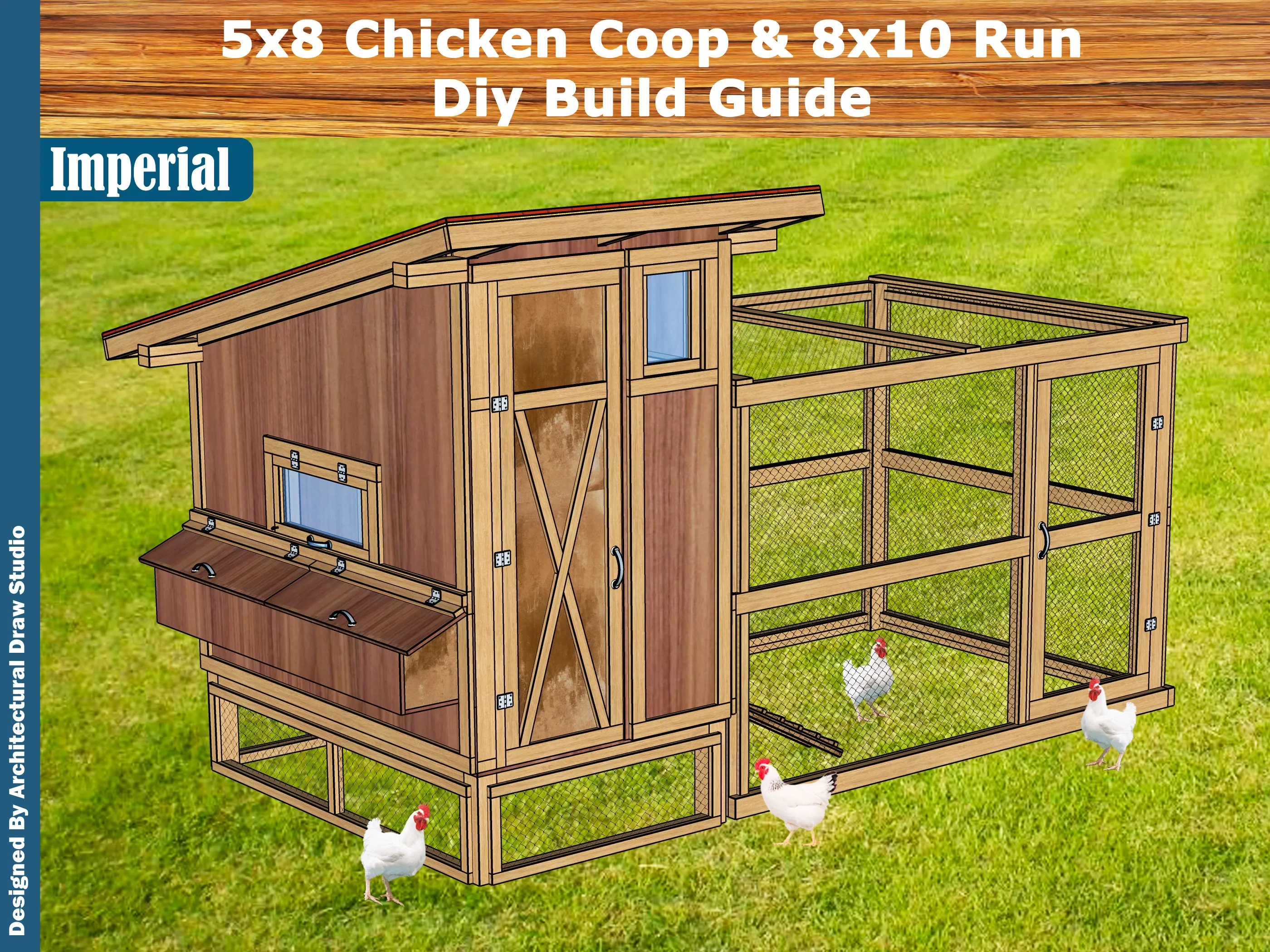
Choosing the Right Chicken Coop
Embarking on the journey of raising chickens is an exciting endeavor, and a well-designed chicken coop is fundamental to your flock’s health, safety, and happiness. Finding the perfect coop can be a daunting task, with numerous designs, sizes, and materials available. Fortunately, with the abundance of free chicken coop plans readily accessible, you can design and build a coop tailored to your specific needs and preferences. This article explores the critical aspects of selecting the right chicken coop, from assessing your space requirements and understanding local regulations to choosing the appropriate materials and tools. By considering these factors, you’ll be well-equipped to select a coop plan that suits your backyard, your chickens, and your budget. A proper coop provides shelter from the elements, protection from predators, and a comfortable living space for your feathered friends. Choosing the right coop is the first step towards successful chicken keeping.
Considerations Before You Build
Before diving into construction, it’s crucial to address several essential considerations. These factors will significantly influence the design, size, and location of your coop, ensuring it meets your chickens’ needs and complies with local regulations. Failing to consider these elements can lead to costly mistakes and potential issues down the line. Therefore, take your time to carefully evaluate these key aspects before committing to a specific chicken coop plan. The following points will help guide you through the decision-making process, setting you up for a successful and enjoyable chicken-keeping experience. Proper planning ensures the project goes smoothly and provides a secure and comfortable home for your chickens.
Space Requirements

The amount of space you provide for your chickens is paramount to their well-being. Overcrowding can lead to stress, disease, and behavioral issues, such as feather pecking and aggression. The general rule of thumb is to allow a minimum of 4 square feet of floor space per chicken inside the coop and 8-10 square feet per chicken in the outdoor run. However, this can vary based on the breed, climate, and your chickens’ activity levels. Consider how many chickens you plan to house and how much time they will spend inside the coop versus outside in a run or free-ranging. Providing ample space encourages natural behaviors, reduces stress, and helps maintain a cleaner, healthier environment for your flock. Before finalizing your plans, carefully calculate the required space and choose a coop plan that meets or exceeds these recommendations. Remember that providing too much space is always better than providing too little, ensuring your chickens’ comfort and contentment.
Include a picture: Consider the space requirements for your chickens. (chicken-coop-space-requirements.webp)
Local Regulations and Guidelines
Before you even begin to build, familiarize yourself with local ordinances and homeowner association (HOA) guidelines. Many cities and municipalities have specific regulations regarding chicken keeping, including the number of chickens allowed, coop size restrictions, setback requirements, and permitted breeds. Ignoring these regulations can result in fines, or even the forced removal of your coop and chickens. Research local ordinances by checking your city or county’s website or contacting your local planning department. If you belong to a homeowner association, review its rules and regulations to ensure chicken keeping is permitted and to understand any specific guidelines. Obtain any necessary permits before starting construction. This due diligence will prevent potential legal issues and ensure your coop project complies with all applicable rules.
Material Selection
Choosing the right materials is crucial for the longevity, durability, and safety of your chicken coop. The materials you select will impact the cost, ease of construction, and the coop’s ability to withstand weather conditions and deter predators. Opt for durable, weather-resistant materials that are non-toxic and safe for chickens. Pressure-treated lumber is a popular choice for the frame and structural components due to its resistance to rot and pests. For the walls and roof, consider using materials such as plywood, oriented strand board (OSB), or corrugated metal. Ensure all materials are free of sharp edges, splinters, and any chemicals that could harm your chickens. A well-built coop using quality materials will protect your flock from the elements and predators, ensuring they stay healthy and safe for years to come. Think about sustainability and using recycled materials where possible.
Include a picture: Consider the right materials for your chicken coop. (chicken-coop-material-selection.webp)
Wood vs. Other Materials

Wood is the traditional choice for chicken coop construction, offering a natural look and relative ease of workability. It’s readily available and can be easily customized to fit various designs. However, wood can be susceptible to rot, pests, and requires regular maintenance. Consider using rot-resistant wood types like cedar or redwood, or pressure-treated lumber. Alternatively, consider materials such as metal or plastic. Metal coops are very durable and predator-resistant, but can be more expensive and may require more advanced construction skills. Plastic coops are lightweight, easy to clean, and resistant to the elements, but might not offer the same level of insulation as wood. Weigh the pros and cons of each material based on your budget, skill level, and local climate to determine the best option for your coop.
Essential Tools and Equipment
Before you start building, gather all the necessary tools and equipment. The specific tools you’ll need will depend on the complexity of your chosen chicken coop plan, but some essential items include a saw (circular, hand, or reciprocating), drill, screwdriver, measuring tape, level, hammer, and safety glasses. You might also need a staple gun, wire cutters, and a shovel, depending on the plan. Make sure your tools are in good working condition and that you have all the necessary safety equipment, such as gloves and eye protection. Having the right tools will make the construction process smoother, safer, and more efficient. Consider renting any specialized tools you may not own. Proper preparation will ensure you have everything you need at your fingertips, and avoid unnecessary trips to the hardware store.
Include a picture: Ensure you have the essential tools for the chicken coop build. (chicken-coop-tools.webp)
The Top 5 Free Chicken Coop Plans
Now that you’ve considered the essential factors, let’s dive into five free chicken coop plans, perfect for aspiring chicken keepers. These plans vary in design, complexity, and size, catering to different needs and skill levels. From simple, beginner-friendly designs to more elaborate structures, these plans offer a wealth of options for building your own chicken coop without breaking the bank. The beauty of these plans is their accessibility; you can usually find detailed instructions, material lists, and even video tutorials online, guiding you through every step of the construction process. Let’s explore these fantastic free resources and find the perfect plan for your backyard flock.
Plan 1 The Basic Coop

The basic coop is a straightforward, easy-to-build design perfect for beginners. It typically features a simple rectangular or square structure with a sloped roof. The plan includes a nesting box, a roosting bar, and a small run area. This design is ideal for a small flock of 2-4 chickens, and its simplicity makes it an excellent option for those new to chicken keeping or those with limited space. Many free plans for basic coops are available online, offering detailed instructions, cut lists, and diagrams. This plan usually requires basic carpentry skills and readily available materials. Its simplicity allows you to customize it to your preferences and available resources.
Include a picture: Example of a basic chicken coop. (basic-chicken-coop-plan.webp)
Plan 2 The A-Frame Coop
The A-frame coop offers a charming and space-efficient design. Its triangular shape provides a sturdy structure and is aesthetically pleasing. This design is often portable, making it ideal for free-ranging chickens or those who want to move their coop around the yard to fertilize different areas. A-frame coops typically include a nesting box and roosting bar, and the sloped roof helps with rain runoff. These plans may involve slightly more complex cuts and angles than the basic coop, but are still manageable for DIY enthusiasts. The A-frame design is a great blend of functionality and style. It’s often easier to move compared to larger, more permanent coops.
Include a picture: An A-frame chicken coop design. (a-frame-chicken-coop.webp)
Plan 3 The Portable Coop
A portable coop, also known as a chicken tractor, is designed for mobility. This allows you to move your chickens around your yard, providing them with fresh foraging opportunities and helping to fertilize your lawn. These coops often feature wheels or skids for easy movement and are generally smaller in size, making them suitable for a small flock. Portable coops typically have a covered area for shelter and a wire-enclosed run for protection. They can be particularly beneficial for pest control, as chickens can consume insects and weed seeds in different parts of the yard. This design is a great choice if you want to integrate your chickens into your gardening practices.
Include a picture: A portable chicken coop or chicken tractor. (portable-chicken-coop.webp)
Plan 4 The Large Coop

If you’re planning to raise a larger flock, a larger coop is essential. These plans accommodate a greater number of chickens, offering more space for movement and roosting. Large coop designs often include multiple nesting boxes, larger runs, and may incorporate features like automatic doors or ventilation systems. Building a larger coop requires more materials and can take longer, but the result is a comfortable and spacious home for your chickens. Ensure the plan you choose adheres to local building codes and that the space allows for the proper number of chickens to ensure comfort and happiness of your flock. They are often more complex and require a higher level of building skills.
Include a picture: A large chicken coop for a larger flock. (large-chicken-coop.webp)
Plan 5 The Budget-Friendly Coop
For those on a tight budget, a budget-friendly coop plan prioritizes cost-effective materials and simple construction methods. These plans often utilize repurposed materials or readily available, inexpensive options. They may involve creative solutions to minimize expenses, such as using pallets for walls or repurposing old doors and windows. While these coops may not be as elaborate as other designs, they still provide essential shelter and protection for your chickens. By carefully selecting materials and following the instructions, you can build a functional and affordable coop without compromising the well-being of your flock. This is an excellent option for those who want to minimize their initial investment in chicken keeping.
Maintaining Your Chicken Coop
Building a chicken coop is just the first step; ongoing maintenance is crucial to ensure your chickens’ health and safety. Regular cleaning, preventative maintenance, and attention to detail will help extend the life of your coop and keep your flock thriving. A clean and well-maintained coop minimizes the risk of disease, deters pests and predators, and makes your chickens more comfortable. A little effort each week will pay off in the long run. Proper upkeep of the coop is just as important as the build itself. Regular maintenance makes the coop last longer and reduces the chances of health problems.
Cleaning and Hygiene

Regular cleaning is the cornerstone of coop maintenance. Remove droppings, soiled bedding, and uneaten food regularly, ideally at least once a week. Deep clean the coop monthly by removing all bedding, scrubbing surfaces with a poultry-safe disinfectant, and allowing the coop to dry completely. Replace the bedding with fresh, clean material. Consider using materials like pine shavings, straw, or wood pellets, which absorb moisture and are easy to clean. Proper hygiene reduces ammonia buildup, which can harm your chickens’ respiratory systems, and prevents the spread of diseases. Providing clean food and water containers regularly is also important. Keeping the coop tidy keeps the chickens healthy.
Preventative Maintenance
Regular inspections and preventative maintenance can catch potential problems early and prevent costly repairs. Check for signs of wear and tear, such as loose boards, damaged roofing, or holes in the wire mesh. Repair any damage promptly to prevent predators from entering. Inspect the coop for pests, such as mites or lice, and take appropriate measures to control them. Ensure proper ventilation to reduce moisture buildup and prevent respiratory issues. Consider applying a sealant or paint to protect the wood from the elements. Addressing minor issues as they arise will save time and money in the long run and ensure the coop remains a safe and comfortable home for your chickens.
Conclusion
Building a chicken coop using free plans is a rewarding and cost-effective way to provide a safe and comfortable home for your chickens. By considering your space requirements, local regulations, and material choices, you can select a plan that suits your needs and budget. Remember that the key to success is careful planning, attention to detail, and ongoing maintenance. With the wealth of free resources available, including detailed plans and step-by-step instructions, you can build a functional and attractive coop that will keep your flock healthy and happy for years to come. Embrace the DIY spirit and enjoy the process of creating a haven for your backyard chickens. Happy building, and happy chicken keeping!