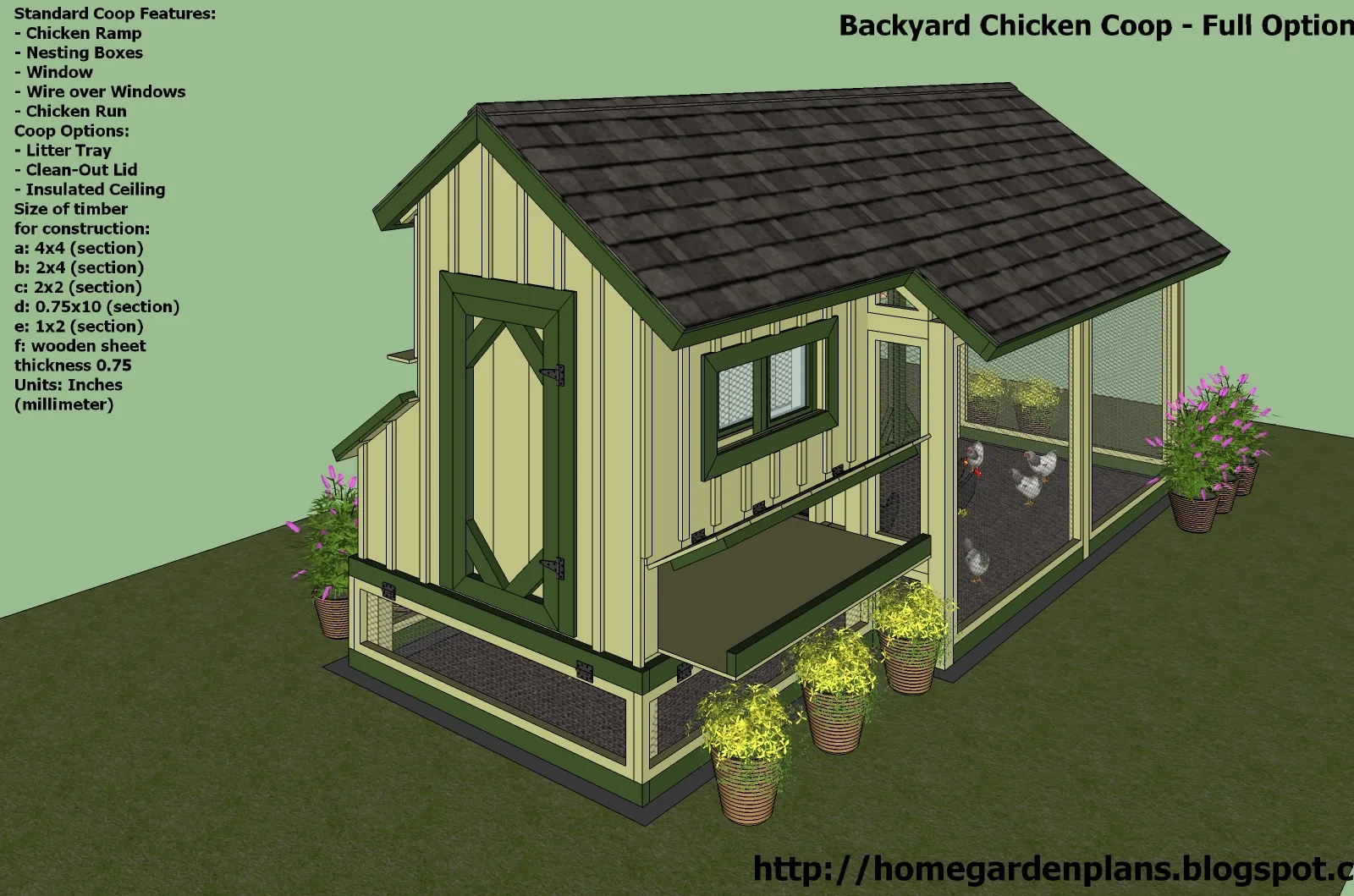
Chicken Coop Plans Free [Introduction]
Embarking on the journey of raising chickens can be incredibly rewarding, providing fresh eggs and companionship. However, a secure and comfortable home is paramount for your flock’s well-being. This ultimate guide dives into the world of chicken coop plans free, equipping you with all the knowledge and resources needed to construct a safe, functional, and aesthetically pleasing coop without breaking the bank. We’ll explore everything from fundamental design principles and material selection to step-by-step construction instructions, ensuring a smooth and enjoyable building experience. Get ready to create a haven for your feathered friends, all while saving money and embracing the satisfaction of a DIY project.
Understanding the Basics of Chicken Coop Design
Before diving into specific plans, grasp the core principles of chicken coop design. A well-designed coop prioritizes the chickens’ safety, health, and comfort. Consider factors such as predator protection, adequate ventilation, and ease of cleaning. The coop must be securely enclosed to safeguard against predators like foxes, raccoons, and hawks. Ventilation is essential to regulate temperature, remove moisture, and prevent respiratory issues. Moreover, the design should facilitate easy access for cleaning, egg collection, and general maintenance. A good coop is a home, not just a shelter, designed with the birds’ welfare at its heart.
Choosing the Right Chicken Coop Size

Determining the appropriate size for your chicken coop is a crucial step. Overcrowding can lead to stress, disease, and behavioral issues within the flock. Generally, a minimum of 4 square feet of floor space per chicken inside the coop is recommended. Additionally, plan for ample space in the chicken run, ideally around 8-10 square feet per bird. This allows them to roam, forage, and exhibit natural behaviors. Consider the number of chickens you intend to keep and provide extra space if you anticipate expanding your flock in the future. A spacious coop encourages healthier and happier chickens.
Determining Coop Size Based on Chicken Breed and Flock Size
Different chicken breeds have varying space requirements. Larger breeds, such as Brahmas or Jersey Giants, need more room than smaller breeds like bantams. Research the specific needs of your chosen breed to ensure they have enough space to move around comfortably. The overall size of your flock also dictates the coop’s dimensions. Start with your desired flock size and calculate the total floor space needed using the recommended guidelines (4 sq ft per chicken inside the coop, 8-10 sq ft per chicken in the run). It’s always better to err on the side of providing more space to ensure your chickens’ well-being. Consider future expansion.
Considering Local Climate and Weather Conditions
The climate in your area will influence the coop’s design. In colder climates, prioritize insulation to keep the coop warm during winter. Consider using materials like wood or installing insulation panels in the walls and roof. Ensure the coop is protected from drafts. In hot climates, ventilation is key. Design the coop with ample airflow to prevent overheating. Position windows and vents strategically to facilitate natural ventilation. Consider adding shade cloth to the run to provide relief from the sun. Your coop needs to adapt to local climate conditions, creating a comfortable environment for your chickens year-round.
Essential Materials for Building a Chicken Coop

The selection of materials plays a pivotal role in the durability, safety, and longevity of your chicken coop. Choose materials that are weather-resistant, durable, and non-toxic to chickens. Wood is a popular choice for the coop’s frame and walls, while hardware cloth or wire mesh is essential for predator-proofing the run. Roofing materials should be waterproof and able to withstand the elements. Carefully consider the quality and suitability of each material to ensure your coop stands the test of time and provides a safe haven for your flock.
Wood Types and Their Suitability
When selecting wood, consider its durability, resistance to rot, and ease of use. Pressure-treated lumber is an excellent choice for the coop’s frame, as it resists rot and insect damage, especially when in contact with the ground. However, avoid using pressure-treated wood for nesting boxes or areas where chickens will come into direct contact with the wood, as the chemicals used in the treatment process can be harmful. Other suitable wood options include cedar and redwood, known for their natural resistance to decay. Always choose lumber that’s appropriate for outdoor use and can withstand the elements. Consider the local availability and cost of different wood types.
Hardware Cloth and Wire Mesh for Security
Hardware cloth or wire mesh is critical for protecting your chickens from predators. Use hardware cloth with small openings (1/2 inch or smaller) for the coop walls, run, and any openings to prevent predators from entering. Bury the hardware cloth around the perimeter of the run underground to prevent digging predators from getting in. Ensure the hardware cloth is securely attached to the frame with staples or screws. Avoid using chicken wire, as it provides inadequate protection against determined predators. Prioritize security by using high-quality hardware cloth or wire mesh throughout your coop’s design.
Tools You’ll Need for the Build

Having the right tools will make the construction process more efficient and enjoyable. Essential tools include a saw (circular saw or hand saw), a drill, a hammer, a measuring tape, a level, a square, and a staple gun. Safety equipment, such as safety glasses and work gloves, is also crucial. Depending on the complexity of your chosen plans, you may need additional tools, such as a sander or a router. Gather all necessary tools before starting the project to avoid delays and ensure a smooth construction process. Make sure all tools are in good working order and that you know how to use them safely.
Step-by-Step Guide to Building a Chicken Coop Free
This section provides a detailed, step-by-step guide to building your own chicken coop. The specifics may vary depending on the chosen plan, but these general steps offer a solid framework. Follow the selected free chicken coop plan carefully, measuring and cutting materials accurately. Always prioritize safety, and take your time to ensure each step is completed correctly. Building a chicken coop can be a fulfilling experience, and the reward of a safe and comfortable home for your chickens is well worth the effort.
Preparing the Coop Site and Foundation
Choose a level location that provides adequate drainage and protection from the elements. Clear the area of any vegetation, rocks, or debris. Construct a foundation to elevate the coop off the ground, which helps prevent moisture damage and deters predators. You can use concrete blocks, a wooden frame, or other materials to create the foundation. Ensure the foundation is square and level before starting the construction of the coop frame.
Building the Coop Frame

The frame forms the skeletal structure of your coop. Following your plans, cut the lumber to the required dimensions and assemble the frame, ensuring all corners are square and secure. Use screws or nails to join the pieces together, and consider adding corner braces for extra stability. Construct the walls, floor, and roof frame according to the plans. Regularly check measurements and use a level to ensure the frame is plumb and square. A well-built frame is crucial for the overall structural integrity and longevity of your coop.
Adding Walls, Roof, and Ventilation
Once the frame is complete, attach the walls using plywood, planks, or other suitable materials. Ensure the walls are securely fastened to the frame. Construct the roof, taking into account the chosen design and local weather conditions. Install roofing materials, such as asphalt shingles or corrugated metal, ensuring proper overlap and sealing to prevent leaks. Incorporate ventilation features, such as vents or windows, to ensure proper airflow and remove moisture and odors. Place vents high on walls.
Constructing the Chicken Run
The chicken run provides a secure outdoor space for your chickens to roam and forage. Build the run using lumber for the frame and hardware cloth or wire mesh for the walls and roof. Bury the hardware cloth or mesh around the perimeter of the run to prevent predators from digging underneath. Provide shade, such as trees, tarps, or shade cloth. Ensure the run is securely attached to the coop and is large enough for your flock’s needs. A well-constructed run is a vital part of your coop, providing a safe environment for your chickens to enjoy fresh air and sunlight.
Installing Doors, Windows, and Nesting Boxes

Install doors and windows to provide access for cleaning, egg collection, and ventilation. Ensure doors are secure and predator-proof. Install nesting boxes in a quiet and secluded area of the coop. Make sure the boxes are large enough for your chickens to comfortably lay their eggs. Consider adding a ramp to the nesting boxes to make it easy for the chickens to enter and exit. Install windows to allow natural light to enter the coop.
Adding a Ramp for Easy Access
A ramp allows chickens to easily enter and exit the coop. The ramp should be wide enough for the chickens to walk comfortably. Consider the age of your chickens and the height of the coop when determining the ramp’s length and slope. Provide traction by adding slats or a textured surface to prevent slips. A well-designed ramp enhances the accessibility and comfort of your coop for your feathered friends.
Tips for Customizing Your Chicken Coop
Personalize your chicken coop to suit your needs and preferences. Add features that enhance the functionality and aesthetics of the coop. Consider adding features such as automatic door openers for convenience. Install a water system to provide a constant supply of fresh water. Include a feeder that minimizes waste. Choose the features that align with your budget and priorities.
Adding Decorative Elements and Personal Touches

Make your chicken coop unique by adding decorative elements. Paint the coop to match your house or to add color and visual interest. Incorporate decorative trim or molding for added flair. Add signage or a personalized touch to your coop. Adding decorative elements enhances the appearance of the coop, making it an attractive feature of your backyard. The possibilities are endless, so let your creativity run wild!
Free Chicken Coop Plans [Conclusion]
Building a chicken coop using free plans is an achievable and rewarding DIY project. With careful planning, the right materials, and attention to detail, you can create a safe, secure, and comfortable home for your chickens. This guide provides a comprehensive overview of the process, from initial design considerations to final construction. Embrace the opportunity to save money, learn new skills, and enjoy the satisfaction of providing a happy home for your flock. Happy building, and enjoy the fresh eggs!