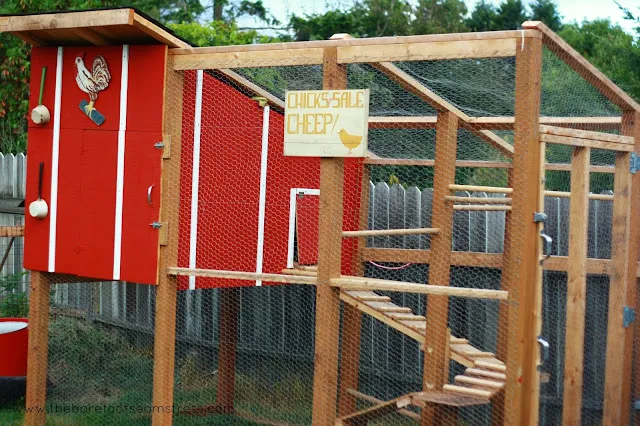
Home Depot Chicken Coop Plans Top 5 Picks!
Embarking on the journey of raising chickens can be a rewarding experience, providing fresh eggs and companionship. A crucial element of successful backyard chicken keeping is a well-designed and secure chicken coop. Home Depot offers a variety of chicken coop plans to suit different needs and budgets. This guide highlights the top 5 picks, offering insights into each plan and how to choose the perfect one for your flock. Building your own coop not only allows you to customize it to your specific requirements but also offers a fulfilling DIY project. Home Depot’s plans are often designed with the average homeowner in mind, ensuring that construction is manageable with common tools and skills. Understanding the different types of coops available, from classic designs to more modern structures, is the first step toward creating a safe and comfortable home for your chickens. Remember to consider the size of your flock, the local climate, and any specific security concerns when making your choice.
What to Consider Before Choosing a Chicken Coop
Before diving into specific plans, several factors must be considered to ensure you select the right chicken coop. These considerations will help you avoid costly mistakes and guarantee the well-being of your chickens. Thorough planning is crucial, and thinking through these aspects before starting your project will save time and money in the long run. From the dimensions to the materials, each aspect should be carefully considered to make the best decision for your flock and lifestyle.
Size and Space Requirements for Your Flock

The size of your chicken coop should be directly proportional to the number of chickens you plan to keep. Overcrowding can lead to stress, disease, and reduced egg production. As a general guideline, aim for at least 4 square feet of floor space per chicken inside the coop and 8-10 square feet per chicken in the outdoor run area. Consider the breed of chicken you plan to raise, as larger breeds will require more space. Adequate space allows chickens to move freely, roost comfortably, and reduces the likelihood of behavioral problems such as pecking and bullying. Careful planning ensures that your chickens are healthy and happy.
Materials and Durability
The materials used in your chicken coop will significantly impact its durability and longevity. Home Depot offers plans using various materials, including wood, metal, and composite materials. Wood is a popular choice due to its natural look and ease of modification but requires regular maintenance to prevent rot and pest infestation. Pressure-treated wood is a good option for ground contact areas. Metal coops are often more durable and resistant to predators but can be susceptible to extreme temperatures. Consider your local climate when choosing materials. Ensure that the materials are non-toxic and safe for chickens. High-quality materials will protect your investment and keep your chickens safe from the elements and predators.
Budget and Cost Analysis
Setting a budget is essential before selecting a chicken coop plan. Home Depot’s plans vary in price depending on the materials and complexity of the design. Consider the cost of materials, tools (if you don’t already have them), and any potential labor costs if you’re not building the coop yourself. Factor in ongoing maintenance costs, such as cleaning supplies and potential repairs. Comparing different plans based on your budget will help you make a practical choice. Often, the initial investment pays off over time as a well-built coop provides years of service. Don’t forget to account for potential hidden costs, such as permits or inspections.
Home Depot Coop Plan 1 The Classic Coop

The Classic Coop often features a simple, rectangular design with a pitched roof. These plans are usually beginner-friendly, focusing on ease of construction and readily available materials. The Classic Coop is a great starting point for new chicken keepers. The simplicity of the design makes it ideal for those new to DIY projects.
Features and Benefits
The Classic Coop typically includes a nesting box for egg-laying, roosting bars for sleeping, and a secure door for access. The benefits include simplicity, affordability, and a straightforward build process. This style of coop provides a safe and functional space for your chickens, focusing on the essentials. The classic design is often adaptable, allowing for future expansions or modifications to fit your flock’s needs. Consider the ease of cleaning, which is crucial for maintaining a healthy environment for your chickens.
Assembly and Construction Guide
Home Depot’s Classic Coop plans usually include detailed instructions and diagrams. The steps typically involve cutting wood, assembling the frame, adding walls and roofing, and installing doors and windows. Common tools needed are a saw, drill, hammer, and measuring tape. Following the instructions carefully and double-checking measurements will ensure a successful build. Taking your time and paying attention to detail will minimize errors and result in a sturdy, long-lasting coop. Consider enlisting a friend or family member to help with construction, making the process more enjoyable and efficient.
Home Depot Coop Plan 2 The Modern Coop

The Modern Coop often features a sleek, contemporary design, often incorporating innovative features for improved functionality and aesthetics. Modern coops may use unique materials or incorporate energy-efficient designs, like enhanced ventilation. These plans are designed for chicken keepers looking for a stylish and functional coop. The Modern Coop reflects a growing trend in backyard chicken keeping, combining practicality with modern design elements.
Design and Aesthetics
Modern coops often feature clean lines, integrated storage, and attractive finishes. The design may incorporate elements such as vertical gardens, stylish paint colors, or unique rooflines. The focus is on creating a coop that complements the aesthetics of your backyard. Modern coops are designed to be visually appealing while providing all the necessary features for chicken care. The design is intended to create a seamless blend of style and functionality.
Ventilation and Climate Control
These coops often prioritize ventilation systems and insulation to maintain a comfortable climate inside. Features such as adjustable vents, insulated walls, and shaded areas can help regulate temperature and humidity. Effective ventilation prevents the buildup of ammonia and helps keep the coop dry and healthy. Proper climate control ensures that chickens are comfortable year-round, promoting their health and productivity. The goal is to create an ideal environment for your chickens, regardless of external weather conditions.
Home Depot Coop Plan 3 The Budget-Friendly Coop

Budget-Friendly coops focus on minimizing costs while still providing essential features for your chickens. These plans often utilize inexpensive materials and simplified construction techniques. The Budget-Friendly coop is perfect for those starting out or looking for a cost-effective solution.
Cost-Effectiveness and Affordability
These coops are designed to be built with readily available and inexpensive materials, like reclaimed wood or repurposed pallets. The plans may involve simplified construction methods to reduce labor costs. The focus is on providing a functional coop at the lowest possible price. Budget-friendly coops allow chicken keepers to minimize their initial investment. Careful planning and smart material choices make this a practical option for those on a budget.
Maintenance and Cleaning
Budget-friendly coops often prioritize ease of cleaning and maintenance. Features such as removable roosting bars, accessible nesting boxes, and smooth surfaces can simplify cleaning. These coops are designed to make the daily and weekly maintenance tasks manageable. Good hygiene is essential for preventing disease, and easy-to-clean designs will help in maintaining a healthy environment for your chickens. The ease of maintenance is a key benefit for busy chicken keepers.
Home Depot Coop Plan 4 The Large Flock Coop

Large Flock coops are designed to accommodate a larger number of chickens. These plans prioritize space, functionality, and efficient design. They are ideal for chicken keepers who plan to raise a significant number of birds.
Capacity and Expansion Options
These coops are designed to house a larger flock, with ample space for roosting, nesting, and movement. They often feature expandable designs that allow for future growth as your flock increases. Consider the maximum capacity you might need in the future. Expansion options can include adding more nesting boxes, extending the run, or adding additional coop space. The Large Flock Coop is built for future flexibility, allowing you to expand your operation without building a completely new coop.
Security and Pest Control
Security is crucial, especially with a larger flock. These plans typically include robust features such as secure latches, predator-resistant materials, and reinforced fencing. Pest control is also a priority, with design features aimed at preventing rodents and other pests from entering the coop. The Large Flock Coop is built with security as a top priority. Features include secure doors, windows, and strong wire mesh to protect your flock from predators.
Home Depot Coop Plan 5 The Mobile Coop

Mobile coops, also known as chicken tractors, are designed to be easily moved around your yard. This allows chickens to access fresh pasture and prevents the buildup of waste in one area. Home Depot offers plans for various mobile coop designs.
Portability and Convenience
Mobile coops are built on wheels or skids, making them easy to relocate. They typically feature a lightweight design, allowing them to be moved manually or with a garden tractor. The convenience of a mobile coop is its ability to provide chickens with fresh grass and avoid overgrazing. Portability also allows the coop to be moved to different areas of your yard to manage the soil and provide natural fertilization.
Siting Your Chicken Coop
Choosing the right location for your chicken coop is as important as the coop design. Proper siting ensures the health and safety of your chickens. Consider the specific needs of your chickens when deciding where to place the coop.
Ideal Location and Sunlight Exposure
Choose a location that receives a balance of sunlight and shade. Chickens need sunlight for vitamin D production and overall health. However, excessive sun exposure can lead to overheating. The ideal location provides shade during the hottest part of the day. Consider the direction of the prevailing winds and place the coop in a location that protects it from harsh weather. Ensure the location is well-drained to prevent moisture buildup and maintain a dry environment inside the coop.
Predator Protection Strategies
Protecting your chickens from predators is paramount. Choose a location that is relatively free from predator activity. Consider the use of predator-proof fencing, burying hardware cloth around the perimeter to prevent digging, and using secure latches on the coop door. Ensure the coop is elevated or constructed to deter ground predators. Regularly inspect the coop and run for any signs of damage or potential vulnerabilities. Proper predator protection will help keep your chickens safe.
Zoning Regulations and Permits
Before building your chicken coop, check your local zoning regulations and permit requirements. Some municipalities have restrictions on the size, location, and number of chickens allowed. Obtaining the necessary permits will prevent legal issues and ensure that your coop complies with local laws. Contact your local government or planning department to inquire about regulations and permitting processes. Understanding and adhering to zoning regulations is essential for responsible chicken keeping.
Conclusion
Choosing the right chicken coop plan from Home Depot is a crucial step in creating a safe and comfortable home for your chickens. From the Classic Coop’s simplicity to the Modern Coop’s style, the Budget-Friendly Coop’s cost-effectiveness, the Large Flock Coop’s capacity, and the Mobile Coop’s convenience, there’s a plan to suit every need. By considering factors such as flock size, material durability, and budget, you can make an informed decision. Proper coop siting, including sunlight exposure, predator protection, and adherence to local regulations, further ensures your chickens’ well-being and your peace of mind. With a well-designed and properly placed coop, you can look forward to years of fresh eggs and the joy of raising chickens in your backyard. Remember to prioritize the safety and comfort of your chickens, and enjoy the rewarding experience of backyard chicken keeping.