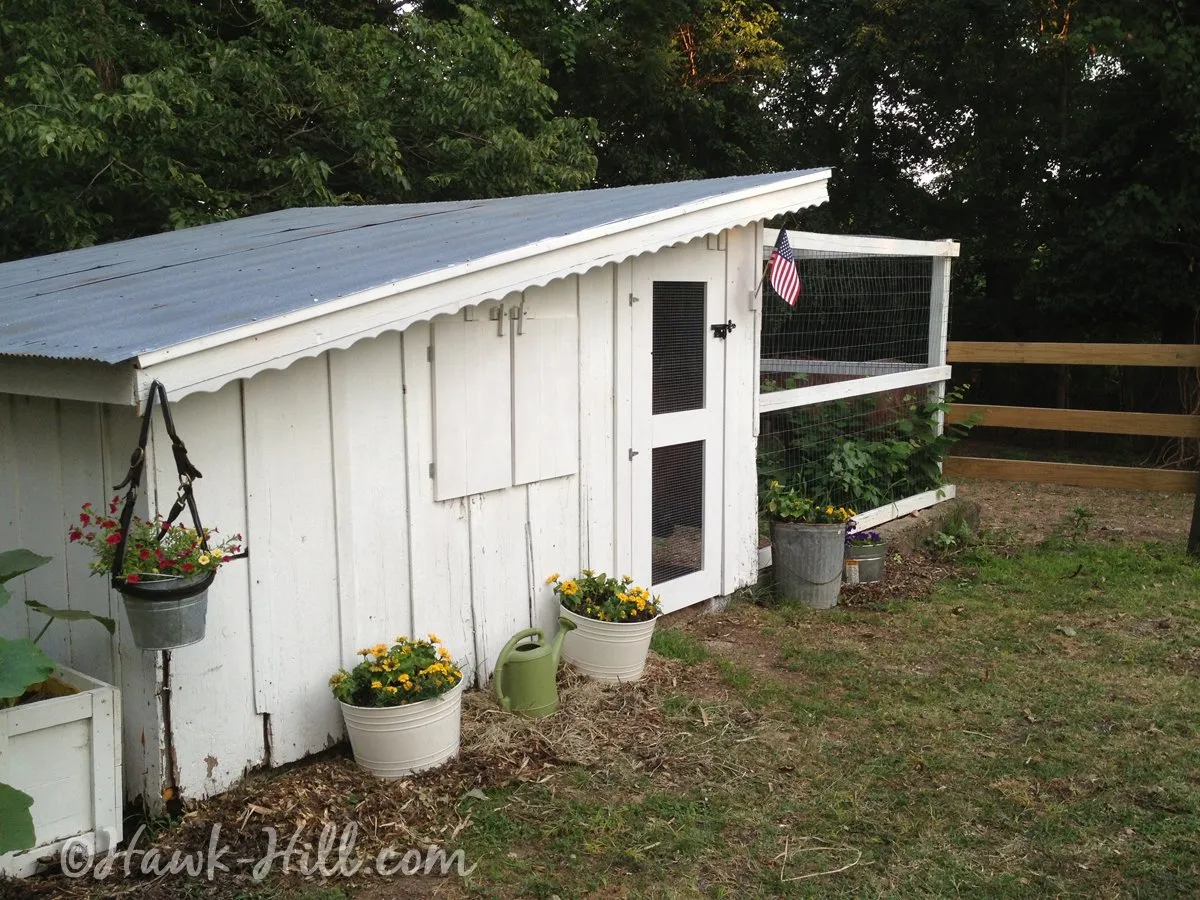
Choosing the Right Old Fashioned Chicken Coop Plan
Embarking on the journey of building a chicken coop can be an incredibly rewarding experience, connecting you with the rhythms of nature and providing fresh eggs right from your backyard. However, the first step is crucial Choosing the right old fashioned chicken coop plan lays the foundation for success. This involves careful consideration of several factors, including your available space, the number of chickens you intend to keep, local climate conditions, and your personal building skills. Fortunately, there are numerous free and paid plans available online, offering various styles and complexities. Consider the aesthetics and choose a plan that complements your property and meets the needs of your future flock. Remember, a well-chosen plan simplifies the construction process, ensuring a secure and comfortable home for your chickens. Take your time to explore different options and find a plan that resonates with your vision and practical requirements.
Consider Your Space and Needs
Before diving into the intricacies of coop construction, assess your available space and the specific needs of your chickens. Space considerations are paramount for the well-being of your birds. Chickens require sufficient room to roam, forage, and exhibit natural behaviors. Overcrowding leads to stress, disease, and a decline in egg production. As a general guideline, allow for at least 4 square feet of floor space per chicken inside the coop and a minimum of 8 square feet of outdoor run space per bird. Factor in the overall size of your yard and any local ordinances or regulations regarding chicken keeping. Consider the climate in your area. Does it get very hot or cold? This will influence your coop design regarding ventilation, insulation, and protection from the elements. Ultimately, the coop needs to provide shelter from predators, harsh weather, and a comfortable environment for your flock.
Size Requirements

Determining the appropriate size for your chicken coop is a critical step in the planning process. The size of your coop directly impacts the health and happiness of your chickens. As mentioned previously, aim for a minimum of 4 square feet of indoor space per chicken. This allows for comfortable roosting, nesting, and movement within the coop. A larger coop can be beneficial, especially if you live in an area with harsh winters, as it provides more room for the chickens to move around during inclement weather. When calculating the size, consider the breed of chickens you plan to raise; larger breeds like Brahmas or Jersey Giants will require more space than smaller breeds like Bantams. You’ll also need to factor in space for nesting boxes, roosting bars, and feeders and waterers. Consider the future too. If you plan to expand your flock, it’s wise to build a coop that can accommodate additional chickens down the line. This will prevent the need for future construction.
Location, Location, Location
Choosing the right location for your chicken coop is as important as the design itself. The ideal location offers a balance of convenience for you and comfort for your chickens. Select a spot that provides good drainage to prevent water from accumulating near the coop, which can lead to moisture problems and potential disease. Ensure the area receives a mix of sunlight and shade. Chickens need sunlight for Vitamin D production, but they also need shade to escape the heat during the hottest parts of the day. Consider the prevailing winds and position the coop to provide some protection from strong gusts. Accessibility is another key factor. The location should be easily accessible for cleaning, collecting eggs, and providing food and water. Avoid placing the coop too close to your house or neighbors’ properties to minimize noise and odor. Finally, consider the proximity to potential predators. Choose a location that is as far away as possible from potential threats.
Essential Materials for Your Coop
Selecting the right materials is crucial for building a durable and long-lasting chicken coop. The materials you choose will impact the coop’s overall lifespan, its ability to withstand the elements, and the safety of your flock. Prioritize materials that are non-toxic, weather-resistant, and predator-proof. Good-quality lumber forms the structural framework of the coop. Avoid using treated lumber, which can be harmful to chickens. Exterior-grade plywood is suitable for the walls and roof, while roofing materials like asphalt shingles or corrugated metal offer weather protection. Hardware cloth, with its small mesh size, is ideal for securing the coop and preventing predators from entering. Avoid chicken wire, as it does not offer adequate protection. Choosing the correct materials ensures your chickens are protected, safe, and comfortable in their new home.
Lumber and Wood Selection

The choice of lumber for your chicken coop is paramount to its structural integrity and longevity. Opt for rot-resistant wood species, like cedar or redwood, which naturally resist decay and insect infestation. If using other types of lumber, consider applying a non-toxic wood sealant to protect it from the elements. Avoid using pressure-treated lumber for the coop’s interior, as it may contain chemicals harmful to chickens. The framing lumber, typically 2x4s or 4x4s, provides the main support for the coop walls, roof, and floor. Plywood can be used for the walls, roof sheathing, and sometimes the floor, depending on the coop design. Ensure that all lumber is straight and free of knots to simplify construction and ensure a stable structure. By selecting the right type of lumber, you can build a coop that will withstand the test of time and provide a safe haven for your chickens.
Hardware and Fasteners
Using the correct hardware and fasteners is crucial for the structural integrity and longevity of your chicken coop. Choose galvanized or stainless steel screws, nails, and hinges to resist rust and corrosion. These materials are durable and will withstand the harsh conditions of the outdoors. Screws are generally preferred over nails for their holding power, particularly in areas where the coop might experience strong winds. Use heavy-duty hinges for doors and access panels. When attaching hardware cloth or wire mesh, staples should be used and applied with a staple gun. Ensure all fasteners are appropriately sized for the lumber you’re using. This will prevent stripping and ensure a secure hold. Regularly inspect all hardware and fasteners and replace any that show signs of wear or rust to maintain the coop’s structural integrity.
Tools You’ll Need
Before you start building, gather the essential tools. The specific tools you’ll need depend on the complexity of your chosen plan, but the following are generally required. A measuring tape and level are essential for accurate measurements and ensuring a plumb and square structure. A circular saw, jigsaw, or hand saw will be needed for cutting lumber to the correct size. A drill and screwdriver will be needed for driving screws and assembling the frame. A hammer and staple gun are useful for attaching hardware cloth and other materials. Safety glasses and work gloves are essential to protect yourself from injury. A square, a pencil, and a stud finder may also be helpful. Having these tools readily available makes the building process smoother and more efficient.
Step-by-Step Chicken Coop Construction

Once you’ve selected your plan, gathered your materials, and assembled your tools, you’re ready to begin building. Follow the chosen plan meticulously, paying attention to each step. Accuracy is vital for a structurally sound and safe coop. The building process typically begins with the foundation, followed by the frame, walls, roof, and finally, the interior features. Take your time and double-check your measurements as you go. If you’re not confident in your building skills, consider enlisting the help of a friend or family member or hiring a professional. Safety is paramount; always wear appropriate safety gear and take breaks when needed. Following the step-by-step instructions will help you achieve the desired results and provide a comfortable home for your chickens.
Building the Coop Frame
The frame forms the skeleton of your chicken coop. It provides structural support and defines the shape and size of the coop. Start by constructing the base frame, ensuring it is square and level. Use the lumber specified in your plan to create the frame. Once the base is complete, build the wall frames. Assemble the wall sections on a flat surface and then raise them into position, securing them to the base frame with screws or nails. Ensure the walls are plumb (vertical) using a level. The frame must be robust and able to withstand wind, snow, and the weight of the roof. If your plan calls for it, add studs and supports to the frame. Once the frame is complete, you can start to add the walls, roof, and other elements.
Adding Walls, Roof, and Doors
Once the frame is complete, the next step is to add the walls, roof, and doors, which provide weather protection and security. Attach the walls, which can be made of plywood or other suitable materials. Secure them to the frame. Construct the roof framework, following your plan’s instructions for the rafter placement and pitch. Cover the roof frame with sheathing and then add the roofing material (shingles, metal, etc.). This is a crucial step as it protects your chickens from the elements. Install doors, ensuring they fit snugly and close securely. Consider adding a ramp for the chickens to access the coop easily. Ensure the door is predator-proof, using secure latches and hinges. These elements are all crucial in ensuring the coop is secure and weather-tight.
Creating Ventilation and Insulation

Proper ventilation and insulation are critical for the health and comfort of your chickens. Ventilation allows for fresh air circulation, reducing moisture build-up and preventing the spread of diseases. Install vents near the roofline, allowing stale air to escape and fresh air to enter. Avoid placing vents directly above roosting bars to prevent drafts. Insulation, especially in colder climates, helps to maintain a consistent temperature inside the coop. This is particularly important during winter. Insulate the walls and roof using materials such as fiberglass insulation or rigid foam insulation. However, avoid insulating the floor, as it can trap moisture. Be certain that any materials you select are non-toxic, safe for the chickens, and resistant to moisture and pests. Proper ventilation and insulation will ensure your chickens are protected and healthy.
Installing Nesting Boxes and Roosts
Nesting boxes and roosts are essential elements of a comfortable and functional chicken coop. Nesting boxes provide a safe and private place for hens to lay their eggs. The number of nesting boxes you need depends on the size of your flock; a general rule is one nesting box for every three to four hens. Place the nesting boxes in a dimly lit, quiet area of the coop. They should be elevated off the ground to prevent moisture and pests. Roosts provide a place for chickens to sleep and rest at night. Position roosts at varying heights, allowing the chickens to choose where they feel most comfortable. Ensure there is enough space on the roosts for all your chickens. Consider the placement and design of these interior elements when building your chicken coop.
Protecting Your Coop from Predators
Protecting your chickens from predators is of utmost importance. Predators can include foxes, raccoons, dogs, and even birds of prey. The primary method of predator-proofing is to make the coop secure and impenetrable. Bury hardware cloth or wire mesh at least 12 inches deep around the perimeter of the coop to prevent digging predators from entering. Use hardware cloth rather than chicken wire for the walls and roof. Ensure all doors and access points are securely latched. Install locks if necessary. Regularly inspect the coop for any signs of damage or breaches in security. Consider additional preventative measures, such as motion-activated lights or electric fencing, to deter predators. Predator protection is a continuous process, not just a one-time task.
Securing the Coop Perimeter
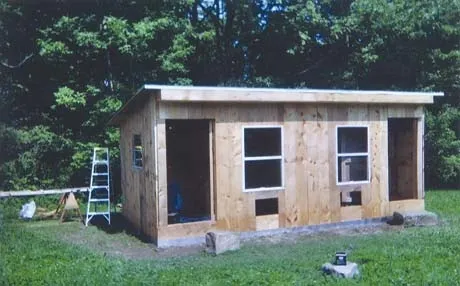
Securing the perimeter of your chicken coop is a fundamental aspect of predator control. This involves preventing predators from digging under the coop or gaining access through any potential entry points. A common method is to bury hardware cloth or wire mesh around the perimeter. Extend the wire outward from the base of the coop to create an apron that prevents digging animals from reaching the coop. You can also consider using a concrete foundation for the coop. Ensure that all gaps and crevices are sealed. Regular inspections will help identify any potential weaknesses in the coop’s defenses.
Choosing the Right Coop Door
The coop door is a critical element for security. It must be both strong and secure, with a latching mechanism that predators cannot manipulate. Consider using a sliding door or a door that swings inward to prevent predators from prying it open. Install a secure latch, such as a barrel bolt or a carabiner clip, to prevent unauthorized access. The door must be made of strong, durable materials that are resistant to chewing and scratching. If possible, place the door in a location that is easily accessible, so you can open and close it each day. Furthermore, if you live in an area with harsh weather, consider a door that is weather-resistant.
Coop Maintenance and Upkeep
Regular maintenance and upkeep are vital for maintaining a healthy environment for your chickens and extending the life of your coop. Cleaning the coop regularly removes waste, preventing the build-up of harmful bacteria and reducing the risk of diseases. Inspect the coop regularly for any signs of damage or wear. Promptly repair any damage to prevent further deterioration and potential predator access. Keep the coop well-ventilated to reduce moisture and maintain air quality. Provide fresh bedding regularly to keep the coop clean and dry. If you follow a regular maintenance schedule, it will help ensure that your coop remains a safe and comfortable home for your flock.
Cleaning and Sanitation

Regular cleaning and sanitation are essential for maintaining a healthy environment for your chickens. Remove droppings and soiled bedding at least once a week. The frequency may need to be increased depending on the size of your flock and the weather conditions. Clean the nesting boxes regularly. Remove any broken eggs or soiled bedding and replace them with fresh material. When cleaning the coop, use a poultry-safe disinfectant to kill bacteria and parasites. Allow the coop to dry completely before replacing the bedding. A clean and sanitary coop helps prevent the spread of disease and ensures the overall health of your flock.
Winterizing Your Coop
Winterizing your chicken coop is crucial for protecting your chickens from the cold and ensuring their comfort during the colder months. Proper winter preparation protects the birds from frostbite and other cold-related health issues. Inspect the coop for drafts and seal any cracks or gaps. Insulate the walls and roof, if you haven’t already. Ensure the coop has adequate ventilation to remove moisture. Provide extra bedding to keep the floor dry and warm. Consider adding a heat lamp or a heated waterer to prevent water from freezing. Make sure that the heat lamp is installed safely and is not a fire hazard. By winterizing your coop, you can create a comfortable and safe environment.
Final Thoughts
Building an old fashioned chicken coop is a rewarding experience. Following these steps, you can create a safe, comfortable, and functional home for your chickens, and enjoy the benefits of fresh eggs and the joy of backyard poultry keeping. Remember, the process requires planning, patience, and attention to detail. Regular maintenance and predator protection are essential. With careful planning and diligent execution, your chickens will thrive.