Choosing the Right Chicken Coop Design
Building a chicken coop for 12 chickens is an exciting project that requires careful planning. The design you choose will significantly impact the health, safety, and happiness of your flock. Considering various factors before diving into construction is crucial to ensure you create a functional and secure home for your chickens. This article will guide you through the top 5 chicken coop design ideas, ensuring you can choose the best plan for your needs.
Factors to Consider Before Building
Before finalizing your chicken coop plans, several key factors need consideration. These include local regulations, your available space, the climate in your area, and your budget. Research local ordinances to understand any restrictions on coop size, height, or location. Assess your property to determine the ideal spot, considering sunlight, shade, and drainage. Understanding the climate is essential for proper ventilation and insulation, ensuring your chickens are comfortable year-round. Finally, establish a realistic budget, factoring in materials, tools, and potential labor costs.
Space Requirements per Chicken

One of the most critical aspects of chicken coop design is providing adequate space. As a general rule, you should allow at least 4 square feet of floor space per chicken inside the coop. For 12 chickens, this translates to a minimum of 48 square feet. This space allows chickens to move freely, roost comfortably, and avoid overcrowding, which can lead to stress and health issues. In addition to indoor space, provide ample outdoor run space – ideally, 8-10 square feet per bird.
Predator-Proofing Your Coop
Protecting your chickens from predators is paramount. Design your coop with robust predator-proofing measures. Bury hardware cloth or wire mesh at least 12 inches underground around the perimeter to prevent digging predators like foxes and coyotes. Use heavy-duty latches and locks on all doors and windows. Cover any openings with secure wire mesh, and consider using a predator-resistant coop design. Avoid gaps larger than 1 inch to prevent small predators from entering.
Ventilation and Insulation
Proper ventilation and insulation are vital for your chickens’ health and comfort. Ventilation prevents moisture buildup, which can lead to respiratory problems and frostbite in winter. Install vents near the roofline to allow air circulation. Insulation helps regulate the coop’s temperature, keeping it cooler in summer and warmer in winter. Use materials like rigid foam insulation or fiberglass batts, and ensure they are protected from the chickens. The goal is to create a comfortable, dry environment.
Top 5 Chicken Coop Design Ideas for 12 Chickens

The Classic A-Frame Coop
The A-frame coop is a simple, cost-effective design that is easy to build. Its sloped roof sheds rain and snow effectively. These coops are often portable, making them ideal for rotational grazing. However, ensure sufficient space for 12 chickens, and predator-proofing is essential, especially if the coop is moved frequently. Consider adding wheels for easy relocation. Proper ventilation must also be a priority in this type of design. This is a budget-friendly option for beginners.
Benefits of an A-Frame Design
A-frame coops are relatively easy to construct, often using simple materials and straightforward plans. Their sloped roofs provide excellent water runoff, keeping the interior dry. The compact design can fit well in various yard sizes. They are often lightweight and can be moved, providing fresh foraging opportunities for your chickens. This design is also easily customizable to fit your aesthetic preferences.
The Run-In Shed Coop

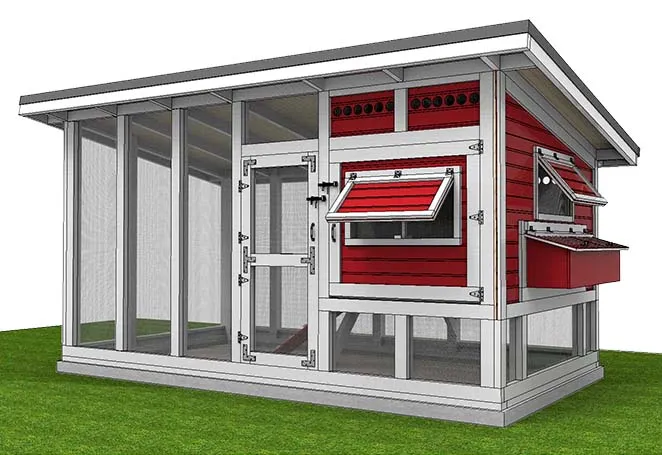
A run-in shed coop combines a sheltered area with an attached run. This design provides protection from the elements and ample space for chickens to roam. The sheltered area can serve as the coop, with nesting boxes and roosting bars. Ensure the run is securely enclosed with wire mesh or hardware cloth to prevent predator access. This is an excellent option for providing chickens with both a safe enclosed area and access to outdoor space.
Advantages of Run-In Sheds
Run-in shed coops offer superior protection from the elements, including rain, sun, and wind. The integrated run allows chickens to forage and exercise safely, even when you are not available to supervise. This design typically provides more space compared to smaller coops, allowing your chickens to live a more natural life. Furthermore, the sheltered area makes it easier to maintain and clean the coop, protecting your chickens from the elements.
The Portable Chicken Coop
A portable chicken coop, also known as a chicken tractor, allows you to move your chickens around your yard or garden. This helps with pest control, fertilizing your lawn naturally, and providing access to fresh grass. These coops should be lightweight and easy to maneuver. Consider adding wheels for easy movement. Ensure the portable coop is predator-proof, with secure mesh or hardware cloth on all sides. This design is perfect if you want your chickens to have a variety of foraging options.
Mobility and Flexibility

The main benefit of a portable chicken coop is its flexibility. You can move the coop to different areas of your yard, providing fresh grass and reducing the buildup of droppings in one spot. This rotational grazing benefits the chickens by giving them a varied diet and reducing the risk of parasites. It also helps fertilize your lawn naturally. Be sure to design the coop with sturdy wheels and a lightweight frame for easy movement.
The Permanent Coop with a Run
This design offers a fixed coop with a spacious attached run, providing security and ample space. It is suitable for various climates and provides a safe environment for your chickens. The permanent structure allows for more elaborate designs, including better insulation and ventilation. Build the run with sturdy materials, burying wire mesh to prevent digging predators. This design offers a secure and comfortable home for your flock.
Enhanced Security Features
Permanent coops can incorporate enhanced security measures. Consider adding automatic door openers to the coop, controlled by a timer or light sensor. Install strong latches and locks to deter predators. Bury hardware cloth around the perimeter to prevent digging. Reinforce the walls with sturdy materials, and ensure all openings are covered with heavy-duty wire mesh. These features give you peace of mind, knowing your chickens are safe.
The DIY Chicken Coop

Building a DIY chicken coop allows you to customize the design to your specific needs and preferences. You can choose the materials, size, and features to create a coop that perfectly suits your chickens. Numerous online resources offer free or low-cost chicken coop plans, making this option accessible. This gives you complete control over the project, from the initial design to the final touches, ensuring your coop is unique.
Customization and Cost Savings
Building your own coop allows for extensive customization. You can tailor the design to fit your yard, match your home’s aesthetic, and incorporate specific features like a covered run, automatic door opener, or integrated storage. Depending on the materials chosen and your skills, building a DIY coop can be a cost-effective option. It also offers a rewarding experience, knowing you built a safe and comfortable home for your chickens.
Essential Features for Your Chicken Coop
Regardless of the design, several essential features are crucial for a functional and healthy chicken coop. Nesting boxes, roosting bars, and a well-planned feeding and watering system are necessary for your chickens’ well-being. Each component plays a vital role in their daily lives, ensuring their comfort and productivity.
Nesting Boxes

Nesting boxes provide a safe, private space for your hens to lay eggs. Ensure there is enough space, usually one nesting box for every three to four hens. Position the boxes in a quiet, dimly lit area of the coop. Use comfortable bedding, such as straw, hay, or wood shavings, and check the boxes daily to collect eggs. Proper nesting boxes are essential for the health and productivity of your laying hens.
Roosting Bars
Roosting bars allow chickens to sleep comfortably off the ground, a natural behavior. Provide approximately 8-12 inches of roosting space per chicken. Place the roosting bars at a comfortable height, typically a few feet off the ground, and away from nesting boxes. Choose smooth, rounded bars, such as tree branches or planed lumber, to prevent foot injuries. Roosting bars are crucial for your chickens’ well-being.
Feeding and Watering Systems
Provide your chickens with a constant supply of fresh food and water. Use feeders and waterers that are easy to clean and maintain. Place feeders and waterers in a location protected from the elements. Choose feeders that minimize feed waste, and ensure the waterers are frost-proof in cold climates. Consider adding a supplemental grit and oyster shell for laying hens. Clean and replenish the food and water daily.
Maintaining Your Chicken Coop
Regular maintenance is essential for keeping your chicken coop clean, healthy, and safe. This includes cleaning, sanitation, and regular checks. These practices will extend the life of your coop and protect your chickens from disease and predators. Consistent maintenance is essential for the health and productivity of your flock.
Cleaning and Sanitation
Clean your chicken coop regularly to prevent the buildup of droppings and reduce the risk of disease. Remove soiled bedding at least once a week and replace it with fresh material. Thoroughly clean the coop, including the nesting boxes, roosting bars, and floor, with a poultry-safe disinfectant at least once a month. Regular cleaning helps maintain a healthy environment for your chickens and prevents foul odors.
Regular Maintenance Checks
Perform regular maintenance checks to ensure your coop remains in good condition. Inspect the coop for any signs of damage, such as loose boards, damaged wire mesh, or leaky roofs. Check latches, locks, and hinges to ensure they are secure. Inspect the coop for any signs of pests or rodents. These routine checks will identify and address issues before they escalate, keeping your chickens safe and comfortable.