Top 7 Chicken Coop Features for Success
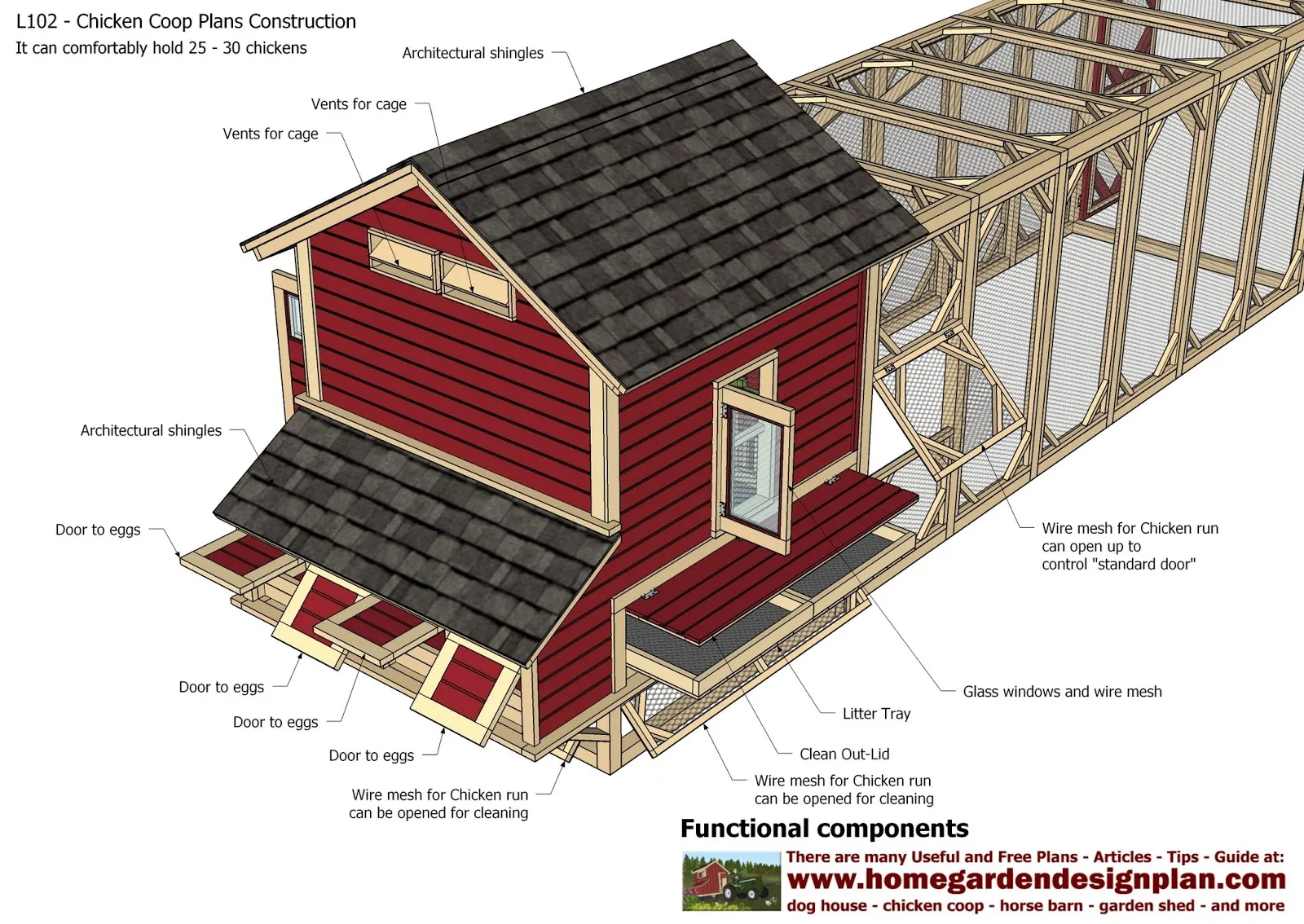
Building a chicken coop is an exciting project, but success hinges on careful planning and attention to detail. A well-designed coop not only provides a safe and comfortable home for your flock but also simplifies your daily chores and contributes to their health and productivity. To maximize your success, consider these top 7 essential features when creating your chicken coop plans, ensuring both the well-being of your chickens and the ease of your chicken-keeping experience. Prioritizing these key elements will help you create a thriving environment for your chickens and a rewarding experience for you.
Optimal Coop Size and Space Requirements
One of the most critical aspects of any chicken coop plan is ensuring adequate space for your chickens. Overcrowding leads to stress, disease, and reduced egg production. The amount of space needed depends on the number of chickens you plan to keep and their breed. Aim for a balance between providing enough room for comfortable movement and avoiding wasted space that could make cleaning and maintenance more difficult. Proper sizing also influences the overall climate inside the coop, affecting ventilation and temperature control, particularly in extreme weather conditions. Therefore, adequate space is fundamental for a healthy and happy flock.
Calculating Square Footage per Chicken

Generally, a good rule of thumb is to allow at least 4 square feet of floor space per chicken inside the coop. For the run, you should provide a minimum of 8-10 square feet per bird, or even more if possible. This ensures that chickens have enough room to roam, forage, and exercise, which is crucial for their physical and mental well-being. Always consider breed-specific requirements, as larger breeds need more space than smaller ones. For instance, a large breed like a Brahma might need more indoor and outdoor space than a bantam. Accurate calculations will prevent overcrowding and keep your chickens healthy.
Indoor vs Outdoor Space Considerations
Balancing indoor and outdoor space is also essential. Chickens spend a significant amount of time outdoors, foraging for insects and enjoying the sunlight. However, the coop itself provides shelter from the elements and a safe place to roost at night. Ensure the coop is protected from the weather, with a roof that extends beyond the walls to prevent rain from entering. The run should be spacious and well-protected, using materials that deter predators while allowing access to sunlight. Having enough space in both areas is vital for a flock’s overall health and happiness, allowing them to engage in natural behaviors and stay active.
Essential Material Selection
The materials you use for your chicken coop significantly impact its durability, longevity, and the health of your chickens. Choosing the right materials can also influence the coop’s aesthetic appeal and how well it blends into your backyard. The most suitable materials will be resistant to the elements, easy to clean, and safe for your flock. Consider factors such as climate, predator threats, and your budget. Prioritizing the right materials from the beginning ensures a sturdy and secure coop that will last for years, providing a safe and comfortable environment for your chickens.
Choosing Durable and Weather-Resistant Wood

Wood is a popular choice for coop construction, but not all wood is created equal. Opt for naturally weather-resistant wood, such as cedar or redwood, which is less susceptible to rot, decay, and insect infestation. Pressure-treated lumber can also be a durable option. However, ensure any treated wood is safe for contact with chickens; some treatments contain chemicals that could be harmful. Always consider the climate in your area when selecting wood. If you live in a region with high humidity or frequent rain, choosing a moisture-resistant material is crucial for the longevity of your coop.
The Importance of Ventilation and Airflow
Proper ventilation is vital for a healthy coop environment. Good airflow prevents the buildup of ammonia from chicken droppings, which can irritate chickens’ respiratory systems and lead to disease. Effective ventilation also helps regulate temperature and reduces moisture, which can create an ideal environment for mold and bacteria. Ensure your coop has vents placed high up, away from drafts, and sufficient cross-ventilation to allow air to circulate freely. Avoid sealing the coop completely, especially during warmer months. Ventilation keeps your chickens comfortable and helps maintain a clean and healthy living space.
Security Measures for Protection
Protecting your chickens from predators is one of the most critical aspects of chicken coop design. Predators can range from local pets, to larger animals like foxes and raccoons. A secure coop prevents attacks and protects your flock. The design and construction should incorporate multiple layers of protection, from the materials used to the placement of hardware and the overall construction of the structure. Careful planning and implementation of predator-proofing measures will provide peace of mind and safeguard your valuable chickens.
Predator-Proofing Your Coop Design

Design your coop with predator-proofing as a top priority. Bury hardware cloth or wire mesh at least 12 inches underground around the perimeter to prevent digging predators from entering. Ensure all openings are securely covered with sturdy materials. Overlap the roof materials to prevent predators from accessing the coop from above. Eliminate any potential hiding spots for predators near the coop. Consider installing an automatic door for the coop so that your chickens are safely locked in at night. These measures significantly reduce the risk of predator attacks, keeping your chickens safe.
Hardware Cloth vs Chicken Wire
When it comes to protecting your chickens from predators, the material you use to enclose your coop is crucial. Chicken wire is inexpensive but offers little protection against determined predators, who can easily tear through it. Hardware cloth, made of welded or woven wire, is far more robust and predator-resistant. Hardware cloth provides a much stronger barrier, preventing predators from gaining access to the coop. Use hardware cloth to cover all openings, including windows and ventilation, and to reinforce the run. While hardware cloth might be more expensive initially, the added security it provides is well worth the investment.
Creating a Comfortable Nesting Area
A comfortable and well-designed nesting area is essential for encouraging egg-laying and keeping your hens happy. Chickens prefer a dark, quiet, and secure space to lay their eggs. Proper nesting boxes contribute to cleaner eggs and reduce the likelihood of broken eggs. Thoughtful design and placement of the nesting boxes can optimize egg production and make it easier for you to collect the eggs. A comfortable nesting area fosters a healthy environment and supports your chickens’ well-being, which leads to better egg production and a happy flock.
Selecting the Right Nesting Box Dimensions

The size of the nesting boxes should be appropriate for your breed of chicken. Generally, nesting boxes should be about 12 inches wide, 12-14 inches deep, and 12-14 inches high for standard-sized breeds. Provide one nesting box for every 3-4 hens. Make sure the boxes are easily accessible for both the chickens and for you. Position the boxes in a sheltered location within the coop, away from drafts and direct sunlight. The placement of the boxes contributes to a calm environment that encourages egg-laying, and makes it easier to gather eggs.
Choosing Comfortable Bedding Materials
The bedding material in nesting boxes affects egg cleanliness and hen comfort. Good choices include straw, hay, wood shavings, and commercial nesting pads. Straw and hay provide a soft and warm surface for the hens, which is important in colder climates. Wood shavings are a good option that helps absorb moisture and control odors. Change the bedding regularly to maintain cleanliness and prevent the buildup of bacteria and parasites. Provide a soft and comfortable bedding to encourage chickens to lay in their nesting boxes rather than in other parts of the coop or run, thereby maximizing the number of eggs you collect.
Ensuring Easy Access for Cleaning and Maintenance
Regular cleaning and maintenance are essential for a healthy and productive coop. A well-designed coop makes these tasks easier and more efficient. The coop design should consider the ease of cleaning all surfaces, removing droppings, and providing fresh bedding. Thoughtful access points and features will save you time and effort, leading to a cleaner coop and healthier chickens. A coop that is easy to maintain will encourage you to keep up with cleaning, which is vital for your flock’s health and overall well-being.
Creating a Removable Droppings Board

A droppings board or tray placed under the roosting bars makes it easier to clean up chicken droppings. This design prevents the droppings from accumulating on the floor of the coop, reducing odors and making cleaning easier. The removable droppings board can be easily cleaned and emptied, greatly reducing the time and effort required for coop maintenance. This setup maintains a cleaner and healthier environment for your chickens. Also, it provides valuable manure that can be collected and used in a compost pile to create nutrient-rich fertilizer for your garden.
Designing a Walk-in Coop for Easy Access
If space permits, consider a walk-in coop design. This design provides ample space for accessing all areas of the coop. Having enough room to move around easily can make cleaning, maintenance, and egg collection much simpler and more comfortable. The walk-in feature lets you comfortably manage your flock. This design is great for those who enjoy spending time with their chickens and want an easily accessible space for managing their daily needs. A walk-in coop makes chicken-keeping more accessible and less of a chore.
Effective Lighting and Heating Systems
Controlling the lighting and temperature in your coop can greatly influence your chickens’ health and productivity. Adequate lighting is essential for egg production, especially during the shorter days of winter. Maintaining a comfortable temperature prevents stress and keeps your chickens healthy, and therefore, allows for more egg production. The right lighting and heating systems provide the optimal conditions for egg-laying and overall chicken well-being.
Choosing the Right Lighting for Egg Production

Chickens need at least 14-16 hours of light per day to stimulate egg production. During winter, when daylight hours are short, supplemental lighting is beneficial. Use low-wattage LED bulbs designed for coop environments. These bulbs use less energy and do not generate much heat. Avoid harsh, bright lights that can be stressful for chickens. Position the lights so they evenly illuminate the coop interior. Consider using a timer to regulate the light cycle, providing consistent lighting hours to maximize egg production during the colder months.
Using Safe and Efficient Heating Solutions
In colder climates, a heat source can prevent chickens from becoming stressed and to ensure they remain productive throughout winter. Radiant heaters are a safe option, as they heat objects rather than the air, reducing fire risks. Never use open flames or anything that could create a fire hazard. Ensure the heating system is properly installed and maintained to prevent accidents. Adequate heating promotes better health in your chickens and provides a comfortable and productive environment during the colder months of the year.
Building a Secure Run
A secure run is an integral part of any chicken coop plan, offering chickens a safe outdoor space to forage and exercise. A well-designed run provides protection from predators and the elements. Proper construction ensures your chickens’ safety and well-being while also providing a controlled environment for their outdoor activities. Investing time and effort in building a secure run will ensure your flock’s health and allow them to enjoy their time outdoors.
Integrating the Run with Coop

The run and coop should integrate seamlessly to provide easy access for the chickens and ease of management for the owner. The run should be directly attached to the coop, with a secure opening allowing the chickens to move freely between the two areas. This design makes it easy for the chickens to move between shelter and the outdoors as they desire. The integration also simplifies cleaning, maintenance, and predator control. A well-integrated design is practical and beneficial to your flock’s overall health and happiness.
Run Flooring Options
The flooring material in the run should be durable, easy to clean, and safe for your chickens. Options include gravel, wood chips, sand, and concrete. Gravel and wood chips provide good drainage and are easy to clean but may need to be replaced periodically. Sand is a good option for dust baths. Concrete offers the most durable solution and makes cleaning easier, but it can be expensive. Ensure your run flooring provides good drainage to prevent the accumulation of moisture, which can lead to disease. Select a flooring option that suits your budget, climate, and the needs of your chickens.
Water and Food Placement
The placement of waterers and feeders affects cleanliness and prevents contamination. Proper positioning ensures your chickens always have access to fresh food and water. It minimizes waste, and discourages pests, while promoting the health and well-being of your chickens. Proper management and strategic placement of water and food sources is key to maintaining a healthy flock.
Best Practices for Waterers and Feeders
Position waterers and feeders strategically within the coop and run. Place the waterers in a location that is easy to access and shaded, if possible, to prevent the water from becoming too hot. Hang the feeders or use feeders with a lip to minimize feed waste. Elevate the feeders and waterers slightly off the ground to keep them clean and prevent pests from accessing the feed and water. Regularly clean and refill waterers and feeders to ensure the chickens always have access to fresh food and water, which maintains their overall health and productivity.
Preventing Feed Contamination
Feed contamination can lead to disease and health problems in chickens. Keep feed in airtight containers to prevent pests, such as rodents, from accessing it. Clean up any spilled feed promptly, as it can attract pests and rodents. Choose feeders that minimize waste, such as those with a lip to catch spilled feed. Periodically clean the feeders to prevent the buildup of mold and bacteria. Implement these simple strategies to keep the feed clean and safe, which keeps your chickens healthy and productive.
Incorporating Enrichment Activities
Enrichment activities make the coop environment more engaging and stimulating, which improves your chickens’ well-being. Providing opportunities for natural behaviors, such as foraging and dust bathing, reduces stress, boredom, and behavioral problems such as feather pecking. Incorporating enrichment activities makes your chickens healthier, happier, and more productive. Enriching the environment keeps your chickens active, entertained, and provides mental stimulation.
Creating a Dust Bath Area
Dust bathing is essential for chickens to maintain their feathers and skin health. Provide a designated dust bathing area in the run or coop filled with a mixture of dry soil, sand, and wood ash. The dust bath helps chickens remove parasites and excess oil from their feathers. The dust bath promotes cleanliness and prevents pests. Ensure this area is covered to protect the dust bath from rain. The dust bath is crucial for maintaining your chickens’ hygiene, so they can stay healthy and happy.
Adding Perches and Swing
Chickens naturally roost at night. Provide roosting bars inside the coop. Position the bars at different heights to provide space and options for all chickens in the flock. Adding a swing can provide entertainment and exercise. These additions can give your chickens a varied and stimulating environment, reducing boredom and stress. Adding enrichment is essential for creating a stimulating environment that promotes overall health and happiness in your flock.