Why Use Chicken Coop Plastic
Chicken coop plastic has become an increasingly popular choice for poultry keepers, and for good reason. It offers a multitude of benefits that can significantly improve the health, safety, and comfort of your chickens while simplifying coop maintenance. Unlike traditional materials such as wood, plastic provides a durable and weather-resistant barrier against the elements. This guide explores the top 7 benefits of using chicken coop plastic, providing you with all the information you need to make an informed decision for your flock. From ease of cleaning to predator protection, discover how plastic can transform your chicken coop into a more efficient and secure home for your birds.
Durability and Weather Resistance
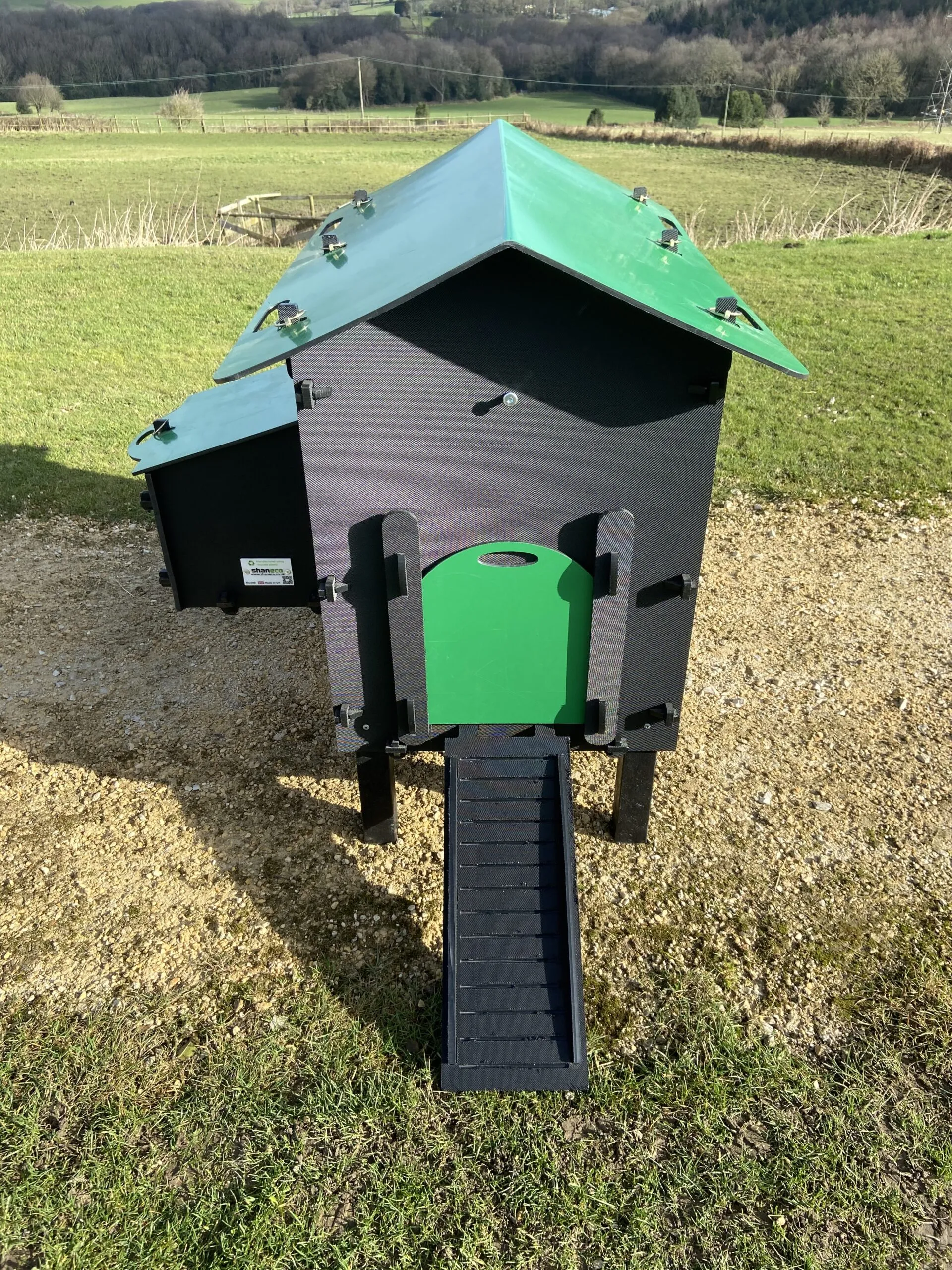
One of the most significant advantages of chicken coop plastic is its exceptional durability and resistance to various weather conditions. Unlike wood, plastic doesn’t rot, warp, or splinter when exposed to moisture, sunlight, and temperature fluctuations. This resilience ensures that your coop remains structurally sound for years, reducing the need for frequent repairs or replacements. Plastic is also resistant to UV degradation, preventing it from becoming brittle or discolored over time. This inherent durability translates to long-term savings, making plastic a cost-effective solution for your chicken coop needs. The image shows the durability of the coop and also the weather resistance of the plastic.
Easy Cleaning and Maintenance

Cleaning and maintaining a chicken coop can be a labor-intensive task. However, chicken coop plastic significantly simplifies this process. The non-porous surface of plastic makes it incredibly easy to clean and sanitize. Unlike wood, which can absorb odors and bacteria, plastic allows you to easily wipe away droppings, dirt, and other contaminants. A simple wash with soap and water, or a mild disinfectant, is usually all that’s required to keep your coop clean and hygienic. This ease of cleaning not only saves you time and effort but also helps to prevent the buildup of harmful bacteria, ensuring a healthier environment for your chickens. The image shows the ease of cleaning.
Cost-Effectiveness and Affordability
While the initial cost of chicken coop plastic might be slightly higher than some other materials, its long-term cost-effectiveness often makes it the more economical choice. The durability and weather resistance of plastic translate to reduced maintenance costs over time. You won’t have to worry about replacing rotted wood or dealing with constant repairs. Additionally, the ease of cleaning and sanitizing minimizes the need for harsh chemicals and labor-intensive cleaning routines. The longevity of plastic ensures that your coop remains functional and aesthetically pleasing for many years, providing excellent value for your investment. Think of the savings!
Improved Insulation and Temperature Control
Chicken coop plastic can significantly enhance the insulation and temperature control within your coop. Many plastic materials have inherent insulating properties, helping to regulate the internal temperature. This is particularly beneficial in extreme weather conditions. In the summer, plastic can help to reflect sunlight and reduce heat buildup, keeping your chickens cool and comfortable. In the winter, it can help to retain heat, protecting your birds from the cold. This improved temperature control not only enhances the well-being of your chickens but also can contribute to increased egg production and overall flock health. The image shows the insulation of the plastic and the cool environment of the coop.
How Chicken Coop Plastic Can Enhance Your Coop

Pest and Predator Prevention
Chicken coop plastic offers a significant advantage in pest and predator prevention. The smooth, non-porous surface of plastic makes it difficult for pests such as mites and lice to find a foothold. This can help to minimize infestations and protect your chickens from parasites. Additionally, plastic can be more resistant to predator attacks than wood. It is more difficult for predators to chew through or break down, providing an extra layer of protection for your flock. The image shows the protection of the coop from predators.
Versatility and Customization Options
Chicken coop plastic offers a high degree of versatility and customization options. It can be easily cut, shaped, and assembled to fit a variety of coop designs and sizes. This allows you to create a coop that perfectly meets the needs of your flock and complements your backyard space. Furthermore, plastic is available in a wide range of colors and styles, allowing you to personalize your coop and enhance its aesthetic appeal. Whether you’re building a new coop from scratch or renovating an existing one, plastic offers the flexibility to bring your vision to life.
Lightweight and Easy Installation

Compared to other materials like wood or metal, chicken coop plastic is generally lightweight, making it easier to handle and install. This is particularly beneficial if you’re building the coop yourself or if you need to move it to a different location. The lightweight nature of plastic also reduces the overall weight of the coop, which can be an advantage if you’re concerned about the load-bearing capacity of your foundation or ground. The ease of installation saves you time and effort, allowing you to get your chickens settled into their new home more quickly.
Maximizing the Benefits of Chicken Coop Plastic
Choosing the Right Type of Chicken Coop Plastic
When selecting chicken coop plastic, it’s important to consider the different types available. Polycarbonate sheets and PVC panels are among the most popular choices. Polycarbonate is known for its durability, impact resistance, and UV protection, making it a great choice for roofing and siding. PVC is a versatile and cost-effective option that is easy to work with and clean. Each material offers unique advantages, so consider your specific needs and budget when making your selection. The image shows the materials available on the market.
Common Chicken Coop Plastic Materials

Various types of plastic are suitable for chicken coops. Polycarbonate is known for its strength, light transmission, and resistance to weather. PVC (Polyvinyl Chloride) is another popular option, often chosen for its affordability and ease of use. High-density polyethylene (HDPE) is a durable and chemical-resistant option. Consider factors like durability, cost, and ease of installation when choosing the right plastic for your coop. Look for materials specifically designed for outdoor use to ensure longevity and performance.
Thickness and Gauge Considerations
The thickness or gauge of the plastic you choose will impact its durability and performance. Thicker plastic is generally more robust and better able to withstand impacts and harsh weather conditions. However, it can also be more expensive and difficult to work with. Consider the specific application of the plastic. For roofing or siding, a thicker gauge may be necessary to provide adequate protection. For interior panels or partitions, a thinner gauge might suffice. Balancing cost, durability, and ease of installation will help you determine the right thickness for your project.
Installation and Maintenance Tips
Preparing the Coop for Plastic Installation

Before installing plastic, prepare the coop structure. Clean and repair any existing damage, and ensure the frame is sound. Measure accurately and cut the plastic panels to the correct size. Gather the necessary tools and fasteners, such as screws, nails, or adhesive, depending on the type of plastic and the coop design. Consider adding a framework to the coop’s frame. These steps will ensure a smooth and successful installation process, resulting in a durable and functional coop. The image shows the preparations for the installation.
Proper Installation Techniques
Follow these proper installation techniques. When installing plastic panels, use the appropriate fasteners and ensure they are properly spaced. Avoid over-tightening screws, which can warp or damage the plastic. Overlap panels slightly to create a weather-resistant seal. Seal any gaps with caulk or weather stripping. For roofing, ensure proper slope and drainage to prevent water accumulation. Pay attention to ventilation and ensure the coop has adequate airflow. Proper installation is crucial for maximizing the benefits of chicken coop plastic and ensuring its long-term performance.
Cleaning and Maintenance Routines
Implement regular cleaning and maintenance routines. Wash down the plastic surfaces with soap and water or a mild disinfectant. Rinse thoroughly to remove any residue. Inspect the coop regularly for any signs of damage or wear. Address any issues promptly to prevent further deterioration. By following these simple cleaning and maintenance tips, you can keep your chicken coop clean, hygienic, and in excellent condition, ensuring a healthy environment for your flock and prolonging the life of your coop. The image shows the maintenance of the coop.
In conclusion, chicken coop plastic offers a range of compelling benefits, making it an excellent choice for any poultry keeper. Its durability, ease of cleaning, cost-effectiveness, improved insulation, pest resistance, versatility, and ease of installation combine to create a superior environment for your chickens. By understanding the various types of plastic available, considering thickness and gauge, and following proper installation and maintenance practices, you can create a long-lasting, secure, and comfortable home for your flock. Embrace the advantages of chicken coop plastic and enjoy a healthier, more manageable coop!