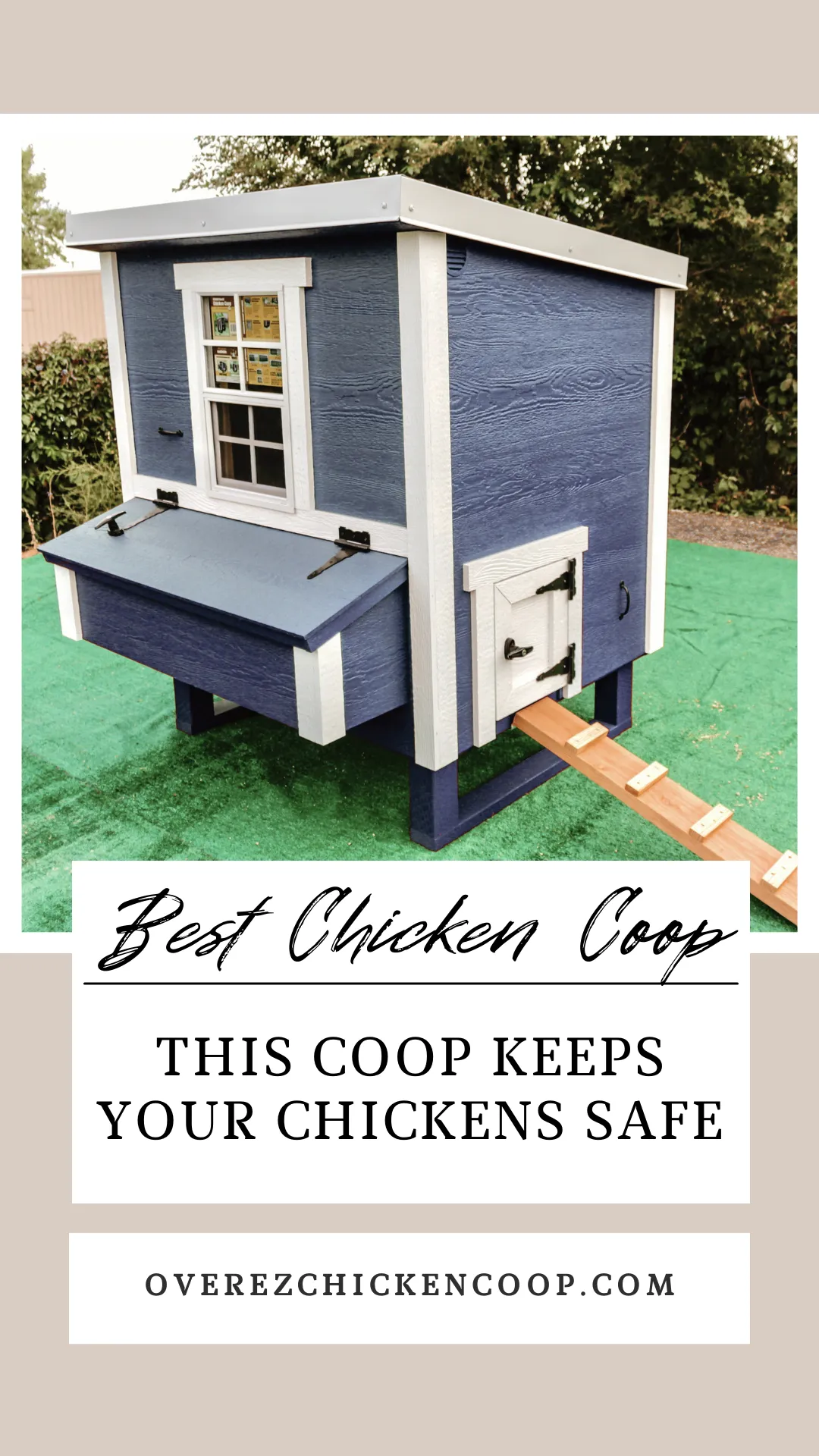
Protecting your chickens from predators is paramount for any backyard chicken keeper. A well-designed and predator-proof chicken coop is essential to ensure the safety and well-being of your flock. Predators can range from common household pets to wild animals, and they pose a constant threat to your chickens. This comprehensive guide provides a step-by-step approach to building and maintaining a secure chicken coop, minimizing the risk of predator attacks and giving you peace of mind. By implementing these strategies, you can create a safe haven for your chickens, allowing them to thrive in your backyard environment.
Planning Your Chicken Coop Predator Proofing
Before you start building or modifying your chicken coop, careful planning is crucial. Understanding the local predator threats and identifying the vulnerabilities of your current coop is the first step. This involves assessing the environment around your coop, taking into account the types of animals that frequent your area. Proper planning ensures that you choose the most effective predator-proofing methods for your specific situation, saving you time, money, and the heartache of a predator attack. A well-planned approach is the foundation of a secure chicken coop. This includes thinking about the size and location of your coop, the types of materials you’ll use, and the specific predator threats you need to address. Don’t forget to consider the terrain, nearby trees, and any potential entry points predators might exploit.
Identifying Local Predators
Knowing the common predators in your area is the most important step in predator-proofing. These predators vary widely depending on your geographical location. Taking the time to research and identify the specific threats you face will allow you to develop targeted defenses. A general awareness of the potential predators in your area will help you make the right decisions about coop design, fencing, and other deterrents. You can often find this information from your local agricultural extension office or by observing tracks, scat, or other signs of predator activity. Consider your neighborhood’s wildlife, as well as any nearby wooded areas or waterways that might attract predators.
Common Chicken Coop Predators

Common predators include raccoons, foxes, coyotes, dogs, weasels, opossums, and hawks or other birds of prey. Each predator presents unique challenges and requires different protective measures. For instance, raccoons are notorious for their intelligence and dexterity, making them adept at opening latches and digging under fences. Foxes and coyotes can easily jump or climb over lower fencing, while weasels can squeeze through very small openings. Hawks and other birds of prey pose a threat from above, requiring a covered run or coop. Dogs, both domestic and feral, can be particularly aggressive. Understanding the specific behaviors and capabilities of these animals is essential for designing effective defenses. For example, a latch that a raccoon can’t open is key. Consider the size and weight of these animals when planning your defenses, as well.
Signs of Predator Activity
Being vigilant and knowing the signs of predator activity can help you prevent attacks before they occur. Look for tracks, scat, feathers, or any unusual disturbances around your coop. Missing chickens, broken eggs, or holes in your fencing are also clear indicators. If you notice these signs, take immediate action to reinforce your defenses. Regularly inspecting your coop and surrounding area will help you detect potential vulnerabilities. Setting up a trail camera can provide valuable information about the types of predators visiting your property, allowing you to tailor your protective measures accordingly. Always secure your coop at dusk and dawn, when predators are most active. A quick inspection of your coop before nightfall is always a good idea.
Building a Secure Chicken Coop
The construction of your chicken coop is the most crucial aspect of predator-proofing. A well-built coop should be a fortress, impenetrable to potential threats. Pay attention to every detail, from the materials you use to the way you secure the doors and windows. The goal is to eliminate any potential entry points. Invest in high-quality materials and take the time to construct your coop properly. Remember, building a sturdy coop from the start is cheaper and less stressful than dealing with the aftermath of a predator attack. The more effort you put into building a solid coop, the safer your flock will be. Consider all angles of potential entry, as predators are persistent and resourceful.
Choosing the Right Materials

The materials you choose for your coop play a huge role in its security. Avoid using flimsy materials that predators can easily tear through. Solid wood, metal, and hardware cloth are your best bets. Always opt for durable materials that can withstand the elements and the attempts of predators to gain entry. Using strong, high-quality materials from the start will save you from the heartache of having to repair or rebuild your coop due to predator damage. Pressure-treated lumber is a good choice for the frame and supports, as it is resistant to rot and insect damage. Avoid chicken wire, as it is easily compromised. Instead, use hardware cloth with small openings that are difficult for predators to manipulate.
Using Hardware Cloth Effectively
Hardware cloth is the best defense against many predators. It is a heavy-duty wire mesh that is much stronger than chicken wire and is essential for protecting your chickens. When using hardware cloth, be sure to use it on all vulnerable areas of your coop, including the walls, floor, roof, and windows. Burying the hardware cloth around the perimeter of your coop prevents digging predators from accessing the coop. The small openings of hardware cloth make it difficult for predators to reach inside. It’s also important to secure the hardware cloth properly, overlapping the edges and using screws or staples to attach it to the frame. Make sure there are no gaps or weak points where predators could potentially enter. This is a critical investment in the security of your chickens, ensuring that your coop remains a safe haven.
Securing the Coop Walls and Roof
The walls and roof of your chicken coop are the first line of defense against predators. The walls should be constructed from solid wood or another durable material. The roof should be secure and firmly attached to prevent predators from gaining access from above. Use hardware cloth to cover any openings, such as vents or windows. Ensure that there are no gaps or weak points where predators could potentially enter. The roof needs to be able to withstand wind, rain, and the weight of snow, so choose sturdy materials. Regularly inspect the walls and roof for any signs of damage, such as holes or loose boards, and repair them promptly. A well-secured roof also provides protection from the elements, ensuring your chickens stay dry and comfortable.
Protecting the Coop Floor

The floor of your chicken coop is another critical area that needs careful attention. Predators often try to dig under the walls to gain access. The best way to prevent this is to bury hardware cloth around the perimeter of the coop, extending it outwards to create an underground barrier. You can also use concrete or a solid wood floor. Ensure that the floor is level and stable, so that predators cannot easily undermine it. Regular inspection of the floor is necessary to identify any potential weaknesses. A solid floor will also help to keep your coop clean and dry, which can also prevent pests and diseases.
Strengthening the Coop Doors and Windows
Doors and windows are often the weakest points of a chicken coop, so it is essential to reinforce them. Use strong latches and hinges that predators cannot easily open. Make sure the doors fit snugly in their frames, with no gaps where predators could squeeze through. Cover the windows with hardware cloth to prevent entry. Avoid using flimsy or easily broken glass. Inspect the doors and windows regularly, and replace any damaged hardware immediately. Consider using multiple latches or a locking system for extra security. The more effort you put into strengthening these points, the safer your chickens will be. Remember, a determined predator will exploit any weakness, so ensure all access points are secure.
Reinforcing the Coop Perimeter
Reinforcing the perimeter of your chicken coop provides an extra layer of protection against predators. This involves creating physical barriers that make it difficult for predators to access your chickens. These barriers can include fences, buried hardware cloth, and electric fencing. The perimeter defense is designed to prevent digging, climbing, and jumping predators from reaching the coop. It will also make it more difficult for predators to approach the coop unnoticed. Reinforcing the perimeter offers peace of mind, knowing your chickens are further protected from threats. Consider what type of predators you are trying to deter when choosing your reinforcement methods.
Fencing Options for Predator Protection

Fencing is an essential part of predator-proofing your chicken coop and run. The type of fence you choose will depend on the types of predators in your area. For standard predator protection, a sturdy fence at least six feet high is recommended. Burying the bottom of the fence at least a foot deep prevents digging predators. Hardware cloth can be attached to the fence to prevent smaller animals from squeezing through. Consider an outward-facing overhang on the fence to prevent climbing. If you have a serious predator problem, you may want to consider a more robust fencing system. Be sure to inspect your fence regularly, and repair any damage immediately. Proper fencing will greatly increase the security of your chickens, creating a physical barrier against predators.
Burying Hardware Cloth to Prevent Digging
Burying hardware cloth around the perimeter of your coop is one of the most effective ways to prevent digging predators, such as foxes and coyotes, from accessing your chickens. Dig a trench around the perimeter of your coop, at least 12 inches deep and wide enough to accommodate the hardware cloth. Attach the hardware cloth to the bottom of the coop walls and extend it outwards into the trench. Then, backfill the trench, burying the hardware cloth. The buried hardware cloth creates an underground barrier that prevents predators from digging under the coop. This method is highly effective and is recommended for any chicken coop. Make sure that the hardware cloth is securely fastened to the coop and that there are no gaps where predators could slip through. This simple step can add a great deal of security to your coop.
Using Electric Fencing
Electric fencing is a highly effective, but often overkill, method of predator control. It provides an extra layer of security, deterring even the most persistent predators. This type of fencing delivers a brief, harmless shock when touched, teaching predators to avoid the area. Electric fencing requires careful installation to ensure its safety and effectiveness. Make sure to follow all local regulations regarding electric fencing. Using electric fencing is a very serious step, and can be the most effective, but it isn’t for everyone. Keep the fence well-maintained and clear of vegetation that could short-circuit it. The placement should also take into consideration any pets or children that could come into contact with it. For the most effective results, use electric fencing in conjunction with other predator-proofing methods.
Additional Predator Deterrents

In addition to building a secure coop and reinforcing the perimeter, consider using additional deterrents to further protect your chickens. These deterrents can help to scare away predators and make your coop and run less attractive to them. These extra measures enhance your overall predator-proofing strategy. They can be especially effective in areas with high predator pressure. Remember, there is no single foolproof method, but a combination of techniques will significantly improve your chickens’ safety.
Motion-Activated Lights
Motion-activated lights can deter nocturnal predators by startling them and making them feel exposed. Install these lights around your coop and run, strategically placed to cover all potential access points. They’re a simple and cost-effective addition to your predator control plan. The sudden burst of light can often scare away predators, making them think twice about approaching. Choose durable, weather-resistant lights. Position the lights so they are not directly shining into your chickens’ eyes. Ensure they are properly mounted and positioned to detect movement over a wide area.
Guard Animals
Consider using guard animals, such as dogs, llamas, or donkeys, to protect your chickens. These animals are naturally protective and can deter predators with their presence and behavior. A well-trained guard dog, for example, can patrol the perimeter of your coop and bark at any potential threats. A llama or donkey is known to be very protective of their flock. Guard animals are not a replacement for a secure coop, but they can provide an extra layer of defense. Before getting a guard animal, research their specific needs and the level of commitment required. Make sure the guard animal is properly socialized and trained to interact with your chickens safely.
Predator-Resistant Feeders and Waterers
Choosing predator-resistant feeders and waterers can help reduce the attraction of predators to your coop. Elevate feeders and waterers to prevent rodents from accessing them. Use feeders and waterers that are designed to be difficult for predators to tip over or access. By keeping food and water securely contained, you can eliminate a key attractant for predators. This helps to keep the area around your coop clean. Regular cleaning of your feeders and waterers is an important part of maintaining a healthy and secure environment for your chickens. Choose feeders that are designed to minimize spillage and waste.
Regular Coop Maintenance
Regular coop maintenance is crucial for long-term predator protection. This involves regularly inspecting your coop, repairing any damage, and maintaining a clean environment. Consistent maintenance will ensure that your coop remains secure and that your chickens are protected from predators. Setting up a regular maintenance schedule can help you stay on top of things. A proactive approach to coop maintenance is essential to maintaining a secure environment. A little bit of upkeep on a regular basis goes a long way in preventing problems. This includes more than just physical repairs; it includes keeping an eye on the behavior and health of your flock.
Checking for Damage and Weak Points
Regularly inspect your coop for any signs of damage or weak points. Look for holes in the walls, loose boards, damaged latches, and any other areas that predators could potentially exploit. Make sure to check the roof, floor, doors, and windows. The more frequently you inspect, the more likely you are to catch a problem before it becomes a crisis. Early detection allows you to make repairs quickly and prevent predators from gaining access. If you find any damage, repair it immediately. It is also essential to check the perimeter of your coop and run for any breaches in your fencing or other barriers. It’s always best to be proactive than reactive.
Maintaining a Clean Coop Environment
Maintaining a clean coop environment helps to prevent pests, diseases, and reduce the attraction of predators. Regularly clean out the coop, removing droppings and soiled bedding. Dispose of the waste properly. A clean coop also helps to keep your chickens healthy and happy. Eliminate any food sources that might attract predators, such as spilled feed. Provide fresh, clean water at all times. Proper ventilation is also important to reduce moisture and prevent the build-up of ammonia, which can be harmful to your chickens. Consider using a deep litter method that helps break down waste. A clean coop is essential for the health and safety of your flock, and is key for keeping away predators.
Monitoring Predator Activity
Keep a close eye on the surrounding environment and be aware of any signs of predator activity. Knowing what to look for can help you respond quickly to any potential threats. Regularly observe your chickens’ behavior. Any unusual behavior, such as excessive nervousness or hiding, could indicate that a predator is nearby. Use trail cameras to monitor the area around your coop, especially at night. Review the footage to identify any potential predators and determine their behavior. This information can help you adjust your predator-proofing strategies. Regularly check for tracks, scat, and other signs of predator activity. Consistent vigilance is key to protecting your chickens from predators.
In conclusion, predator-proofing your chicken coop is an ongoing process. By implementing the strategies outlined in this guide, you can create a safe and secure environment for your chickens. Remember to plan, build a secure coop, reinforce the perimeter, and maintain it regularly. With careful planning and attention to detail, you can protect your flock from predators and enjoy the rewards of raising healthy, happy chickens. This is not a one-time fix but an ongoing process. It is important to adapt your strategy as needed based on the predators in your area. A secure coop allows your chickens to thrive, providing you with fresh eggs and the joy of keeping these wonderful birds. Consistent effort ensures the safety and well-being of your flock for years to come.