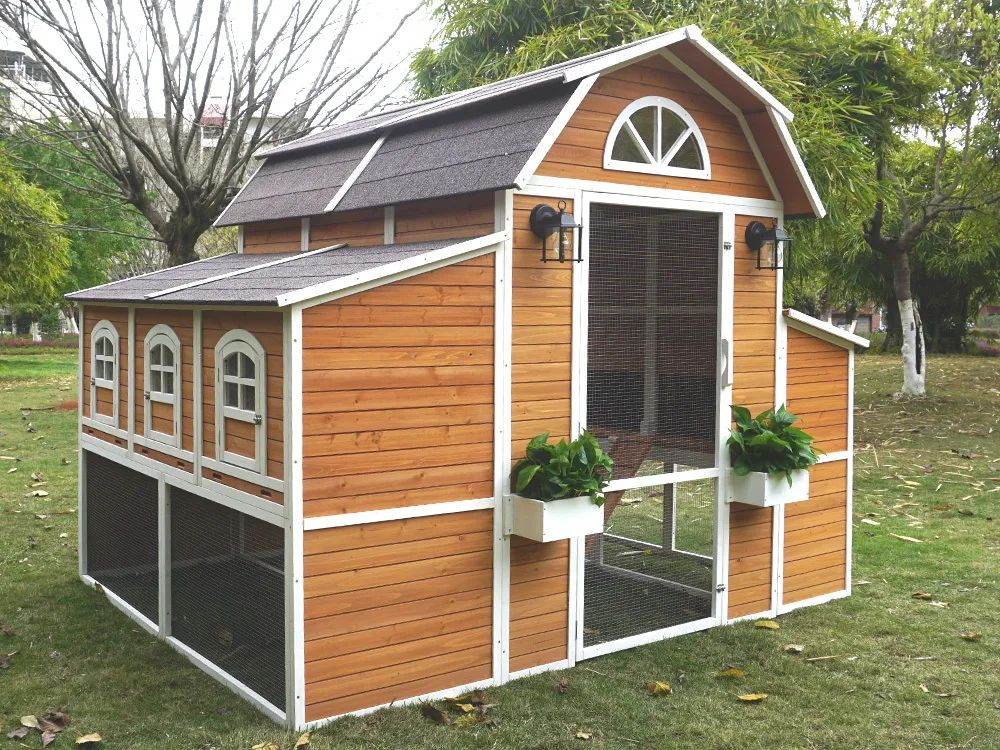
Understanding Chicken Coop Price
Purchasing a chicken coop is a significant investment for anyone looking to raise backyard chickens. Understanding the various factors that influence the chicken coop price is crucial before making a purchase. The cost of a chicken coop can range significantly based on several elements, including size, materials, features, and the vendor. It’s important to have a clear idea of your needs, budget, and the long-term costs involved to ensure you make an informed decision. This guide will help you navigate the complexities of chicken coop pricing, providing insights to help you find a coop that fits your requirements and budget. Knowing the ins and outs of chicken coop prices can save you money and ensure you get a high-quality coop for your chickens.
Factors Influencing Chicken Coop Price
Several key factors determine the price of a chicken coop, making it essential to evaluate each one carefully. These elements play a crucial role in determining the overall cost and the value you receive. Understanding these influences will allow you to better assess different coops and find one that meets your specific needs. Consider these factors as you research to make the best choice for your chickens and your wallet. Analyzing these factors will give you a comprehensive understanding of what impacts the price of a chicken coop.
Size and Capacity of Coop

The size and capacity of a chicken coop are primary determinants of its price. Coops designed to house a larger flock will naturally cost more due to increased material and labor requirements. The size of the coop also affects the amenities. Smaller coops might be more affordable but can be cramped, leading to health and behavioral issues for the chickens. When considering the capacity, it’s essential to factor in the breed of chickens, as larger breeds need more space. Always check the coop’s specifications to ensure it can comfortably accommodate the number of chickens you intend to keep, allowing ample room for each bird to move, roost, and nest.

Material and Construction Quality
The materials used in constructing the coop and the overall quality of construction significantly impact the price. Coops made from durable, weather-resistant materials like cedar or treated lumber tend to be more expensive than those made from cheaper materials such as pine or plastic. High-quality construction ensures the coop’s longevity, providing better protection from the elements, predators, and pests. Features like reinforced walls, sturdy roofing, and secure latches add to the cost but also to the safety and security of your chickens. Investing in a well-built coop can save money in the long run by reducing the need for repairs and replacements.

Features and Add-ons
The features and add-ons included in a chicken coop also affect its price. Standard features like nesting boxes, roosting bars, and ventilation systems are generally included, but additional features can drive up the cost. Consider features like automatic doors, predator-proof hardware, integrated run areas, and decorative elements. Optional add-ons like feeders, waterers, and insulation can further increase the price. Evaluate which features are essential to your needs and which are optional. Prioritize features that enhance your chickens’ health and well-being. Be mindful of any features that might improve convenience for you, such as easy-to-clean designs and accessible entry points.

Location and Delivery Costs

Your location can indirectly affect the price of a chicken coop due to shipping and delivery costs. Coops purchased from distant suppliers will incur higher shipping fees, especially for large or heavy structures. If you are buying locally, explore options for local pickup to save on these costs. Consider the ease of access to your property, as difficult terrains or remote locations might also increase delivery expenses. Always factor in these additional costs when comparing prices from different vendors, as they can significantly impact the overall investment. Make sure you understand the total cost, including delivery, to avoid any unpleasant surprises.
Top 5 Buying Tips for Chicken Coops
To make the best purchase decision, consider these five essential tips to guide you through the process. By following these recommendations, you can ensure that you choose a chicken coop that meets your requirements while also staying within your budget. These suggestions cover everything from initial research to long-term considerations, providing a well-rounded strategy for purchasing a coop.
Tip 1 Research Different Coop Types and Prices
Begin by researching various types of chicken coops available, including pre-built coops, DIY kits, and custom-built options. Compare prices from different vendors, including online retailers, local farm supply stores, and specialty builders. Each type has advantages and disadvantages. Pre-built coops offer convenience, while DIY kits can be more cost-effective for those with building skills. Custom-built coops allow for tailored designs but may come with a higher price tag. Take the time to assess the range of prices associated with each type and create a comparison chart to keep track of your findings.

Tip 2 Consider Coop Materials and Durability

Assess the materials used in the construction of each coop. Evaluate whether the materials are durable and weather-resistant, such as cedar, treated lumber, or metal. Understand the construction methods, and look for features like reinforced walls, secure latches, and sturdy roofing. These features are crucial for the longevity and predator resistance of the coop. Although high-quality materials might increase the initial price, they can result in long-term savings by reducing the need for repairs and replacements. Check for warranties on the coop’s components to ensure that your investment is protected.
Tip 3 Evaluate Coop Features and Add-ons
Carefully evaluate the features and add-ons included with each coop. Consider essential features like nesting boxes, roosting bars, and ventilation systems. Determine whether additional features, such as automatic doors, predator-proof hardware, and integrated run areas, are essential to your needs. Assess the value of optional add-ons like feeders, waterers, and insulation. Prioritize features that enhance your chickens’ health, safety, and comfort, as well as any features that improve convenience. Make a checklist of essential features and compare how they fit your needs before making a purchase.
Tip 4 Compare Prices From Different Vendors
Get quotes from multiple vendors, including online retailers, local farm supply stores, and custom builders. Compare the prices of similar coops, taking into account all the features, materials, and sizes. Don’t forget to factor in delivery costs, as these can significantly impact the overall price. Check for any additional fees, such as assembly charges or taxes. Evaluate the vendor’s reputation, customer reviews, and warranty policies to ensure you are dealing with a reliable source. Consider the value you receive for the price paid, not just the lowest price, to guarantee a good return on your investment.
Tip 5 Factor in Long-Term Costs and Maintenance

Look beyond the initial chicken coop price and consider the long-term costs associated with ownership, including maintenance, cleaning, and potential repairs. Consider the ease of cleaning and maintenance of the coop. Evaluate the durability of the materials, as coops made from cheaper materials might require more frequent maintenance or replacement. Factor in the cost of any necessary supplies, such as bedding, cleaning solutions, and pest control products. Choose a coop that is not only affordable upfront but also cost-effective to maintain over time. Proper maintenance will extend the coop’s lifespan and keep your chickens safe and healthy.

Where to Find the Best Chicken Coop Prices
Finding the best chicken coop prices requires some research and comparison. Consider these sources to get the best deals and find a coop that suits your needs. Different sources offer various options in terms of price, quality, and service. By exploring these locations, you can increase your chances of finding the ideal chicken coop within your budget.
Online Retailers
Online retailers offer a wide selection of chicken coops, often at competitive prices. E-commerce platforms allow you to compare prices from different sellers and read customer reviews, providing insights into the quality and reliability of various coops. Check for sales, discounts, and free shipping offers. Read the product descriptions and specifications carefully, and pay attention to the materials and construction quality. Take note of the shipping and return policies before making a purchase. Be sure to check the seller’s reputation and reviews to ensure you are purchasing from a trusted source.

Local Farm Supply Stores

Local farm supply stores are an excellent resource for buying chicken coops. They often stock a range of coops in different sizes and styles. Visiting a local store allows you to inspect the coop in person and assess its build quality. Store employees can provide expert advice and answer any questions you may have. Local stores can also offer support with assembly and maintenance. You might find better pricing during seasonal sales or when purchasing multiple items. Supporting local businesses can also provide benefits such as easier returns and personalized customer service.
Specialty Chicken Coop Builders
Specialty chicken coop builders can provide custom-built coops or high-quality pre-built options. These builders often specialize in crafting coops made from durable materials, ensuring the safety and comfort of your chickens. Although the initial price might be higher than that of mass-produced coops, custom coops often provide better value in the long run due to their durability and tailored features. If you require specific features, unique designs, or predator-proof construction, a specialty builder can be a great option. They can also provide expert advice. Research the builder’s experience, review their portfolio, and obtain multiple quotes to ensure you get the best value for your investment.
Conclusion
Understanding the factors influencing chicken coop prices and following these buying tips will ensure that you make an informed decision. By researching different coop types, assessing materials and features, comparing prices, and considering long-term costs, you can find a coop that meets your needs. Whether you choose to purchase from online retailers, local farm supply stores, or specialty builders, careful planning and a bit of research will help you provide a safe, comfortable, and affordable home for your chickens. Happy chicken keeping!
