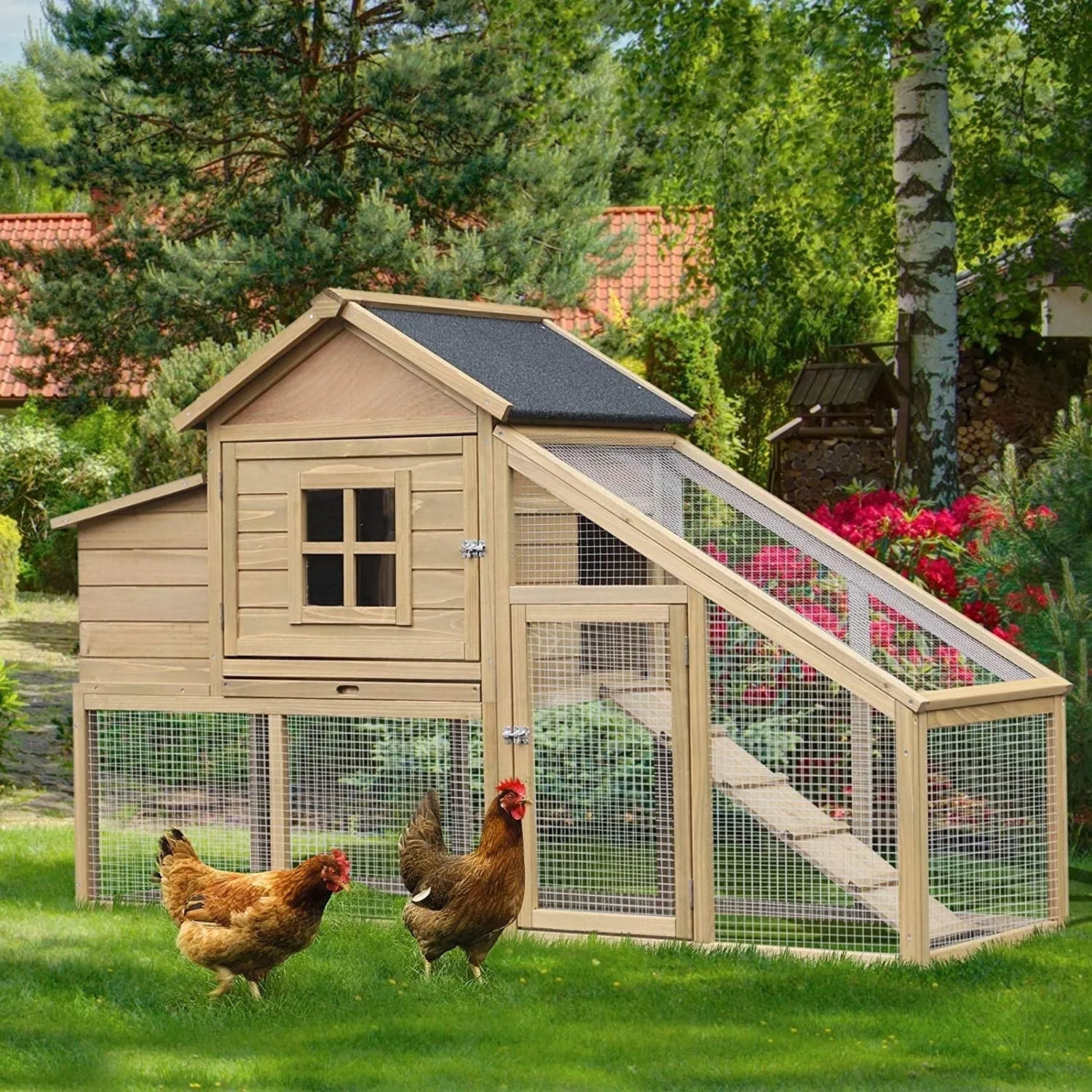
Chicken Coop Prices Factors Overview
Embarking on the journey of chicken keeping can be incredibly rewarding, but before you can enjoy fresh eggs and the company of your feathered friends, you’ll need a chicken coop. Understanding the factors that influence chicken coop prices is crucial for budgeting and making informed decisions. The cost of a chicken coop can vary significantly, ranging from a few hundred to several thousand dollars. This guide will explore the top five factors that impact the price of a chicken coop, helping you navigate the process and find the perfect coop for your needs and budget. Considering the type of coop to the materials it’s made of is essential when buying a coop, let’s explore the main components.
Coop Size and Capacity Impact
One of the most significant determinants of chicken coop prices is its size and the capacity it offers. The more chickens you plan to keep, the larger your coop needs to be. Larger coops require more materials, leading to higher costs. Size isn’t just about the overall dimensions; it also dictates the complexity of the construction and the additional features needed to ensure the chickens’ well-being.
Number of Chickens and Space Needs

The number of chickens you intend to house directly affects the coop’s size. It’s essential to provide each chicken with adequate space to prevent overcrowding, which can lead to stress, disease, and reduced egg production. A general guideline is to allocate at least 4 square feet of floor space per chicken inside the coop and 8-10 square feet per chicken in the outdoor run. The space will impact the price.
Size and Space for Chickens
Consider the size of the chickens you plan to keep. Larger breeds will require more space than smaller ones. This includes not only the floor space inside the coop but also the height of the coop, ensuring they have enough room to move around comfortably. Proper ventilation and access to sunlight are also critical components that can influence the overall design and cost of the coop. The bigger, the more expensive.
Materials and Construction Costs
The materials used in constructing a chicken coop significantly affect its price. The choice of materials impacts durability, appearance, and maintenance requirements. Building materials are a key component. High-quality materials often come with a higher price tag but can offer greater longevity and protection for your flock. Construction methods, whether using pre-fabricated panels or custom-built structures, also contribute to the overall cost.
Wood vs. Metal Chicken Coops

Wood is a traditional and aesthetically pleasing choice for chicken coops. It offers good insulation and can be customized to various designs. However, wood requires regular maintenance, such as painting or sealing, to protect it from the elements and prevent rot. Metal coops, on the other hand, are often more durable and require less maintenance. They are typically more resistant to pests and harsh weather conditions. The initial cost of metal coops can vary, often being comparable to or slightly higher than wooden coops, depending on the design and features.
Durability and Weather Resistance
The durability and weather resistance of the materials are crucial for the longevity of your coop. Coops must withstand various weather conditions, including rain, snow, wind, and sun exposure. Materials like pressure-treated wood, cedar, or composite materials are more resistant to decay and pests, extending the coop’s lifespan. The design features, such as sloped roofs, proper drainage, and secure doors and windows, can also influence the cost.
Features and Amenities and the Impact on Price
The features and amenities included in a chicken coop can significantly impact its price. These features enhance the convenience, comfort, and safety of the chickens, as well as the ease of maintenance for the owner. The more features a coop has, the higher the cost is going to be.
Nesting Boxes and Roosts

Nesting boxes and roosts are essential features. Nesting boxes provide a safe and comfortable place for hens to lay their eggs, while roosts offer a place for chickens to sleep at night. Coops often come standard with a certain number of nesting boxes and roosts. Additional boxes or specialized designs can increase the cost. Higher-quality nesting boxes and roosts that are easier to clean and maintain will also influence the price.
Automatic Doors and Ventilation Systems
Automatic doors add convenience and security. These doors open and close automatically, using a timer or light sensor, to protect chickens from predators and regulate their access to the coop. Ventilation systems are crucial for maintaining a healthy environment inside the coop. Proper ventilation prevents the buildup of moisture, ammonia, and odors. The design impacts the coop’s cost.
Labor and Installation Costs
Labor and installation costs can be a significant portion of the overall expense, particularly if you opt for a custom-built or pre-built coop that requires professional assembly. The complexity of the design, the materials used, and the site conditions will influence these costs. If you are not familiar with DIY projects, consider hiring an expert to help.
DIY vs. Pre-Built Options

DIY (Do-It-Yourself) chicken coops can be more cost-effective, as you only pay for the materials. However, this option requires time, skills, and tools. Pre-built coops range from simple kits to fully assembled structures. While they may have a higher upfront cost, they save time and effort. Professional installation services also add to the price but ensure the coop is correctly assembled and installed.
Local Regulations and Permits
Local regulations and permits can impact the overall cost of a chicken coop. Before purchasing or building a coop, it’s essential to research the local zoning laws, building codes, and any permit requirements. These regulations ensure that the coop complies with safety standards and doesn’t negatively impact neighbors or the environment. Failure to comply with these can result in fines or the need to modify or remove the coop, which can be costly.
Zoning and Building Codes
Zoning laws often dictate where a chicken coop can be located on your property. They may specify setback requirements from property lines, restrictions on coop size, and the number of chickens allowed. Building codes address the construction standards, including the materials used, structural integrity, and fire safety measures. Complying with these codes ensures the safety and longevity of the coop.
Location and Delivery

The location where you purchase the chicken coop and the delivery options available can also affect the price. Local suppliers may offer competitive pricing and more convenient delivery options. Online retailers might offer a wider selection, but shipping costs can be substantial. Additionally, the accessibility of your property will influence delivery costs.
Accessibility and Site Preparation
The accessibility of your property plays a role in delivery and installation. If the coop needs to be transported to a location that is difficult to access, such as a sloped yard or a narrow pathway, it may require special equipment or additional labor, which will increase the costs. Preparing the site where the coop will be placed, such as leveling the ground and ensuring proper drainage, is also essential and can impact the overall expense. The space and accessibility matters.
Chicken Coop Prices Summary
Understanding the factors that influence chicken coop prices is crucial for making informed decisions and staying within your budget. By carefully considering coop size, materials, features, labor costs, local regulations, and location, you can find a chicken coop that meets your needs and provides a safe and comfortable home for your flock. Researching your options, comparing prices, and planning ahead will help ensure a successful and cost-effective chicken-keeping experience. The key to getting the best price is to do your research.