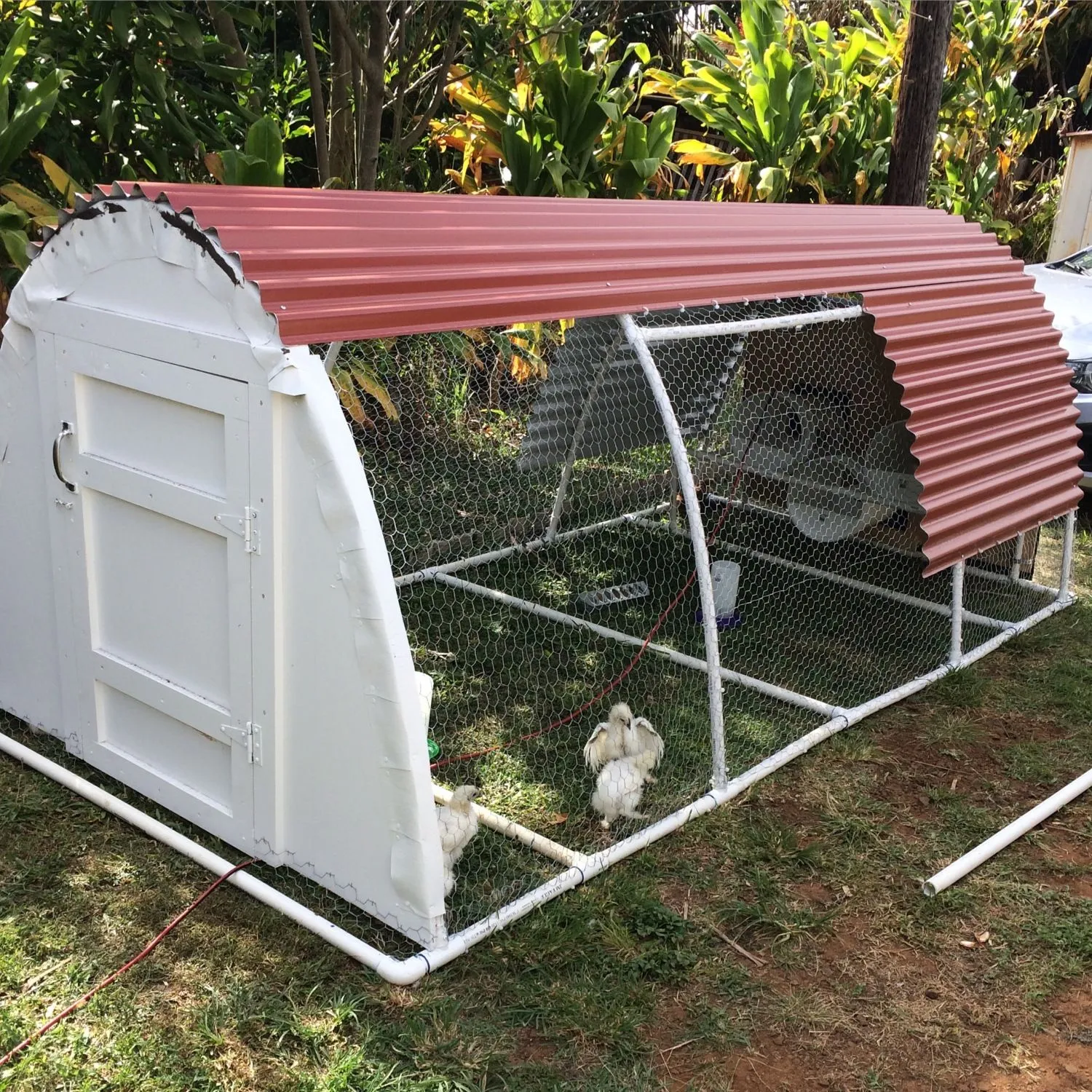
Why Use PVC for Chicken Coops
Building a chicken coop is a rewarding project, and choosing the right materials is crucial for the safety and comfort of your flock. PVC, or Polyvinyl Chloride, has emerged as a popular choice for coop construction, offering several advantages over traditional materials like wood. From its durability and ease of maintenance to its cost-effectiveness, PVC presents a compelling solution for both novice and experienced poultry keepers. This guide explores the key reasons why PVC is an excellent choice for your chicken coop, providing you with the knowledge to create a secure and long-lasting home for your chickens.
Durability and Weather Resistance
One of the primary benefits of PVC is its remarkable durability and resistance to the elements. Unlike wood, PVC does not rot, warp, or splinter, making it ideal for outdoor structures. It can withstand exposure to rain, snow, and sunlight without deteriorating, ensuring a long lifespan for your chicken coop. This weather resistance reduces the need for frequent repairs and maintenance, saving you time and money in the long run. The robust nature of PVC also means your coop can withstand the wear and tear from your chickens, providing a safe and secure environment for them.
Cost-Effectiveness and Affordability

PVC is a cost-effective material, often more affordable than treated lumber or other construction materials. The initial investment in PVC pipes and fittings can be offset by its long lifespan and minimal maintenance requirements. You won’t need to spend extra money on paint, sealant, or wood treatments. Furthermore, the ease of working with PVC means you may be able to build your coop yourself, saving on labor costs. Considering the longevity and low maintenance, PVC chicken coops offer excellent value for money, making them an attractive option for budget-conscious chicken keepers.
Ease of Cleaning and Maintenance
PVC surfaces are incredibly easy to clean and sanitize, which is essential for maintaining a healthy environment for your chickens. Unlike wood, PVC doesn’t absorb moisture, preventing the build-up of bacteria and odors. A simple wash with soap and water, or a mild disinfectant, is usually sufficient to keep your coop clean. This ease of cleaning reduces the risk of disease and pests, ensuring your chickens stay healthy. Regular maintenance is also simplified, as there’s no need for painting, staining, or extensive repairs, allowing you to spend more time enjoying your flock.
Top 5 Tips for Building a PVC Chicken Coop
Building a PVC chicken coop can be a straightforward and enjoyable project with the right approach. Following these top 5 tips will help ensure a successful build, resulting in a safe, secure, and comfortable home for your chickens. From planning and design to the final touches, each tip is crafted to guide you through the process, minimizing potential challenges and maximizing the functionality of your coop. Proper preparation and attention to detail are key, enabling you to create a durable and attractive coop that meets your chickens’ needs.
Tip 1 Planning and Design

Start by creating a detailed plan and design. Consider the number of chickens you plan to house, local climate conditions, and your available space. Research various PVC coop designs online or create your own custom plan. Sketch out the dimensions, including the coop’s footprint, height, and the placement of doors, windows, and nesting boxes. Make a list of all the necessary materials, including PVC pipes of different diameters, fittings (elbows, tees, connectors), hardware (screws, hinges), and any additional materials like wire mesh for the run and roofing material. Planning ahead will prevent costly mistakes and ensure your build goes smoothly.
Tip 2 Material Selection
Choose high-quality PVC pipes and fittings to ensure the coop’s durability. Schedule 40 PVC pipes are a good choice for their strength and are readily available at most hardware stores. Select appropriate fittings such as elbows, tees, and couplings, ensuring they fit the pipe diameter. In addition to PVC, you will also need hardware items. Use stainless steel screws or other corrosion-resistant fasteners to avoid rust. For the run, choose sturdy wire mesh with small openings to prevent predators from entering and chickens from escaping. Select roofing material that is weather-resistant and suitable for your climate.
Tip 3 Cutting and Assembly
Precise cutting is essential for a well-constructed coop. Use a PVC pipe cutter or a saw to ensure clean, square cuts. Measure twice and cut once to avoid wasting materials. Assemble the frame of the coop by connecting the PVC pipes using the appropriate fittings. For added stability, use PVC cement to permanently bond the joints. Ensure all connections are secure and that the frame is square. When attaching wire mesh to create the run, use staples or screws to secure it to the PVC frame, ensuring there are no gaps that predators can exploit. Proper assembly is vital for structural integrity and long-term durability.
Tip 4 Securing and Reinforcing

To fortify your chicken coop, add reinforcement where needed. Consider adding extra support to the corners and joints of the PVC frame for increased stability, especially in windy areas. Use screws to firmly attach the PVC pieces together. Ensure the wire mesh is securely fastened to prevent predators from gaining access. Bury the wire mesh around the perimeter of the run to prevent digging predators from entering. Reinforce doors and windows with sturdy hinges and latches. Regularly inspect the coop to ensure all connections and fasteners remain secure. Secure construction is essential for protecting your chickens from harm.
Tip 5 Ventilation and Access
Proper ventilation is crucial for the health of your chickens. Design the coop with adequate ventilation to prevent the build-up of ammonia and moisture. Install vents near the roofline and consider adding windows that can be opened for airflow. Ensure good cross-ventilation to maintain a healthy environment. Plan for easy access to the coop for cleaning and collecting eggs. Design the coop with a large door for yourself and smaller access points for your chickens. Place nesting boxes in an accessible location, making it easy for you to gather eggs. Proper ventilation and ease of access are essential for the well-being of your chickens and the convenience of their care.
PVC Chicken Coop Design Ideas
The design of your PVC chicken coop is limited only by your imagination and skill. There are numerous design possibilities, from simple, compact coops to more elaborate structures with attached runs, nesting boxes, and roosting bars. When considering design ideas, keep in mind the size of your flock, the local climate, and the available space. Consider designs that incorporate easy access for cleaning, collecting eggs, and providing food and water. Explore different layouts, such as A-frame coops, enclosed coops, or coops with integrated runs. You can even add decorative elements to personalize your coop, reflecting your unique style and preferences.
Coop Size and Space Considerations

Ensure your coop provides enough space for your chickens to comfortably move, roost, and nest. As a general guideline, allow at least 4 square feet of floor space per chicken inside the coop, and 8-10 square feet per chicken in the run. Overcrowding can lead to stress, illness, and behavioral issues, such as pecking. Consider the height of the coop, ensuring there’s enough headroom for your chickens to move freely. Evaluate the available space in your yard and choose a coop size that fits your needs while also providing ample room for your flock. Account for future growth if you plan to expand your flock.
Door and Window Placement
Thoughtful placement of doors and windows enhances the functionality and comfort of your PVC chicken coop. Position the door for easy access to the coop for cleaning and collecting eggs. Place the door in a location that is convenient for you. Windows provide natural light and ventilation. Install windows in a way that allows for airflow while also providing protection from the elements. Ensure windows are securely fastened, and consider adding wire mesh to prevent predators from entering. The strategic placement of doors and windows will improve the practicality and comfort of your chicken coop, benefiting both you and your chickens.
Nesting Box and Roosting Bar Integration
Integrating nesting boxes and roosting bars into your PVC chicken coop is essential for the well-being of your chickens. Nesting boxes provide a safe and comfortable place for hens to lay their eggs. Place the nesting boxes in a quiet, secluded area of the coop, away from drafts. Make sure each box is large enough for a hen to comfortably sit and turn around, and line the boxes with soft bedding, such as straw or wood shavings. Roosting bars provide a place for chickens to sleep at night. Place the roosting bars at a height that is comfortable for your chickens. Ensure the bars are wide enough for your chickens to comfortably perch. Proper integration of these features will enhance the comfort and functionality of your coop.
Maintaining Your PVC Chicken Coop

Regular maintenance is key to keeping your PVC chicken coop in top condition, ensuring it remains a safe and healthy environment for your chickens. Although PVC is inherently low-maintenance, a few simple practices will extend its lifespan and keep your coop looking its best. Consistent cleaning, prompt repairs, and regular inspections are all part of a successful maintenance routine. Taking the time to care for your coop will protect your investment and help your chickens thrive.
Cleaning and Sanitizing
Clean your PVC chicken coop regularly to remove dirt, droppings, and debris. A general cleaning schedule can be as frequent as once a week, or more often if needed. Remove all bedding and scrub the surfaces with a brush and soapy water. Rinse thoroughly, and then apply a poultry-safe disinfectant to kill bacteria and parasites. Allow the coop to dry completely before replacing the bedding. Regular cleaning prevents the build-up of harmful bacteria and reduces the risk of pests and diseases. Maintaining a clean coop is fundamental to keeping your chickens healthy and happy.
Repairing and Reinforcing
Inspect your PVC chicken coop regularly for any signs of damage or wear and tear. Check for cracks, loose fittings, or any areas that may need reinforcement. Make any necessary repairs promptly to prevent small issues from becoming bigger problems. Use PVC cement to reattach loose joints or replace any damaged PVC pipes. Tighten any loose screws or fasteners. Reinforce weak areas, especially if you live in an area with extreme weather conditions. Keeping your coop in good repair ensures its structural integrity and keeps your chickens safe from predators and the elements.
PVC Chicken Coop FAQs

Here are some of the most frequently asked questions about PVC chicken coops. Understanding these common queries can provide clarity and assist you in building and maintaining a coop that meets your needs.
- Is PVC safe for chickens? Yes, PVC is a non-toxic material that is safe for chickens. Ensure you use appropriate PVC cement and fasteners.
- How long will a PVC chicken coop last? With proper construction and maintenance, a PVC chicken coop can last for many years.
- How do I clean a PVC chicken coop? Cleaning a PVC coop is simple. Use soap and water, or a mild disinfectant.
- What are the best dimensions for a chicken coop? This depends on the number of chickens you plan to house. A general guideline is 4 square feet of floor space inside the coop per chicken, and 8-10 square feet in the run.
- Can I paint a PVC chicken coop? Yes, you can paint a PVC chicken coop with paints designed for plastics. However, it is not always necessary.