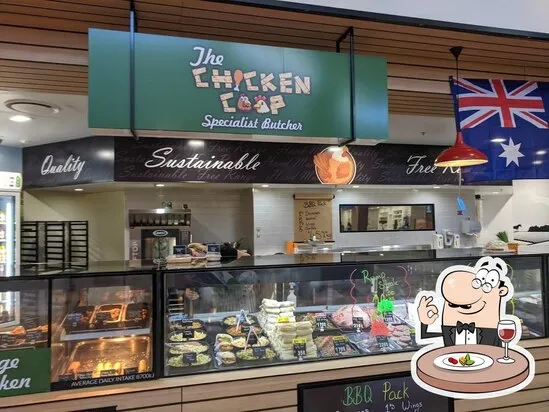
What is a Chicken Coop Restaurant
A Chicken Coop Restaurant is a unique dining establishment, the concept of which is to provide customers with a warm, rustic experience often associated with the comfort of home-style cooking. Unlike traditional restaurants, a Chicken Coop Restaurant capitalizes on a specific theme, focusing on dishes, primarily chicken based, within an ambiance that is inspired by rural life. The core idea is to provide a retreat from the conventional dining experience, creating an environment where customers feel relaxed and comfortable. The restaurant often leverages the visual aesthetics of a chicken coop by incorporating relevant design elements, creating a narrative that attracts customers who appreciate a novel approach to dining.
The Concept Behind Chicken Coop Restaurants
The fundamental concept of a Chicken Coop Restaurant revolves around creating a memorable experience. It involves a fusion of theme, menu, and customer service to offer a comprehensive dining experience. The idea taps into the consumer’s desire for authenticity and novelty, ensuring that every aspect of the restaurant supports its core values. The restaurants aim to appeal to those seeking wholesome, home-cooked style meals. The strategy also includes establishing a friendly and engaging atmosphere, where customers not only enjoy food but also the entire dining experience. This requires attention to detail, from the decor and music to staff interactions.
The Unique Selling Points of Chicken Coop Restaurants

Chicken Coop Restaurants have several unique selling points (USPs) that distinguish them from standard dining options. One significant USP is the thematic experience; the immersive environment often includes rustic decor, farm-style furniture, and associated audio and visual elements. A thoughtfully curated menu, with a focus on chicken and other country-style food, offers a point of differentiation. The emphasis on sourcing ingredients, emphasizing fresh, locally-sourced components, appeals to health-conscious and environmentally aware customers. The unique atmosphere and menu together create a distinct brand identity. This sets the Chicken Coop Restaurant apart, making it a memorable destination. Excellent customer service that enhances the overall positive experience completes the USP formula.
Creating a Unique Chicken Coop Restaurant Concept
Developing a distinctive concept for a Chicken Coop Restaurant requires careful planning and creativity. It begins with identifying the target audience: understanding their preferences and expectations. The restaurant’s concept should also align with the local culture and cuisine. Consider specific aspects, such as the ambiance and style of decor. The concept should also consider the culinary aspects, for example, what type of chicken dishes to offer. It should include the integration of technology, ensuring that ordering systems and marketing strategies are up-to-date. Finally, the restaurant concept must be cohesive, from its visual identity and menu to its overall marketing strategy, creating a fully integrated brand.
Developing a Menu That Stands Out
A memorable menu is essential to the success of a Chicken Coop Restaurant. Begin with a base of classic chicken dishes and innovate with unique flavor profiles. The menu should be varied enough to provide options for different tastes and dietary requirements. Highlight seasonal specialties and offer daily or weekly specials to keep the menu fresh and exciting. Use descriptive and attractive language to showcase the dishes; high-quality food photography can visually enhance menu appeal. It should be user-friendly, with clear ingredient lists and allergen information. By investing time and effort in the menu development, restaurants ensure their patrons are excited to visit and recommend their establishment.
Sourcing the Best Ingredients for a Chicken Coop Restaurant

Sourcing quality ingredients is paramount for creating exceptional dishes. Prioritize fresh, locally-sourced components, which can enhance the flavor profile and appeal to customers. Build relationships with local farmers, producers, and suppliers to ensure that you have a consistent supply of high-quality goods. Focus on ethically-raised chicken, possibly organic or free-range, to meet consumer demands. Transparency in your sourcing practices builds trust with customers who care about food origins and sustainability. Document the origins of your ingredients, as this information can be a key selling point. Proper ingredient sourcing and handling are vital to the restaurant’s reputation.
Designing an Attractive Restaurant
Restaurant design is integral to the overall customer experience. A well-designed restaurant creates an environment that reflects the Chicken Coop theme. Consider elements such as rustic decor, wooden furniture, and warm lighting to evoke the essence of a traditional coop. Thoughtfully incorporate design elements to support the theme without being overbearing. Ensure that the space is comfortable, offering a balance between spaciousness and cozy seating areas. Optimize the layout for efficiency to enhance the experience. Regularly maintain and update the restaurant’s design to keep it fresh and appealing. A design that effectively communicates the theme is crucial.
Creating a Welcoming Atmosphere for Guests
A welcoming atmosphere is created through multiple aspects of the restaurant. Provide exceptional customer service, where staff members are attentive, friendly, and proactive. Ensure that the restaurant’s design, from decor to music, supports a relaxed and inviting setting. Offer a clean and well-maintained environment to make guests feel comfortable. Create a sense of community, possibly through regular events, promotions, and loyalty programs. Consider elements such as background music and ambient lighting to create a cozy atmosphere. By focusing on these aspects, Chicken Coop Restaurants can ensure that their customers feel welcomed and are encouraged to revisit.
Marketing Strategies for Chicken Coop Restaurants

Effective marketing is vital for attracting and retaining customers. Develop a strong brand identity, including a logo, colors, and messaging that communicate the restaurant’s theme. Leverage digital marketing, with a user-friendly website that provides online ordering capabilities and promotes the restaurant. Utilize social media to showcase dishes, events, and customer reviews. Run targeted advertising campaigns on platforms like Google and social media to reach the desired customer base. Offer promotions and discounts to incentivize new and repeat customers. Collect customer feedback and reviews to improve the restaurant’s services. These methods are critical for creating brand awareness, attracting customers, and promoting loyalty.
Building a Strong Online Presence
A strong online presence is indispensable in the modern food industry. Develop a user-friendly website with high-quality images, a detailed menu, and contact information. Optimize the site for search engines to improve visibility. Create active social media profiles, regularly posting engaging content such as food photos, behind-the-scenes glimpses, and customer testimonials. Respond promptly to customer inquiries and reviews on various online platforms. Consider running targeted advertising campaigns on platforms such as Facebook and Instagram. Use tools such as Google My Business to ensure that your restaurant appears in local search results. An effective online presence helps attract more customers.
Customer Service Excellence in Chicken Coop Restaurants
Exceptional customer service is crucial for building a positive reputation. Train staff to be friendly, attentive, and proactive. Encourage them to anticipate customer needs and resolve any complaints efficiently. Implement clear communication channels to enable staff to effectively share information. Create a culture that values and encourages customer feedback, actively soliciting reviews and comments. Use the feedback to improve your operations and better understand customer needs. Reward positive feedback and empower staff to address issues. Providing excellent customer service ensures customer loyalty and builds a positive brand reputation.
Training Your Staff for Success

Thorough staff training is vital for maintaining consistent service quality. Provide comprehensive training programs covering all aspects of the restaurant. Train staff on food preparation, customer service protocols, and point-of-sale systems. Conduct regular training sessions to keep staff updated on new menu items, promotions, and service standards. Encourage teamwork and open communication among the staff members. Provide ongoing coaching and mentorship to help employees develop their skills and advance their careers. Invest in your employees, as it will help in customer satisfaction, and the restaurant’s overall success.
Operational Efficiency Tips
Improve operational efficiency to minimize waste and maximize profits. Use a well-designed kitchen layout to streamline food preparation. Implement inventory management systems to optimize stock levels. Utilize technology such as POS systems to track orders and manage sales. Regularly review and improve your processes to identify areas for efficiency gains. Implement practices such as food portioning and waste reduction. Training staff on efficient operational practices will help improve productivity and profit margins.
Cost-Effective Strategies to Manage Expenses
Careful expense management is essential for the financial health of the restaurant. Negotiate favorable terms with suppliers to reduce the costs of ingredients. Implement energy-efficient equipment and practices to lower utility bills. Reduce food waste by implementing effective portioning and storage practices. Use technology to automate tasks and minimize labor costs. Monitor all expenses regularly and identify areas for cost-cutting. By implementing these strategies, restaurants can manage costs.
Financial Planning and Profitability

Solid financial planning is critical for long-term success. Develop a detailed budget and track all income and expenses. Analyze financial statements such as profit and loss statements and balance sheets to monitor performance. Set sales targets and regularly evaluate progress towards those goals. Secure funding options such as business loans or investment. Create a pricing strategy. By implementing these financial practices, Chicken Coop Restaurants will increase profitability.
Challenges and Solutions for Chicken Coop Restaurants
Restaurant owners may encounter several challenges. Intense competition from other restaurants requires effective marketing. Managing food costs involves sourcing ingredients. Maintaining consistent quality standards requires rigorous training and quality control. Economic downturns can affect customer spending and require business flexibility. These can be overcome by focusing on brand differentiation. Implementing cost-saving practices and building strong customer relationships are critical. Adapting to changing market demands is also important.
Overcoming Common Obstacles
Overcoming common obstacles is crucial for sustained success. Implement customer feedback. Maintain exceptional customer service. Regularly adapt your menu and services. Proactively address negative reviews or comments. Build a loyal customer base by creating rewards programs. By continuously adapting, the restaurant can thrive.
Long-Term Sustainability of Chicken Coop Restaurants

Long-term sustainability depends on several factors. Maintain a distinct brand identity that resonates with customers. Focus on continuous improvement. Implement strategies to enhance profitability. Build a strong, loyal customer base. Adapt to changing market trends and consumer preferences. By focusing on long-term values, Chicken Coop Restaurants can thrive for years to come.
Expanding Your Chicken Coop Restaurant Business
If your restaurant thrives, consider expanding. Evaluate market conditions and identify promising locations. Develop a detailed business plan to include all aspects of expansion. Consider the option of franchising to increase brand awareness. Ensure that the brand is consistent across all locations. Prioritize strong management and training at all locations. Expand, with careful planning, it is possible to grow.