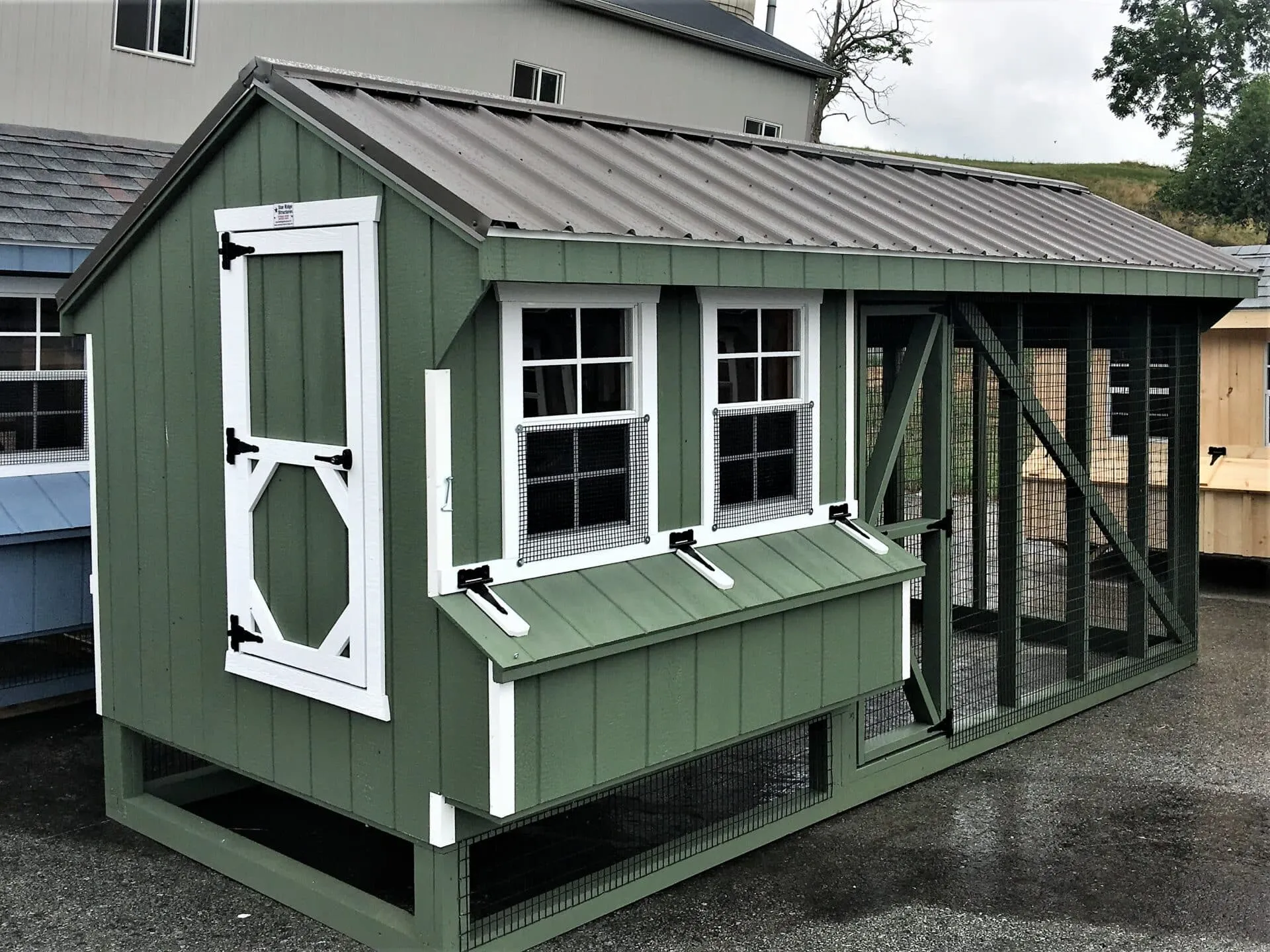
Choosing the Right Chicken Coop Roofing
Selecting the proper roofing material is one of the most critical aspects of chicken coop construction, as it protects your flock from the elements and ensures the coop’s longevity. A well-chosen roof shields chickens from rain, sun, and wind, contributing to their health and well-being. Furthermore, the right roofing material can significantly reduce maintenance requirements and enhance the overall aesthetics of your coop. With numerous options available, understanding the pros and cons of each material is essential to making an informed decision. The perfect chicken coop roofing balances durability, cost, ease of installation, and suitability for your local climate. This guide offers insights into various roofing options, helping you choose the best for your backyard chickens.
Understanding Roofing Materials
Several roofing materials are suitable for chicken coops, each offering different advantages and disadvantages. The best choice depends on your budget, climate, and personal preferences. Consider factors like the material’s lifespan, its resistance to weather conditions, and how easily it can be installed and maintained. Common materials include asphalt shingles, metal roofing, wood shakes, and other alternatives like rubber or composite roofing. Each of these materials has unique properties that affect the coop’s performance and appearance. Understanding these properties is the first step in selecting the right roofing solution for your chicken coop.
Asphalt Shingles

Asphalt shingles are a popular choice for chicken coop roofing due to their affordability and ease of installation. They are readily available at most home improvement stores and come in various colors and styles. Asphalt shingles provide decent protection from the weather and can last for several years with proper maintenance. However, their lifespan may be shorter in areas with extreme temperatures or heavy snowfall. Also, asphalt shingles may not be as durable as other options and can be susceptible to algae growth. Despite these drawbacks, asphalt shingles remain a practical and cost-effective solution for many chicken coop owners, especially those on a budget or looking for a quick installation.
Metal Roofing
Metal roofing is an excellent option for chicken coops, offering superior durability and longevity. Metal roofs can withstand harsh weather conditions, including heavy rain, snow, and strong winds. They are also resistant to fire and pests. Metal roofing comes in various forms, such as corrugated steel, aluminum, and standing seam, each with its aesthetics. While the initial cost of metal roofing may be higher than asphalt shingles, its long lifespan and low maintenance requirements can provide significant cost savings over time. Metal roofs are also environmentally friendly, often made from recycled materials and fully recyclable. Installing a metal roof can be more complex, so professional installation may be necessary.
Wood Shakes
Wood shakes offer a rustic and attractive aesthetic for your chicken coop. They provide excellent insulation and can help regulate the internal temperature of the coop. Wood shakes are typically made from cedar or redwood, known for their natural resistance to rot and insects. However, wood shakes require more maintenance than other materials, including regular treatments to prevent mold and mildew growth. Their lifespan can also be shorter in areas with high humidity or frequent rainfall. While visually appealing, the higher cost and maintenance demands of wood shakes make them a less common choice for chicken coop roofing than asphalt or metal.
Other Roofing Materials

Besides the main choices, other roofing materials can be considered. Rubber roofing offers excellent durability and is waterproof, making it a good option in areas with heavy rainfall. Composite roofing, made from recycled materials, provides an eco-friendly alternative with various styles and colors. These materials may be a good fit depending on specific needs. Each material has its unique characteristics and should be assessed based on the individual’s coop location and budget. Researching these less common options can help you find a unique and effective roofing solution.
Essential Tips for Chicken Coop Roofing
Tip 1 Consider Climate and Weather
The climate and weather conditions in your area should be a primary consideration when choosing roofing materials. For example, if you live in a region with heavy snowfall, you’ll need a roof that can withstand the weight of the snow and prevent leaks. Metal roofing is often a good choice in snowy climates due to its durability. In areas with high rainfall, you’ll need to ensure the roof is waterproof and properly sloped to allow water to drain effectively. Extreme heat can also impact roofing materials, so selecting a material that reflects sunlight can help maintain a cooler temperature inside the coop. Always consider your local climate when making your final decision on roofing material.
Tip 2 Prioritize Durability and Longevity

Investing in a durable and long-lasting roofing material can save you time and money in the long run. Chicken coop roofing needs to withstand the elements, including sun, rain, wind, and potential impacts from falling branches or debris. Materials like metal roofing and certain types of composite roofing offer superior durability compared to asphalt shingles. Consider the material’s expected lifespan and any warranties that come with it. Choosing a more durable material initially can prevent frequent repairs and replacements, ensuring the coop protects your chickens for years. Always assess the long-term value and choose a material that aligns with your budget.
Tip 3 Ensure Proper Ventilation
Proper ventilation is crucial for maintaining a healthy environment inside your chicken coop. Ventilation helps to remove moisture, ammonia, and other harmful gases, which can lead to respiratory problems in chickens. Your roofing design should incorporate vents to allow air circulation. Consider the placement of vents to maximize airflow while preventing drafts. Proper ventilation helps regulate the coop’s temperature and humidity levels. It keeps the coop dry and prevents the buildup of mold and mildew. This is not only beneficial for your chickens’ health but also extends the lifespan of your roofing materials.
Tip 4 Factor in Cost and Budget
Setting a budget is essential when planning your chicken coop roofing project. Roofing materials vary significantly in cost, so it’s crucial to compare prices and consider your financial constraints. While some materials like asphalt shingles may be more affordable upfront, others like metal roofing may require a larger initial investment. Don’t forget to include the cost of installation, which may vary depending on the material and whether you hire a professional. When creating your budget, factor in potential maintenance costs over the material’s lifespan. Balancing cost with durability and other considerations is essential to making an informed decision.
Tip 5 Think About Aesthetics and Design

The aesthetic appeal of your chicken coop is another essential consideration. Choose a roofing material that complements the overall design of your coop and your property. Consider the color and style of the roofing and how it will look with the rest of your outdoor spaces. Many roofing materials come in a variety of colors, allowing you to match the coop to your house or create a unique look. Take into account the architectural style of your home and other buildings on your property. A well-designed coop adds to the beauty of your backyard, making the space more enjoyable.
Installing Your Chicken Coop Roofing
Step-by-Step Installation Guide
The installation process varies depending on the roofing material you choose. Always follow the manufacturer’s instructions for your chosen material. Generally, the process includes preparing the roof deck, applying underlayment, and then installing the roofing material itself. Ensure the roof deck is clean, level, and in good condition before you start. Properly install flashing around vents, chimneys, and any other penetrations to prevent leaks. Precise measurements, correct cutting, and secure fastening are crucial for a successful installation. If you’re not comfortable with the installation process, consider hiring a professional roofing contractor. This ensures the job is done correctly and extends the life of your coop.
Safety Precautions

Safety should be a top priority during any roofing project. Always wear appropriate safety gear, including gloves, eye protection, and a safety harness if working at heights. Ensure that the ladder is stable and securely positioned before climbing. Be aware of weather conditions; avoid working on the roof in wet or windy weather. If you are not experienced, consider hiring a professional to handle the installation. Follow all safety guidelines and take breaks to avoid fatigue. Safe installation ensures your well-being and leads to a successful, long-lasting roof for your chicken coop.
Maintaining Your Chicken Coop Roof
Regular Inspections
Regular inspections are crucial for maintaining the integrity of your chicken coop roof. Inspect your roof at least twice a year, ideally in the spring and fall, to identify any potential problems early. Check for any missing or damaged shingles, cracks, or signs of wear and tear. Look for signs of leaks, such as water stains on the interior of the coop or mold growth. Clear any debris, such as leaves and branches, that might accumulate on the roof. Promptly address any issues you find to prevent further damage and extend the life of your roof.
Cleaning and Maintenance

The maintenance required for your chicken coop roof will depend on the material you choose. Some materials, like metal roofing, require minimal maintenance, while others, like wood shakes, need more frequent attention. Clean the roof regularly to remove debris and prevent the buildup of moss or algae. Trim any overhanging branches that could damage the roof. Depending on the material, you may need to apply treatments to prevent rot, mold, or insect infestation. Following the manufacturer’s recommendations for cleaning and maintenance ensures your roof remains in good condition and continues to protect your chickens.