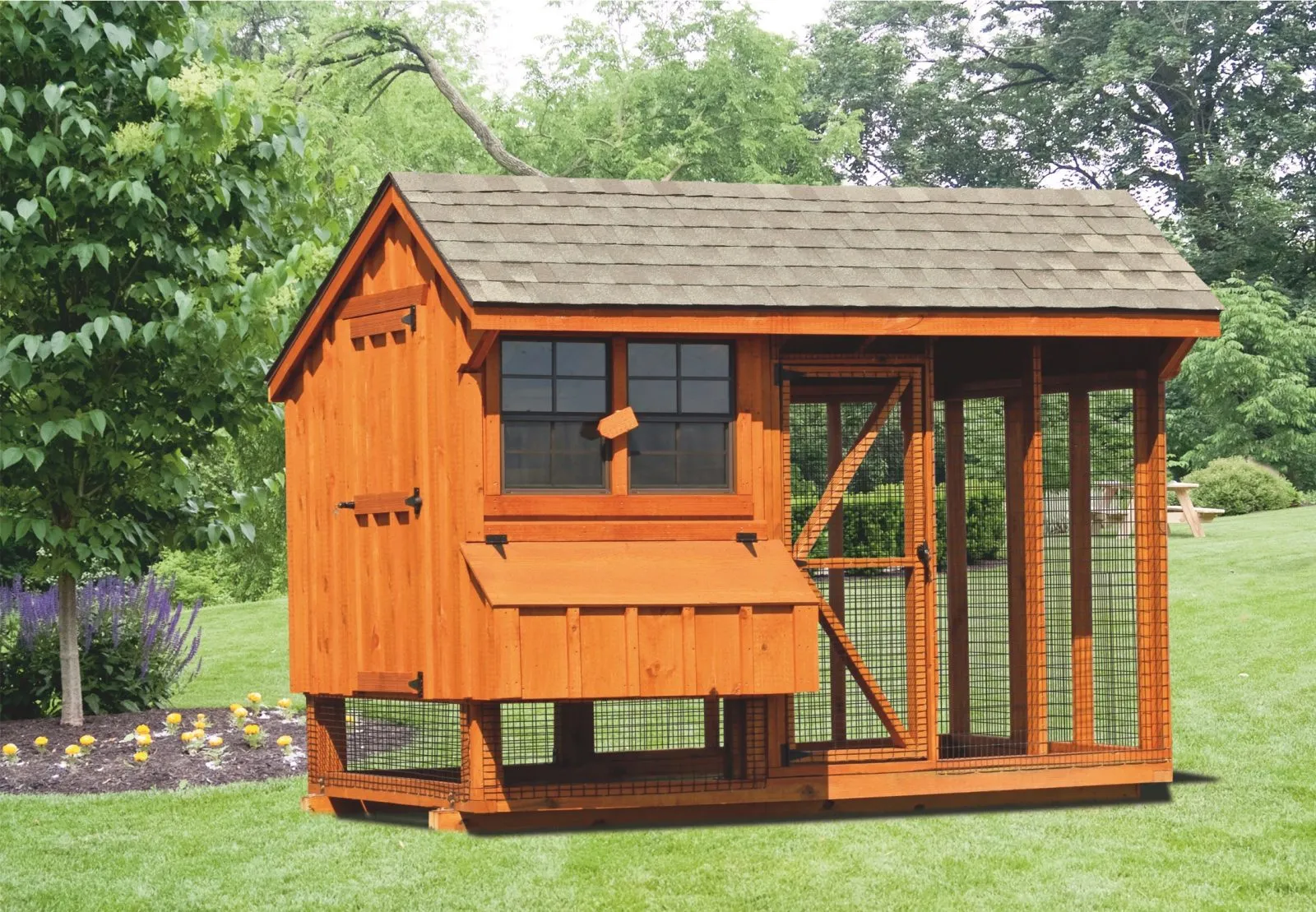
Planning Your Chicken Coop Run
Building a chicken coop run is a rewarding project that provides your chickens with a safe, secure, and enriching outdoor space. Proper planning is essential for creating a run that meets your chickens’ needs while also fitting your backyard’s constraints. This guide will walk you through each step, from initial planning to introducing your chickens to their new space. Taking the time to plan will save you time and money, and ensure the health and happiness of your flock. A well-designed run provides exercise, access to fresh air and sunlight, and protection from predators.
Assessing Your Space
Before you start building, carefully assess the available space. Consider the size of your flock, the amount of space you can dedicate to the run, and any existing structures or obstacles. The space you have available will greatly affect the size and design of the run. Remember, chickens need ample space to roam, forage, and exercise. A crowded run can lead to stress, pecking order issues, and unsanitary conditions.
Measuring and Mapping the Area

Measure the dimensions of the area you intend to use for your chicken coop run. Create a simple map or sketch, marking out the boundaries, the location of the coop, and any existing features like trees, gardens, or sheds. This will help you visualize the layout and plan for potential challenges. Accurate measurements are crucial for determining the amount of materials you’ll need, minimizing waste and ensuring your run fits perfectly.
Considering Sunlight and Shade
Chickens need both sunlight and shade. Choose a location that offers a balance of both. Ideally, the run should receive some direct sunlight for warmth and vitamin D production, but also have shaded areas to protect chickens from the intense heat, especially during summer. Trees, shrubs, or a covered portion of the run can provide shade. Consider the sun’s path throughout the day and how it changes with the seasons when selecting your run’s location.
Choosing the Right Materials
The materials you choose will impact the durability, safety, and aesthetic appeal of your chicken coop run. Select materials that are weather-resistant, safe for chickens, and effective at keeping predators out. Consider your budget, the climate in your area, and the desired lifespan of the run. Using quality materials initially will save you money and effort in the long run by minimizing the need for repairs and replacements. Furthermore, ensure all materials are free of splinters, sharp edges, or toxic chemicals.
Selecting Durable Fencing

Fencing is the primary barrier to protect your chickens from predators. Choose sturdy fencing material, such as welded wire or hardware cloth. Avoid using chicken wire alone, as it’s easily breached by predators. The mesh size should be small enough to prevent predators from entering, even if they can reach through the gaps. Consider the height of the fence; it should be tall enough to deter climbing or jumping predators. Properly installed fencing is your first line of defense against threats.
Choosing the Right Flooring
The flooring of your chicken coop run should be easy to clean, provide good drainage, and be resistant to weathering. Options include compacted gravel, sand, or a combination of both. Avoid using materials that can harbor parasites or are difficult to clean, such as dirt or grass. Gravel or sand allows for good drainage, which helps to prevent the build-up of moisture and reduces the risk of diseases. Also, it can be easily raked and cleaned to remove droppings.
Preparing the Ground
Preparing the ground involves clearing the area, leveling the surface, and possibly laying a foundation. This step is crucial for creating a stable and long-lasting chicken coop run. Thorough preparation will help ensure the structural integrity of the run and prevent it from sinking, shifting, or being compromised by the elements. Adequate ground preparation also reduces the risk of pests and predators gaining access to your chickens.
Clearing and Leveling the Area

Clear the designated area of any existing vegetation, rocks, and debris. Remove any roots and level the ground as much as possible. A level surface is essential for building a stable structure. Uneven ground can lead to structural issues and make it difficult to secure the fencing properly. Use a rake or other tools to ensure a consistent surface, then check for any slopes or dips, and address them by adding or removing soil as needed.
Laying a Foundation
While not always necessary, a foundation can add stability and longevity to your chicken coop run. Consider laying a foundation of gravel or paving stones, especially if the ground is soft or prone to settling. This will provide a solid base for the structure and help to prevent the run from sinking. A foundation can also make it easier to clean and maintain the run. Proper foundations will help keep your chicken coop run’s structural integrity intact.
Constructing the Run Structure
The construction phase involves building the frame, attaching the fencing, and adding a gate. Careful and precise construction is key to creating a secure and functional chicken coop run. Ensure all components are securely fastened and that the structure is sturdy enough to withstand the elements and resist predator intrusion. Double-check all measurements and levels to ensure a professional result. Proper construction provides protection for your chickens.
Building the Frame

Build a sturdy frame using wood or metal posts, depending on your preference and budget. The frame provides the structural support for the fencing and the overall run. Ensure the corners are square and the posts are securely anchored in the ground. If using wood, select pressure-treated lumber to resist rot and insect damage. If using metal, choose materials that are rust-resistant. A well-built frame is the backbone of your chicken coop run.
Attaching the Fencing
Attach the fencing material to the frame, ensuring it’s taut and secure. Use staples, screws, or wire fasteners, depending on the type of fencing you have chosen. Make sure there are no gaps or weak points where predators could enter. Overlap the fencing at corners and joints to prevent any possible entry points. Inspect the fencing regularly for any signs of damage or wear, and make necessary repairs promptly.
Adding a Gate
Install a gate that provides easy access to the run for cleaning, feeding, and interacting with your chickens. The gate should be sturdy and secure, with a latch that is difficult for predators to open. The size and location of the gate should be convenient for you. Make sure the gate closes flush against the frame, leaving no gaps. Reinforce the gate frame to withstand frequent use, and ensure the hinges are robust. Check your gate frequently to be sure it’s secure.
Making the Run Secure

The security of your chicken coop run is paramount. Take steps to prevent predators from entering the run. Predators can include foxes, raccoons, dogs, hawks, and other animals that pose a threat to your flock. A secure run gives you peace of mind, protecting your chickens from harm. Invest in the right methods to make sure your chickens stay safe and sound.
Preventing Predators
Take proactive measures to deter predators. Burying the fence, using hardware cloth, and securing the top are all good practices. Regularly inspect the run for any signs of attempted entry. Remove any potential climbing aids, such as branches or nearby structures that predators could use. Consider adding motion-activated lights or other deterrents to keep potential predators at bay. Consistent monitoring and maintenance are the best practices.
Securing the Top and Bottom
Cover the top of the run with fencing or netting to prevent aerial predators, like hawks and owls, from entering. Secure the bottom by burying the fencing or adding hardware cloth to prevent digging predators. Extending the fencing outwards underground can prevent digging, while a secure top ensures that birds of prey are unable to access your chickens. Thoroughly secure both the top and bottom of your run to protect your chickens.
Considering Burying the Fence

Burying the fence is a highly effective way to prevent digging predators from entering the run. Dig a trench around the perimeter of the run and bury the fencing at least 12 inches deep. Angle the fencing outward to make it more difficult for predators to dig underneath. You can also consider adding hardware cloth to the bottom of the run to create an impenetrable barrier. Make sure it is secure and will not move over time.
Providing Enrichment for Chickens
Chickens need more than just a secure space; they also need enrichment to stay happy and healthy. Enrichment provides mental stimulation, reduces boredom, and encourages natural behaviors like foraging, scratching, and dust bathing. Adding enriching elements to the chicken coop run will ensure that your chickens thrive. By incorporating enrichment, you contribute to the overall well-being of your flock.
Adding Dust Bathing Areas
Chickens love to dust bathe to keep their feathers clean and free of parasites. Provide a designated dust bathing area, filled with a mixture of sand, dirt, and wood ash. Place the dust bath in a dry, sunny location. Regularly check and refresh the dust bath to keep it clean and effective. Providing this enrichment helps improve the chickens’ hygiene and keeps them healthy and happy.
Including Roosts and Perches
Chickens naturally roost at night. Provide roosts or perches inside the run, at various heights. Choose sturdy, comfortable perches, such as wooden poles or branches. Position the roosts away from the walls of the coop to allow easy access. Perches give chickens a safe place to sleep and reduces stress in your flock. They also help promote healthy foot development. Consider the size of your chickens when selecting perch size.
Introducing the Chickens to the Run
Introducing chickens to a new run requires careful and patient handling. It is important to do so gradually, to avoid stressing the birds. A gentle and controlled introduction helps them acclimate to their new environment and establishes a routine. Keep a close eye on their behavior for the first few days, and provide plenty of food, water, and a safe place to roost. Following these steps makes sure that your chickens adjust well.
Supervising the Initial Introduction
Supervise the chickens during their first few visits to the run. This will allow you to identify any potential problems and to ensure the chickens are safe and comfortable. Stay nearby to observe interactions and make sure the chickens are not fighting or exhibiting signs of distress. Encourage them to explore their new surroundings and locate food and water. If necessary, introduce them gradually and allow them to retreat to their coop if they feel overwhelmed.
Monitoring Chicken Behavior
Pay close attention to your chickens’ behavior for any signs of stress, such as feather pecking, aggression, or reduced appetite. Make adjustments to the environment, such as providing more space, shade, or enrichment, if necessary. Ensure that all chickens have access to food, water, and roosting areas. Regular monitoring is critical for identifying and addressing any health or behavioral issues early on. Consistent observation will help ensure your flock’s well-being.