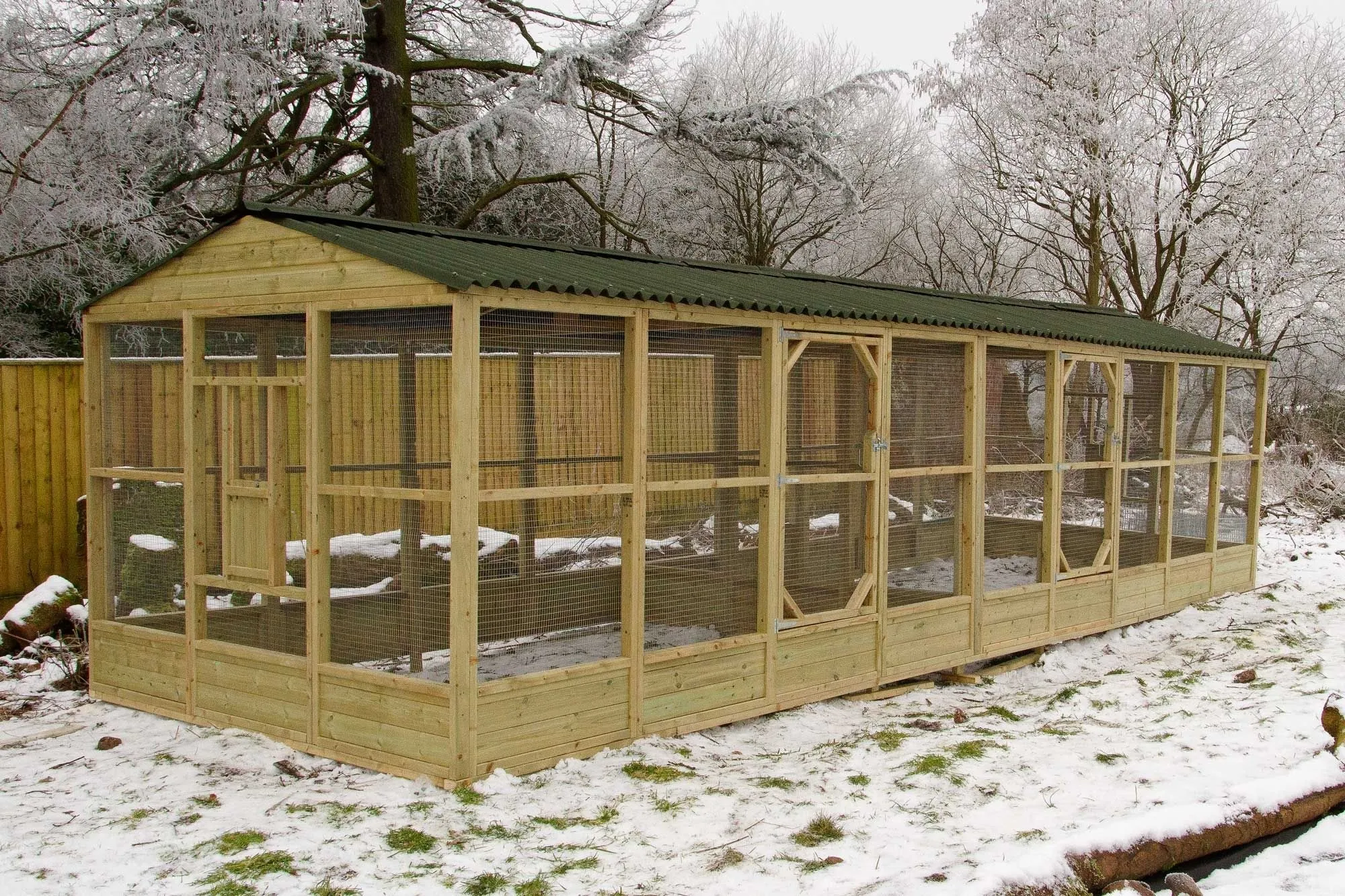
Embarking on the journey of raising backyard chickens can be an incredibly rewarding experience. Nothing beats the satisfaction of collecting fresh eggs daily and enjoying the company of these delightful creatures. However, before you bring home your feathered friends, careful planning and preparation are essential. This guide provides a comprehensive overview of how to set up a chicken coop and run, ensuring the safety, comfort, and happiness of your chickens while complying with local regulations. From initial planning to ongoing maintenance, we’ll cover everything you need to know to get started on your chicken-keeping adventure. This is your ultimate chicken coop and run setup guide, helping you create a safe and happy environment for your flock.
Planning Your Chicken Coop and Run
The first step in setting up your chicken coop and run is thorough planning. This involves assessing your available space, considering local regulations, and designing a coop and run that meets the needs of your chickens and your specific environment. Proper planning prevents common mistakes and ensures that your chickens are safe, healthy, and content. Take the time to research different coop designs, run dimensions, and material options to make informed decisions that align with your resources and goals. A well-planned setup also simplifies the building process and reduces the likelihood of costly modifications later on. Start by envisioning the ideal setup for your flock and then break down the project into manageable steps.
Choosing the Right Location
The location of your chicken coop and run is critical to its overall success. Consider the following factors when selecting the ideal spot on your property. The location should be easily accessible for daily chores such as feeding, watering, and egg collection. Proximity to your house can make these tasks more convenient. Additionally, consider the amount of sunlight and shade the area receives throughout the day. Chickens need both to thrive, but excessive sun exposure can be detrimental. Ensure the area has good drainage to prevent standing water, which can attract pests and diseases. Also, consider the prevailing wind direction, as this can affect ventilation within the coop and potentially carry odors. Prioritize safety by choosing a location away from potential hazards, such as power lines and areas prone to flooding. (Image: coop-location.webp)
Assess Your Space

Before you start building, carefully assess the available space in your yard. Determine the maximum size of the coop and run that you can accommodate while still leaving enough room for other activities and landscaping. Consider the number of chickens you plan to keep, as this will influence the required space. A general guideline is to provide each chicken with at least 4 square feet inside the coop and 8-10 square feet in the run. However, more space is always better, especially if you plan to add more chickens in the future. Measure the area where you intend to place the coop and run, and create a basic layout plan. This will help you visualize the space and ensure that your design fits properly. Think about the orientation of the coop and run to maximize sunlight exposure and minimize wind exposure. Also, note any existing structures, trees, or other obstacles that may affect the placement or construction of your coop and run.
Consider Local Regulations
Researching local regulations is an essential step that often gets overlooked. Before beginning construction, check with your local government or homeowner’s association to determine any restrictions or requirements for keeping chickens. Regulations can vary significantly, ranging from the number of chickens allowed to the types of coops permitted, required setback distances from property lines, and noise ordinances. Some areas may have specific requirements for coop size, construction materials, or waste management. Failure to comply with local ordinances can result in fines or the requirement to remove your coop. Review zoning laws, contact the local planning department, or check with your homeowner’s association for detailed information. Obtaining the necessary permits before construction begins will save you time, money, and potential legal issues in the future. Ensure that your plans align with all applicable regulations to ensure a smooth and compliant chicken-keeping experience.
Designing Your Coop and Run
Designing your chicken coop and run involves making decisions about size, materials, and features that will ensure your chickens’ safety, comfort, and health. The design should reflect your personal preferences, the size of your flock, and the specific environmental conditions in your area. Think about how the coop and run will integrate into your existing landscape, and select materials that complement your home. Creating a well-designed coop and run will not only benefit your chickens but also enhance the aesthetic appeal of your backyard. Consider the long-term needs of your chickens, including ventilation, protection from predators, and ease of cleaning. A thoughtful design will make chicken-keeping more enjoyable and less demanding over time. (Image: coop-design.webp)
Coop Size and Space Requirements

Determining the appropriate size for your chicken coop is crucial for the well-being of your flock. Overcrowding can lead to stress, disease, and behavioral problems, while a coop that is too small will make it difficult to maintain a clean and healthy environment. A general guideline is to provide at least 4 square feet of floor space per chicken inside the coop. For example, if you plan to keep four chickens, your coop should have a minimum floor area of 16 square feet. In addition to floor space, consider the height of the coop, as chickens need room to move around and stretch their wings. Adequate headroom will also make it easier for you to clean and maintain the coop. When designing the coop, think about future expansion. If you anticipate adding more chickens in the future, it is wise to build a larger coop initially to accommodate them. Consider the breed of chickens you plan to keep, as larger breeds may require more space. Ensure the coop is large enough to provide comfortable living conditions for your chickens year-round.
Run Dimensions and Considerations
The chicken run provides essential outdoor space for your chickens to roam, forage, and exercise. The size of the run should be proportional to the number of chickens you have. As a general rule, aim for at least 8-10 square feet of space per chicken in the run. This gives them enough room to move around freely and engage in natural behaviors. Consider the shape of the run, and aim for a design that maximizes the usable space. Long, narrow runs can be less functional than wider ones. Provide ample shade within the run, especially in hot climates, and consider incorporating features such as a dust bath area to keep chickens clean and healthy. The run should be constructed with durable materials that can withstand the elements and prevent predators from entering. Properly securing the run is crucial for protecting your chickens from harm. Think about incorporating different levels into the run, such as roosts or platforms, to provide additional enrichment. (Image: chicken-run-setup.webp)
Material Selection for Coop and Run
Selecting the right materials for your chicken coop and run is critical for both durability and the safety of your chickens. Choose materials that are weather-resistant, predator-proof, and easy to clean. Quality materials will extend the lifespan of your coop and reduce the need for frequent repairs. Consider your budget and the specific needs of your location. The most common materials include wood, metal, and various types of wire mesh. Proper material selection can also enhance the aesthetic appeal of your setup, blending it seamlessly with your backyard. Prioritize the safety of your chickens when choosing materials. Use non-toxic materials to avoid any potential health hazards for your flock. Ensure all materials are free from sharp edges or protruding nails that could injure your chickens. Regular maintenance of these materials will further ensure the longevity and safety of your coop and run.
Wood vs. Metal vs. Other Materials

Wood is a popular choice for chicken coops due to its natural look and ease of construction. Untreated wood is preferable, as pressure-treated wood may contain chemicals that are harmful to chickens. Cedar and redwood are naturally resistant to rot and insects, making them excellent choices. Metal coops, typically made from galvanized steel or aluminum, are durable and easy to clean. Metal is also highly resistant to predators. However, metal coops can get very hot in the summer. Combination coops, which use a blend of wood and metal, can offer the benefits of both materials. For the run, consider using heavy-gauge hardware cloth, which is much stronger than chicken wire and more resistant to predators. Consider using a combination of these materials to create a coop and run that meets your specific needs and budget.
Predator-Proofing Your Coop and Run
Protecting your chickens from predators is perhaps the most critical aspect of coop and run design. Predators can include foxes, raccoons, dogs, hawks, and even rats, so it is essential to take robust preventative measures. Begin by constructing the coop and run with sturdy materials and reinforcing all potential entry points. Proper predator-proofing not only keeps your chickens safe but also gives you peace of mind. A well-secured coop and run will prevent losses and help maintain the health and happiness of your flock. The methods used should be tailored to the specific predators in your area and the layout of your property. Never underestimate the ingenuity of predators, and always err on the side of caution when building your coop and run. (Image: predator-proof-coop.webp)
Securing the Coop
The coop itself must be securely constructed to prevent predators from gaining access. Use sturdy materials such as solid wood or metal, and ensure that all joints and seams are tightly sealed. Reinforce any weak points, such as doors and windows, with additional hardware. Install a secure latching mechanism that is difficult for predators to manipulate. Bury the coop’s perimeter wire mesh at least 12 inches underground to prevent digging predators from entering. Cover the ground inside the coop with a layer of gravel or paving stones to deter digging. Ensure that all openings, including ventilation ports, are covered with sturdy wire mesh to prevent predators from entering. Regularly inspect the coop for any signs of damage or wear and repair them immediately. Implementing these measures will significantly reduce the risk of predator attacks and protect your chickens.
Run Protection Strategies

The run requires equally robust protection against predators. Use heavy-gauge hardware cloth for the walls and roof of the run, rather than chicken wire, which is easily breached. Bury the hardware cloth at least 12 inches underground, and extend it outward to create an “apron” that prevents predators from digging under the fence. Consider using an electric fence around the perimeter of the run to deter predators. Keep the area around the run clean and free of debris, as this can attract predators. Cover the top of the run with hardware cloth or netting to protect against aerial predators such as hawks and owls. Provide overhead cover within the run, such as trees or tarps, to offer additional protection. Regularly inspect the run for any damage or potential entry points. Consider adding a motion-activated light to deter nocturnal predators. Implementing these strategies will help safeguard your chickens from various potential threats.
Essential Features for Your Coop
Certain essential features are crucial for the comfort, health, and productivity of your chickens. These features contribute to a well-functioning coop that is easy to manage. Focusing on ventilation, nesting boxes, and perches will significantly enhance the living conditions of your flock. These features are not only practical but also contribute to the overall well-being of your chickens. The right features will make chicken-keeping more enjoyable and less labor-intensive. Including these elements from the start ensures a positive experience for both you and your chickens. A well-designed coop will make chicken-keeping a pleasure. Proper planning in these areas ensures that your flock stays healthy, happy, and productive. (Image: nesting-boxes.webp)
Nesting Boxes
Nesting boxes provide a safe and comfortable place for your hens to lay eggs. Ensure that there are enough nesting boxes for your flock. A general guideline is one nesting box for every three to four hens. Position the nesting boxes in a quiet, dimly lit area of the coop to encourage egg-laying. The nesting boxes should be raised off the ground and easily accessible for both the hens and for egg collection. The size of the nesting box should be appropriate for the breed of chickens you keep. Line the nesting boxes with soft, absorbent bedding material, such as straw, wood shavings, or nesting pads. Regularly clean the nesting boxes and replace the bedding to maintain hygiene and prevent the spread of disease. Collect eggs regularly to prevent hens from becoming broody. Properly designed nesting boxes will make egg collection easy and ensure that your hens are comfortable and productive.
Perches and Roosts

Perches, or roosts, allow chickens to sleep off the ground, which is a natural behavior and helps them feel secure. Provide perches inside the coop that are the appropriate size and height for your chickens. The perches should be made from a sturdy material such as wood, and the edges should be rounded to prevent injury. Ensure that the perches are spaced far enough apart that the chickens have adequate room to sleep. Position the perches away from the nesting boxes to keep them clean. The height of the perches should be adjusted according to the breed. Regularly clean the perches to remove droppings and maintain hygiene. Consider the number of birds and the space available when deciding the quantity and placement of perches. Proper perches and roosts are essential for the comfort and well-being of your chickens.
Ventilation and Lighting
Proper ventilation is crucial for maintaining a healthy coop environment. Ventilation helps to remove moisture, ammonia, and stale air while providing fresh air circulation. Ensure that your coop has adequate ventilation openings, such as windows and vents, that can be opened and closed as needed. Position the ventilation openings to prevent drafts directly on the chickens. Avoid excessive drafts that can make your chickens sick. In addition to natural ventilation, consider installing a small fan to improve air circulation. Natural light is essential for chickens’ health and egg production. Provide windows in the coop to allow sunlight to enter during the day. If you live in an area with limited sunlight, you may need to supplement with artificial lighting. Use a low-wattage bulb and a timer to control the lighting schedule. Proper ventilation and lighting will help keep your chickens healthy and productive.
Building Your Chicken Coop and Run
Constructing your chicken coop and run can be a rewarding project. Whether you choose to build from scratch or use a pre-designed kit, careful planning and attention to detail are key to success. Follow the steps outlined below to create a safe and functional home for your chickens. Building your own coop allows for customization and control over materials, ensuring your setup meets your specific needs. Building the coop and run can be a fun and fulfilling project for any DIY enthusiast. Proper construction will provide a safe and secure environment for your flock. Ensure you follow all local building codes and safety regulations.
Step-by-Step Construction Guide

Begin by preparing the ground and leveling the foundation for your coop and run. Construct the frame of the coop using the chosen materials, ensuring that the frame is square and sturdy. Build the walls and roof, ensuring that the structure is weather-resistant. Install doors, windows, and vents, and make sure that all openings are securely covered with wire mesh. Construct the run around the coop, using hardware cloth to prevent predators from entering. Install the nesting boxes, perches, and any other desired features inside the coop. Add bedding and other interior elements. Install feeding and watering stations. Once the construction is complete, inspect the coop and run carefully to ensure that everything is secure and predator-proof. Make any necessary adjustments or repairs. (Image: chicken-coop-construction.webp)
Tools and Equipment You’ll Need
Gather all the necessary tools and equipment before you begin construction. Essential tools include a measuring tape, level, saw, drill, hammer, and screwdriver. Depending on the design, you may need a circular saw, miter saw, or other specialized tools. Make sure you have safety equipment such as safety glasses, gloves, and hearing protection. Other essential equipment includes a post hole digger, shovel, and wheelbarrow for preparing the ground. The tools and equipment you need will depend on the complexity of your coop and run design. Plan to purchase or rent any specialized tools that you don’t already own. Having all the necessary tools on hand will streamline the construction process and make it more efficient. Proper preparation will ensure that you are ready to build your chicken coop and run safely and effectively.
Setting Up Your Chicken Run
Once your chicken coop is built, it’s time to focus on setting up the run. The run provides a protected outdoor space where your chickens can exercise, forage, and enjoy fresh air. Proper setup of the run is essential for the health and happiness of your chickens, and it will help to protect them from predators. Careful planning is critical to ensuring that your chickens can safely enjoy the outdoors. This involves preparing the ground, installing the fencing, and providing shade, enrichment, and other amenities. Providing the correct setup is crucial for your flock. Creating a comfortable and stimulating environment in the run will keep your chickens happy and active.
Introducing Your Chickens

When you’re ready to introduce your chickens to their new home, do it gradually and carefully. Start by placing the chickens in the coop and run for a short period each day, gradually increasing the time. Provide fresh water and feed, and allow them to explore their new surroundings. Supervise your chickens closely during this time to ensure that they are adjusting well. Watch for any signs of stress, such as excessive pecking or feather-plucking. If you have multiple chickens, monitor their interactions. Keep a close eye on your chickens for the first few days to ensure they are settling in. Once the chickens are comfortable, allow them to roam freely in the run. Introduce new chickens gradually to prevent fighting. Patience and observation are key to a successful introduction.
Acclimating Chickens to Their New Home
Acclimating your chickens to their new home is a crucial step in ensuring their well-being. When you first introduce them, make sure the coop and run are safe and comfortable. Provide fresh water and feed, and give them time to explore their surroundings. Observe their behavior for signs of stress or discomfort. Make sure the coop and run are predator-proof. Check for any potential hazards, such as sharp objects or loose wires. Provide plenty of shade and shelter from the elements. During the initial days, you might want to keep them inside the coop for a bit to get used to the smells and sounds. Take the time to establish a routine, including feeding and watering times. Remember that each chicken is different, and some may take longer to adjust than others. Being patient and observing your chickens will help them feel safe and secure in their new home.
Feeding and Watering
Providing adequate food and water is essential for the health and productivity of your chickens. Fresh, clean water should be available at all times. Choose appropriate feeders and waterers. The type of feed you provide will depend on the age and purpose of your chickens. Ensure that your chickens have access to a balanced diet that meets their nutritional needs. Consider the best methods for providing feed and water, ensuring they are protected from the elements and kept clean. Regular monitoring and cleaning will help to prevent disease and ensure that your chickens thrive. Ensure that your chickens have access to clean, fresh water, and a balanced diet. (Image: chicken-feeding.webp)
Initial Feeding and Watering Setup
When you first set up your coop and run, establish a routine for feeding and watering your chickens. Place the waterer in a location that is easily accessible and protected from the elements. The feeder should be placed in a convenient location to prevent feed from being wasted. Use a feed designed for the age of your chickens. For chicks, use a starter feed with a high protein content. For laying hens, use a layer feed that is formulated to support egg production. Provide grit and oyster shells to aid in digestion and eggshell formation. Ensure that the waterer is always filled with fresh, clean water. Position the feeder and waterer so that chickens cannot roost on top of them. This will help keep the feed and water clean. Establish a regular feeding schedule. By providing proper food and water, you will contribute to the overall health of your chickens.
Maintaining Your Chicken Coop and Run
Regular maintenance is essential to keep your chicken coop and run in good condition and to ensure the health and well-being of your chickens. Maintenance tasks include cleaning the coop and run, checking for damage, and addressing any potential problems. This routine helps to prevent the buildup of diseases and pests, and it maintains a comfortable environment for your flock. Regular maintenance is an investment in the long-term health of your chickens and the longevity of your setup. Create a maintenance schedule to ensure that these tasks are performed regularly. A well-maintained coop and run will provide a safe and healthy home for your chickens and will make chicken-keeping more enjoyable.
Cleaning and Hygiene
Regular cleaning and hygiene are crucial for maintaining a healthy environment for your chickens. The coop should be cleaned at least once a week, or more often if needed. Remove droppings, soiled bedding, and any spilled food. Wash the coop with a solution of mild soap and water, and allow it to dry completely before adding fresh bedding. The run should be cleaned regularly to remove droppings and debris. Rake and turn the soil regularly to improve drainage and prevent the buildup of harmful bacteria. Provide a dust bath area where chickens can clean themselves. Change the bedding frequently. Proper cleaning practices will help prevent the spread of diseases and keep your chickens healthy. Regular maintenance will ensure a clean and hygienic environment.
Seasonal Maintenance
Seasonal maintenance is essential to keep your chicken coop and run in optimal condition throughout the year. In the spring, check for any damage caused by winter weather, and make any necessary repairs. Clean the coop thoroughly, and replace the bedding. In the summer, provide shade and ensure that the coop has adequate ventilation. Clean and refill the waterers regularly. In the fall, prepare the coop for winter. Seal any drafts, and provide additional insulation if needed. Check for predator damage and reinforce your defenses. In the winter, make sure that your chickens have access to fresh water, even if it means using a heated waterer. Regularly clear snow and ice from around the coop and run. Regular maintenance will ensure that your coop and run are prepared for all types of weather. By following these steps, you can ensure that your chickens are comfortable and safe.
Troubleshooting Common Problems
Even with careful planning and maintenance, you may encounter some common problems when keeping chickens. By being aware of these potential issues, you can address them promptly and prevent them from escalating. Common problems include pest infestations, predator attacks, and health issues. Addressing these issues will protect your chickens and make your chicken-keeping experience more enjoyable. If you are prepared to handle these challenges, you can maintain a healthy and happy flock. Keep an eye out for unusual behavior or any signs of sickness. Addressing these potential issues promptly is vital to the well-being of your flock.
Chicken-keeping can be a rewarding experience. However, it requires commitment, knowledge, and ongoing maintenance. You can create a safe, comfortable, and productive environment for your chickens by following the guidelines in this guide. Always prioritize the health and safety of your flock. A well-planned and maintained coop and run are the foundations of a happy and thriving flock. Proper planning and preparation are key to success.