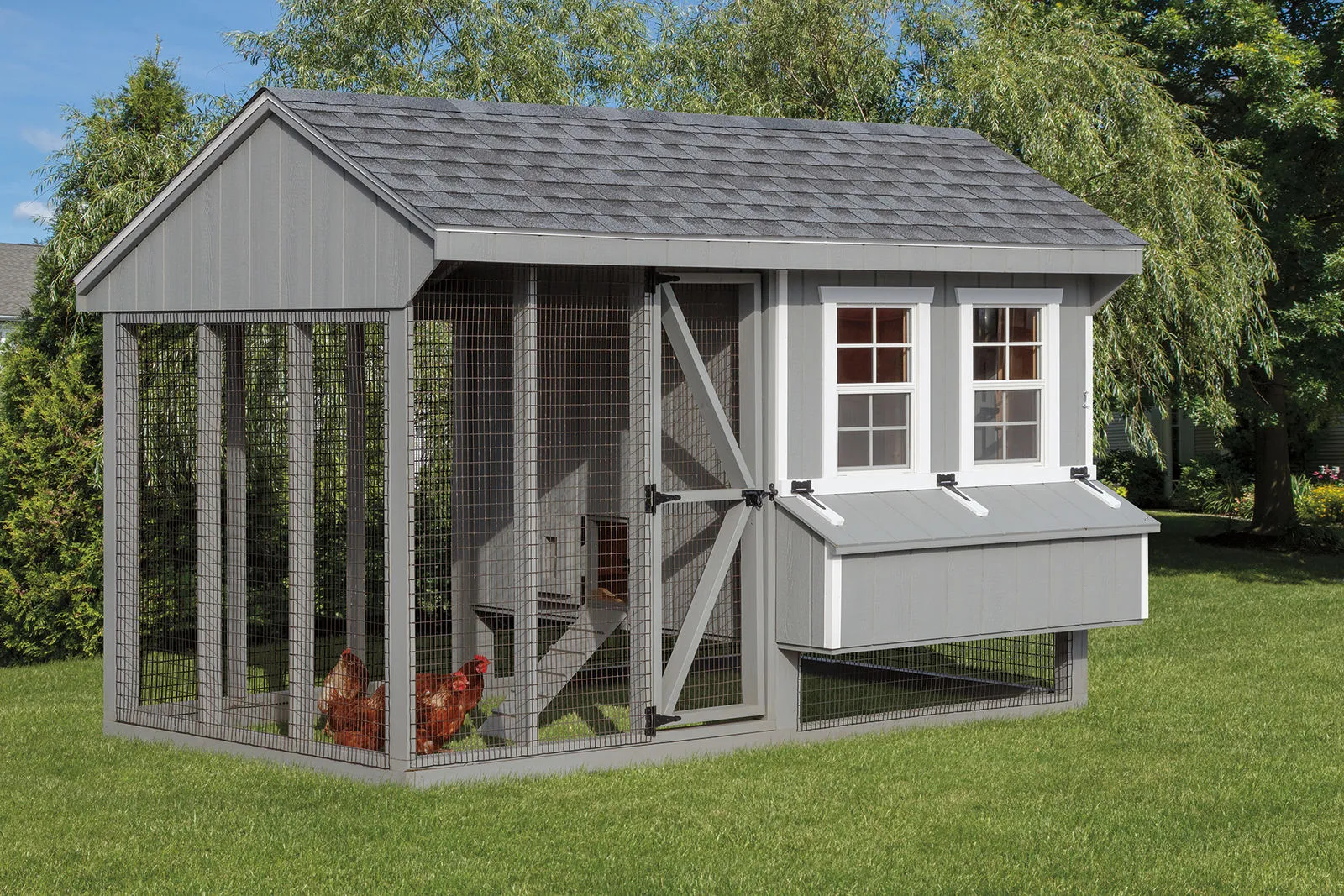
What are Chicken Coop Runs
A chicken coop run is an enclosed outdoor space attached to a chicken coop, providing chickens with a secure area to roam, forage, and exercise. These runs are designed to protect chickens from predators while allowing them to enjoy fresh air and natural sunlight. Chicken coop runs are essential for the well-being of chickens, offering a safe environment that promotes physical and mental health. They vary in size, design, and construction, depending on the available space, the number of chickens, and the owner’s preferences. When planning a chicken coop, integrating a well-designed run is one of the most crucial elements. Consider them a safe extension of their living quarters, allowing them to express natural behaviors like scratching, dust bathing, and foraging for insects.
Benefits of Chicken Coop Runs
Chicken coop runs offer numerous benefits for both chickens and their owners. They enhance the quality of life for the chickens, providing them with a space to roam, exercise, and interact with their environment. For owners, runs simplify chicken care, protect the flock, and contribute to a cleaner coop environment. Understanding these advantages helps you make informed decisions when designing and building your own chicken keeping setup. From promoting healthier birds to easing the responsibilities of chicken ownership, the advantages of incorporating a run into your chicken coop design are undeniable.
Increased Space for Chickens

One of the primary advantages of a chicken coop run is the increased space it provides for chickens. Chickens are naturally active creatures, and restricting them to a confined coop can lead to boredom, stress, and health issues. A run offers ample room for them to move around, stretch their wings, and engage in natural behaviors like scratching, foraging, and dust bathing. The extra space promotes physical activity, which in turn, helps maintain a healthy weight and reduces the risk of obesity. Providing additional space in your chicken run not only enhances the chickens’ physical well-being but also contributes to their overall happiness and contentment. The larger the run, the more opportunity the chickens have to explore and interact with their surroundings.
Protection from Predators
Predator protection is another crucial benefit of chicken coop runs. Chickens are vulnerable to a variety of predators, including foxes, hawks, raccoons, and dogs. A well-constructed run, with secure fencing and proper features, acts as a barrier against these threats, keeping your chickens safe from harm. The design of the run should include features like buried hardware cloth to prevent digging predators, and a sturdy roof to deter aerial attacks. Using sturdy materials and regular maintenance of your run are essential to ensure that it remains an effective deterrent. The peace of mind that comes with knowing your chickens are safe is a significant advantage. Consider the local predators and reinforce your run to effectively combat them.
Encouraging Natural Behaviors
Chicken coop runs provide opportunities for chickens to engage in their natural behaviors, which is essential for their psychological well-being. These activities include foraging for insects and seeds, scratching the ground, dust bathing, and roosting. When chickens can express their natural behaviors, they are less likely to experience stress and boredom, which can lead to feather pecking, aggression, and other behavioral problems. By creating an environment that mimics their natural habitat, you encourage healthier, happier chickens. Providing an enriching environment, such as adding perches, dust bathing areas, and interesting objects within the run, further enhances their experience. This results in not only healthier chickens but also in better quality eggs and a more enjoyable chicken-keeping experience.
Types of Chicken Coop Runs

There are two primary types of chicken coop runs permanent and mobile. Each type has its own advantages and disadvantages, and the best choice depends on your specific needs and circumstances. Understanding the differences between these options helps you choose the right run for your chickens. Considering factors such as available space, ease of relocation, and predator protection is crucial when deciding between a permanent or mobile run.
Permanent Runs
Permanent chicken coop runs are fixed structures that are typically built to stay in one location. They are often more robust and secure than mobile runs, making them an excellent choice for long-term protection against predators. Permanent runs can be customized to fit the size of your flock and the available space in your yard. They can be built using a variety of materials, such as wood, metal, and wire mesh. When constructing a permanent run, it’s important to ensure that it is securely anchored to the ground and that all gaps and openings are properly sealed to prevent predators from entering. They offer a stable and secure environment for your chickens, minimizing the risk of escape and maximizing predator protection. Many designs incorporate a covered roof to protect against the elements. Regular maintenance is key to their longevity.
Mobile Runs
Mobile chicken coop runs, also known as chicken tractors, are designed to be moved around the yard. This allows you to provide your chickens with fresh grass and foraging opportunities. Mobile runs are typically lighter and less permanent than fixed structures, which makes them easier to relocate. They are an ideal solution for smaller yards or for those who want to rotate their chickens to different areas. They are often constructed with a lightweight frame and wheels for ease of movement. One of the key benefits is the ability to provide fresh pasture for the chickens, thus enhancing their foraging behavior. They are generally less secure than permanent runs, and thus require careful consideration to predator proofing. You must choose a design and construction method that balances portability with safety and durability.
Considerations when Choosing Runs

Selecting the right chicken coop run involves considering several factors to ensure it meets your chickens’ needs while suiting your lifestyle. Key considerations include size, material durability, and effective predator protection. By addressing these points, you can design a run that provides a safe, healthy, and enriching environment for your flock. Assessing these elements allows you to make informed decisions when planning and constructing your coop and run.
Size and Space Requirements
The size of your chicken coop run is critical to the health and well-being of your chickens. The generally recommended space per chicken is at least 8-10 square feet within the run, but more space is always better. The more space you provide, the less likely your chickens are to experience stress, which can lead to behavioral problems such as feather pecking. Overcrowding can also lead to poor air quality and an increased risk of disease. You should also consider the breed and temperament of your chickens when determining the appropriate size. Larger breeds and more active breeds require more space. Additionally, the size of the run should be appropriate for the number of chickens you plan to keep. Consider future growth if you intend to expand your flock. A well-sized run allows chickens to exhibit their natural behaviors and reduces the risk of stress-related issues.
Materials and Durability
The materials used to construct your chicken coop run significantly impact its durability, longevity, and predator resistance. The best materials are those that are strong, weather-resistant, and able to withstand the wear and tear of chicken activity and the elements. Wood is a popular choice for the frame, but it needs to be treated to prevent rot and decay. Metal frames are also a good option, offering greater durability and resistance to pests. For the fencing, hardware cloth is the most secure option. Avoid using chicken wire alone, as it is too flimsy and vulnerable to predators. When choosing materials, consider your local climate, the prevalence of predators in your area, and your budget. Investing in high-quality, durable materials will save you money in the long run by reducing the need for repairs and replacements. Proper construction and regular maintenance of the structure is essential for maximizing its lifespan and effectiveness.
Predator Protection

Effective predator protection is paramount when designing a chicken coop run. The goal is to create a secure environment that keeps your chickens safe from a variety of threats. Start by burying hardware cloth at least 12 inches deep around the perimeter to prevent digging predators from entering. The fencing should be strong and tightly secured to the frame, with no gaps that predators could exploit. Consider adding a roof to prevent access from above, particularly from hawks or other birds of prey. Examine the run regularly for signs of damage or potential entry points. Reinforce any weak spots immediately. The best approach is a layered defense, combining strong fencing, a secure roof, and potentially, additional deterrents like motion-activated lights. Continuous vigilance and preventative measures are crucial for minimizing the risk of predator attacks.
Building Your Own Chicken Coop Run
Building your own chicken coop run can be a rewarding project, allowing you to customize the design to fit your specific needs and preferences. Whether you choose a permanent or mobile design, careful planning, material selection, and construction techniques are essential. Taking the time to plan and build your own run gives you control over every aspect, ensuring it is safe, secure, and well-suited to your flock. From sketching out the design to gathering the necessary materials, constructing a coop run is achievable with careful preparation. The result will be a secure and enriching environment for your chickens.
Planning and Design
Before beginning construction, take the time to plan and design your chicken coop run thoroughly. Consider the size and shape of the run, the materials you will use, and the location in your yard. Sketch out a detailed plan that includes dimensions, material specifications, and any special features you want to incorporate. Make sure to comply with any local building codes or regulations. When planning, think about how the run will integrate with your existing coop and how easy it will be to access for cleaning and maintenance. Consider the prevailing winds and sunlight in your yard and position the run accordingly. Also, consider the terrain and how to address any drainage issues. A well-designed plan will streamline the construction process and ensure the run meets your needs effectively. Careful planning is key to a successful project and a safe home for your chickens.
Materials Needed

The materials required for building a chicken coop run will vary depending on the design and size. Basic supplies include lumber or metal for the frame, hardware cloth for the fencing, and a variety of fasteners such as screws, nails, and staples. You may also need materials for the roof, such as corrugated metal or roofing felt. Consider purchasing predator-resistant hardware, such as buried hardware cloth and secure latches. Prepare a list of all necessary materials and tools. Make sure you have all the necessary equipment, including a saw, drill, hammer, measuring tape, and safety gear, before you start. Having all the right materials on hand will make the construction process smoother and more efficient. Choosing durable, weather-resistant materials will help ensure the run withstands the elements and provides long-lasting protection for your chickens.
Step-by-Step Construction
The construction process will differ based on your specific design, but here’s a general step-by-step guide. Begin by preparing the ground. Level the area and consider adding a gravel base for drainage. Construct the frame according to your plan, ensuring that all corners are square and that the frame is sturdy. Attach the hardware cloth to the frame, making sure to secure it tightly, and bury it at least 12 inches deep to prevent digging predators. If you’re building a roof, install the supports and then attach the roofing material. Add a door with a secure latch. Throughout the construction process, double-check measurements and ensure all materials are securely attached. Following these steps, you will build a secure and functional chicken run. After construction, do a thorough inspection, ensuring there are no gaps or weak points where predators can enter. Finally, add any desired features, such as roosting bars or a dust bath area, to create a comfortable and enriching environment for your chickens.
Maintaining and Cleaning Chicken Coop Runs
Regular maintenance and cleaning are essential for keeping your chicken coop run in good condition and ensuring the health and safety of your chickens. Routine inspections, cleaning, and sanitation are all part of maintaining a healthy environment. Proper care not only protects your chickens from disease but also extends the lifespan of the run itself. Consistent upkeep also contributes to a more pleasant overall experience for chicken owners.
Regular Inspections

Regular inspections of your chicken coop run are a critical part of maintenance. Check for any signs of damage, such as holes in the fencing, loose boards, or signs of predator activity. Examine the frame for any wear and tear, and check for any rust or rot. Inspect latches and door hinges to ensure they are functioning correctly. During each inspection, look for any droppings, feathers, or other debris that might indicate predator activity or wear. Regular inspections help you identify and address potential problems before they escalate. Make it a part of your routine to walk around the run at least once a week to check for any issues and take immediate action to repair them. Routine maintenance preserves the integrity of the structure and protects the health of your flock.
Cleaning and Sanitation
Regular cleaning and sanitation are essential for maintaining a healthy environment in your chicken coop run. Remove droppings, uneaten food, and any other debris regularly. Clean the ground surface, and replace it with fresh bedding, such as wood shavings or straw. Use a poultry-safe disinfectant to sanitize the run, paying particular attention to high-contact areas. Ensure adequate ventilation to reduce moisture and ammonia buildup. Cleaning frequency depends on the size of the run, the number of chickens, and the type of flooring. Aim for at least weekly cleaning and more often if necessary, depending on the cleanliness of the run and the amount of droppings. Proper sanitation practices prevent the spread of diseases, keep your chickens comfortable, and help maintain a healthy environment for your flock. Regular cleaning and sanitation are key to maintaining a safe and comfortable environment for your chickens.
Common Problems and Solutions
Even with careful planning and construction, problems can arise with chicken coop runs. Understanding common issues and how to address them helps you keep your chickens safe and your run in good condition. Addressing these issues promptly will save you time and ensure that your chickens are protected. From dealing with predators to resolving health and maintenance problems, there are effective solutions available.