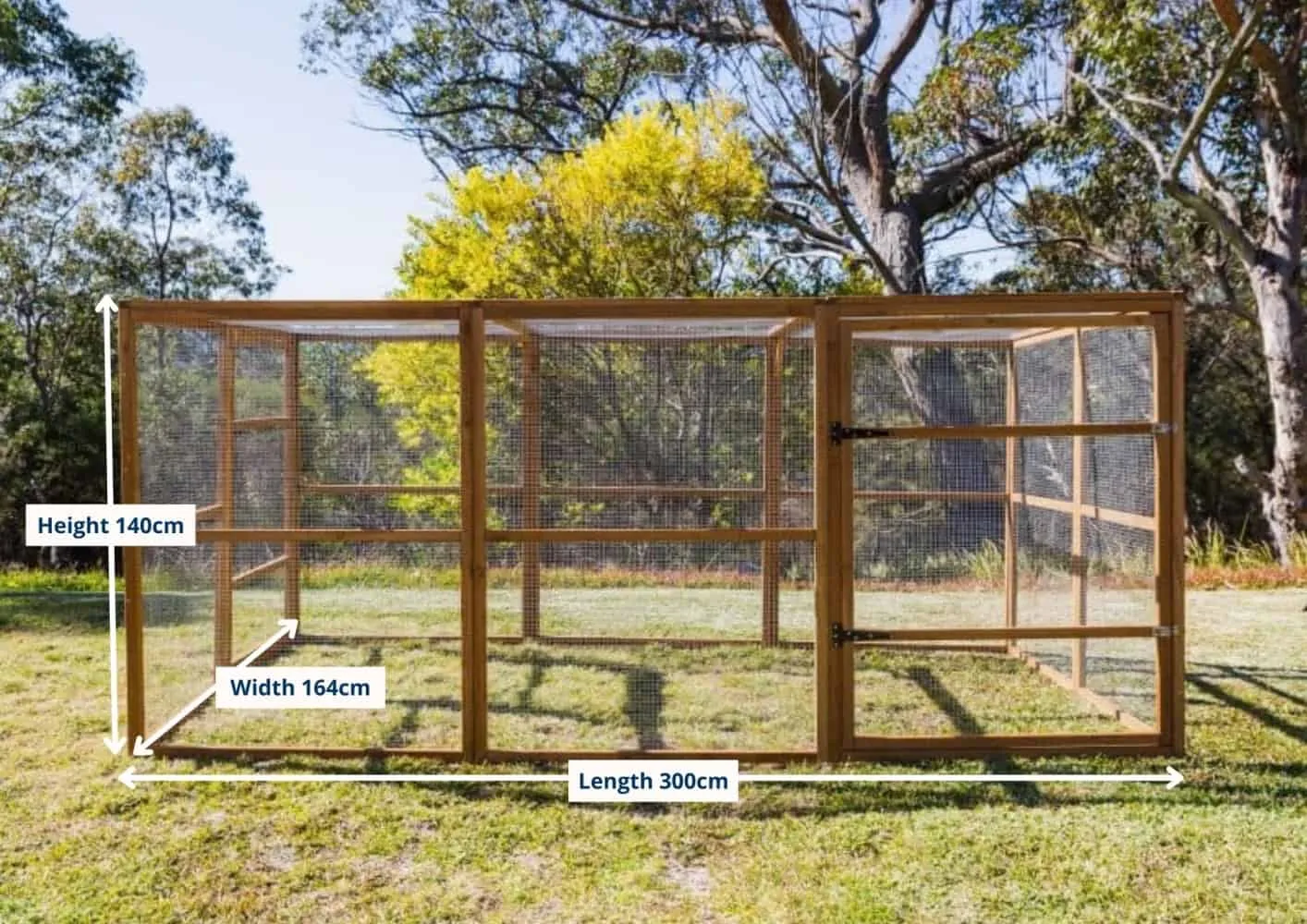
Planning Your Chicken Coop Run Design
Designing a chicken coop run is a crucial aspect of providing a safe, healthy, and stimulating environment for your flock. A well-planned run protects chickens from predators, provides space for exercise and foraging, and contributes to their overall well-being. Before you even start building, careful consideration of various factors will ensure the success of your chicken coop run.
Determine Run Size
The size of your chicken coop run significantly impacts your chickens’ quality of life. A run that’s too small can lead to overcrowding, stress, and health problems. Conversely, a larger run provides ample space for foraging, exercise, and social interaction. The ideal size depends on the number of chickens you plan to keep and the amount of space you have available.
Consider the Number of Chickens

The more chickens you have, the larger the run should be. As a general guideline, aim for at least 8-10 square feet of run space per chicken. This allows the chickens to move around, forage, and avoid excessive pecking or social conflicts. Overcrowding can lead to stress and disease outbreaks.
Assess Available Space
The amount of space you have available will ultimately dictate the size of your run. Consider the shape of your yard, any existing structures, and potential obstacles. Even if you have limited space, you can still create a safe and functional run. Prioritize the needs of your chickens and optimize the available area. A well-designed run can make the most of even a small space.
Choose the Right Materials
The materials you choose for your chicken coop run will determine its durability, security, and overall effectiveness. Select materials that can withstand the elements, deter predators, and provide a comfortable environment for your chickens. Considering the lifespan and maintenance requirements of each material is essential to help you make the right decision.
Wood vs. Metal

Wood is a traditional choice, offering a natural look and ease of construction. However, wood can be susceptible to rot, especially in contact with the ground. Metal, such as welded wire mesh or prefabricated panels, is more durable and predator-resistant. Consider the climate, your budget, and the level of security you need when deciding between wood and metal for your chicken coop runs.
Wire Mesh Selection
The wire mesh you choose must be strong enough to withstand predator attacks. Use heavy-gauge wire, such as welded wire mesh, with small openings to prevent predators from entering. Avoid using chicken wire, as it is not predator-proof. The spacing of the wire should also be small enough to keep smaller predators out.
Ensure Security Measures
Protecting your chickens from predators is paramount. A secure run can prevent loss and heartache. Take the necessary steps to create a safe and predator-resistant environment.
Burying the Wire Mesh

Burying the wire mesh at least 12 inches into the ground is one of the most effective ways to deter predators that dig, such as foxes, coyotes, and dogs. Bend the buried wire outward at a 90-degree angle to create an “L” shape, making it more difficult for predators to dig under the run. Consider using hardware cloth for the buried portion, as it is more durable.
Overhead Protection
Protecting your chickens from aerial predators, such as hawks and owls, is also important. Cover the top of the run with wire mesh or netting. Ensure the netting is securely attached to the frame to prevent predators from entering. The smaller the openings, the better the protection against various predators.
Predator-Proofing Techniques
In addition to burying the wire and providing overhead protection, other techniques can improve your run’s security. Use strong latches on all doors and gates. Inspect the run regularly for any weak points or damage that predators could exploit. Remove any potential hiding places around the run, such as tall grass or brush. These strategies can minimize predator access.
Providing Shelter and Shade

Chickens need protection from the elements and from the sun. Provide both shelter and shade within the run to improve their comfort and well-being. This ensures they can find refuge from harsh weather conditions and maintain a healthy environment.
Shelter Options
A covered coop provides protection from rain, snow, wind, and sun. Ensure the coop is well-ventilated to prevent moisture buildup and the spread of disease. The shelter can be an extension of the coop or a separate structure. Consider the climate and the specific needs of your chickens when choosing the appropriate shelter.
Shade Considerations
Shade is essential, especially in warm climates. Provide shade within the run using shade cloth, trees, or other structures. Shade protects the chickens from overheating and reduces stress. Place the shelter where it gets shade from the sun.
Maintaining a Clean Run

Regular cleaning is crucial for maintaining a healthy environment for your chickens and preventing the spread of disease. A clean run promotes the overall health of your flock.
Regular Cleaning Schedule
Establish a regular cleaning schedule for your run. Remove droppings and soiled bedding frequently, at least once a week. Sweep or rake the run to remove debris and ensure good hygiene. A consistent cleaning routine minimizes odors, pest problems, and health risks.
Waste Management Strategies
Consider composting chicken manure for use as fertilizer. Collect droppings in a designated area away from the run. Use deep litter methods with wood chips, straw, or other absorbent materials to help manage waste. Ensure you follow local regulations for waste disposal.
Enriching the Chicken Run Environment

Providing a stimulating environment can reduce stress and boredom. Enriched environments lead to happier, healthier chickens. Consider adding different elements to engage your flock’s natural behaviors.
Adding Dust Bath Areas
Chickens love to dust bathe to keep their feathers clean and free of parasites. Create a designated dust bath area within the run, using a container filled with a mixture of sand, soil, and wood ash. Provide enough space to accommodate the whole flock at once.
Providing Entertainment and Enrichment
Add items that encourage natural behaviors. Provide hanging vegetables or treats for pecking and foraging. Place perches at different heights for roosting. Offer toys, such as old CDs or balls. These enrichment activities reduce boredom and promote a more engaging environment.
Water and Feeding Solutions
Provide consistent access to fresh water and food. Appropriate water and feeding systems contribute to the health and well-being of your chickens. This is a fundamental aspect of good chicken keeping.
Watering Systems
Use a waterer that is easy to clean and refill. Place the waterer in a shaded area to prevent the water from getting too warm or freezing. Consider using a nipple waterer system, which helps keep the water clean and reduces spillage. Ensure that the chickens always have access to fresh, clean water.
Feeding Strategies
Provide a feeder that prevents food from spilling. Choose a feeder that is weather-resistant and easy to fill. Place the feeder in a location protected from the elements. Consider using a treadle feeder, which minimizes waste and keeps feed protected from pests. Ensure that the chickens always have access to nutritious feed.
By following these 101 tips, you can create a successful and secure chicken coop run that keeps your chickens safe, healthy, and happy. Enjoy the process of building and maintaining your chicken coop runs!