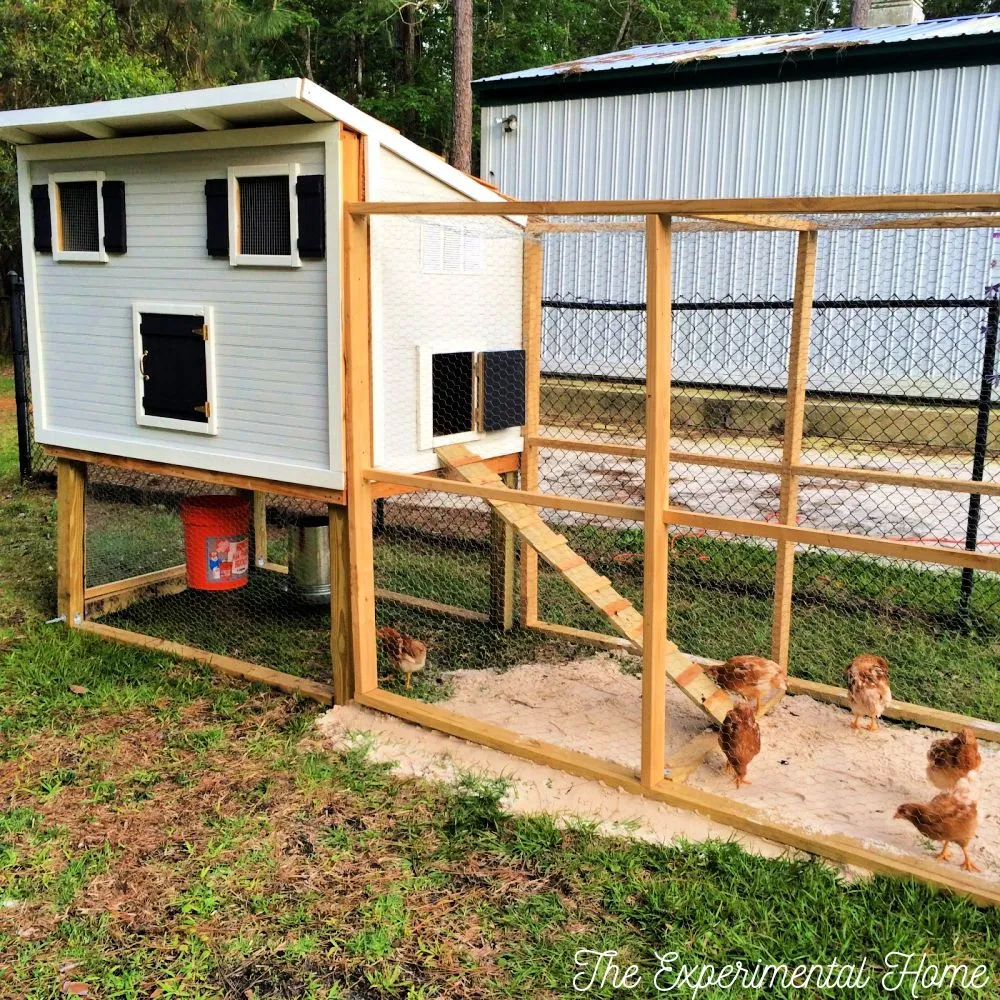
Planning Your Chicken Coop & Runs
Embarking on the journey of building a chicken coop and run is an exciting endeavor for any aspiring chicken keeper. Success hinges on thorough planning before even laying the first brick or hammering the first nail. Effective planning saves time, money, and, most importantly, ensures the safety and well-being of your feathered friends. Consider factors such as your available space, local climate, and the breed of chickens you plan to raise. Proper planning addresses potential problems before they arise, making the entire building process smoother and the coop a comfortable home for your flock. It’s about creating a secure and enriching environment, while also considering the aesthetic appeal within your backyard. By taking the time to thoughtfully plan, you pave the way for a successful and enjoyable chicken-keeping experience. A well-planned coop and run not only meet the chickens’ needs but also minimizes the upkeep required.
Determining Coop Size
One of the most critical aspects of planning is determining the appropriate size of your chicken coop. This decision directly impacts the health, comfort, and productivity of your chickens. The general rule of thumb is to provide each chicken with a minimum of 4 square feet of space inside the coop. This allows them to move freely, roost comfortably, and avoid overcrowding, which can lead to stress, pecking order issues, and disease. In addition to the coop’s interior space, ensure there is adequate outdoor run space; at least 8-10 square feet per chicken in the run is recommended. The size of your coop and run should also consider your long-term goals. Consider if you plan to expand your flock in the future. Building a larger coop initially can save you time and effort down the road. Always overestimate rather than underestimate the space requirements to ensure a comfortable and healthy environment for your chickens.
Considering Your Flock Size

The size of your flock directly influences the dimensions of your coop and run. The number of chickens you intend to keep dictates the required space, the amount of feed and water, and the overall maintenance needs. Start small if you’re a beginner. A smaller flock offers a more manageable introduction to chicken keeping, allowing you to learn and adapt without being overwhelmed. As you gain experience, you can gradually increase your flock size. Consider the breed of chicken as well; some breeds are larger and require more space than others. Research the specific needs of the breeds you’re interested in raising. For instance, larger breeds like Brahmas or Jersey Giants need more space than bantams. Planning the ideal number of chickens also means you have a surplus of eggs. Overcrowding can lead to various problems, including increased stress, bullying, and the spread of disease. Ensure you provide sufficient space for your chickens to thrive.
Choosing the Right Location for your Coop
Selecting the ideal location for your chicken coop and run is essential for the health and happiness of your chickens, as well as for your convenience. The location should offer a balance of sunlight and shade, providing protection from extreme weather conditions. Consider the prevailing winds and ensure the coop is sheltered from harsh gusts. Easy access to the coop is also important for daily tasks such as feeding, watering, and collecting eggs. Proximity to your house is a plus. However, be mindful of noise and odor. Choose a spot that won’t disturb your neighbors. The ground should be well-drained to prevent water accumulation, which can lead to muddy conditions and attract pests. Consider the sun’s path to ensure the coop receives both sunlight and shade throughout the day. A slightly elevated location can also aid drainage. The location should allow for easy access for cleaning and maintenance, making it a practical and enjoyable part of your daily routine.
Understanding Local Regulations
Before you start building, familiarize yourself with local ordinances and regulations regarding chicken coops and runs. Zoning laws may dictate the size, location, and permitted number of chickens you can keep. Some municipalities may require permits or have specific building codes. Ignoring these regulations can lead to fines or even the forced removal of your coop. Contact your local government or homeowner’s association to inquire about the specific rules in your area. They can provide you with detailed information and ensure your project complies with all legal requirements. Reviewing the regulations beforehand will save you time and potential headaches later. In addition to zoning laws, you might need to adhere to specific guidelines regarding coop construction, predator protection, and waste management. Compliance with local regulations ensures your chicken-keeping activities are legal and maintain good relations with your neighbors.
Essential Materials for Construction

Choosing the right materials is critical for the durability, safety, and comfort of your chicken coop and run. Select materials that are weather-resistant, durable, and non-toxic to ensure the longevity of the coop and the well-being of your chickens. Wood is a popular choice for the coop’s frame and walls. Pine, cedar, and redwood are good options; treat it with a non-toxic sealant to protect it from the elements. For the run, use sturdy hardware cloth or welded wire mesh with small openings to prevent predators from entering. Avoid using chicken wire, which predators can easily tear. The roof can be made of asphalt shingles, metal roofing, or other durable materials. Consider the local climate. Ensure the materials provide adequate insulation. For the floor, consider materials that are easy to clean and maintain, such as concrete or a wooden frame covered with a water-resistant material. Hardware such as screws, nails, hinges, and latches should be rust-resistant to withstand outdoor conditions. Choose materials that are safe for your chickens. Avoid any that contain lead or other harmful substances.
Building the Coop Structure
Constructing the coop is a rewarding process that requires careful attention to detail. The design of your coop will depend on the size of your flock, available space, and local climate. Start with a solid foundation, which can be made of concrete, gravel, or treated lumber. Build the frame of the coop using sturdy wood, ensuring that all corners are square and level. The frame provides structural support and forms the basis for the walls, roof, and floor. Consider the height of the coop, ensuring it’s tall enough for you to comfortably stand and move around while cleaning and maintaining the coop. Ensure proper ventilation to prevent moisture buildup and promote air circulation. Adding a predator-proof door with secure latches is essential. The overall structure should be sturdy and able to withstand the elements. Carefully follow the construction plans, making sure to measure and cut each piece accurately. Prioritize safety, using appropriate safety gear. With a well-built coop, your chickens will have a safe and comfortable place to call home.
Constructing the Frame
The frame is the skeleton of your chicken coop, providing the structural integrity that supports the walls, roof, and floor. Precise construction of the frame is essential for a stable and long-lasting coop. Begin by assembling the base frame, ensuring it is square and level. Use treated lumber for the base to protect it from moisture and ground contact. Next, construct the vertical studs, which support the walls. Space the studs at regular intervals, typically 16 or 24 inches on center, to provide adequate support for the walls. Ensure the studs are plumb (perfectly vertical) and securely attached to the base frame. Once the walls are framed, build the roof frame, which can be a gable, shed, or flat design, depending on your preference and climate. Use sturdy rafters or trusses to support the roof. Use screws instead of nails. Use a level, tape measure, and a square during the entire construction process. The precise construction of the frame ensures that the coop is sturdy, safe, and resistant to the elements, and will make the later steps of building the coop easier.
Adding Walls and Roofing

Once the frame is complete, it’s time to enclose the coop by adding the walls and roof. For the walls, you can use various materials, including plywood, siding, or even reclaimed wood. Ensure the material is weather-resistant and securely attached to the frame. When installing the walls, make sure to leave space for windows and doors. Consider adding insulation to the walls to help regulate the coop’s temperature, especially in areas with extreme weather. For the roof, choose a material that is durable, waterproof, and suitable for your climate. Common options include asphalt shingles, metal roofing, or corrugated plastic panels. The roof should overhang the walls to provide additional protection from rain and snow. Proper installation of the walls and roofing is crucial for protecting your chickens from the elements. Seal all seams and gaps to prevent water and drafts from entering the coop. A well-constructed roof and walls ensure that your chickens have a safe, dry, and comfortable shelter.
Building Secure Chicken Runs
The chicken run is an essential component of your chicken-keeping setup, providing a safe and secure outdoor space for your chickens to roam, forage, and enjoy fresh air. Constructing a secure run is critical for protecting your flock from predators. The run should be completely enclosed with sturdy materials. Use hardware cloth or welded wire mesh for the walls and roof, burying the edges underground to prevent animals from digging underneath. The height of the run should be sufficient to prevent predators from jumping or climbing over. Construct a sturdy frame for the run using wood posts or metal poles, securely anchoring them in the ground. The size of the run should provide ample space for your chickens to move around. You can customize the run with various features. Consider adding a gravel or sand base to aid with drainage and prevent muddy conditions. The run should also be easy to access for cleaning and maintenance. A well-designed and constructed run is essential for the health, safety, and well-being of your chickens.
Run Design Considerations
Designing the perfect chicken run involves careful consideration of several factors. First, determine the size and shape of the run. Consider the amount of space you have available. Make sure the run provides enough room for your chickens to move freely. The shape of the run can vary. Ensure the run is constructed with predator-resistant materials, like hardware cloth or welded wire mesh. Bury the mesh at least 12 inches underground to prevent digging predators from entering. Include features that enhance the chickens’ environment, such as areas of shade, dust baths, and foraging opportunities. You can incorporate natural elements. Place the run in a location that receives adequate sunlight and shade throughout the day. Consider the prevailing winds, as well as the slope of the ground for drainage. Design the run to be easily accessible for cleaning and maintenance. The design should complement the coop and integrate well into your backyard landscape. Careful planning will ensure a safe and enriching environment for your chickens, contributing to their health and happiness.
Protecting Against Predators

Protecting your chickens from predators is paramount. Predators can be a major threat to your flock, causing injury, death, and distress. Use predator-resistant materials and construction techniques. Bury the edges of the hardware cloth or welded wire mesh at least 12 inches underground. This prevents digging predators. Cover the run’s top with wire mesh to deter aerial predators. Ensure all openings, doors, and windows are securely latched and reinforced. Regularly inspect the coop and run for any signs of damage or potential entry points. Consider adding additional deterrents. These include motion-activated lights, electric fencing, or guard animals. Secure the coop and run as much as possible to prevent them from accessing your chickens. The more secure you make your coop and run, the better. You also give your chickens the best chance of a long and happy life. Vigilance and proactive measures are essential for keeping your chickens safe. A well-protected coop and run will offer peace of mind. You can enjoy the rewards of raising chickens.
Incorporating Features for Chickens
Creating an enriching environment for your chickens involves incorporating various features that cater to their natural behaviors and needs. Chickens thrive when they have opportunities to explore, forage, and engage in activities. Add features that support these behaviors. Consider adding nesting boxes. These provide a private and comfortable space for hens to lay their eggs. Place nesting boxes in a quiet, dimly lit area. Include perches or roosting bars. These allow the chickens to roost comfortably at night. Provide access to fresh water and a balanced diet. Include a dust bath area where chickens can groom themselves. This helps control parasites and maintain their feathers. You can add a variety of enrichment items. These include swings, ladders, and treat dispensers. Ensure the coop and run have adequate ventilation and protection from the elements. The combination of these features will enhance the well-being of your flock and make chicken keeping an enjoyable experience for both you and your birds.
Nesting Boxes and Perches
Nesting boxes and perches are essential elements for the comfort and well-being of your chickens. Nesting boxes provide a safe, private, and comfortable space for hens to lay their eggs. The number of nesting boxes needed depends on the size of your flock. A general guideline is one nesting box for every 3-4 hens. Place nesting boxes in a quiet, dimly lit area of the coop. Ensure the boxes are easy to access for egg collection. Fill the boxes with soft, absorbent bedding. The bedding should be cleaned regularly. Perches or roosting bars offer a place for chickens to rest and sleep at night. Choose materials that are sturdy and easy to clean. Position the perches at a height. Chickens can comfortably access them, typically 2-4 feet above the ground. Ensure the perches are wide enough for the chickens to balance comfortably. Proper placement of nesting boxes and perches will create a comfortable and functional environment. These features support their natural behaviors and ensure the overall health and happiness of your chickens.
Providing Proper Ventilation

Proper ventilation is crucial for maintaining a healthy environment. It removes moisture, odors, and harmful gases from the coop. Adequate ventilation prevents the buildup of ammonia, which can irritate the chickens’ respiratory systems and lead to disease. Design the coop with vents. Position the vents to allow for good airflow without creating drafts. The vents should be located near the roofline. This allows for the expulsion of warm, moist air. Ensure that the vents are covered with wire mesh to prevent predators from entering. In addition to vents, consider adding a roof vent. This can help to remove excess moisture and heat. Avoid sealing the coop too tightly, as this can trap moisture and lead to a buildup of ammonia. During the winter months, you may need to adjust the ventilation. This prevents drafts. Proper ventilation will improve the overall air quality. It also creates a healthier environment for your chickens, promoting their well-being and productivity. Proper ventilation is essential for the health of your flock.
Maintaining Your Chicken Coop and Run
Regular maintenance is essential for keeping your chicken coop and run clean, safe, and functional. Regular upkeep ensures the health and happiness of your flock and the longevity of your coop. Establish a cleaning schedule. This includes removing droppings, soiled bedding, and uneaten food. Conduct a daily inspection to check for any signs of damage or potential problems. Address any issues immediately to prevent them from escalating. Regularly clean and disinfect the coop and run to prevent the buildup of bacteria and parasites. Replace bedding frequently, especially during wet weather or when the coop is heavily used. Maintain the run by removing weeds and debris, and by replenishing the gravel or sand as needed. Inspect the coop and run for pests and predators. Take the necessary steps to control and eliminate any infestations. Proper maintenance will ensure a safe and healthy environment for your chickens. It also extends the lifespan of your coop. Regular cleaning and maintenance is key to enjoying the benefits of raising chickens.
Regular Cleaning and Maintenance
Establishing a consistent cleaning and maintenance routine is vital for maintaining a healthy and pleasant environment for your chickens. The cleaning schedule should include daily, weekly, and monthly tasks. Daily tasks include collecting eggs, refilling food and water, and spot-cleaning any soiled areas. Weekly tasks involve removing and replacing the coop bedding, as well as cleaning the nesting boxes and roosting bars. Monthly maintenance includes a thorough cleaning of the entire coop, including scrubbing the walls, floor, and any other surfaces. Use a poultry-safe disinfectant to eliminate bacteria and parasites. Also, inspect the coop and run for any signs of damage. This can include wear and tear, or any sign of pests. Make repairs promptly. Regular cleaning and maintenance not only improves the hygiene of the coop and run but also helps prevent the spread of disease. It creates a comfortable and stimulating environment for your chickens, leading to increased productivity and well-being. Consistency is key. Develop a cleaning routine that works best. Make it a habit, and your chickens will thank you.
Dealing with Common Problems

Even with the best planning and maintenance, you may encounter common problems. Being prepared to address these issues is key to maintaining a healthy flock. Parasites are a frequent problem. Regular inspection and treatment can prevent infestations. Look for signs of mites, lice, and worms. Ventilation issues are another common problem. Ensure there is adequate airflow. Address moisture buildup and ammonia odor. Predators can also pose a threat. Implement predator-proofing measures to prevent attacks. Disease outbreaks can occur. Isolate any sick chickens. Consult with a veterinarian if necessary. Behavioral issues, such as pecking and bullying, can also arise. Providing adequate space and enrichment can help mitigate these issues. By being proactive and addressing problems promptly, you can prevent them from escalating. Staying informed and prepared will help you manage your flock effectively. It will ensure a healthy and happy environment for your chickens.