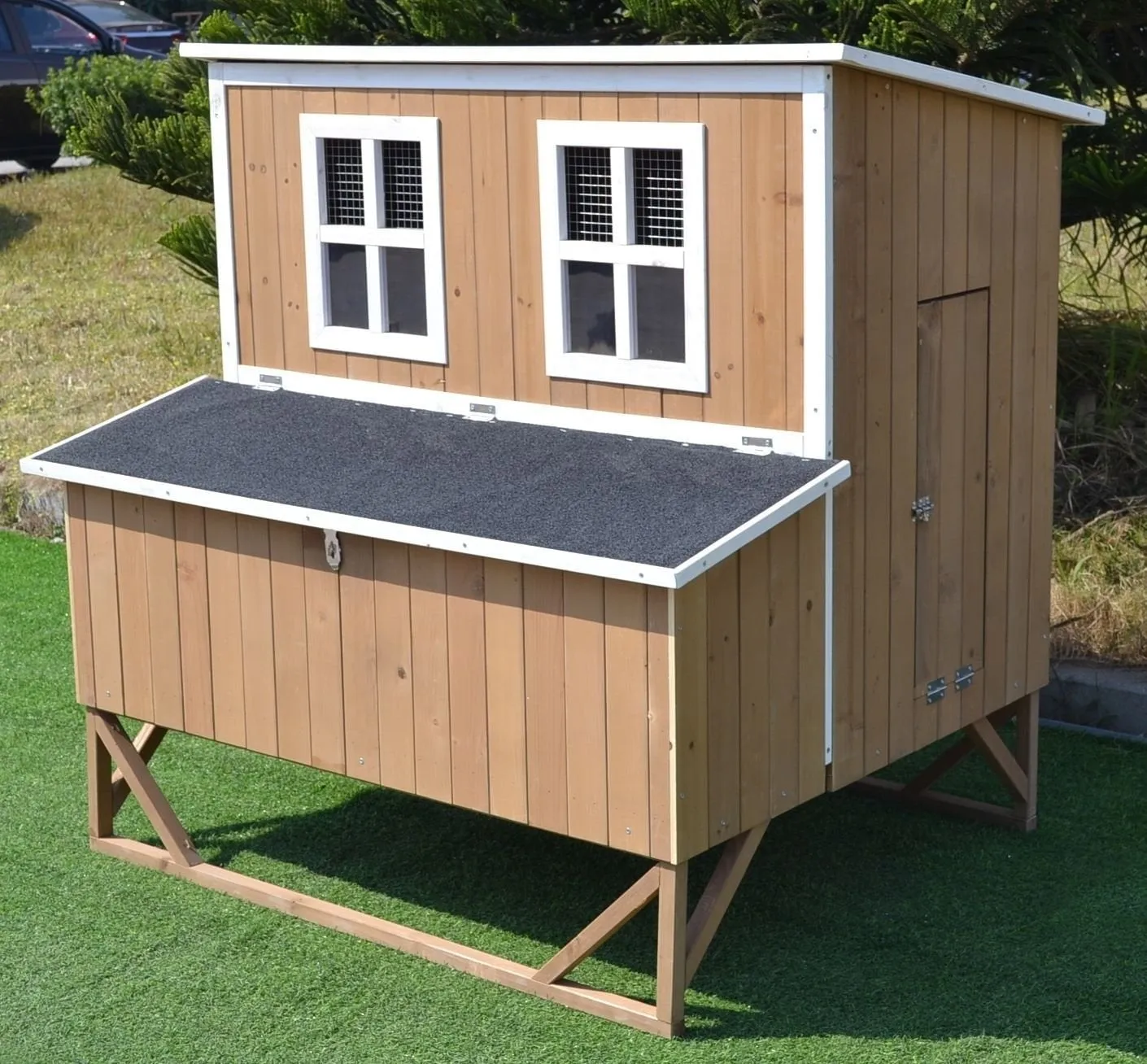
Finding the perfect chicken coop for sale is an exciting step towards raising your own backyard chickens! However, with so many options available, making the right choice can feel overwhelming. This guide will equip you with the top 5 essential buying tips to ensure you find a coop that meets your needs and keeps your feathered friends safe and happy. From assessing your space to understanding the importance of predator protection, we’ll cover everything you need to know to make an informed decision. Get ready to transform your backyard into a chicken haven!
Top 5 Chicken Coop Buying Tips
Determine Your Needs
Before even browsing chicken coops for sale, take some time to clarify your specific needs. This crucial first step will narrow down your choices and prevent you from overspending on a coop that doesn’t fit your circumstances. Consider the long-term and short-term requirements of raising chickens. Think about your goals for keeping chickens, such as egg production, meat production, or simply enjoying them as pets. Considering these will guide your choices to ensure your coop meets those needs.
Consider Your Space

The amount of space you have available in your backyard is a primary factor. Measure the area where you plan to place the coop and consider any existing structures, trees, or landscaping that could affect its placement. Ensure there’s enough room not only for the coop itself but also for a secure run where your chickens can roam safely. Overcrowding can lead to stress, disease, and reduced egg production. Also think about the local regulations, some areas have restrictions on the size and placement of coops.
Assess Your Flock Size
The number of chickens you plan to keep directly influences the size of the coop you’ll need. As a general rule, provide at least 4 square feet of space per chicken inside the coop for roosting and nesting, and at least 8-10 square feet per chicken in the run. This ensures your chickens have enough room to move around comfortably, which promotes their health and well-being. If you anticipate expanding your flock in the future, it’s wise to purchase a coop that can accommodate the larger number. Underestimating the size of the coop is a common mistake.
Think About Your Location
Your local climate and the common predators in your area will impact the features you need in a coop. If you live in an area with harsh winters, you’ll need a coop with good insulation and protection from the elements. In regions with hot summers, ventilation is crucial to prevent overheating. Consider the types of predators you have – foxes, raccoons, hawks, and coyotes are common threats. The coop must be sturdy and predator-proof, with features like secure latches, wire mesh, and buried hardware cloth around the perimeter to prevent digging.
Evaluate Coop Materials

The material a chicken coop is made from significantly affects its durability, longevity, and ease of maintenance. Different materials have their own advantages and disadvantages, and the best choice for you will depend on your budget, climate, and aesthetic preferences. Carefully consider the pros and cons of each type of material before making a decision. Ensuring a durable coop material will save costs in the long run.
Wood Coops
Wood coops are a classic choice, offering a natural look and good insulation. They are generally easy to customize and can blend well into a backyard landscape. However, wood requires regular maintenance, including painting or sealing to protect it from the elements and prevent rot. They are also susceptible to damage from pests. Cedar and redwood are popular choices for their natural resistance to rot and insects, but they are often more expensive.
Metal Coops
Metal coops, often made of steel or aluminum, are durable and require less maintenance than wood. They are generally predator-resistant and can withstand harsh weather conditions. However, metal can get very hot in the summer, so adequate ventilation is essential. Ensure the metal is treated to prevent rust. Metal coops can also be less aesthetically pleasing than wooden ones.
Plastic Coops

Plastic coops are lightweight, easy to clean, and resistant to both weather and pests. They don’t require painting or sealing, making them a low-maintenance option. However, they may not be as well-insulated as wood coops and can be less visually appealing. Ensure the plastic is UV-resistant to prevent degradation from sunlight exposure. Plastic coops are often a good option for beginners.
Prioritize Features
Beyond the basic structure, several features can greatly enhance the functionality and convenience of your chicken coop. Consider these features when comparing different coops, and prioritize those that are most important for your needs and the well-being of your chickens. A well-equipped coop will make chicken keeping a more enjoyable experience.
Ventilation
Adequate ventilation is crucial for the health of your chickens. Proper airflow helps to regulate temperature, reduce humidity, and prevent the buildup of ammonia from droppings. Look for coops with vents that are high up to allow for good air circulation without creating drafts at chicken level. Adjustable vents are a plus, allowing you to control airflow based on weather conditions.
Predator Protection

Predator-proofing is one of the most critical aspects of a chicken coop. Ensure the coop has secure latches on all doors and windows, wire mesh instead of chicken wire (which is easily chewed through) and hardware cloth buried around the perimeter to prevent digging. Consider a coop with a fully enclosed run for added security. Even if you don’t think predators are a problem in your area, it is always best to be prepared.
Accessibility
Choose a coop that is easy for you to access for cleaning, collecting eggs, and feeding and watering your chickens. Look for coops with large doors, removable roosting bars, and easy-to-clean surfaces. A coop with a built-in egg collection box can save you time and effort. The easier the coop is to maintain, the more likely you are to keep up with the necessary tasks.
Research and Compare Prices
Before making a purchase, research different coops and compare prices from various sources. This step will help you find the best value for your money and avoid overspending. Take your time, and don’t rush the decision. Make sure to consider shipping costs and assembly requirements when comparing prices.
Online Marketplaces

Online marketplaces like Amazon, Wayfair, and Overstock offer a wide selection of chicken coops for sale. These platforms often provide customer reviews and allow you to compare prices and features easily. Be sure to read reviews carefully to get a sense of the quality and durability of the coop. Check the seller’s reputation and return policies before making a purchase.
Local Retailers
Local farm supply stores, hardware stores, and garden centers often carry chicken coops. Shopping locally allows you to see the coop in person before buying, and you can get advice from staff. You might also be able to negotiate on price or find deals. Support your local community by considering local retailers.
Read Reviews
Customer reviews are an invaluable resource when researching chicken coops for sale. They offer insights into the actual performance, durability, and ease of use of a product. Read reviews from multiple sources to get a balanced perspective. Pay attention to comments about the coop’s construction, ease of assembly, and any potential issues the reviewer encountered.
Plan for Maintenance

Even the best-built chicken coops require regular maintenance to ensure the health and safety of your chickens and to extend the life of your investment. Planning for these maintenance tasks will save you time and effort in the long run. Establishing a routine will help keep your coop in top condition.
Cleaning
Regular cleaning is essential to prevent the buildup of bacteria, parasites, and odors. Remove droppings and soiled bedding frequently. Deep clean the coop at least once a month, disinfecting all surfaces. The frequency of cleaning will depend on the size of your coop, the number of chickens, and the weather conditions. The best way to make cleaning easier is to select a coop with easy access.
Repairs
Inspect your coop regularly for any signs of damage, such as loose boards, broken latches, or holes in the wire mesh. Address any repairs promptly to prevent further damage and protect your chickens from predators. Keep a supply of basic repair materials on hand, such as wood, screws, and wire mesh. Preventative maintenance will reduce the need for major repairs later.
Upgrades

Consider adding upgrades to enhance your coop’s functionality and convenience. This could include adding automatic feeders and waterers, installing a solar-powered light, or adding extra nesting boxes. As your flock grows, or as your needs change, you can adjust your coop as needed. Upgrades can improve your experience and benefit your chickens.
By following these top 5 buying tips, you’ll be well-prepared to find the perfect chicken coop for sale and create a safe and comfortable home for your chickens. From assessing your needs to planning for maintenance, each step is crucial for a successful chicken-keeping experience. Happy coop hunting, and enjoy the rewarding experience of raising your own backyard chickens!