What is Chicken Coop Sand
Chicken coop sand refers to the use of sand as a bedding material in a chicken coop. It’s a popular alternative to other bedding options like wood shavings, straw, or hay. The choice of using sand can significantly affect the hygiene and overall management of your coop, impacting the health and well-being of your chickens. When choosing sand, it’s important to understand the different types available and how they can benefit your flock. Sand offers a unique set of advantages that make it a compelling choice for many chicken keepers. It’s crucial to choose the right kind of sand and manage it properly to maximize these benefits.
Benefits of Using Sand in Your Chicken Coop
Using sand in your chicken coop provides several advantages for both you and your chickens. Beyond basic functionality, the selection of sand offers a more natural and efficient coop environment. By understanding these benefits, you can make an informed decision on whether sand is the right choice for your flock. Considering the ease of maintenance, hygiene levels, and chicken well-being, sand often becomes a preferred option for seasoned chicken keepers. Choosing sand can also positively impact the overall effort required for coop maintenance, making it a practical choice for busy schedules.
Improved Coop Hygiene
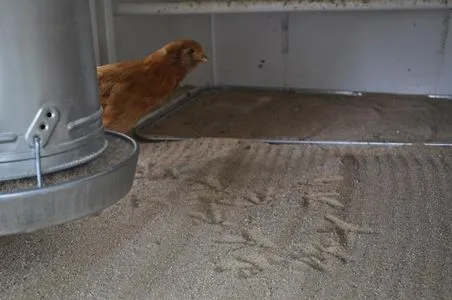
Sand helps keep your coop cleaner because it doesn’t retain moisture as much as other bedding materials. This reduced moisture content inhibits the growth of bacteria and reduces the likelihood of unpleasant odors. Regular cleaning is simpler as well, as the sand can be easily sifted to remove droppings, making it a cleaner environment overall. This contributes to a healthier living space for your chickens, minimizing potential health risks associated with a damp environment. The hygienic properties of sand are a major reason why it’s favored by many chicken keepers, promoting a more sanitary coop.
Natural Dust Bathing for Chickens
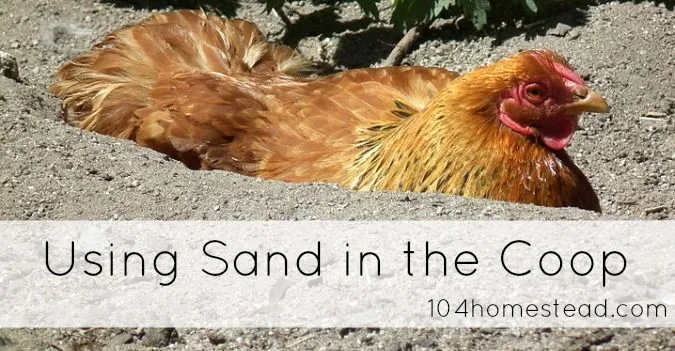
Chickens love to dust bathe, a natural behavior they use to keep their feathers clean and control parasites. Sand provides an ideal medium for this activity. The sand allows chickens to dig and roll, effectively removing dirt, oil, and parasites from their feathers. This behavior is crucial for maintaining their overall health and well-being. A sand-filled coop floor encourages chickens to engage in this natural activity, promoting a healthier and happier flock. This natural behavior also decreases the need for other parasite control methods.
Odor Control
Sand can significantly reduce coop odors. Unlike other bedding options that trap moisture and promote ammonia buildup, sand’s drying properties help to keep the coop smelling fresh. This is because the sand does not retain odors as easily, simplifying the coop’s maintenance. Reduced odors make for a more pleasant environment for both you and your chickens. This is an added benefit for those who have neighbors or live in areas where odor control is important.
Easy Cleanup

Cleaning a sand-floored coop is often easier than cleaning coops with other bedding materials. You can easily scoop out droppings and debris daily, keeping the coop tidy. The sand can also be sifted to remove waste, extending the time between complete coop cleanouts. This ease of maintenance saves time and effort, making it a practical choice for many chicken keepers. The non-clumping nature of sand simplifies the cleanup process, helping to maintain a clean and healthy coop.
Types of Sand for Chicken Coops
Not all sand is created equal when it comes to chicken coops. Choosing the right type of sand is essential for maximizing the benefits and ensuring your chickens’ health and comfort. The type of sand you choose should be based on factors like particle size, dust content, and availability. Understanding these variations will help you select the best option for your specific needs.
Play Sand
Play sand, often available at hardware stores, is a popular choice for chicken coops. It is typically fine-grained and sifted to remove large particles. Play sand is safe for chickens and provides a good medium for dust bathing. The sand is usually washed and free of significant contaminants. It’s generally inexpensive and readily available. However, it may require more frequent cleaning due to its fine texture, as droppings can be difficult to remove.
Construction Sand

Construction sand, also known as builder’s sand, is commonly used in construction projects. It typically contains larger particles than play sand, which can provide better drainage. The sand can be a cost-effective option, especially if purchased in bulk. However, it may contain more dust and potentially harmful materials. Before using construction sand, you might consider washing it to remove dust and debris. It’s important to ensure it’s free of chemicals that could harm your chickens.
Crushed Granite
Crushed granite is a less common but excellent choice for chicken coops. It is made from crushed granite rock, providing excellent drainage and durability. The heavier texture of crushed granite can make it more challenging for chickens to ingest. It is also generally free of dust and other contaminants. Crushed granite is typically more expensive than other options, but its longevity and drainage capabilities make it a worthwhile investment for many chicken keepers. It is an excellent choice for odor control and coop hygiene.
Choosing the Right Sand
Selecting the right sand involves considering several factors to ensure it meets the needs of your chickens and your maintenance preferences. Assessing these factors will help you choose the sand that provides the best environment for your flock. It is essential to assess the available options carefully to ensure you’re providing the optimal conditions for your chickens.
Considerations for Sand Selection

When selecting sand for your chicken coop, you should consider particle size and texture, dust content, availability, and cost. These considerations play a critical role in the overall success of using sand as coop bedding. Examining these aspects carefully helps you make the best decision for your flock’s well-being.
Particle Size and Texture
The particle size and texture of the sand influence its suitability for chickens. Finer sand, such as play sand, is excellent for dust bathing, but may require more frequent cleaning. Coarser sand, like construction sand or crushed granite, offers better drainage, reducing moisture and odors. Selecting the right particle size helps maintain a clean and comfortable coop environment for the chickens. The ideal particle size is often a balance between ease of cleaning and dust bathing capability.
Dust Content
High dust content in sand can be problematic, leading to respiratory issues for both you and your chickens. Always opt for sand with low dust content. Washing sand before use can help remove excess dust. Less dusty sand promotes better respiratory health for your chickens. Checking dust levels is a key consideration when selecting sand for your coop.
Availability and Cost

The availability and cost of the sand are practical considerations that will influence your choice. Play sand is usually readily available at most hardware stores. Construction sand might be cheaper, especially when purchased in bulk, but may require extra preparation. Crushed granite is typically more expensive and may be less accessible. Considering these factors helps you choose the best option within your budget and location. It’s crucial to balance quality with affordability to make the most informed decision for your coop.
How to Prepare Your Coop for Sand
Preparing your coop for sand ensures that you create the best possible environment for your chickens. This includes proper cleaning and maintenance practices to ensure your flock’s well-being. By carefully preparing your coop, you set the stage for a healthy and hygienic living space. The steps involved are essential for maximizing the benefits of using sand as bedding.
Coop Cleaning and Maintenance
Before introducing sand, clean the coop thoroughly. Remove all existing bedding and scrub the coop surfaces to eliminate any residue. This includes cleaning the roosting bars, nesting boxes, and walls. Allow the coop to dry completely before adding sand. Regular cleaning and maintenance are essential for preventing the buildup of harmful bacteria and maintaining a healthy environment. This practice helps eliminate any potential health hazards, promoting a cleaner coop environment.
Laying Sand in the Coop

Once the coop is cleaned, add a layer of sand to the floor. The depth of the sand layer is important for both hygiene and the chickens’ comfort. A depth of 4 to 6 inches is a good starting point, though this can vary based on the size of your coop and the number of chickens. Ensure even distribution of the sand across the coop floor. This allows the chickens to dust bathe and keeps the coop clean.
Best Practices for Sand Management
Effective sand management is crucial for maintaining a clean and healthy chicken coop. Implementing the best practices for maintaining your sand-based coop will ensure a clean and healthy environment. Good management practices help maximize the benefits of using sand as coop bedding.
Sand Depth and Replenishment
Monitor the sand depth and replenish as needed. Over time, sand can get displaced or mixed with droppings. Regularly check the sand level and add fresh sand to maintain the appropriate depth. This ensures your chickens always have a comfortable place to dust bathe. Maintaining the sand depth promotes a healthy and clean environment.
Managing Moisture and Odor

While sand helps with moisture control, you still need to manage any excess. Ensure good ventilation in the coop to help dry out the sand and reduce odors. Clean up any spills promptly, and address any areas where moisture accumulates. Proper ventilation and prompt cleaning will keep the coop dry. Proper moisture management prevents the development of unpleasant odors and supports a cleaner environment.
Common Problems and Solutions
Even with proper care, you may encounter some issues when using sand in your chicken coop. Being aware of the common problems and their solutions ensures that you can quickly address any issues that arise. By taking the right approach, you can efficiently resolve common challenges related to sand management.
Sand Compacting
Over time, sand can compact, reducing its ability to drain and absorb moisture. Regularly fluff the sand with a rake or other tool to aerate it and prevent compaction. This also helps with odor control and makes cleaning easier. Periodic fluffing ensures the sand remains effective at moisture absorption. This simple practice extends the life of your sand and maintains the coop’s cleanliness.
Sand Contamination
Sand can become contaminated with droppings, parasites, and other debris. Regular sifting or scooping out of droppings and any other visible contaminants will help to maintain the sand’s hygiene. If the sand becomes heavily contaminated, you may need to replace it. This helps to maintain a clean coop environment. Removing contaminants is essential for preventing the spread of disease and maintaining a healthy environment for your chickens.
Sand and Chicken Health
Monitor your chickens for any signs of health issues, such as respiratory problems or unusual behavior. While sand is generally safe, some chickens may ingest sand. If you notice any issues, assess your sand for dust content and replace it if necessary. If your chickens are eating too much sand, ensure they have access to a balanced diet. Watch for any unusual behaviors and contact a veterinarian if you notice anything concerning. This will help ensure your chickens remain healthy.
Alternative Coop Bedding Options
While sand offers many benefits, other bedding options are available. Exploring these alternatives helps you to consider different possibilities for your coop’s management. These options have their own advantages and disadvantages, so consider your priorities and resources when making a decision. Considering these options helps you to make an informed decision, considering all aspects of your flock’s well-being.
Wood Shavings
Wood shavings are a common bedding option for chicken coops. They are absorbent and relatively easy to find. However, they may need to be changed more frequently than sand. Wood shavings can also sometimes lead to respiratory issues if they are dusty. Ensuring your shavings are dust-free is a major consideration.
Straw
Straw is another popular bedding choice for chicken coops. It provides good insulation during the winter and can be composted. However, straw can retain moisture and is prone to harboring mites. Straw bedding may also need frequent cleaning. Always be sure to keep it clean and dry.
Hemp Bedding
Hemp bedding is a more modern choice. It is highly absorbent, dust-free, and resistant to mold and mildew. It also breaks down quickly for composting. It is an eco-friendly and efficient bedding option. However, hemp bedding can be more expensive than other options. Consider the costs involved when making your choice.