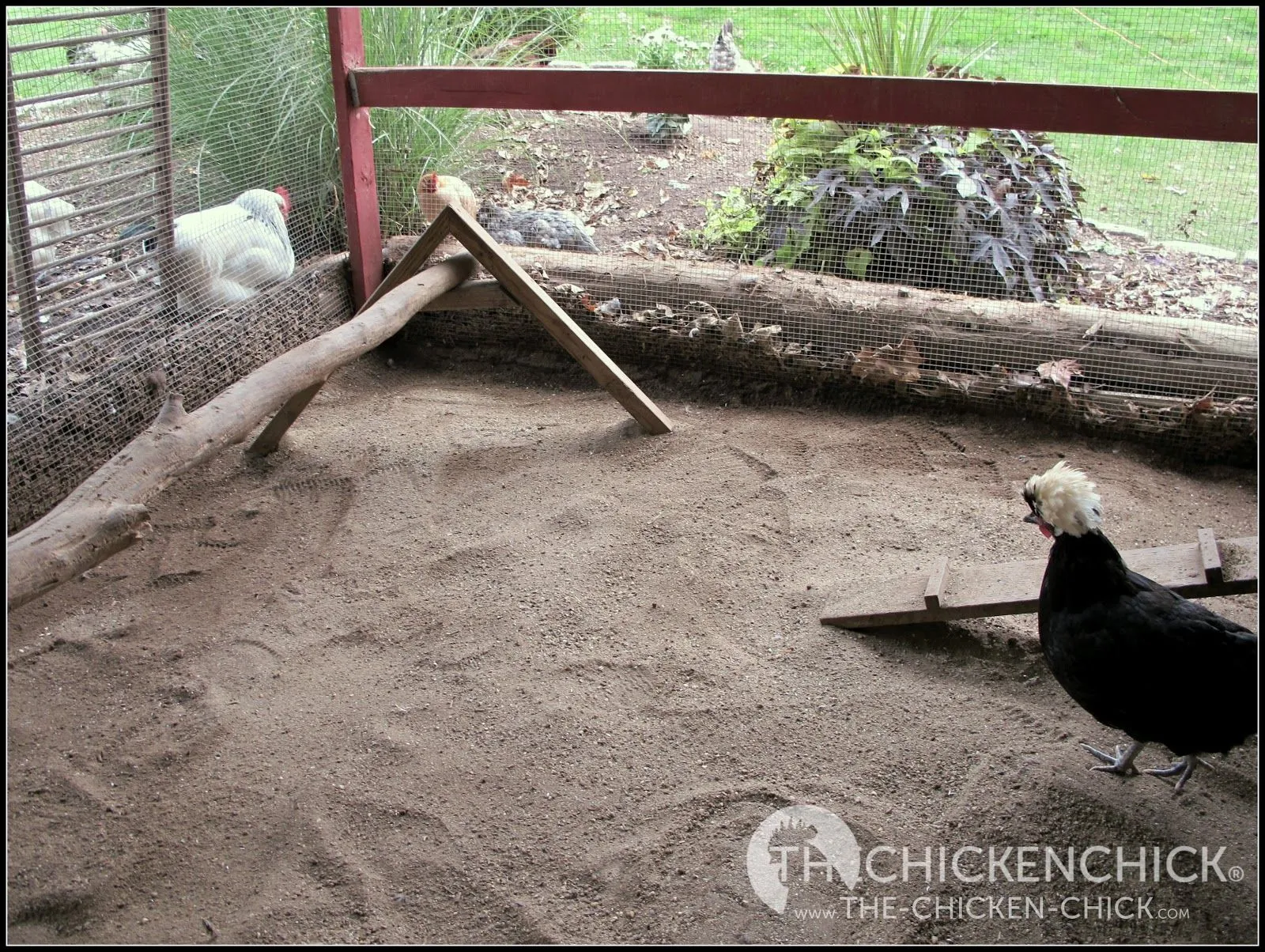
What is Chicken Coop Sand and Why Use It
Choosing the right bedding for your chicken coop is crucial for the health and happiness of your flock. While wood shavings, straw, and other materials are common, sand is gaining popularity as an excellent alternative. Chicken coop sand, essentially any type of sand used as a coop flooring material, offers a range of benefits that can improve coop hygiene, reduce odors, and provide a comfortable environment for your chickens. The appeal lies in its natural properties and ease of maintenance compared to other bedding options, making it an attractive choice for many chicken keepers. Ultimately, the goal is to create a clean, dry, and healthy environment for your birds to thrive.
The Benefits of Using Sand in Your Chicken Coop
The advantages of using sand as chicken coop bedding are numerous, making it a standout choice for many poultry enthusiasts. One of the primary benefits is superior odor control. Sand naturally absorbs moisture and helps to neutralize ammonia, a common byproduct of chicken waste. This results in a coop that smells fresher and is less likely to attract flies and other pests. Sand is also non-toxic and does not readily decompose, unlike some organic bedding materials, which minimizes the risk of mold and bacterial growth. This creates a healthier environment for your chickens, reducing the likelihood of respiratory issues and other health problems. Moreover, sand provides natural grit for chickens to aid in digestion, it provides dust bathing and is easy to clean and maintain, making coop upkeep less of a chore.
Sand as a Coop Bedding

The use of sand as coop bedding provides a durable and long-lasting surface that can withstand the wear and tear of daily chicken activities. Sand does not break down easily, it remains relatively consistent over time, providing a stable surface for chickens to walk on. Additionally, it’s non-toxic, safe if ingested in small amounts, and does not pose the same fire hazards as some organic materials. Sand also helps with temperature regulation within the coop, staying cool in summer and providing some insulation in the winter. This means the chickens stay warm during the winter and cooler in the summer. Sand provides natural grit, aiding in digestion and helping chickens process their food more efficiently. This also ensures a healthier, happier flock.
Sand’s Benefits for Chickens
Beyond the practical benefits for coop maintenance, sand offers advantages for the chickens themselves. Sand is an ideal medium for dust bathing, which is a natural behavior for chickens that helps them keep their feathers clean and free of parasites. Chickens will naturally dust bathe in sand, kicking and scratching to create a dry area where they can roll around and preen. Sand is an excellent abrasive, providing a surface for chickens to naturally wear down their beaks and claws. This minimizes the need for human intervention to maintain their beak and claw health. The added bonus of having a cleaner environment contributes to their overall well-being, making your flock healthier and happier.
Choosing the Right Type of Sand for Your Coop
Selecting the right type of sand is a critical factor in ensuring that your chickens get the maximum benefit from their new bedding. Not all sands are created equal, and some types may not be suitable for a chicken coop. It’s essential to choose a sand that is clean, safe, and appropriate for the environment. The ideal sand should be free of contaminants, such as dust, chemicals, and large particles, which could potentially harm your chickens. Also, the size and shape of the sand particles are important, as this will affect its ability to absorb moisture and its overall comfort level for your chickens.
Different Types of Sand

Several types of sand are available, each with unique characteristics. Construction sand, play sand, and crushed stone sand are common choices for chicken coops. Each type has its own properties that make it more or less suitable for coop bedding. These differences impact the sand’s ability to absorb moisture, the ease of cleaning, and the overall comfort level for your chickens. Carefully consider these different options before making your final decision. Understanding the distinctions will ensure you choose the best type of sand for your coop, leading to a healthier and more enjoyable experience for your flock.
Construction Sand
Construction sand, also known as concrete sand, is a widely available and generally affordable option. It typically has a coarser texture and larger particle size compared to other types of sand. Because of its size, construction sand can offer good drainage and aeration, which helps in moisture absorption. While it can work in a chicken coop, the rougher texture might not be as comfortable for chickens to walk on. It is important to ensure that construction sand is free of any chemical additives or contaminants. Construction sand’s coarse texture can create a more robust and long-lasting coop bedding.
Play Sand
Play sand is another common option, especially because of its availability and affordability. It is typically finer and smoother than construction sand, making it more comfortable for chickens. Play sand is often screened and cleaned during processing, so it is generally free of large debris and contaminants. The smoother texture makes it excellent for dust bathing, which benefits the chickens and helps control pests. One thing to consider is that play sand can compact more easily than construction sand. This may affect its drainage and absorption capabilities over time, so regular maintenance and turning of the sand are often needed to maintain its effectiveness.
Crushed Stone Sand

Crushed stone sand, also known as decomposed granite, is made by crushing granite or other types of stone. This results in a sand that has angular particles, providing good drainage and aeration. Crushed stone sand is very durable and can be a long-lasting coop bedding option. It provides a natural appearance. Because it is a byproduct of stone crushing, it often has a natural look and can be used to enhance the aesthetic appeal of your coop. Be mindful of the edges on crushed stone sand. The angular particles can be abrasive to the chickens’ feet. Consider the size of the particles and ensure that there are no sharp edges that might cause injury.
Considerations for Choosing the Right Sand
Choosing the right type of sand for your chicken coop requires more than just picking the most readily available option. Several factors influence the suitability of sand as coop bedding, including particle size, cleanliness, and cost. These details affect the sand’s performance, and, therefore, the health and well-being of your flock. By carefully considering these features, you can make an informed decision that benefits both your chickens and your coop management. Evaluating the key elements will enable you to select the best sand for your specific needs, thereby creating a successful and healthy environment for your chickens.
Particle Size and Shape
The size and shape of sand particles significantly impact the effectiveness of the sand as coop bedding. Finer sand, like play sand, tends to compact more easily, which can reduce its drainage and moisture-absorbing capabilities. Coarser sand, like construction sand, provides better drainage but might be less comfortable for the chickens’ feet. Also, the shape of the sand particles influences its performance. Angular particles, such as those found in crushed stone sand, can improve drainage and aeration. Smooth, rounded particles, common in play sand, can be more comfortable. Consider the balance between drainage, comfort, and the specific needs of your flock when choosing the ideal particle size and shape.
Cleanliness and Purity

The cleanliness and purity of the sand are of utmost importance when choosing sand for a chicken coop. The sand should be free from contaminants, such as dust, chemicals, and large debris. Contaminated sand can potentially harm your chickens and introduce health hazards into their environment. Always source sand from a reputable supplier and check for any visible signs of contamination. Consider the type of sand and its processing. Play sand, which is often screened and cleaned, tends to be cleaner. Construction sand, though readily available, requires careful inspection to make sure that it is clean. Prioritize the health and safety of your chickens by choosing only clean, contaminant-free sand.
Availability and Cost
The availability and cost of the sand will influence your selection, especially when you need to refill your coop regularly. Construction sand tends to be the most readily available and affordable option. Play sand is widely available and relatively inexpensive. Crushed stone sand might be slightly more expensive and have limited availability, depending on your location. Assess the long-term costs associated with each sand type. Take into account the frequency of replacement, ease of maintenance, and any additional costs for specialized equipment. Choose a sand that fits your budget and is easily accessible in your area, taking into account both initial and ongoing costs.
How to Prepare and Install Sand in Your Chicken Coop
Proper preparation and installation are key to ensuring your chicken coop sand bedding provides the best results. Preparing the coop correctly and adding the sand in the right way ensures its functionality and the health of your chickens. Also, knowing how to maintain the sand will make it last and work well. By following a few simple steps, you can create a clean, dry, and healthy environment for your chickens. This ensures the success of your sand bedding system and contributes to the overall well-being of your flock. Proper preparation helps in preventing many issues, which often arise from poorly prepared and installed sand.
Preparing the Coop

Before introducing sand, thoroughly clean the coop. Remove all existing bedding, droppings, and debris. This helps to reduce the amount of organic material in the coop. Ensure proper ventilation to minimize moisture buildup and prevent mold growth. Ensure the coop floor is level and in good condition. Address any structural issues to prevent moisture and pests from entering the coop. Consider adding a layer of landscape fabric or hardware cloth under the sand. This layer can act as a barrier to prevent sand from escaping through any cracks or holes in the coop floor and helps to prevent weeds from growing up through the sand, thereby maintaining the coop’s cleanliness and the sand’s longevity.
Adding the Sand
Once the coop is prepared, add the sand. The recommended depth of the sand layer is typically around 4 to 6 inches. This depth provides adequate absorption of moisture and allows for proper dust bathing. Spread the sand evenly across the coop floor. Avoid creating any uneven spots, as they can cause problems with drainage and create areas for moisture to collect. Be sure to account for any areas that may need a greater depth of sand, such as under the roosting bars. As you add the sand, make sure to create a flat and even surface, allowing chickens to roam freely and dust bathe in the sand with ease. Make sure there are no sharp edges or obstacles.
Maintaining Your Sand Bedding
Maintaining sand bedding is essential for keeping your chicken coop clean and healthy. Regular cleaning and replacement of the sand are necessary to remove waste, maintain the sand’s effectiveness, and ensure the overall well-being of your flock. By sticking to a consistent maintenance routine, you can prolong the life of the sand bedding and create a favorable environment for your chickens. Doing so reduces the risk of disease, while making the coop safer and more enjoyable. It is a fundamental part of managing a chicken coop that employs sand.
Cleaning and Raking

Regular cleaning and raking are essential for maintaining sand bedding. At least once a week, rake the sand to loosen it and remove droppings, feathers, and any other debris. Use a dedicated rake designed for the coop to make this task easier. During raking, look for any areas where the sand seems particularly wet or compacted. These spots may need extra attention. For more thorough cleaning, you can use a sifting method to separate the waste from the sand. This can be done using a specialized sifter or a homemade setup. This helps to remove waste, and it can extend the life of your sand bedding, while minimizing odors and maintaining a healthy environment for your chickens. Implement this practice to keep your coop in great shape.
Replacing Sand
Despite regular cleaning, the sand will eventually need to be replaced. How often you need to replace the sand will depend on a number of factors, including the size of your coop, the number of chickens, and the effectiveness of your cleaning routine. As a general guideline, it’s a good idea to replace the sand at least twice a year, or more frequently if necessary. The best time to replace the sand is during the warmer months when it’s easier to clean the coop. Removing and replacing the sand, or adding fresh sand will keep the coop clean and fresh. Inspect the sand regularly, and replace it whenever you notice persistent odors, excessive moisture, or a buildup of waste. Doing so makes sure your coop provides the best environment for your flock.
Potential Downsides of Using Sand in Your Coop
While sand offers many benefits for chicken coop bedding, there are also potential downsides to consider. One of the primary concerns is the initial cost and labor involved in setting up and maintaining a sand-based coop. Sand is heavier than many other bedding materials. Sand can also get very dirty with chicken waste. Additional steps are necessary for proper cleaning. There is also the potential for the sand to dry out chickens’ feet. Despite these minor drawbacks, the advantages of using sand in a chicken coop generally outweigh the disadvantages. Make sure that sand is the right choice for your coop. Weigh the pros and cons before making your final decision.
In conclusion, choosing the right bedding for your chicken coop is crucial, and sand provides many benefits over traditional bedding materials. From superior odor control to providing natural grit for digestion and dust bathing, sand enhances the health and happiness of your flock. By considering the different types of sand and choosing the right one for your needs, you can create a clean and healthy environment for your chickens. Proper preparation, installation, and maintenance will ensure that your sand bedding remains effective for years to come. Keep in mind the potential downsides, and you can confidently make the decision that works best for you and your chickens, making their coop a comfortable and thriving habitat.