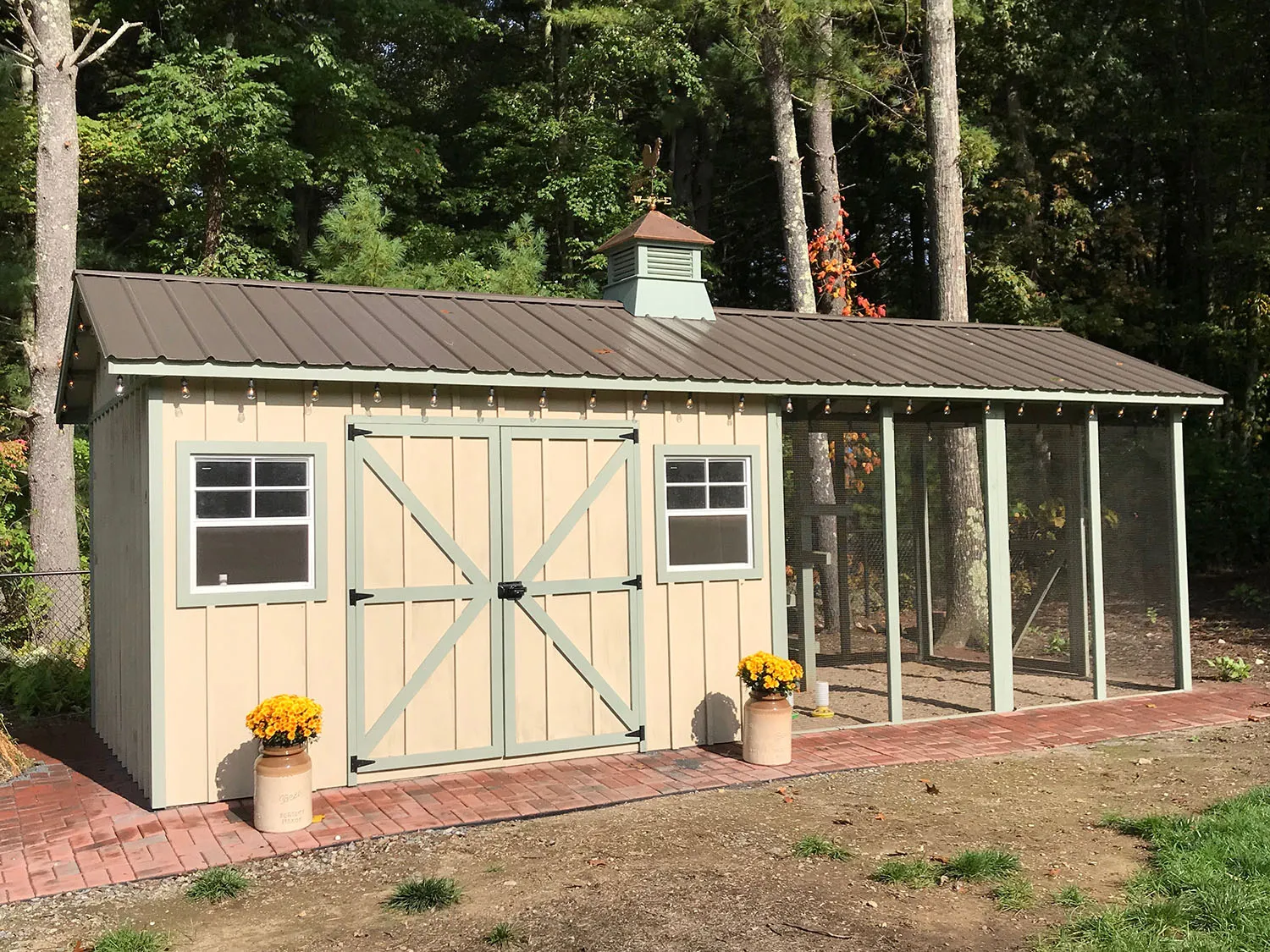
Building a chicken coop shed is a rewarding project for anyone looking to raise chickens in their backyard. A well-designed coop not only provides a safe and comfortable home for your flock, but also adds a touch of rustic charm to your property. This comprehensive guide will walk you through the essential steps of designing and building your own chicken coop shed, ensuring a thriving environment for your chickens and a fulfilling experience for you. From initial planning to ongoing maintenance, we’ll cover every aspect of creating a functional and aesthetically pleasing coop.
Planning Your Chicken Coop Shed
Before you even think about grabbing a hammer, careful planning is crucial for a successful chicken coop shed project. This phase involves assessing your needs, evaluating your space, and designing a coop that perfectly suits your flock and your lifestyle. Taking the time to plan saves you from costly mistakes and ensures the coop meets all requirements for your chickens’ wellbeing.
Choosing the Right Location
The location of your chicken coop shed plays a significant role in the health and happiness of your chickens. Consider factors like sunlight, shade, accessibility, and security. Choosing wisely will make your job easier and the chickens healthier.
Sunlight and Shade Considerations

Chickens need both sunlight and shade. Ensure the coop receives ample sunlight for warmth and vitamin D production, particularly during colder months. However, provide shade during the hottest parts of the day to prevent overheating. Trees, strategic placement, or shade cloth can provide necessary relief.
Accessibility and Security
The location should be easily accessible for daily chores like feeding, watering, and egg collection. The coop should also be in a secure area, protected from predators like foxes, raccoons, and dogs. Consider fencing, a solid foundation, and secure doors and windows to enhance security.
Shed Size and Chicken Capacity
Determine the size of your chicken coop shed based on the number of chickens you plan to house. Overcrowding can lead to stress, disease, and reduced egg production. Provide adequate space for each bird to move around comfortably, roost, and access food and water.
Determining Coop Dimensions

Consider the overall dimensions of your coop, factoring in the run area where chickens can roam freely during the day. The coop itself should provide enough space for roosting, nesting, and protection from the elements. The run should be large enough to allow for exercise and foraging.
Calculating Space per Chicken
A general rule of thumb is to provide at least 4 square feet of space per chicken inside the coop and 8-10 square feet in the run. These numbers may vary depending on your breed and the climate you live in. Larger breeds will require more space than smaller ones.
Gathering Materials
Once you have a design and know the dimensions, the next step is gathering the necessary materials. Choosing the right materials is crucial for durability, safety, and the overall longevity of your chicken coop shed. This includes lumber, hardware, fasteners, and essential tools.
Lumber Selection

Choose lumber that is durable, weather-resistant, and non-toxic to chickens. Untreated wood is generally preferred, as treated wood can leach chemicals into the coop environment. Consider the climate in your area when selecting wood. For example, cedar and redwood are naturally resistant to rot and insects.
Choosing the Right Wood
Pine is a common choice, it is relatively affordable and easy to work with. However, ensure it is properly sealed to prevent rot. Cedar and redwood are excellent choices due to their natural durability. Avoid plywood that is not exterior grade.
Hardware and Fasteners
Use galvanized or stainless steel hardware to prevent rust and corrosion. Screws are generally preferred over nails for their holding power. Consider using hardware cloth or wire mesh with small openings to keep predators out. Ensure all screws are exterior grade.
Essential Tools

Gather the necessary tools before starting the construction process. This includes a saw (circular, hand, or reciprocating), a drill, a measuring tape, a level, a hammer, a staple gun, and safety glasses. Having the right tools will make the building process smoother and more efficient.
Building the Chicken Coop Shed Frame
With your materials and tools ready, it’s time to start building the frame of your chicken coop shed. The frame provides the structural support for the entire coop, so it is essential to build it correctly. Accurate measurements, sturdy joints, and careful construction are critical to the stability and longevity of your coop.
Constructing the Foundation
A solid foundation is the base of a sturdy coop. The foundation can be as simple as setting treated posts into the ground or as complex as a concrete slab. A concrete foundation will prevent predators from digging under the coop. Ensure the foundation is level and square.
Building the Walls

Build the walls of the coop by attaching the frame to the foundation. Use the correct lumber and secure them firmly. Ensure the walls are straight and level. Consider the height of the walls and the ease of access to the coop. Make sure there are no gaps that predators can exploit.
Adding the Roof
Choose a roofing material that is durable and weather-resistant. Options include shingles, metal roofing, or a simple slanted roof with a waterproof membrane. Ensure the roof overhangs the walls to provide protection from rain and sun. Make certain that the roof is properly sealed to prevent leaks.
Enclosing and Securing the Coop
Once the frame is complete, it’s time to enclose and secure the coop. This involves installing doors, windows, and ensuring the coop is protected from predators. Correct enclosure and security measures are essential for the safety of your chickens.
Installing Doors and Windows

Install doors that are easy to open and close. Ensure they are sturdy and can be securely latched. Install windows for ventilation and light. Make sure the windows are covered with hardware cloth or wire mesh to prevent predators from entering.
Preventing Predators
Predator-proofing is critical for protecting your chickens. Bury hardware cloth around the perimeter of the coop to prevent digging. Ensure all openings are covered with hardware cloth. Use secure latches on doors and windows. Regularly inspect the coop for any signs of damage or potential entry points.
Adding Ventilation
Ventilation is essential for maintaining air quality and preventing moisture buildup inside the coop. Install vents near the roofline. Ensure adequate airflow to keep the coop dry and reduce ammonia build-up from chicken waste. Consider using a ridge vent or soffit vents.
Interior Design and Features
The interior design of your chicken coop shed contributes to your chickens’ comfort and wellbeing. Providing appropriate features enhances egg production and improves the overall health of your flock. This includes nesting boxes, roosting bars, and considerations for flooring and cleaning.
Building Nesting Boxes
Nesting boxes provide a safe and comfortable place for hens to lay eggs. One nesting box for every 3-4 hens is generally recommended. Build the boxes out of wood, ensuring they are easy to access for egg collection. Line the boxes with straw or other soft bedding.
Creating a Roosting Bar
Chickens naturally roost at night. Provide roosting bars for your chickens to perch on. Place the bars at different heights to accommodate different breeds. Ensure the bars are comfortable and sturdy, allowing enough space for each chicken.
Flooring and Cleaning Considerations
Choose flooring that is easy to clean and maintain. Options include wood, concrete, or linoleum. Ensure the floor is sloped slightly for drainage. Consider a removable floor for easier cleaning. Plan for regular cleaning to maintain a healthy environment.
Maintaining Your Chicken Coop Shed
Once your chicken coop shed is complete, ongoing maintenance is necessary to keep it in good condition and ensure the health and safety of your chickens. Regular cleaning, inspection, and pest control are essential components of coop maintenance.
Regular Cleaning Schedule
Establish a regular cleaning schedule to remove droppings and soiled bedding. Clean the coop at least once a week, or more often if necessary. Replace bedding regularly. Thoroughly clean the coop at least twice a year, or more frequently depending on the size of your flock.
Inspection and Repairs
Regularly inspect the coop for any signs of damage or wear and tear. Make repairs promptly to prevent further damage or potential predator access. Check for loose boards, broken latches, or any other issues. Maintaining the coop in good condition will extend its lifespan and ensure the safety of your chickens.
Pest Control
Implement pest control measures to prevent infestations of mites, lice, and other parasites. Use diatomaceous earth or other safe pest control methods. Regularly inspect your chickens for signs of pests. Take immediate action if you notice any infestations.
Building a chicken coop shed is a rewarding project that allows you to provide a safe, comfortable, and secure home for your chickens. By following these steps, you can design and build a coop that meets the needs of your flock and enhances your backyard. Remember that planning, quality materials, and proper maintenance are the keys to a successful and long-lasting chicken coop shed. Enjoy the process, and the rewards of fresh eggs and happy chickens!