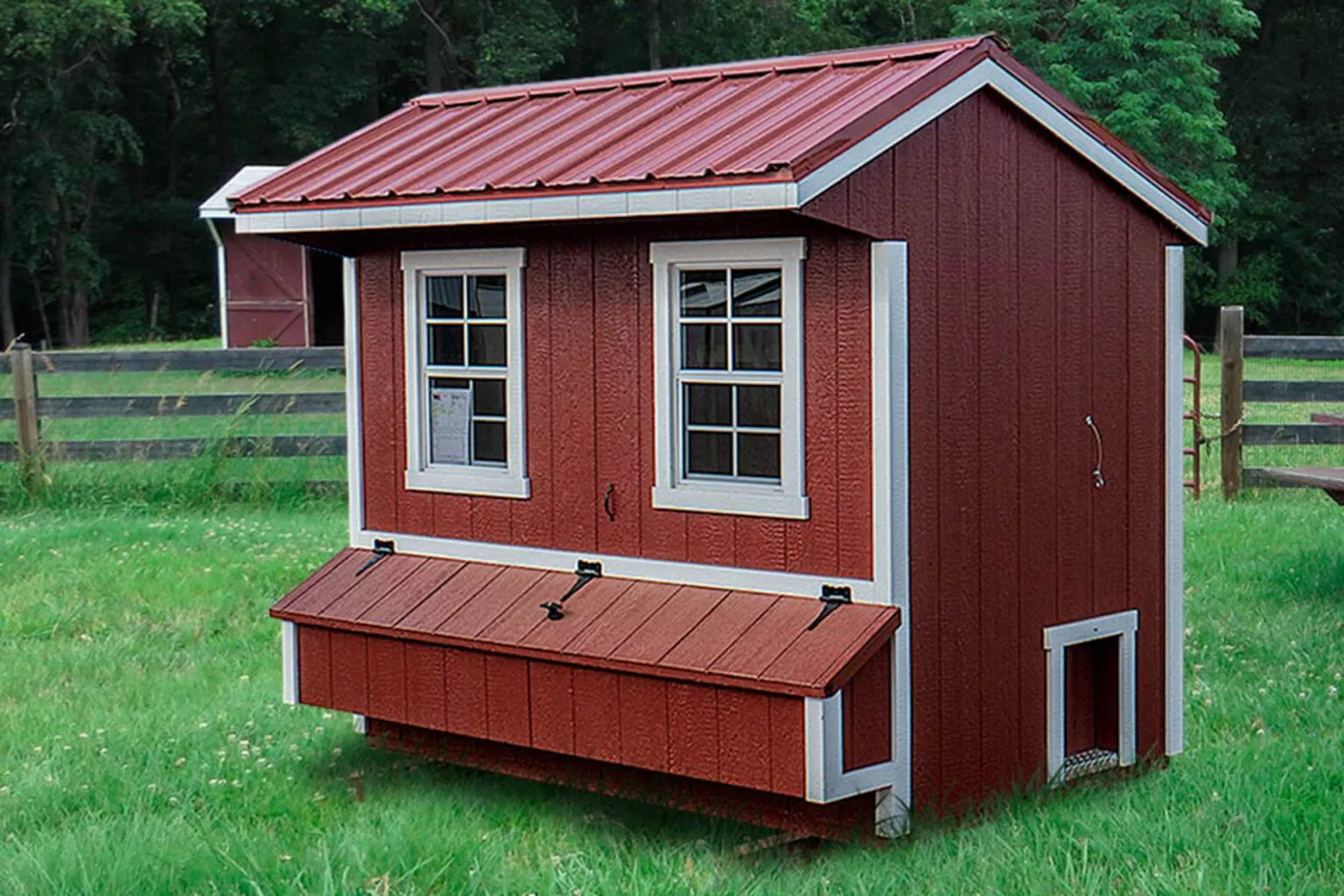
7 Secrets for Successful Chicken Coop Sheds
Building a chicken coop shed can be a rewarding experience, providing fresh eggs and companionship. However, a poorly designed or constructed coop can lead to problems, from predator attacks to unhealthy chickens. This guide explores seven crucial secrets to ensure your chicken coop shed is a resounding success. From selecting the ideal location to maintaining a clean environment, these secrets will help you create a safe, comfortable, and productive home for your flock. Ensuring a great chicken coop shed is not just about providing shelter; it’s about fostering a thriving environment for your chickens.
Secret 1 Location is Key
The location of your chicken coop shed is the first and most important factor to consider. A well-chosen spot will contribute significantly to the health and happiness of your chickens, while also making your own life easier. Think about accessibility, sunlight, and protection from the elements when deciding where to place your coop. A poorly chosen location can lead to a multitude of issues, impacting everything from your chickens’ health to the amount of work required to maintain the coop.
Choose the Right Spot

Choosing the right spot involves considering several factors. The area should be relatively level to simplify construction. It should also be away from areas that flood or collect water. Consider proximity to your house for ease of access for daily chores like collecting eggs and providing food and water. Also, think about the impact on your neighbors, noise and smell can be factors, so locate the coop a reasonable distance from property lines.
Consider Sunlight and Shade
Chickens need both sunlight and shade. The coop should receive some sunlight, especially in the morning, to help dry the coop and provide warmth. However, it should also have shaded areas to protect chickens from the hot afternoon sun. Consider the natural shade provided by trees, or plan to incorporate shade cloth or a covered run area. Ensure the coop location allows for adequate ventilation to prevent overheating in summer and protect from extreme cold in winter.
Secret 2 Size Matters
The size of your chicken coop shed directly impacts the health and comfort of your chickens. A coop that’s too small will lead to overcrowding, which can increase stress, disease, and aggressive behavior within the flock. A coop that’s too large, on the other hand, can be harder to heat in winter and can feel less secure for the chickens. Calculating the appropriate size is a crucial step in coop design and construction.
Determine Coop Size Based on Flock Size

The general recommendation for coop size is at least 4 square feet per chicken inside the coop. For the outside run, you should plan for at least 8-10 square feet per chicken. Consider the breed of chicken; larger breeds may require more space. Overcrowding can lead to stress, pecking order issues, and the spread of disease. Always plan for a little extra space to allow for future growth or the addition of new birds.
Allow Enough Space for Roosting and Nesting
In addition to floor space, you need to factor in roosting bars and nesting boxes. Roosting bars require around 8-12 inches of space per chicken. Nesting boxes should be one box for every 3-4 hens. Ensure that nesting boxes are easily accessible for egg collection and are placed in a secluded, comfortable location within the coop. Providing sufficient roosting and nesting space is essential for the chickens’ well-being and egg production.
Secret 3 Design for Protection
Protecting your chickens from predators is paramount to their survival. A well-designed chicken coop shed will incorporate features to deter predators such as foxes, raccoons, coyotes, and even domestic pets. This includes secure materials, robust construction, and thoughtful placement. Remember that a predator-proof coop is an investment in the longevity of your flock and the peace of mind of you.
Secure Against Predators

Use strong materials like hardware cloth (instead of chicken wire, which predators can easily tear through) for the run and windows. Bury the hardware cloth at least 12 inches underground around the perimeter of the run to prevent digging predators. Ensure all doors and latches are secure and predator-proof. Consider using automatic door openers to secure the coop at dusk and open it at dawn to prevent nighttime attacks. Inspect your coop regularly for any signs of damage or weaknesses that predators could exploit.
Weatherproof Your Coop
Weatherproofing your coop protects your chickens from the elements, including rain, snow, wind, and extreme temperatures. Ensure the roof is watertight and sloped to shed water and snow. Seal any gaps or cracks in the walls to prevent drafts and moisture. Provide adequate ventilation to prevent moisture buildup inside the coop, which can lead to health problems. Insulate the coop in colder climates to help maintain a stable temperature.
Secret 4 Ventilation is Vital
Proper ventilation is essential for maintaining a healthy environment inside your chicken coop shed. Good airflow helps to remove moisture, ammonia, and other harmful gases, while also regulating the temperature. Without adequate ventilation, chickens can develop respiratory problems, and the coop can become a breeding ground for bacteria and pests. It’s a critical aspect of chicken coop design, often overlooked.
Ensure Proper Airflow

Ventilation should allow for air circulation without creating drafts directly on the chickens. Install vents near the roofline to allow warm, moist air to escape. Place vents on opposite sides of the coop to promote cross-ventilation. Avoid covering the vents in winter, but you may need to adjust the placement or size of the vents to prevent drafts. Regularly check for and remove any obstructions that may be blocking airflow.
Prevent Moisture Build-up
Moisture can lead to several problems, including mold, mildew, and frostbite. Good ventilation helps to remove moisture generated by the chickens’ droppings, breathing, and spilled water. Ensure that the coop floor drains well and avoid using materials that retain moisture. Consider using a deep litter method, which involves layering bedding materials like wood shavings, which can help absorb moisture and reduce odors. Clean the coop regularly to prevent moisture buildup.
Secret 5 Choosing the Right Materials
The materials you choose for your chicken coop shed will affect its durability, safety, and ease of maintenance. Selecting the right materials is crucial for creating a comfortable, long-lasting home for your chickens. Prioritize materials that are resistant to weather, pests, and easy to clean. Think about the long-term implications of your material choices, including cost, maintenance, and environmental impact. Consider these elements carefully to make an informed decision.
Durability and Safety

Choose materials that can withstand the elements and resist wear and tear. Pressure-treated lumber is a good choice for the frame, as it resists rot and insect infestation. Use hardware cloth instead of chicken wire for the run, as it is more secure against predators. Avoid using materials that may be toxic to chickens, such as lead-based paint or treated wood that hasn’t been properly sealed. Ensure all materials are free of sharp edges or splinters that could injure your chickens.
Easy to Clean Materials
Easy-to-clean materials will save you time and effort when maintaining your coop. Use non-porous materials for the floor, such as concrete or linoleum, that can be easily washed. Choose wood that’s been properly sealed or painted to prevent it from absorbing moisture and odors. Consider using removable or easily accessible nesting boxes and roosts for easy cleaning. Design the coop with smooth surfaces and minimal crevices to prevent the buildup of dirt and debris.
Secret 6 Nesting Boxes and Roosts
Providing comfortable and functional nesting boxes and roosting bars is essential for the well-being and productivity of your chickens. Nesting boxes offer a safe and private space for laying eggs, while roosting bars provide a place for chickens to rest and sleep at night. Proper design and placement of these elements will encourage healthy habits and maximize egg production. These components are also fundamental aspects of chicken coop shed design.
Comfortable Nesting Spaces

Nesting boxes should be large enough for the chickens to comfortably sit and lay eggs. One box should be provided for every 3-4 hens. The boxes should be placed in a dark, quiet, and secluded location within the coop. Provide soft bedding material, such as straw, hay, or wood shavings, to cushion the eggs and provide comfort. Regularly check and clean the nesting boxes to prevent the buildup of dirt and mites.
Proper Roosting Heights
Roosting bars should be placed at a height that is comfortable for your chickens, typically 2-4 feet off the ground. Provide about 8-12 inches of roosting space per chicken. The bars should be wide enough for the chickens to comfortably grip, usually 2-4 inches wide. Consider using rounded or beveled edges on the roosting bars to prevent foot injuries. Place the roosting bars away from walls to avoid droppings on the walls and make cleaning easier.
Secret 7 Coop Maintenance and Cleaning
Regular maintenance and cleaning are critical to keeping your chicken coop shed clean, healthy, and odor-free. A well-maintained coop will not only benefit your chickens but also reduce the risk of pest infestations and disease. Establishing a consistent cleaning schedule and practicing preventive measures will help you create a pleasant environment for both you and your flock. Maintenance is the backbone of a thriving coop.
Regular Cleaning Schedule
Establish a regular cleaning schedule to remove droppings, replace bedding, and disinfect the coop. Remove droppings daily, especially under roosting bars. Replace soiled bedding material weekly or bi-weekly, depending on the size of your flock and the bedding type. Deep clean the coop at least twice a year, removing all bedding and disinfecting surfaces with a poultry-safe disinfectant. A clean coop promotes health and reduces odors.
Pest Control and Prevention
Preventing pests, such as mites and lice, is crucial to the health of your chickens. Regularly inspect your chickens for signs of pests and treat them promptly if needed. Dust the coop with diatomaceous earth, a natural insecticide, to control mites and other pests. Ensure that the coop is well-ventilated and dry, as pests thrive in moist environments. Provide dust baths for your chickens, allowing them to naturally control pests. Regularly remove old feed and spilled food to prevent attracting rodents and other pests.
Following these seven secrets will greatly enhance the success of your chicken coop shed. By paying attention to location, size, predator protection, ventilation, materials, nesting and roosting areas, and regular maintenance, you can create a thriving, healthy environment for your chickens. This not only provides you with fresh eggs but also brings the joy of backyard poultry keeping to life. Embrace these principles, and enjoy the rewards of a well-managed chicken coop.