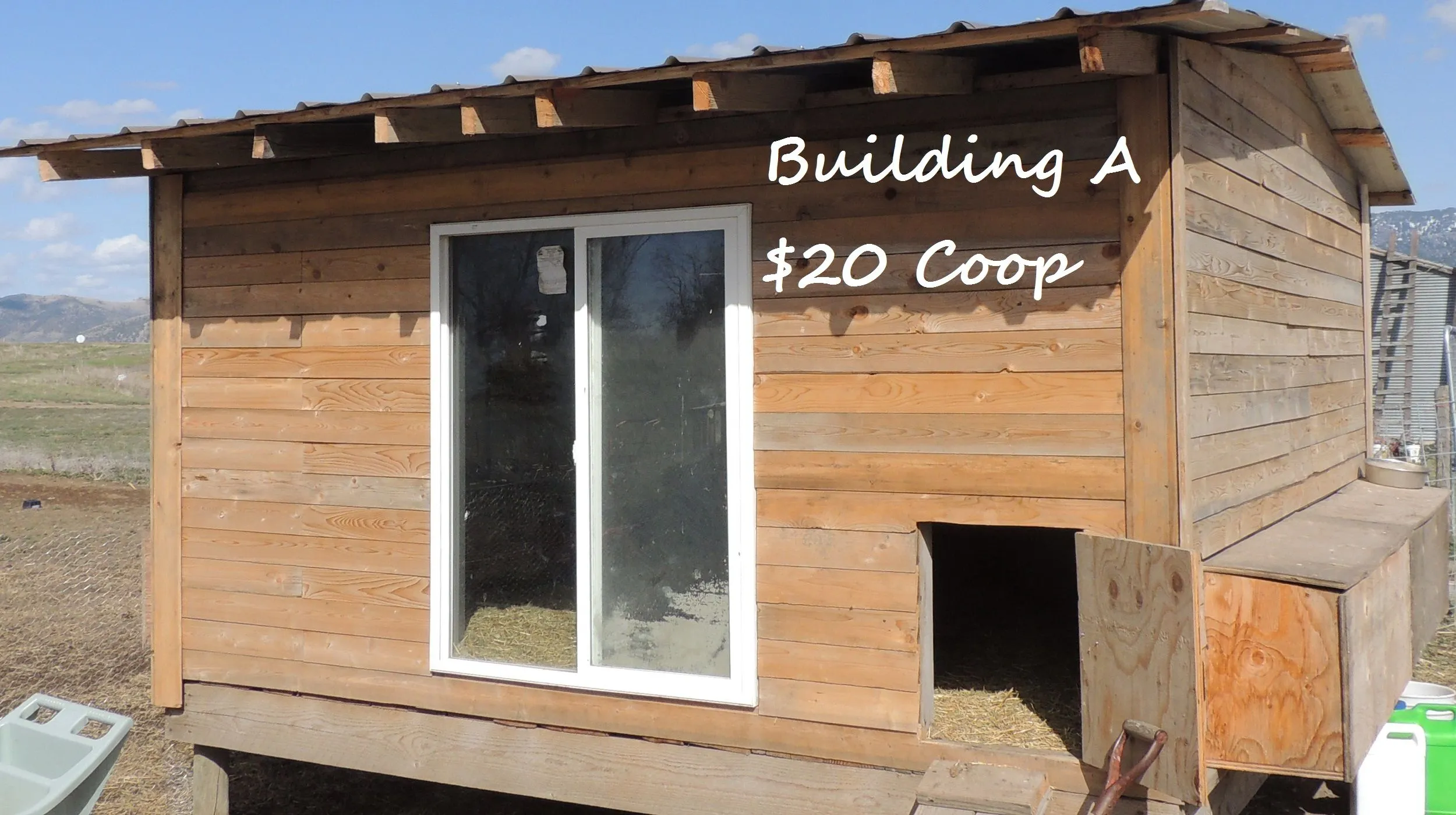
Building a chicken coop doesn’t have to break the bank. With a bit of planning and resourcefulness, you can create a safe, comfortable, and stylish home for your chickens without emptying your wallet. This guide will walk you through the essential steps, from planning and material selection to building some of the most budget-friendly chicken coop designs. Get ready to embark on a rewarding DIY project that will provide you with fresh eggs and a touch of rural charm in your backyard.
Planning Your Cheap Chicken Coop
Careful planning is the cornerstone of any successful and cheap chicken coop project. Before you even think about hammering a nail, take the time to consider several crucial factors. Proper planning not only saves you money but also ensures that your coop meets the needs of your chickens while complying with local regulations and providing long-term durability. Failing to plan effectively can lead to costly mistakes and a coop that doesn’t quite meet your or your chickens’ needs.
Determine Your Coop’s Size and Needs
The first step is to determine the appropriate size for your chicken coop. Consider the number of chickens you plan to house. A general rule of thumb is to provide at least 4 square feet of floor space per chicken inside the coop and 8-10 square feet per chicken in the run. This ensures that your chickens have enough room to move around, roost comfortably, and avoid overcrowding, which can lead to stress and health problems. Think about future expansion as well. Building a slightly larger coop initially can save you the hassle of building a new one later if you decide to expand your flock.
Consider Local Regulations

Before you begin construction, check your local zoning laws and homeowner association rules. Many areas have specific regulations regarding chicken coops, including size restrictions, setback requirements from property lines, and permitted building materials. Failure to comply with these regulations can result in fines or even the requirement to dismantle your coop. Visit your local government’s website or contact the planning department to obtain the necessary permits and understand any restrictions that apply to your property. This proactive step will save you time, money, and potential legal issues down the road.
Gather Essential Materials
Make a detailed list of the materials you will need. This includes lumber, hardware (nails, screws, hinges), roofing materials, chicken wire, roosting bars, nesting boxes, and any other items required for your chosen design. Comparison shop to find the best prices, and consider where you can save money. For instance, you may find cheaper materials at local lumberyards or from salvage stores. Having a complete material list helps you stay within budget and avoid impulsive purchases that could inflate your overall costs.
Choosing Budget-Friendly Materials
One of the most significant ways to build a cheap chicken coop is by selecting the right materials. You don’t have to sacrifice quality for cost. With some creativity and resourcefulness, you can find affordable options that are both durable and aesthetically pleasing. The key is to balance cost with functionality and longevity, ensuring your coop will serve your chickens well for years to come. Let’s look at some great options.
Repurposed Materials

Repurposing materials is a fantastic way to build a cheap chicken coop and reduce your environmental impact. You can source materials from various places and breathe new life into them.
Salvaged Wood
Check local classified ads, online marketplaces, and demolition sites for salvaged wood. Reclaimed lumber can be significantly cheaper than buying new and often has a unique character. Ensure that the wood is free of rot, pests, and lead paint. Give it a good cleaning and sanding before use to prepare it for the coop. Salvaged wood adds character and reduces the overall cost of your project.
Used Pallets
Pallets are a readily available and incredibly cheap option. They can be broken down and used for walls, floors, and even the roof of your coop. Ensure the pallets are heat-treated (HT) rather than chemically treated (MB) as you don’t want to expose your chickens to chemicals. Disassemble the pallets carefully, removing any nails or staples, and use the wood for the coop frame or walls. Pallets are a great way to use reclaimed wood and dramatically reduce costs.
New, Affordable Materials

If you need to buy new materials, there are several cost-effective choices that will provide good value for your money. Consider these affordable materials to help build your coop on a budget.
Pressure-Treated Lumber
Pressure-treated lumber is a popular choice for the frame and foundation of your coop. It is resistant to rot, decay, and insects, making it an excellent investment for longevity. While it can be more expensive than untreated wood, it is a better investment overall, as it lasts longer. When using pressure-treated wood, ensure it is suitable for animal contact, and avoid using it for nesting boxes or areas where chickens eat.
Chicken Wire
Chicken wire is a crucial material for the walls and run of your coop. It provides ventilation and allows sunlight to enter while keeping predators out. Choose heavy-duty chicken wire for added protection against predators. Make sure to secure the chicken wire properly to the frame to prevent predators from gaining access.
Top 5 Cheap Chicken Coop Designs

Here are five budget-friendly chicken coop designs you can build yourself, ranging from simple structures to slightly more elaborate setups. These plans focus on using affordable materials and straightforward construction methods.
The Simple A-Frame Coop
The A-frame coop is one of the easiest and most affordable designs. It consists of two sloping walls that meet at the top, creating an A-shape. Use salvaged wood, pallets, or inexpensive lumber for the frame. Cover the frame with chicken wire or wood panels. This design is easy to construct and provides good weather protection.
The Pallet Coop
As mentioned, repurposing pallets is a great option. Use the pallets to create the walls and floor of your coop. Disassemble and rebuild the pallets to fit your desired size and shape. Ensure the pallets are safe for chickens and provide good ventilation and predator protection. This design is incredibly cost-effective, as the pallets are often available for free or at a very low cost.
The Basic Wooden Coop

A basic wooden coop is a standard design that can be customized to fit your needs. You can use inexpensive lumber and follow simple building plans. This coop typically includes a rectangular frame, walls, a roof, roosting bars, and nesting boxes. While it is not always the cheapest option, using budget-friendly materials keeps the cost down. It provides a secure and comfortable space for your chickens.
The Repurposed Shed Coop
If you have an old shed or storage unit, repurposing it into a chicken coop can be a fantastic idea. This design saves on construction time and materials. Modify the existing structure to include roosting bars, nesting boxes, and ventilation. Ensure the shed is predator-proof and safe for chickens. This option is a great way to upcycle an old structure and give it a new purpose.
The Chicken Tractor
A chicken tractor is a mobile coop that can be moved around the yard. It allows chickens to graze on fresh grass and forage for insects. Build a simple, lightweight frame on wheels or skids. Cover it with chicken wire and a roof. This design is ideal for small flocks and provides fresh grazing opportunities, which can reduce feeding costs. Chicken tractors are particularly useful for pest control in your garden.
Essential Considerations for Cheap Chicken Coop Construction

Regardless of the design you choose, several crucial factors must be considered during construction to ensure the safety, comfort, and longevity of your chicken coop. Focusing on these elements will significantly contribute to the coop’s overall effectiveness and value.
Ventilation
Proper ventilation is essential for the health of your chickens. It helps remove moisture, ammonia, and other harmful gases that can build up inside the coop. Ensure your coop has adequate ventilation by incorporating vents at the top of the walls or in the roof. Avoid drafts, which can make your chickens sick. Good ventilation prevents respiratory problems, and excess moisture that can damage the coop structure. This improves the overall health of the flock and makes the coop last longer.
Predator-Proofing
Protecting your chickens from predators is critical, no matter how cheap your coop is. Predators like foxes, raccoons, hawks, and even dogs can quickly kill chickens. Use sturdy materials and construction methods. Bury the chicken wire at least 12 inches underground to prevent digging predators from getting under the coop. Secure all openings with hardware cloth or other durable materials. Ensure the coop doors and windows have secure latches to prevent animals from entering. Predator-proofing your coop is a non-negotiable aspect of chicken keeping, so prioritize it.
Accessibility
Make sure your coop is easily accessible for cleaning, feeding, and collecting eggs. Include doors that are large enough to move in and out and wide enough for your body and tools. Design the coop to make cleaning easy. Consider adding a removable tray or a sloping floor for waste removal. Easy access saves time and effort, and regular maintenance is crucial for keeping your coop clean and hygienic.
Maintenance and Longevity of Your Cheap Coop
Building a cheap chicken coop is only half the battle. Regular maintenance is essential to extend the coop’s lifespan and keep your chickens happy and healthy. Taking proper care of your coop will save you money in the long run by preventing costly repairs and replacements. Maintaining the coop helps to maintain your investment in your chickens and will also ensure they are getting the most use of your time and money.
Cleaning and Upkeep
Clean your coop regularly. Remove droppings, soiled bedding, and any spilled food. Wash the nesting boxes, roosting bars, and floors with a diluted bleach solution or a poultry-safe disinfectant. Regular cleaning prevents the buildup of bacteria and parasites and keeps your chickens healthy. Maintaining a clean coop also makes it more pleasant to work in and helps to control odors.
Extending the Life of Your Coop
Inspect your coop regularly for signs of damage. Repair any cracks, holes, or loose boards immediately. Treat wooden surfaces with a weather-resistant sealant or paint to protect them from the elements. Maintain a proper roofing and drainage system to prevent water damage. By taking these measures, you can extend the life of your cheap chicken coop for many years and protect your investment. Regular upkeep will keep your coop functioning well and provide a safe and comfortable home for your chickens.
Building a cheap chicken coop doesn’t mean you have to sacrifice quality or functionality. With careful planning, smart material choices, and a bit of DIY effort, you can create a safe and comfortable home for your chickens without overspending. By following these tips and considering the different design ideas, you’ll be well on your way to providing your backyard with fresh eggs and the joys of chicken keeping. Remember to prioritize safety, ventilation, and predator-proofing to ensure your chickens thrive in their new coop. Happy building!