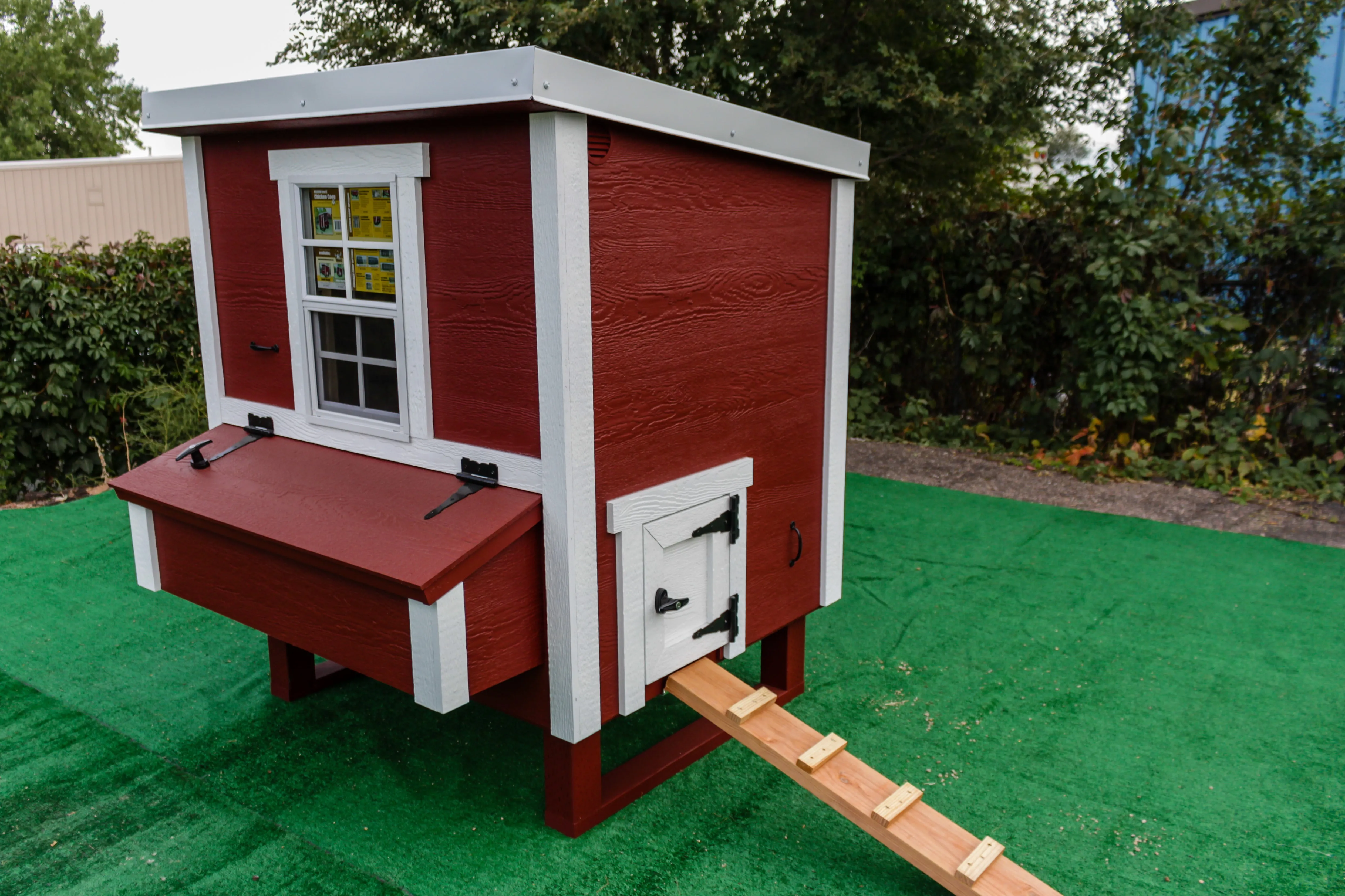
Essential Chicken Coop Secrets
Building a chicken coop can seem daunting, but with the right knowledge, it can be a rewarding experience. A well-designed coop provides a safe, comfortable, and healthy environment for your chickens, leading to happy hens and a bountiful supply of fresh eggs. This guide reveals the top 7 secrets to building a successful chicken coop, ensuring your feathered friends thrive. From choosing the perfect location to adding enrichment features, these secrets will help you create a coop that’s both functional and aesthetically pleasing. This is a comprehensive guide designed to simplify the process and set you up for success.
Secret 1 Location, Location, Location
The placement of your chicken coop is the first and perhaps most critical decision. The ideal location provides both safety and comfort for your chickens, while also being convenient for you. Consider the surrounding environment and the ease of access for cleaning, feeding, and collecting eggs. A poorly chosen location can lead to increased maintenance and potential problems. A good location will also minimize the chances of attracting predators and will help regulate the coop’s internal temperature. Taking the time to select the right spot will save you time and effort in the long run.
Consider Sunlight Exposure

Sunlight is crucial for the health of your chickens. It helps with vitamin D production, which is essential for strong bones and eggshell quality. Aim for a location that receives a balance of sunlight and shade. Direct sunlight for several hours a day is beneficial, but ensure there’s also shade available, especially during the hottest parts of the day. Overexposure to the sun can lead to overheating and stress, while too little sunlight can negatively affect their well-being. A good balance allows chickens to regulate their body temperature and stay healthy and happy.
Assess Protection From Predators
Predator protection is paramount. Choose a location that offers natural barriers or allows you to easily implement security measures. Avoid placing the coop near potential predator habitats, such as dense bushes or wooded areas. Consider the common predators in your area, such as foxes, coyotes, raccoons, and hawks, and design your coop accordingly. Proper fencing, secure latches, and buried wire mesh around the perimeter are vital for keeping your chickens safe. A well-protected coop ensures the longevity and safety of your flock.
Secret 2 Size Matters
Determining the appropriate size of your chicken coop is essential for the health and happiness of your flock. Overcrowding leads to stress, increased disease transmission, and behavioral problems like feather pecking. Providing enough space also ensures that each chicken has ample room to move, roost, and nest. Proper sizing minimizes the risk of these problems and contributes to a more peaceful environment. Think about the number of chickens you plan to keep and the space they will need for comfortable living.
Calculate Space Per Bird

A general rule of thumb is to provide at least 4 square feet of floor space per chicken inside the coop. This allows them enough room to move around, roost, and avoid stress. For the outdoor run, plan for a minimum of 8-10 square feet per bird. This larger space enables them to forage, exercise, and socialize comfortably. The more space you provide, the happier and healthier your chickens will be. Always err on the side of providing more space than less, especially if you live in a climate with long periods of confinement.
Consider Future Flock Expansion
When designing your coop, anticipate potential growth. You might want to add more chickens to your flock in the future, so it is important to plan. Build a coop that can comfortably accommodate your current flock with room to spare. It is always better to have extra space rather than to find yourself needing to expand or rebuild. Planning for expansion from the start can save you time and money down the line. Consider the maximum number of chickens you might want to keep and build accordingly.
Secret 3 Choosing the Right Materials
The materials you choose for your chicken coop directly impact its durability, longevity, and the health of your chickens. Opting for high-quality, weather-resistant materials is essential for creating a secure and comfortable environment. The right materials will withstand the elements, resist pests, and provide a safe haven for your flock. The selection process should prioritize safety and ease of maintenance, ensuring your coop remains a healthy and secure home for years to come. Careful consideration of material choices will result in a well-built coop that lasts.
Prioritize Durability and Weather Resistance

Choose materials that are durable and can withstand the elements. Pressure-treated wood is a popular choice for the frame, as it resists rot and pests. Opt for a roof made of weather-resistant materials like asphalt shingles or metal. Ensure all materials are suitable for outdoor use and can endure rain, snow, and sun exposure. This will ensure that your coop remains intact and provides protection for your chickens in all weather conditions. Choosing durable materials minimizes the need for frequent repairs and extends the life of your coop.
Consider Ventilation and Breathability
Proper ventilation is crucial for a healthy coop environment. Select materials that allow for good airflow and breathability. Avoid materials that trap moisture, as this can lead to mold and mildew growth. Consider using materials like wood or other breathable options. Proper ventilation helps regulate temperature and humidity levels inside the coop, creating a comfortable and healthy environment for your chickens. It is important to consider the breathability of the materials when choosing components for the coop.
Secret 4 Design for Easy Cleaning
A coop that is easy to clean will save you time and effort, and it will also contribute to a healthier environment for your chickens. Regularly cleaning the coop is essential for preventing the buildup of bacteria, parasites, and ammonia, all of which can harm your flock. A well-designed coop will incorporate features that make cleaning a breeze, promoting better hygiene and overall health. Practical design choices will simplify this essential chore.
Include Removable Components

Incorporating removable components into your coop design can significantly simplify cleaning. This could include removable roosting bars, nesting boxes, and dropping boards. Removable components can be easily taken out, cleaned, and sanitized outside the coop. This approach makes it easier to remove waste, replace bedding, and maintain a clean environment. Easy-to-remove parts also allow for more thorough cleaning, which is critical for preventing disease and keeping your chickens healthy.
Plan for Waste Management
Effective waste management is a key component of a clean coop. Plan for how you will handle chicken droppings and soiled bedding. Options include using a deep litter method, which requires less frequent cleaning, or incorporating a dropping board below the roosting bars for easier cleanup. Consider the placement of your coop and the direction of the prevailing winds to minimize odor. Efficient waste management systems will not only make cleaning easier but also help to control odors and prevent the attraction of pests.
Secret 5 Prioritize Ventilation
Proper ventilation is one of the most important aspects of a healthy chicken coop. It ensures fresh air circulation, reduces humidity, and prevents the buildup of harmful gases like ammonia. Effective ventilation is crucial for the well-being of your chickens. A well-ventilated coop prevents respiratory problems and keeps the air inside clean and fresh. Ensuring proper airflow is essential for a healthy coop.
Ensure Air Circulation

Design your coop to allow for proper air circulation. This means providing vents at the top of the coop to allow warm, moist air to escape, and vents lower down to bring in fresh air. Avoid placing vents where drafts can directly hit the chickens, especially during the winter. Good ventilation reduces the build-up of moisture, which can lead to respiratory infections and other health problems. Proper air circulation creates a comfortable environment for your chickens.
Prevent Moisture Buildup
Moisture is the enemy of a healthy coop. Excess moisture can lead to mold, mildew, and respiratory problems for your chickens. Proper ventilation helps to keep the coop dry. Ensure that the roof is waterproof and that water does not leak into the coop. Provide adequate bedding and change it regularly to absorb moisture. By preventing moisture buildup, you create a healthier environment and minimize the risk of disease.
Secret 6 Secure Your Coop
Protecting your chickens from predators is essential. This is where security comes into play. A secure coop will keep your chickens safe from a variety of threats, including foxes, raccoons, and even domestic animals. Security measures are essential for ensuring the longevity and safety of your flock. Building a secure coop provides peace of mind and ensures your chickens remain safe.
Use Strong Hardware

Use sturdy hardware on your coop, including strong latches, hinges, and screws. Ensure all doors and windows close securely. Avoid using weak or flimsy hardware that can be easily broken by predators. Consider using barrel bolts or carabiner clips on doors and windows for added security. Reinforce any weak points in the coop structure to prevent predators from gaining access. Using strong hardware is an investment in the safety of your chickens.
Bury Hardware Cloth
Burying hardware cloth around the perimeter of your coop is an effective way to prevent predators from digging under the walls. Extend the hardware cloth at least 12 inches underground, and bend the bottom outward to create a barrier. This prevents predators from tunneling under the coop to reach your chickens. This additional layer of protection greatly increases the security of your coop. Burying hardware cloth is a simple but highly effective security measure.
Secret 7 Provide Enrichment
Enrichment isn’t just about aesthetics; it’s about creating a stimulating environment for your chickens, promoting their physical and mental well-being. Bored chickens can develop behavioral problems, such as feather pecking. Offering a variety of activities and features keeps them engaged and content. Creating a stimulating environment reduces stress and boredom, leading to happier and healthier chickens. Enrichment is a key part of responsible chicken keeping.
Add Roosting Bars
Roosting bars are essential for chickens. They provide a place for your chickens to sleep comfortably at night. Place the roosting bars at different heights to allow for the chickens to choose their preferred spot. Ensure the bars are made of sturdy, smooth material to prevent injury. A good roosting system is a simple but crucial aspect of a comfortable coop.
Include Nesting Boxes
Nesting boxes provide a safe, private place for your hens to lay eggs. Provide one nesting box for every 3-4 hens. Place the nesting boxes in a quiet, dimly lit area of the coop. Line the boxes with soft bedding like straw or wood shavings. Nesting boxes encourage hens to lay their eggs in a designated area, making it easier to collect the eggs and keep them clean. Providing comfortable nesting boxes is essential for a happy and productive flock.
In conclusion, building a chicken coop is a rewarding project that can provide you with fresh eggs and the joy of raising chickens. By following these 7 secrets, you can create a safe, comfortable, and enriching environment for your flock. From choosing the right location to providing enrichment, these tips will help you build a coop that is not only functional but also a source of pride. With careful planning and execution, your coop can become a haven for your chickens and a beautiful addition to your backyard.