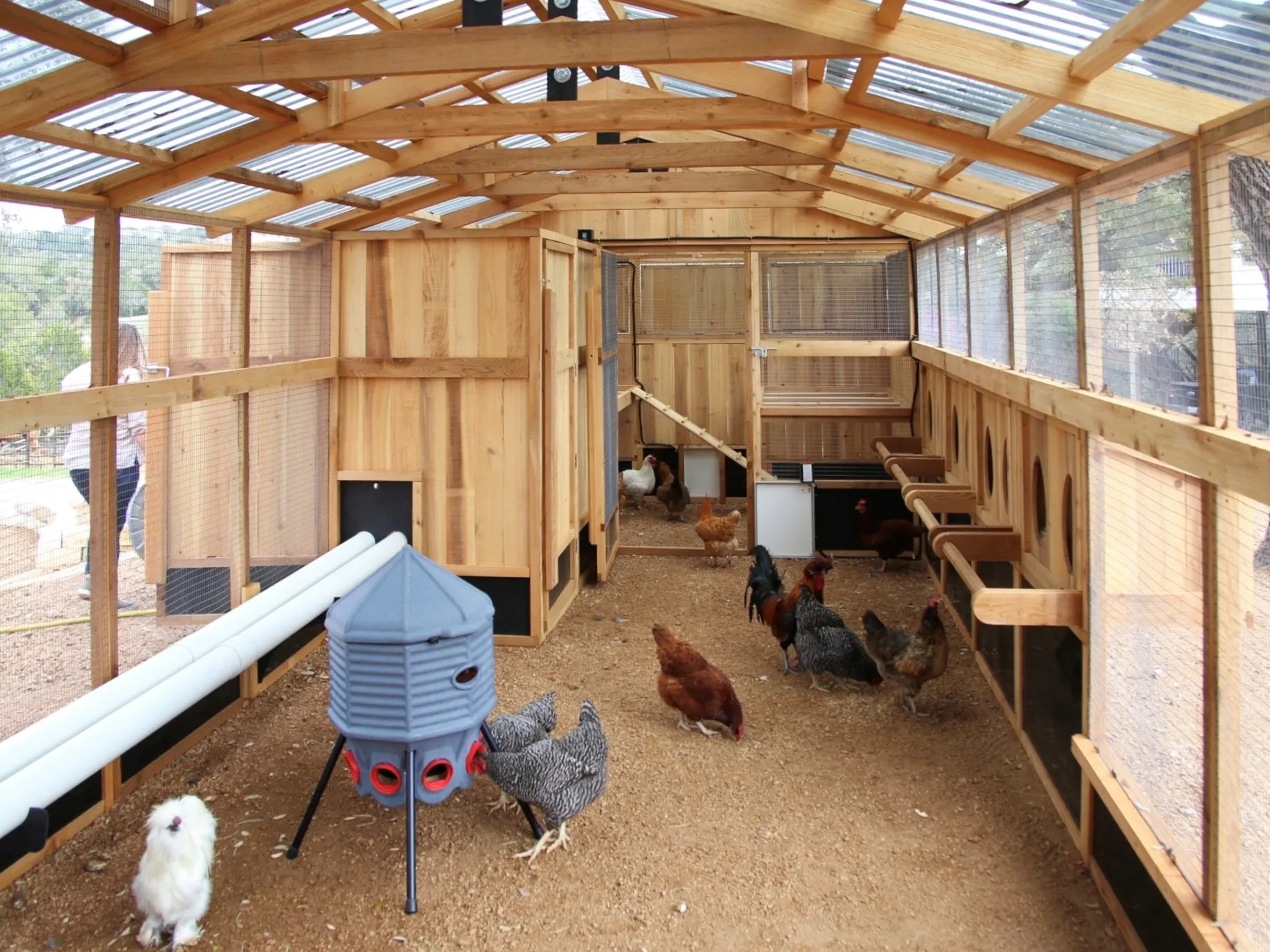
Planning Your Chicken Coop
Before diving into chicken coop design ideas, careful planning is essential. The foundation of a successful chicken-keeping endeavor lies in thoughtful preparation. This initial stage sets the stage for the health and happiness of your flock. Ignoring this vital phase can lead to costly mistakes, compromised animal welfare, and unnecessary challenges down the line. Considering all elements of the plan can save you time and money in the long run. Planning ensures a safe and comfortable home for your chickens, protecting them from the elements and predators while meeting their specific needs. Therefore, investing time in the planning stages is an investment in the success of your chicken-keeping venture.
Choosing the Right Location
The location of your chicken coop is a critical factor to consider, as it directly impacts the well-being of your flock and the ease of your daily management. Selecting the right spot requires careful assessment of several environmental elements. The placement of the coop affects everything from sunlight exposure to protection from predators. A well-chosen location can significantly enhance the comfort and health of your chickens, ensuring a more rewarding chicken-keeping experience. Considering these factors will help you find the ideal spot for your chicken coop, leading to happier, healthier chickens and a more pleasant experience for you.
Sunlight and Shade Consideration

Sunlight and shade are both crucial elements to consider when selecting the location for your chicken coop. Chickens, like all living creatures, need sunlight for their health and well-being, as it plays a vital role in their vitamin D synthesis, bone development, and overall vitality. Ensure that the coop receives ample sunlight, especially during the cooler months. In contrast, providing shade is equally important, especially during the hot summer months. Overexposure to sunlight can lead to heat stress in chickens, which can cause reduced egg production, dehydration, and even mortality. Therefore, it’s essential to provide shaded areas in the coop. Strategically placed trees, shade cloth, or a coop design that provides natural shade can offer protection from the intense afternoon sun. Balancing sunlight and shade will create a comfortable environment for your flock throughout the year.
Protection from Predators
Protecting your chickens from predators is of paramount importance when choosing a coop location. Various predators, from foxes and raccoons to hawks and even domestic dogs, pose a threat to your flock. Therefore, your chosen location should offer natural defenses and the potential for reinforcing security measures. Consider the surrounding landscape when assessing predator threats. Avoid locations near dense brush or wooded areas, as these provide excellent cover for predators. Examine the area for signs of predator activity, such as tracks, droppings, or disturbed areas. Reinforcing your coop with hardware cloth, burying wire mesh around the perimeter, and installing a secure door will help create a safe environment. By carefully considering these factors, you can significantly reduce the risk of predator attacks and ensure the safety of your chickens.
Coop Size and Space Requirements
Coop size and space are crucial considerations for ensuring the well-being of your chickens. Providing adequate space allows chickens to thrive, minimizing stress, and preventing overcrowding-related health issues. The amount of space required depends on several factors, including the breed of chicken, the climate, and whether they have access to a run or free-range environment. As a general guideline, aim for at least four square feet of floor space per chicken inside the coop and eight to ten square feet per bird in the run. Overcrowding can lead to stress, increased aggression, and the spread of diseases. Providing ample space helps maintain a healthy and happy flock, promoting better egg production and reducing the risk of health issues.
Estimating Flock Size

Estimating the appropriate flock size is a critical step in planning your chicken coop. The number of chickens you can comfortably accommodate will affect the size and design of your coop, as well as the amount of time and resources you’ll need to manage your flock. Consider your available space, local regulations, and the amount of time you’re able to dedicate to chicken care when estimating your ideal flock size. Start small, especially if you’re new to chicken keeping, and gradually increase your flock size as you gain experience. It’s always better to start with a manageable number of chickens than to overcrowd your coop. Take into account how many eggs you expect to use and give away. Proper flock size management ensures the health and happiness of your chickens.
Indoor and Outdoor Space
Both indoor and outdoor space are necessary for chickens to thrive. While the coop provides shelter from the elements and a safe place to roost at night, a run or access to a free-range environment allows chickens to engage in natural behaviors like foraging, scratching, and dust bathing. Chickens need space to move around, exercise, and explore their surroundings. Without enough space, chickens can become bored, stressed, and susceptible to health problems. Therefore, balance the indoor space within the coop with ample outdoor space. Providing a run can help give them access to a safer environment.
Top 7 Chicken Coop Design Ideas
When designing a chicken coop, several factors are worth considering. These factors play a vital role in the success of your chicken-keeping endeavor. The coop should be both functional and aesthetically pleasing. The best designs prioritize the comfort, safety, and health of your chickens. Several designs meet these criteria. Here are seven popular chicken coop designs, each offering its unique set of features and benefits. These designs range from classic to innovative, catering to diverse needs and preferences. Whether you’re a beginner or an experienced chicken keeper, these designs provide inspiration for your chicken-keeping journey.
The Classic A-Frame Coop

The A-frame coop is a time-tested and classic design known for its simplicity and practicality. This design features a triangular roof, resembling the letter A, and is often constructed using readily available materials. Its straightforward construction makes it an excellent choice for DIY enthusiasts and beginners. The A-frame design provides excellent protection from the elements, shedding rain and snow efficiently. The sloped roof prevents water accumulation and helps with ventilation, keeping the coop dry and well-ventilated. This design is also relatively easy to move and provides a safe and secure environment for your flock. Its simple design makes it a cost-effective option.
Advantages and Disadvantages
The A-frame coop offers several advantages. It’s easy to build, cost-effective, and provides excellent weather protection. However, it also has its drawbacks. The limited headroom can make it challenging to clean and maintain. Space inside can feel cramped, especially for larger flocks. Ventilation can be a challenge, requiring careful design consideration. While suitable for smaller flocks, the A-frame design may not be ideal for those who need more space. The simple design can compromise predator protection, needing extra hardware, depending on local threats.
Materials and Construction Tips
When constructing an A-frame coop, choose durable, weather-resistant materials like treated wood or cedar. Follow these construction tips to ensure the coop’s longevity and the chickens’ safety. Begin by building a sturdy frame for the walls and roof. Use hardware cloth or heavy-duty wire mesh for the walls and run to prevent predators. Incorporate features like a secure door, nesting boxes, and a roosting bar. Ensure proper ventilation by adding vents. Provide easy access for cleaning and maintenance. For the roof, use roofing materials such as asphalt shingles or corrugated metal sheets, depending on the area.
The Modern Gable Coop

The modern gable coop is known for its sleek design and efficient use of space. With a pitched roof and vertical walls, this coop offers more headroom and living space. It’s a popular choice for those who want both functionality and aesthetics. The gable design allows for better ventilation and natural light. This allows for easier cleaning and maintenance. The modern gable coop is versatile and can be adapted to various sizes and layouts. It is suitable for both small and large flocks. This design often incorporates contemporary elements. The Modern Gable Coop combines functionality with a stylish appearance, making it a great addition to any backyard.
Key Design Features
The modern gable coop incorporates several key design features that make it functional and visually appealing. These features include a well-ventilated design with vents placed high on the gables. Large windows or clear panels ensure ample natural light and provide views. A secure, easy-to-access door is a must. Nesting boxes are integrated seamlessly into the design, often with external access for egg collection. A spacious run that is attached for secure access. These features combine to create a safe, comfortable, and aesthetically pleasing environment for the chickens.
Ventilation and Airflow
Proper ventilation and airflow are critical to the health of the chickens. A modern gable coop should incorporate design elements that promote good air circulation. Position vents high on the gables to allow warm, moist air to escape. Ensure the coop is not airtight. Install windows or openings that allow for cross-ventilation. Adequate airflow reduces the risk of respiratory diseases. Proper ventilation also helps to control moisture levels. Well-ventilated coops will have less ammonia buildup, which is often a problem in poorly ventilated coops. The modern gable coop provides a healthier and more comfortable environment for the chickens.
The Mobile Chicken Coop

The mobile chicken coop, also known as a chicken tractor, is designed for portability and versatility. This design allows you to move your flock to different locations within your yard. Its portability offers several advantages, including access to fresh foraging grounds, reduced parasite loads, and improved soil health. The mobile chicken coop is ideal for small-scale chicken keepers and those interested in integrated gardening. By rotating the coop, you can give your chickens access to new areas for grazing and scratching. In turn, it helps to fertilize the soil.
Benefits of a Portable Coop
The benefits of a portable coop are numerous. The mobile nature of the coop prevents the buildup of parasites and diseases in the soil, as the chickens are constantly moving to new areas. It provides your chickens with access to fresh vegetation. Mobile coops are ideal for integrating chicken keeping with gardening, as the chickens can till the soil and eat pests. The constant change of scenery can also help to reduce boredom and keep the chickens engaged. The mobile design makes it easier to manage and maintain the coop, as you can rotate it to reduce build-up.
Maneuvering and Placement
Maneuvering and placement are crucial aspects of using a mobile chicken coop. The coop should be easy to move and lightweight enough to be shifted regularly. Ensure the wheels are sturdy and the design is stable to prevent it from tipping over. Choose areas with good grass coverage and exposure to sunlight and shade. Move the coop every few days or weeks, depending on the size of the run and the amount of vegetation. Observe your chickens to ensure they have adequate space and are not overcrowded. Also, ensure the area is safe from predators. Regular repositioning helps maintain healthy soil, reduces pest problems, and ensures that your flock has fresh foraging opportunities.
The Converted Shed Coop

Converting an existing shed into a chicken coop is a cost-effective way to provide housing for your flock. This approach offers a sturdy structure and allows for creative customization. By repurposing an existing shed, you can save time and money. The conversion process involves modifying the shed to create a safe, comfortable, and functional space for your chickens. Convert your shed into a safe haven for your chickens, while making the most of available space.
Shed Modifications and Adaptations
Modifying a shed for use as a chicken coop requires several key adaptations. Start by assessing the shed’s structure. Reinforce the existing structure if needed, ensuring it can withstand the weight of the chickens and their equipment. Add windows or vents to enhance ventilation and natural light. Install nesting boxes, perches, and a secure door. Modify the floor to create a surface that’s easy to clean. Line the walls with materials that are easy to clean. Adapt the shed to meet the specific needs of your flock. Implement predator-proofing measures, such as hardware cloth and secure latches.
Security and Protection
Security and protection are vital when converting a shed into a chicken coop. Strengthen the existing structure to prevent predators from entering. Secure all windows, doors, and vents with hardware cloth or heavy-duty wire mesh. Reinforce the door with a secure latch and hinges. Bury wire mesh around the perimeter of the shed to prevent predators from digging underneath. Install motion-activated lights and consider adding a security system. Regularly inspect the coop for any signs of damage or potential entry points. Take preventive measures to secure your flock, ensuring their safety from predators. Implement these security measures to protect your chickens.
The Stylish Colonial Coop
The stylish colonial coop is a beautiful choice for those who want to combine functionality with aesthetics. This coop design often incorporates architectural details. It adds charm and elegance to any backyard. The colonial coop’s design is influenced by traditional American architecture. This coop features elements such as gabled roofs, symmetrical facades, and painted exteriors. It’s a beautiful design that serves as a focal point in your garden. The colonial coop is ideal for those who want a coop that complements their home’s style and landscape. It’s a combination of traditional design and practical functionality.
Aesthetic Appeal and Design
The aesthetic appeal of a colonial coop is one of its primary draws. This design focuses on visual harmony. The design incorporates symmetrical layouts, gabled roofs, and decorative details. The coop’s exterior can be painted in colors that complement the surrounding landscape and home. Consider incorporating design elements such as shutters, window boxes, and architectural trim. Ensure that the coop’s design aligns with the style of your home and yard. The design of the colonial coop is a seamless blend of aesthetics and functionality. It adds charm to your backyard.
Material Selection and Durability
The material selection of a colonial coop is important. It impacts both its aesthetic appeal and its durability. Choose high-quality materials such as weather-resistant wood, durable roofing materials, and long-lasting hardware. Ensure the materials are appropriate for your climate. The selection of the materials also affects the longevity of the coop. Proper material selection and construction practices will extend the coop’s lifespan. Regular maintenance, including painting and sealing, is essential for preserving the coop’s appearance and protecting it from the elements. By investing in high-quality materials, your colonial coop will offer both beauty and long-lasting service.
The Eco-Friendly Coop
The eco-friendly coop is designed with sustainability in mind. This design focuses on environmentally conscious materials and practices. The coop aims to minimize its environmental impact while providing a healthy and comfortable living space for your chickens. This design can be built with reclaimed materials. Consider using solar panels to power the coop, and incorporate a rainwater harvesting system to supply water for the chickens. The eco-friendly coop is an option for those who want to minimize their environmental footprint.
Sustainable Materials and Practices
Constructing an eco-friendly coop relies on sustainable materials and practices. Choose reclaimed wood, bamboo, or other eco-friendly materials for the coop’s structure. Consider using recycled materials for roofing and insulation. Implement energy-efficient features, such as solar panels for lighting and ventilation. Use natural, non-toxic materials. Employ composting methods to manage chicken waste and create nutrient-rich fertilizer for your garden. Minimize waste and incorporate features that conserve energy and water. The eco-friendly coop reflects a commitment to environmental stewardship.
Waste Management and Composting
Efficient waste management and composting are essential components of an eco-friendly chicken coop. Implement a composting system to turn chicken manure into nutrient-rich fertilizer. This process reduces waste. Use deep litter methods, where a layer of organic bedding is used to absorb waste and compost in place. The deep litter method can help reduce the need for frequent cleaning. Incorporate a rainwater harvesting system. Proper waste management reduces environmental impact while providing valuable resources. The eco-friendly coop minimizes waste and fosters a more sustainable approach to chicken keeping.
The Raised Coop with Run
The raised coop with a run is a practical design. It combines elevated housing with an enclosed outdoor space. The raised design offers several advantages, including improved predator protection, easier cleaning, and better ventilation. The integrated run gives the chickens a secure area to roam and forage. This type of coop is a smart choice for those who want both security and functionality. With this design, the chickens are safer, more comfortable, and provide easy access for the chicken keeper.
Benefits of Elevation
The benefits of elevating a chicken coop are numerous. Raising the coop off the ground provides added protection from predators. This design makes it more difficult for predators to access the chickens. The elevated design also enhances ventilation. It promotes air circulation. Elevated coops are easier to clean, as you can access the area underneath. This design also helps with pest control. The elevated design promotes a healthier and more secure living environment for your flock. By elevating the coop, you enhance the functionality and safety of your coop.
Run Design and Access
The run design of a raised coop should be secure and provide ample space for the chickens to roam and forage. Enclose the run with sturdy wire mesh or hardware cloth. Ensure the run extends beyond the coop’s footprint. This provides additional space for the chickens to roam. The run needs to be designed with predator protection. Incorporate features such as a buried wire skirt to prevent digging predators. The run should provide easy access for the chickens. Ensure that the run receives some sunlight and shade. The run’s design and easy access can create an enjoyable environment for the chickens.
Essential Features for Your Chicken Coop
While design choices vary, some features are indispensable for any chicken coop. These elements are essential for the chickens’ health, safety, and comfort. These features include nesting boxes. Good ventilation is important to prevent disease. Consider adding perches and roosts. Including these elements is crucial for building a successful coop and ensuring the well-being of your flock. By prioritizing the chickens’ needs, you can create a coop that supports their health and happiness.
Nesting Boxes
Nesting boxes are a crucial feature of any chicken coop. They provide a private, comfortable, and secure space for hens to lay their eggs. The number and placement of nesting boxes influence the hens’ egg-laying behavior. They provide a safe space for them to lay. The ideal nesting boxes will promote cleanliness. There are several considerations when designing and incorporating nesting boxes into your coop.
Number and Placement
The number and placement of nesting boxes are critical for ensuring a successful egg-laying environment. A general rule of thumb is to provide one nesting box for every three to four hens. Place nesting boxes in a quiet, dimly lit area of the coop. Position the boxes off the ground. This offers the hens privacy. Avoid placing nesting boxes in high-traffic areas. The proper number and placement can significantly influence the hens’ egg-laying habits. Proper placement will help ensure your flock stays comfortable, promoting healthy egg production.
Size and Comfort
The size and comfort of nesting boxes are also important. Nesting boxes should be large enough for the hens to comfortably turn around and settle. Aim for boxes that are approximately 12x12 inches. Provide a comfortable bedding material, such as straw, hay, or wood shavings. Choose a material that is absorbent, easy to clean, and readily available. Place the nesting boxes in a draft-free location to avoid chilling the hens. Proper bedding and placement will create a safe and inviting place for the hens to lay their eggs. This improves comfort and promotes egg-laying productivity.
Perches and Roosts
Perches and roosts are important for the well-being and natural behavior of chickens. Roosting is a natural behavior for chickens. Chickens instinctively sleep on elevated perches at night. Perches and roosts are essential for their health and comfort. They promote a restful night’s sleep. This helps chickens to feel safe and secure.
Optimal Placement
The optimal placement of perches and roosts can affect the chickens’ comfort and safety. Position the roosts at varying heights to accommodate different breeds and preferences. Ensure the roosts are away from the nesting boxes to prevent the hens from roosting on the eggs. Provide adequate spacing between the roosts to avoid overcrowding. Position the roosts in a sheltered area. This position ensures the chickens are protected from drafts and the elements. Correct placement will provide your flock with a safe and secure place to roost at night.
Material and Design
The material and design of the perches and roosts should prioritize the chickens’ comfort and health. Choose smooth, rounded perches. Avoid sharp edges or splinters. Use materials such as wood. Provide adequate support. Ensure the perches are secure and can hold the weight of the chickens. The material and design must provide a comfortable place for the chickens to sleep. Correct selection of materials will help ensure the chickens are comfortable.
Ventilation System
A well-designed ventilation system is crucial for maintaining a healthy environment. Proper ventilation prevents the buildup of ammonia, controls moisture, and regulates temperature. Ventilation helps to maintain air quality inside the coop. It prevents respiratory diseases. It provides a comfortable and healthy environment for the chickens. Ventilation also plays a critical role in removing moisture from the coop.
Natural Ventilation
Natural ventilation relies on the principles of airflow and convection to keep the coop well-ventilated. Implement natural ventilation by strategically placing vents and windows in the coop. Place vents high on the walls or roof to allow warm, moist air to escape. Place windows or openings to provide cross-ventilation. Make sure the ventilation system will provide adequate airflow and remove moisture. Natural ventilation helps keep the air fresh. It reduces the risk of respiratory diseases.
Forced Ventilation
Forced ventilation involves using fans to circulate air and control the environment inside the coop. A fan can help draw air out of the coop. Consider adding a fan to improve air circulation. Choose a fan that is designed for coop use, ensuring it’s energy-efficient. The use of forced ventilation will help to remove moisture, reduce ammonia levels, and maintain a stable temperature. While offering several benefits, forced ventilation requires more planning and maintenance.
Maintaining Your Chicken Coop
Maintaining your chicken coop is essential for ensuring the health and happiness of your flock. Regular cleaning, sanitation, and pest control are all vital aspects of coop maintenance. A well-maintained coop will not only provide a healthy environment for your chickens, but also extend the life of your coop and make your chicken-keeping experience more enjoyable. Consistent maintenance reduces the risk of diseases and provides a cleaner living space.
Cleaning and Sanitation
Regular cleaning and sanitation are fundamental practices for maintaining a healthy chicken coop. A clean coop helps prevent the spread of diseases. This practice promotes the overall well-being of your flock. Implementing a consistent cleaning schedule and using safe cleaning products are essential. Proper cleaning methods reduce the buildup of bacteria and parasites.
Regular Cleaning Schedule
Establish a regular cleaning schedule to ensure your coop remains sanitary. Remove droppings and soiled bedding daily. Clean the nesting boxes and replace the bedding weekly. Conduct a thorough cleaning of the entire coop monthly, including removing all bedding, scrubbing the surfaces, and disinfecting. Adjust your cleaning schedule to seasonal changes. During the summer months, increase cleaning frequency to manage flies and odors. Consistent cleaning practices will maintain a hygienic environment for your flock.
Safe Cleaning Products
Use safe and effective cleaning products to sanitize your chicken coop. Avoid using harsh chemicals or bleach, as these can be harmful to chickens. Use a combination of soap and water to clean the coop’s interior. Apply a disinfectant specifically designed for poultry. Allow the coop to dry completely. Always follow the manufacturer’s instructions. Proper choice of cleaning products will help you maintain a safe and sanitary environment.
Pest and Predator Control
Pest and predator control are crucial for maintaining a healthy and safe environment for your chickens. Regularly inspect your coop for signs of pests and predators. Implement preventative measures to deter these unwanted visitors. Combining pest and predator control can make your chicken-keeping journey a success.
Identifying and Preventing Pests
Identify common pests, such as mites, lice, and rodents. Implement preventative measures to keep pests from infesting your coop. Regularly inspect the coop for signs of pests, such as droppings or insect infestations. Use diatomaceous earth, a natural insecticide, to control mites and lice. Maintain a clean environment to deter rodents. By being vigilant, you can protect your flock.
Predator-Proofing Techniques
Implement predator-proofing techniques to protect your chickens from potential threats. Secure all doors, windows, and vents with hardware cloth or heavy-duty wire mesh. Bury wire mesh around the perimeter of the coop to prevent digging predators from entering. Install a secure latch on the door. Install motion-activated lights around the coop. Prevent predators by securing the coop. These security practices will help keep your flock safe.