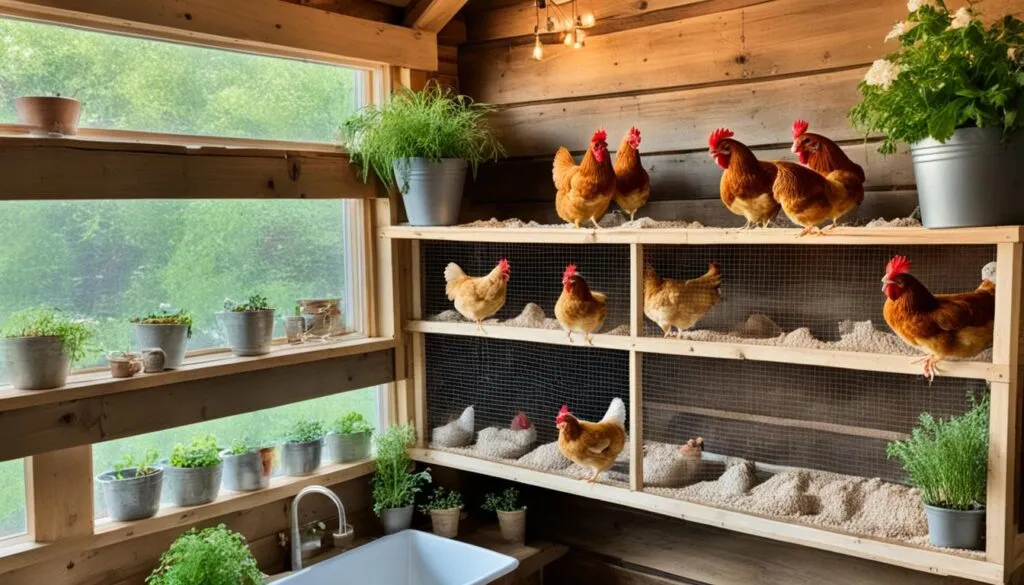
Raising chickens can be a rewarding experience, providing fresh eggs and a connection to nature. However, creating a comfortable and safe environment is essential for your hens’ well-being and productivity. The chicken coop is more than just a shelter; it’s their home, a place where they eat, sleep, and socialize. This guide explores the top 7 must-haves inside a chicken coop to ensure your flock thrives. Focusing on key elements like fresh water, proper food, and adequate space, we’ll cover everything you need to create a happy and healthy environment for your chickens.
Top 7 Must-Haves Inside a Chicken Coop
Coop Essentials for a Healthy Flock
Fresh Water Access

Clean, fresh water is fundamental for chicken health. Chickens need constant access to water, especially during warmer months. Ensure the water source is easily accessible, protected from the elements, and regularly cleaned to prevent algae growth and contamination. Consider using a waterer designed to minimize spills and keep the water fresh. Water should be available at all times, so your chickens can properly digest their feed and regulate their body temperature, which is vital to their overall health. Water is the key ingredient for their egg production.
Proper Food Supply
Provide a balanced diet that meets the nutritional needs of your chickens. Choose high-quality chicken feed appropriate for their age and purpose (e.g., starter feed for chicks, layer feed for egg-laying hens). Supplement their diet with healthy treats like fruits, vegetables, and grains, but avoid overfeeding. Make sure that the feeder is designed to prevent feed wastage and is protected from the weather. Clean feed ensures that your flock stays healthy, helping with proper weight, health, and vitality of your chickens. Always check for any changes in your flock’s health to adjust their diet accordingly.
Nesting Boxes for Comfort
Nesting boxes provide a safe, private space for hens to lay their eggs. The size and number of nesting boxes depend on the size of your flock, but a general rule is one box for every 3-4 hens. Ensure the nesting boxes are in a quiet, dimly lit area of the coop, lined with soft, clean bedding like straw or wood shavings. Regular cleaning of nesting boxes is essential to prevent mites and other pests. This space gives your chickens security and protection, while laying eggs, it contributes to the overall well-being of your flock, improving their egg-laying habits.
Roosting Bars for Rest

Chickens naturally perch at night to sleep, so roosting bars are a must-have. Position the bars at a comfortable height, away from the nesting boxes to prevent them from being soiled. Provide enough roosting space for all your chickens. Ensure the bars are wide enough for them to comfortably grip, typically 2-4 inches. Regular cleaning of the roosting bars is essential to maintain hygiene and prevent the spread of parasites. This contributes to their overall health and rest, and they require a proper sleeping spot.
Ventilation and Airflow
Proper ventilation is critical to remove moisture, ammonia, and stale air from the coop. Good ventilation helps prevent respiratory illnesses and promotes a healthy environment. Install vents high up on the walls and avoid placing them directly over the roosting bars to prevent drafts. Ensure adequate airflow without creating drafts during colder months. This is important for controlling humidity levels within the coop, which can impact the health of your chickens. A well-ventilated coop keeps the air fresh and keeps your flock healthy.
Coop Cleanliness & Sanitation
Regular cleaning is essential to maintain a healthy coop environment. Remove droppings daily, clean the coop weekly, and completely disinfect it monthly. Use appropriate cleaning products that are safe for chickens. A clean coop reduces the risk of disease, pest infestations, and foul odors. Proper sanitation and hygiene are essential aspects to ensure your flock’s health and happiness. You should make sure you always maintain your coop’s cleanliness.
Predator-Proofing Measures

Protect your chickens from predators like foxes, raccoons, and hawks. Use sturdy materials to build the coop, secure all openings with hardware cloth (not chicken wire), and bury the wire around the perimeter to prevent digging. Secure the roof and ensure there are no gaps where predators can enter. Consider adding an automatic coop door for extra security. Predator-proofing is the first line of defense. You can also consider using motion-activated lights, which can deter nocturnal predators.
Enhancing Chicken Wellbeing
Providing Enrichment Activities
Chickens need mental stimulation to prevent boredom and reduce stress. Provide enrichment activities such as perches, swings, and toys like treat balls. These activities give your chickens something to do, making them happier and healthier. Adding different elements can also promote natural behaviors, like scratching and foraging. This helps your chickens to socialize and reduce aggressive behaviors. These activities also improve the overall well-being of the chickens.
Dust Baths for Feather Care

Chickens love to take dust baths to keep their feathers clean and free from parasites. Provide a designated dust bath area inside or outside the coop, filled with a mixture of sand, soil, and wood ash. Dust baths are a natural way for chickens to maintain their feathers. Make sure it’s easily accessible and regularly maintained. A dust bath is essential for good health and prevents external parasites. It is a natural behavior and part of maintaining their hygiene, reducing stress, and keeping them comfortable.
Space and Adequate Room
Provide adequate space for your chickens to roam and move around comfortably inside the coop. Overcrowding can lead to stress, disease, and aggression. The general rule of thumb is about 4 square feet of floor space per chicken inside the coop. Consider the size of your flock and provide sufficient space for comfortable movement and interaction. This ensures the overall well-being of your chickens. It will reduce stress, making your flock more productive and healthier.
The Importance of Lighting
Natural Light Benefits

Natural light is important for the health and well-being of chickens. It regulates their natural body clock, helps with vitamin D production, and stimulates egg production. Ensure the coop has windows or openings to allow natural light to enter. This will allow them to feel more secure in their environment. It also promotes the overall health and happiness of your flock, and natural light also reduces the need for artificial lighting, saving on energy costs.
Supplemental Lighting
In winter, when daylight hours are shorter, consider providing supplemental lighting to extend the laying cycle. Use a low-wattage LED light or a specialized chicken coop light. Be mindful of the amount of light you provide, as too much can stress your chickens. A consistent lighting schedule will help maintain egg production during the winter months. This will provide consistency and support the natural behaviors of your flock. It is important to give them the proper lighting for their health.
Seasonal Adjustments & Considerations
Winterizing Your Chicken Coop

Prepare your coop for winter by insulating the walls and roof to retain heat. Seal any drafts and ensure proper ventilation to remove moisture. Provide extra bedding to keep the chickens warm. Ensure the water doesn’t freeze. Keeping your flock warm during the winter ensures they stay comfortable. This allows them to continue laying eggs throughout the colder months and maintains their health and productivity. Proper winter preparations are essential for a healthy flock.
Summer Coop Management
In the summer, focus on keeping your coop cool and well-ventilated. Provide shade, ensure access to fresh water, and consider using fans to improve airflow. Monitor your chickens for signs of heat stress. Proper summer coop management will keep your chickens comfortable and productive. Summer heat can be detrimental to your flock. These measures are essential for their health and productivity. By following the necessary steps, your chickens will thrive during the warmer months.
Creating the perfect chicken coop environment takes effort, but the rewards are well worth it. By focusing on the top 7 must-haves discussed in this guide, you can ensure your chickens are healthy, happy, and productive. Remember to adapt these tips to your specific climate and flock size. A well-managed coop is a happy coop, and happy chickens mean fresh eggs and a fulfilling experience for any backyard chicken keeper.