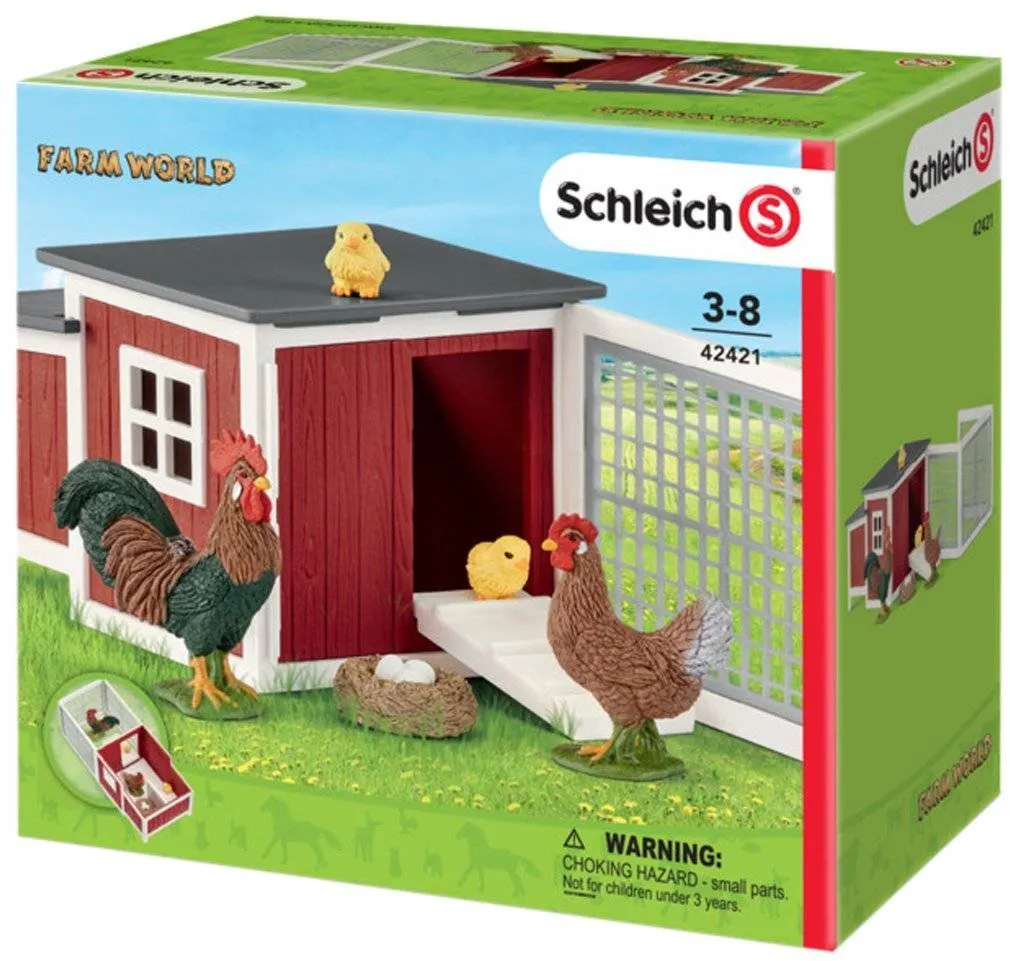
7 Best Chicken Coop Toys for Happy Hens
Keeping chickens happy and healthy is about more than just providing food and shelter; it’s about enriching their lives. Chicken coop toys are a fantastic way to stimulate your flock, reduce boredom, and encourage natural behaviors. A well-entertained chicken is less likely to develop behavioral issues like feather pecking or aggression. This guide will explore the top 7 chicken coop toys, explaining why they’re beneficial and how to choose the best ones for your feathered friends. From swings to dust baths, discover how to turn your chicken coop into a fun and engaging environment.
Why Chicken Coop Toys Are Important
Understanding the importance of chicken coop toys starts with understanding the needs of chickens themselves. Chickens are naturally curious and active creatures. In a confined coop environment, they can quickly become bored, leading to stress and behavioral problems. Providing toys helps to alleviate this boredom, encourages exercise, and allows chickens to express their natural instincts, such as foraging, scratching, and exploring. Consider this – a happy chicken is a healthy chicken, and a healthy chicken is more productive and less prone to disease. The right toys can significantly improve the well-being of your flock.
The Importance of Enrichment for Chickens

Enrichment is the practice of providing animals with stimulating environments. For chickens, this means offering opportunities for them to engage in their natural behaviors. This can include providing foraging opportunities, such as scattering feed or offering pecking toys, or providing physical challenges, such as ladders or swings. Enrichment also reduces stress and prevents boredom, which can lead to feather pecking, cannibalism, and other undesirable behaviors. Enriching your chicken’s environment is not just about fun, it’s a crucial part of responsible chicken keeping.
Benefits of Chicken Coop Toys
The benefits of incorporating chicken coop toys are numerous. First and foremost, toys reduce boredom. By providing a source of entertainment, you keep your chickens engaged and less likely to engage in negative behaviors. Toys promote exercise, which is vital for maintaining a healthy weight and preventing obesity. Chicken coop toys also provide mental stimulation, encouraging problem-solving and natural foraging behaviors. Furthermore, enrichment can reduce stress, leading to a more harmonious coop environment and increased egg production. Ultimately, chicken coop toys contribute to the overall health, happiness, and productivity of your flock.
Top 7 Chicken Coop Toy Picks
Swings

Swings offer chickens a fun place to perch and enjoy the view. They provide a bit of exercise as chickens balance and sway, and can be a great way to relieve boredom. Ensure the swing is made of safe, non-toxic materials and is securely hung to prevent any accidents. The gentle movement of a swing can be surprisingly calming for chickens, reducing stress levels and promoting relaxation.
Why Chickens Love Swings
Chickens naturally enjoy perching, and swings offer a dynamic and engaging alternative. The swaying motion stimulates their balance and provides a different perspective on their environment. Swings give chickens a place to socialize, observe their surroundings, and simply relax. Often, you’ll find chickens vying for a spot on the swing, which is a sign of how much they appreciate this simple pleasure.
How to Choose the Right Swing
When choosing a swing for your chickens, prioritize safety and durability. Select a swing made from sturdy, weather-resistant materials that can withstand the elements and chicken activity. Ensure the swing is the right size for your flock, with a perch that is comfortable for them to sit on. Check the ropes or chains regularly for wear and tear. The ideal swing will be easy to clean and maintain, and will be free of any sharp edges or small parts that could pose a hazard to your chickens. Location is important too; place the swing in an area where chickens have plenty of space to move and avoid potential injury.
Mirrors

Mirrors provide visual stimulation and can help reduce boredom. Chickens are naturally curious and may enjoy interacting with their reflection. It’s a simple yet effective way to entertain them, especially during times when they’re confined indoors. Make sure to mount the mirror securely and use a shatterproof option to avoid any risk of injury.
Benefits of Mirrors for Chickens
Mirrors offer several benefits, primarily by alleviating boredom. Chickens are intelligent birds and can become easily bored in confined spaces. Mirrors provide a form of visual stimulation, piquing their curiosity and encouraging them to interact with their reflection. This can help reduce stress, and the mirror can provide a sense of companionship, especially for chickens kept in smaller groups or coops. Mirrors can provide additional mental stimulation and can be a fun addition to a chicken coop setup.
Mirror Safety Considerations
Safety is paramount when introducing a mirror to your chicken coop. Always opt for a shatterproof mirror made from a durable material. Make sure to mount the mirror securely, away from areas where chickens might accidentally damage it. Choose a size appropriate for your coop, ensuring it doesn’t take up too much space or block their access to food or water. Supervise your chickens initially to ensure they are interacting with the mirror in a safe manner. Regularly check the mirror for any damage or wear and replace it if necessary.
Pecking Toys

Pecking toys are designed to satisfy chickens’ natural instinct to forage and peck. These toys often involve a hanging treat or a dispenser that requires chickens to work for their reward. They provide mental stimulation, reduce boredom, and prevent feather pecking. There are many types of pecking toys, from simple hanging vegetable feeders to more complex puzzle-like dispensers.
Types of Pecking Toys
There is a wide variety of pecking toys available. Some popular options include hanging vegetable feeders, which allow chickens to peck at fruits and vegetables; treat balls, which dispense treats as chickens peck at them; and puzzle feeders, which require chickens to solve a problem to access their food. Another excellent option is the use of a chicken pecking block, a solid block made of seeds, grains, and other nutritious elements. Choose toys that are durable, easy to clean, and appropriate for the size of your flock.
DIY Pecking Toy Ideas
Creating your own pecking toys can be a fun and cost-effective way to enrich your chickens’ environment. One simple idea is to hang a head of cabbage or a bunch of kale from the coop ceiling. You can also create a foraging box by filling a container with scratch grains, dried mealworms, or other treats and burying them slightly in straw or hay. Another great DIY project is to use a repurposed plastic bottle or container to create a treat dispenser; chickens will need to peck and roll it to access the treats. Always ensure any DIY toys are safe, using non-toxic materials and removing any sharp edges or small parts that could be a hazard.
Ladders and Perches

Ladders and perches are essential for providing chickens with elevated resting and roosting areas. They encourage exercise, provide a safe place to sleep, and fulfill the chickens’ natural inclination to perch. Ensure that the ladders and perches are securely installed and appropriate for the size and breed of your chickens. Varying the height and placement of perches can add more interest to the coop.
Why Chickens Need Ladders and Perches
Ladders and perches serve several vital functions in a chicken coop. First and foremost, they offer a place for chickens to roost safely at night, protecting them from predators and providing a sense of security. Perches also encourage exercise as chickens hop up and down, and they satisfy their natural instinct to roost in an elevated location. Furthermore, ladders and perches can reduce overcrowding and help to prevent chickens from fighting over limited floor space.
Choosing the Right Ladder or Perch
When selecting ladders and perches, consider the size and breed of your chickens. Ensure that the perches are the appropriate diameter, offering a comfortable grip for their feet. A perch that is too small or too large can lead to foot problems. Place the perches at varying heights to give chickens options. Choose durable, weather-resistant materials for ladders and perches, such as wood or plastic. Position them away from walls or other structures to prevent chickens from getting trapped. Regularly check the perches and ladders for damage and replace them as needed. Ensure the placement allows for easy cleaning underneath.
Treat Dispensers

Treat dispensers are designed to provide food and treats in a way that challenges and stimulates chickens. These toys can range from simple hanging feeders to more complex puzzles that require the chickens to work for their reward. They help combat boredom, encourage natural foraging behaviors, and can provide a healthy and engaging way to feed your flock.
Benefits of Treat Dispensers
Treat dispensers provide a variety of benefits to your chickens. They keep chickens entertained and engaged, preventing boredom and reducing the likelihood of negative behaviors such as feather pecking. Treat dispensers also encourage chickens to engage in natural foraging behaviors, such as scratching and pecking, which promotes both physical and mental stimulation. Many treat dispensers also help to slow down feeding, preventing overeating and reducing the risk of obesity. By providing opportunities to work for their treats, chickens stay active and get the mental challenges they need.
Treat Dispenser Safety Tips
When using treat dispensers, it’s essential to prioritize safety. Make sure the dispenser is made of non-toxic, durable materials. Choose treats that are appropriate for chickens and avoid offering excessive amounts, as overfeeding can lead to health problems. Keep the dispenser clean and free from mold and other contaminants. Position the dispenser in a safe location within the coop, away from areas where it could be damaged or cause injury. Ensure the design of the dispenser doesn’t present any entrapment hazards for smaller chickens. Check the dispenser regularly for wear and tear, and replace it if it is damaged.
Dust Baths
Dust baths are essential for maintaining chickens’ hygiene and overall health. They allow chickens to clean their feathers, remove parasites, and regulate their body temperature. Providing a dust bath is a simple way to enhance their quality of life and fulfill a natural instinct. A well-maintained dust bath is an important aspect of a healthy coop environment.
How to Set Up a Dust Bath
Setting up a dust bath is straightforward. Choose a location that is dry and sheltered from the elements. Use a container, such as a large tub, a kiddie pool, or a designated area in the coop. Fill the container with a mixture of clean, dry soil, sand, and diatomaceous earth (DE) to help control parasites. Ensure the bath is large enough for all your chickens to comfortably use. Place the dust bath in an accessible area. Introduce the dust bath to your chickens by placing them in it. They’ll quickly learn to appreciate this natural way of grooming and maintaining healthy feathers.
Dust Bath Maintenance
Regular maintenance is critical for keeping the dust bath effective and hygienic. Remove any droppings or other debris regularly, typically at least once a week, or more often if needed. Rake the dust bath to aerate the mixture. Add fresh soil, sand, and DE as needed to maintain the proper depth and effectiveness of the bath. Replace the entire dust bath mixture periodically, especially if it becomes wet, contaminated, or loses its effectiveness. Proper maintenance is key to keeping the dust bath a beneficial resource for your chickens.
Tunnels and Obstacles
Tunnels and obstacles create a more engaging and stimulating coop environment. They encourage chickens to explore, exercise, and engage their natural instincts. Providing such a challenging environment keeps them busy and prevents boredom. This also allows them to exercise their problem-solving skills. The options are only limited by your imagination and the coop’s space. With a bit of creativity, you can transform your coop into a fun and engaging playground.
Creating a Fun Coop Environment
Creating a fun coop environment requires a bit of creativity. You can start by incorporating elements that stimulate the chickens’ natural behaviors. Include items such as tunnels made from pipes or repurposed containers; build a small obstacle course with ramps, platforms, and hurdles; and scatter treats or grains around to encourage foraging. Consider adding areas of different textures, such as areas of gravel or grass. By providing varied elements and a range of activities, you can keep your chickens entertained and engaged.
Obstacle Course Ideas
Designing an obstacle course for your chickens is a fun project. Use a variety of materials, such as small ramps, low hurdles made from branches or PVC pipes, and tunnels. You can create a simple course by arranging hay bales, boxes, and logs in a way that encourages chickens to climb, jump, and navigate around them. Add a sand pit for dust bathing. Place treats along the course to encourage participation and keep them entertained. Always ensure that the course is safe and that all elements are securely in place, taking into account the size and abilities of your chickens.
Conclusion
Incorporating chicken coop toys into your flock’s environment is an investment in their health, happiness, and productivity. From swings and mirrors to pecking toys, ladders, treat dispensers, dust baths, and obstacle courses, there’s a wide range of options to stimulate your chickens and combat boredom. By providing enriching activities and environments, you not only improve the lives of your chickens but also create a more enjoyable experience for yourself as a chicken keeper. Remember to prioritize safety and choose toys appropriate for your flock’s size and breed. By making a few simple additions, you can transform your chicken coop into a fun and engaging place where your chickens can thrive.