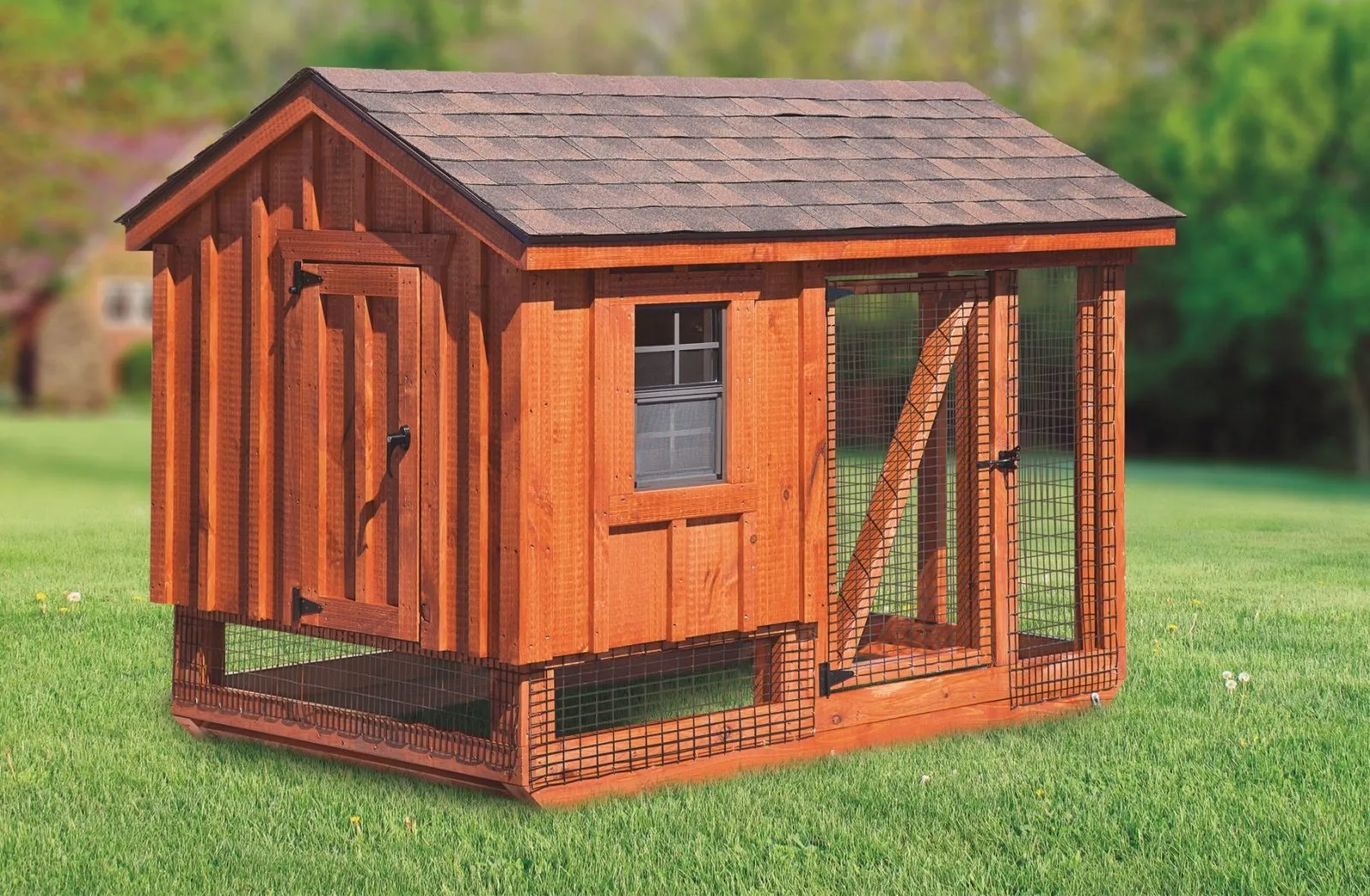
A chicken coop tractor is a mobile chicken coop designed to provide your flock with fresh pasture while allowing you to easily move them to new areas. Building your own chicken coop tractor can be a rewarding DIY project, offering benefits like improved soil fertilization, pest control, and a healthier environment for your chickens. This guide will walk you through the steps, from planning to maintenance, to build a functional and effective chicken coop tractor.
Planning Your Chicken Coop Tractor
Before you start building, careful planning is essential for a successful chicken coop tractor. Consider the number of chickens you plan to house, the space you have available, and the local climate. This initial phase will help you make informed decisions about the size, materials, and features of your coop, ensuring it meets your chickens’ needs and your own preferences. Thinking ahead saves time and resources.
Determining Size and Capacity
The size of your chicken coop tractor will depend on the number of chickens you intend to keep. A general guideline is to provide at least 4 square feet of floor space per chicken inside the coop, and a larger run area for foraging. Consider the breed of chicken, as larger breeds will require more space. Also, think about future expansion if you plan to add more chickens later. Overcrowding can lead to stress, disease, and reduced egg production. Remember, providing enough space is one of the most important aspects of chicken keeping.
Choosing the Right Materials

Selecting the right materials is crucial for the longevity and functionality of your chicken coop tractor. Choose weather-resistant, durable materials like pressure-treated lumber for the frame, ensuring it can withstand the elements and the weight of the structure. Use exterior-grade plywood or similar materials for the walls and roof. Opt for hardware cloth or welded wire mesh for the run, ensuring it is securely attached to prevent predator access. Consider using non-toxic paints or stains for aesthetics and safety. Quality materials contribute to a longer-lasting and safer coop for your chickens.
Building the Frame
The frame is the foundation of your chicken coop tractor, providing structural support and defining the shape and size of the coop. Precise measurements and careful cutting are essential for a sturdy frame. Start by constructing the base, ensuring it is level and square. Then, build the side walls, front, and back, using appropriate fasteners like screws or nails. Reinforce corners and joints for added strength. A well-built frame will ensure the coop’s stability and longevity, while making all subsequent steps easier.
Constructing the Base
The base should be constructed from sturdy lumber, forming a rectangular or square frame. Ensure the base is level, as this will impact the overall stability of the coop. Consider adding skids or wheels to the base for mobility. Pressure-treated lumber is a good choice for the base, as it will be in contact with the ground. The base must be able to support the weight of the coop and its inhabitants and stand up to repeated movements.
Assembling the Walls

Once the base is complete, begin assembling the walls of your chicken coop tractor. Attach the wall framing to the base frame using screws or nails, ensuring that the corners are square. You can use exterior-grade plywood or similar materials to cover the frame. Ensure that all materials fit securely and that there are no gaps or openings. Consider adding a door for easy access to the inside, making it easy to clean or retrieve your eggs.
Adding the Roof
The roof protects your chickens from the elements and is an important part of the structure. Options include a sloped roof for water runoff or a flat roof. Use appropriate roofing material like shingles, corrugated metal, or a waterproof membrane. Ensure the roof is securely attached to the walls and that there are no leaks. Proper roofing is important for the health of your chickens, making sure they have a dry and safe place to live.
Incorporating a Chicken Run
The chicken run provides your chickens with a safe, enclosed outdoor area for foraging and exercise. Integrating a run into your chicken coop tractor extends the living space for your chickens. Think about the run’s size, materials, and how it will connect to the coop. A well-designed run enhances your chickens’ well-being and protects them from predators.
Designing the Run Area

The size of the run should be based on the size and number of your chickens. Provide ample space for them to move around and forage. Consider the shape of the run and how it will connect to the coop. The run can be a simple extension of the coop, or it can be a separate, larger area. Consider the amount of sun and shade the area receives, making sure the chickens have a comfortable place to stay during all parts of the day.
Selecting Wire Mesh
Choose heavy-duty wire mesh or hardware cloth for the run. This material should be strong enough to prevent predators from entering and should have small enough openings to prevent chickens from escaping. Secure the mesh to the frame with staples or screws, making sure there are no gaps or weak spots. Always overlap the edges of the mesh for added security. Use a sturdy material that will hold up against predators and the elements.
Attaching the Run to the Coop
Connect the run to the coop securely. The run’s design should allow the chickens to easily move between the coop and the run. Consider a door or ramp for easy access. Ensure that the connection is predator-proof, using secure hinges, latches, and overlapping mesh. The goal is to provide a seamless transition while maintaining security. Also, remember to ensure it’s easy for you to clean and maintain.
Adding Features and Amenities

Adding features and amenities will enhance the functionality and comfort of your chicken coop tractor. These features include nesting boxes, water systems, and feeding systems. Consider these elements during the design phase to ensure a well-organized and functional living space for your chickens.
Creating Nesting Boxes
Nesting boxes are essential for egg-laying hens. Design the nesting boxes to be comfortable, private, and easily accessible. The boxes should be large enough for the chickens to comfortably nest in, typically about 12x12 inches. Use a soft bedding material like straw or wood shavings. Place the nesting boxes in a quiet, sheltered area of the coop, away from drafts and direct sunlight. Making this a safe space is an important part of encouraging healthy egg production.
Installing a Water System
Provide a constant supply of fresh water for your chickens. You can use a waterer, or build a more permanent water system. Choose a waterer that is easy to clean and refill, and place it in a location that is easily accessible. Consider using a nipple waterer to keep the water clean and prevent spills. The waterer should be sturdy and prevent tipping. Having access to fresh water is critical for the health of your flock.
Adding a Feeding System

Provide a convenient and accessible feeding system. Choose a feeder that is appropriate for the number of chickens you have and the type of feed you are using. A hanging feeder minimizes mess and waste. Place the feeder in a location that is easily accessible, and protect it from the elements. Make sure that you are providing a healthy, nutritious diet for your chickens. Regular feeding is important for their health and well being.
Mobility and Safety
The mobility of your chicken coop tractor is one of its key features, allowing you to move your chickens to fresh pasture regularly. Mobility is very important for a chicken tractor, but safety is also crucial. The coop should be designed to be easy to move and secure against predators.
Designing for Easy Movement
Design your coop for easy movement. Consider using wheels or skids for easier transport. Ensure the coop is light enough to move without excessive effort. Provide a handle or tow point. The design should be balanced to prevent tipping during movement. The ability to move the coop efficiently is essential for maximizing the benefits of a chicken tractor.
Securing the Coop from Predators

Predator protection is paramount. Use secure latches and locks on all doors and access points. Bury hardware cloth around the perimeter of the run to prevent digging predators from entering. Ensure that all openings are covered with wire mesh. Regularly inspect the coop for any signs of damage or potential entry points. Take measures to protect your chickens from threats.
Maintenance and Care
Regular maintenance and care are essential for the longevity and health of your chicken coop tractor and your chickens. This includes cleaning, hygiene, and making adjustments based on the seasons.
Cleaning and Hygiene
Clean the coop regularly to maintain a healthy environment for your chickens. Remove soiled bedding, droppings, and spilled food. Wash the nesting boxes and feeders. Consider using a coop cleaner or disinfectant. Regular cleaning helps prevent disease and pests, and ensures the overall health of your chickens and the cleanliness of the coop.
Seasonal Adjustments

Make seasonal adjustments to your coop to ensure your chickens are comfortable. In winter, add extra insulation, provide windbreaks, and ensure the coop is adequately ventilated. In summer, provide shade and ventilation to prevent overheating. Monitor the temperature inside the coop and adjust the ventilation and insulation as needed. These adjustments will ensure that your chickens are comfortable in all weather conditions.
Building a chicken coop tractor can be a rewarding project. By following these steps, you can create a mobile coop that benefits both your chickens and your garden. Remember to prioritize planning, choose quality materials, and maintain the coop regularly to ensure its longevity. Enjoy the process and the benefits of having happy, healthy chickens!