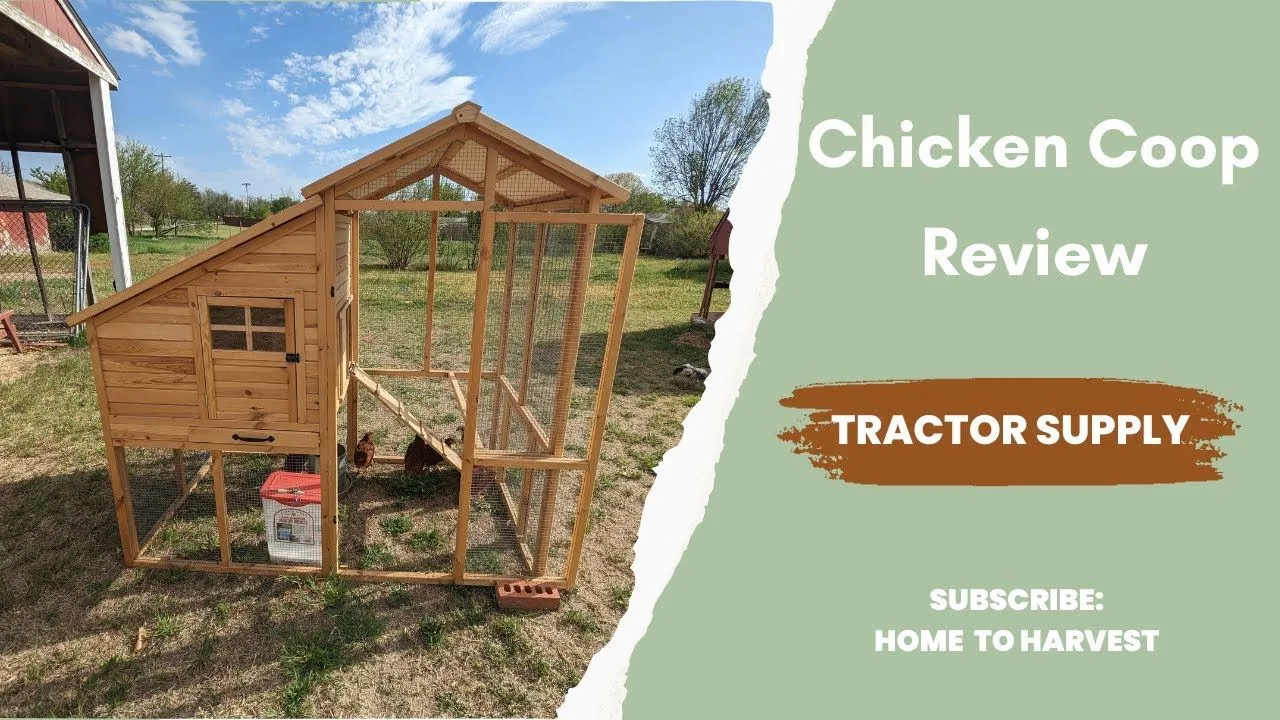
Top 7 Chicken Coop Deals at Tractor Supply
Finding the perfect chicken coop at Tractor Supply can be an exciting venture for any aspiring chicken owner. Tractor Supply offers a wide range of coops, from small, portable units to large, permanent structures. Determining the best deal requires careful consideration of several factors, including size, materials, features, security, ease of assembly, and maintenance. This guide highlights seven key areas to focus on when seeking the best chicken coop deals at Tractor Supply, ensuring you get a great coop that meets your needs and budget. By examining these top deals, you can find the perfect coop to house your chickens, providing them with a safe, comfortable, and secure environment.
Deal 1: Coop Size and Capacity
The size and capacity of a chicken coop are fundamental to its suitability. Overcrowding can lead to stress, disease, and decreased egg production. At Tractor Supply, deals on coops often vary significantly in size, designed to accommodate different flock sizes, from a few backyard chickens to larger operations. Consider the breed of chickens you intend to keep, as larger breeds require more space. Adequate space is also essential for the chickens’ comfort and health. The coop should provide enough room for the chickens to move around, roost, and nest comfortably, ensuring their well-being and productivity.
Factors to Consider

When assessing coop size, carefully consider the breed and number of chickens you plan to house. Different breeds have varying space requirements. Research the breed’s size and activity level. Take into account the climate in your area; chickens in warmer climates may need more ventilation and space. Also, consider the potential for future growth of your flock and choose a coop that can accommodate additional chickens. Assess your available yard space and how much room you can allocate to the coop. Consider the coop’s overall footprint and how it fits into your property. Evaluate factors like access for cleaning and egg collection. Prioritize a coop size that ensures a comfortable and healthy environment for your chickens.
Ideal Coop Dimensions
The ideal coop dimensions depend on the number and breed of chickens. As a general guideline, provide at least 4 square feet of floor space per standard-sized chicken inside the coop. For larger breeds, increase the space to 5 or 6 square feet per bird. Ensure adequate headroom, allowing chickens to stand and move around comfortably. Provide a minimum of 8-12 inches of roosting space per chicken on roosting bars. A coop should provide ample space for nesting boxes, typically one box for every 3-4 hens. When choosing a coop, prioritize these dimensions to ensure your chickens’ comfort and well-being, encouraging health and productivity.
Deal 2: Coop Materials and Durability
The materials used in a chicken coop significantly impact its durability, weather resistance, and overall lifespan. Tractor Supply often features deals on coops constructed from various materials, each with its pros and cons. The materials chosen affect the coop’s ability to withstand the elements, resist pests, and provide a safe and secure environment for your chickens. Choosing durable materials is crucial for creating a coop that lasts for years, protecting your investment and ensuring the long-term health of your flock. Consider materials and choose a coop that meets your needs and the local climate.
Wood vs. Metal Coops

Wood coops are popular for their traditional aesthetic and natural insulation properties. They often blend well into a backyard environment, but require regular maintenance. Inspect wooden coops for rot, and use weather-resistant treatments to extend their life. Metal coops, made from steel or aluminum, offer increased durability and resistance to pests. They often require less maintenance than wooden coops and can withstand harsh weather conditions. Consider metal coops with powder-coated finishes for added rust protection. Each material offers distinct advantages, so select based on your needs, maintenance preference, and climate. Both are available at Tractor Supply. The materials directly impact the longevity and performance of the coop.
Longevity and Weather Resistance
Longevity is a key consideration when selecting a chicken coop. Look for coops constructed from durable, weather-resistant materials. Wood coops should use treated lumber or rot-resistant wood species. Metal coops should have rust-resistant coatings. Weather resistance is crucial for protecting your chickens from the elements. Ensure the coop features a sturdy roof that sheds water and protects against wind. Check for tight seals around doors, windows, and joints to prevent drafts and water penetration. Consider the climate in your area and choose a coop designed to withstand local weather conditions, whether extreme heat, cold, or heavy rainfall.
Deal 3: Coop Features and Accessories
Coop features and accessories greatly enhance the functionality and convenience of a chicken coop. Tractor Supply often offers deals that include built-in features or the option to add accessories. The right features make it easier to manage your flock. Essential features make cleaning and maintenance more straightforward. Look for coops with ample nesting boxes, roosting bars, and proper ventilation. Consider additional accessories to make managing your flock more practical. Select a coop that provides the features and accessories that suit your flock’s needs and ensure your convenience.
Nesting Boxes
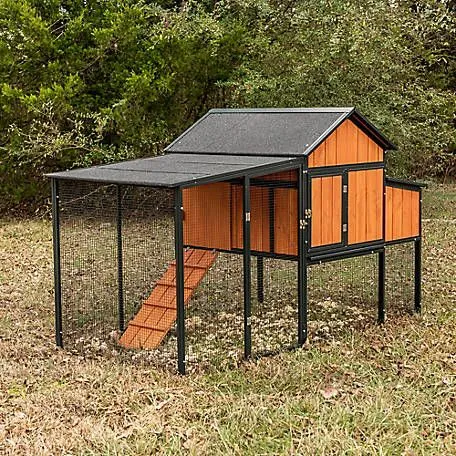
Nesting boxes are essential for egg-laying hens, providing a comfortable and private space for them to lay their eggs. Look for coops with a sufficient number of nesting boxes, typically one box for every 3-4 hens. Ensure the boxes are easily accessible for egg collection. Consider nesting boxes made from materials that are easy to clean and disinfect. Some coops include built-in nesting boxes, while others offer them as an add-on accessory. Position the nesting boxes in a quiet, sheltered area of the coop to encourage egg production and reduce stress on your hens. The ideal nesting box is a comfortable space for your hens.
Roosting Bars
Roosting bars provide a place for chickens to sleep and rest at night. They are an essential feature of any chicken coop. Ensure the roosting bars are positioned away from the nesting boxes. Choose coops with adequately sized roosting bars, providing enough space for each chicken. Consider the material of the roosting bars, as smooth, rounded bars are most comfortable for the chickens’ feet. Position the roosting bars at a height that is suitable for the breed of chickens you have. Position the roosting bars to allow easy access for your chickens to roost comfortably. Roosting bars play a vital role in your chicken’s comfort.
Ventilation Systems
Proper ventilation is crucial for maintaining a healthy environment inside the chicken coop. Good ventilation helps remove moisture, ammonia, and heat, preventing respiratory illnesses and promoting overall chicken health. Look for coops with well-designed ventilation systems, including vents and windows that can be opened and closed. Ensure the vents are positioned to promote airflow without creating drafts that could chill your chickens. Proper ventilation is a must to prevent the buildup of moisture and ammonia. Ventilation systems are critical in maintaining a healthy living environment for your chickens. Adequate ventilation contributes to their health and productivity.
Deal 4: Coop Security and Predator Protection

Protecting your chickens from predators is paramount to their safety and well-being. Tractor Supply offers various coop designs and security features to keep predators at bay. The best deals often incorporate robust security measures, ensuring your flock remains safe from predators. Consider coop features that deter predators. The right coop provides peace of mind, knowing your chickens are safe. Prioritize predator protection when choosing a coop. A secure coop guarantees the safety of your flock, so your chickens are protected.
Hardware Cloth Considerations
Hardware cloth is a heavy-duty wire mesh used to reinforce coops against predators. Look for coops that incorporate hardware cloth in vulnerable areas, such as windows, doors, and the floor. Ensure the hardware cloth has small openings, typically no larger than 1/2 inch, to prevent predators from reaching through. Secure the hardware cloth properly, using staples or screws, to prevent predators from pulling it loose. Proper installation is key to the hardware cloth’s effectiveness. Use hardware cloth for a secure and durable barrier against predators. Hardware cloth is a vital component of any predator-proof chicken coop.
Locking Mechanisms
Robust locking mechanisms are essential for preventing predators from entering the coop. Select coops with secure latches, locks, and door designs. Ensure the latches are difficult for predators to manipulate or open. Consider using additional locks or hasps for added security. Regularly check the locking mechanisms to ensure they are functioning correctly and have not been damaged or compromised. The best locking mechanisms offer peace of mind. Strong locking systems protect your chickens from predators and give you peace of mind. Choose a coop with effective and reliable locking mechanisms.
Deal 5: Coop Assembly and Setup

The ease of assembly and setup is an important factor when choosing a chicken coop. Tractor Supply offers a variety of coops that are pre-assembled or require minimal assembly. Consider the time and effort required to set up the coop. This can influence your overall satisfaction with the product. Whether you choose a pre-assembled or DIY coop, ensure the instructions are clear and easy to follow. Evaluate the complexity of the assembly process. Prioritize ease of setup and assembly when choosing a coop. Easy assembly saves time. The ease of setup makes the coop more accessible and reduces the time to get your chickens settled.
Pre-assembled vs. DIY Options
Pre-assembled coops are convenient and save significant time and effort. They often require minimal assembly, sometimes just attaching a few parts. DIY options typically offer more customization but require more time, tools, and skills to assemble. Consider your personal preferences, time availability, and skill level when deciding between pre-assembled and DIY options. Pre-assembled coops are ideal if you prefer a quick setup. DIY coops are a good option if you prefer customization. Choose the option that best suits your requirements and preferences.
Ease of Assembly
The ease of assembly is a critical factor. Look for coops with clear, detailed instructions. Consider coops that use pre-drilled holes and pre-cut components to simplify the assembly process. Review customer reviews to assess the ease of assembly and identify potential challenges. Choose a coop with well-designed assembly and clear instructions. If you are not comfortable with assembly, a pre-assembled coop may be the best choice. Easy assembly saves time and frustration, allowing you to get your chickens settled quickly.
Deal 6: Coop Maintenance and Cleaning

Regular maintenance and cleaning are essential for maintaining a healthy and hygienic environment for your chickens. Tractor Supply offers coops that are designed for easy cleaning and maintenance, which is a key factor when selecting a coop. The coop’s design can significantly affect the ease of cleaning and maintenance. Select a coop that simplifies maintenance. Routine cleaning and maintenance practices ensure your flock’s health and the coop’s longevity. A well-maintained coop guarantees a long life.
Cleaning Frequency
The frequency of cleaning depends on the coop size, the number of chickens, and the coop’s design. At a minimum, clean the coop weekly. Remove droppings, soiled bedding, and any spilled food or water. Clean and disinfect the coop more frequently during warmer months or if you notice an increase in pests or odors. Choose a coop that simplifies the cleaning process. Regular cleaning is essential to maintain a healthy environment. This also prevents the buildup of harmful bacteria and odors. Cleaning frequency keeps your chickens healthy.
Maintenance Tips
Implement several maintenance tips. Use absorbent bedding materials, such as straw or wood shavings, to absorb moisture and make cleaning easier. Regularly inspect the coop for any signs of damage or wear. Repair any damage promptly to prevent further deterioration. Clean and disinfect the coop regularly using appropriate cleaning products. Replace worn or damaged parts to maintain the coop’s structural integrity. Proper maintenance ensures the coop’s longevity. With proper maintenance, the coop will last and remain a safe haven for your chickens.
Deal 7: Coop Reviews and Customer Satisfaction
Before purchasing a chicken coop at Tractor Supply, check reviews from other customers to assess its quality, durability, and overall satisfaction. Customer reviews provide valuable insights into the coop’s real-world performance. Take advantage of customer feedback to get a better understanding of the coop. Look for coops with positive ratings and reviews. This is an important step to ensure you get a coop that will meet your needs and expectations. Reviews help provide valuable insights.
Reading Customer Reviews
Read customer reviews to gain valuable insights into the coop’s performance, ease of assembly, and customer service. Pay attention to reviews that mention specific features, such as the coop’s durability, predator protection, and ease of cleaning. Look for reviews that provide detailed information. Look for reviews that discuss the coop’s pros and cons, as well as any issues or challenges. Evaluate the number of positive and negative reviews. Consider the experiences of other customers to make a more informed purchasing decision. Customer reviews provide essential insights.
Checking Ratings and Feedback
Assess the overall ratings and feedback for the chicken coop you are considering. Check the rating system. See what other customers have rated it. Look for coops with high average ratings. Check for any patterns or recurring issues mentioned in the feedback. Check how the manufacturer responds to customer feedback and complaints. A high rating indicates customer satisfaction. A high rating helps you evaluate the coop before purchasing it. Check the ratings to make the best decision.