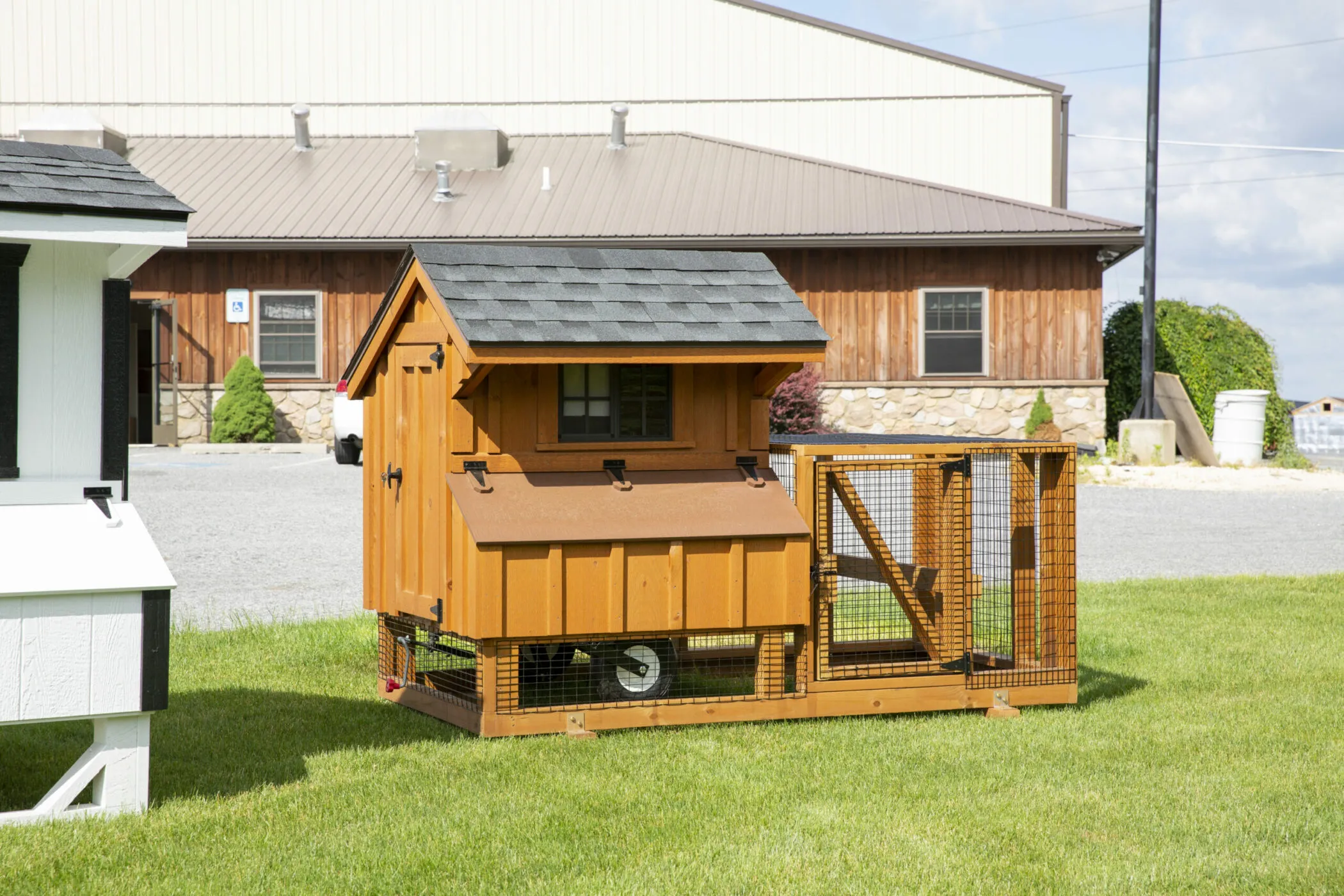
What is a Chicken Coop Tractor
A chicken coop tractor is a portable, enclosed chicken coop designed to be moved around the yard. Unlike stationary coops, tractors allow you to relocate your chickens regularly, providing them with fresh foraging grounds and protecting the soil. These mobile coops are an increasingly popular choice for backyard chicken keepers because they offer a range of benefits, from improved chicken health to more efficient garden management. This guide will walk you through building your own chicken coop tractor, step-by-step. Owning a coop tractor gives you many advantages over traditional coops.
Benefits of Chicken Coop Tractors
Chicken coop tractors offer numerous advantages that make them a valuable addition to any backyard. From improving chicken health to making gardening easier, the benefits are numerous. They are designed to be moved, allowing chickens access to fresh grass and insects. This setup boosts their health and happiness while enriching the soil.
Easy Mobility

The primary advantage of a chicken coop tractor is its mobility. This feature allows you to move the coop to different areas of your yard, providing your chickens with fresh foraging opportunities, minimizing the risk of overgrazing, and preventing the build-up of waste in one location. Easy movement also helps to reduce the spread of diseases and parasites that can thrive in stationary coops.
Natural Pest Control
Chickens are natural pest controllers. When allowed to forage, they consume insects, weed seeds, and grubs, reducing the need for pesticides and herbicides in your garden. The ability to move the coop allows you to strategically place your chickens in areas affected by pests, allowing them to naturally control the population.
Fertilizing the Soil
Chicken manure is a rich fertilizer. As the chickens scratch and peck, they naturally fertilize the soil, enriching it with valuable nutrients. By moving the coop, you can distribute this natural fertilizer evenly throughout your yard or garden, improving soil health and reducing the need for synthetic fertilizers. This enriches the soil naturally and makes a great fertilizer.
Predator Protection

While chicken coop tractors offer mobility, it’s essential that they are designed to protect your chickens from predators. Proper construction, including secure walls, a sturdy roof, and hardware cloth, are critical to ensure your chickens’ safety. Ensure there are no gaps or openings where predators can enter. Regular inspections help to make sure everything is in good condition.
Planning Your Chicken Coop Tractor
Before you start building, careful planning is crucial to ensure your chicken coop tractor meets your specific needs and that your chickens will be happy and safe. Consider factors such as space, the number of chickens you plan to keep, the climate, and the materials you want to use. Careful consideration of these factors will help you build a successful and practical coop tractor.
Size & Space Requirements
The size of your chicken coop tractor will depend on the number of chickens you plan to house. As a general guideline, provide at least 4 square feet of floor space per chicken inside the coop and allow for ample space in the run area. Consider the chickens breed and their size. Ensure the run area is large enough to allow your chickens to move around and forage comfortably. A larger run area allows the chickens space to roam and forage.
Material Selection

Choose durable, weather-resistant materials for your coop tractor. Pressure-treated lumber is an excellent choice for the frame. Use hardware cloth (rather than chicken wire) for the run area, as it is more predator-resistant. The roof should be made of a waterproof material, such as asphalt shingles or corrugated metal. Consider the local climate and the availability of materials in your area when choosing the right options.
Chicken Breed Considerations
Different chicken breeds have different space and care requirements. Consider the breed of chickens you intend to keep when designing your coop tractor. Larger breeds require more space than smaller ones. Active breeds may need a larger run area for foraging. Research the specific needs of the breeds you choose to ensure your coop tractor provides a comfortable and healthy environment. Different breeds have different needs, so it’s important to understand what kind of space each breed needs.
Building the Chicken Coop Tractor Frame
The frame is the foundation of your chicken coop tractor, providing structural support and determining the overall size and shape. Building a sturdy frame is essential to ensure the coop’s durability and stability. Here’s a guide on how to build a strong, reliable frame for your chicken coop tractor.
Base Construction

Start by constructing the base of the coop. Use pressure-treated lumber to build a rectangular or square frame, ensuring it is level and square. Reinforce the corners with corner brackets or by using screws. The base should be sturdy enough to support the weight of the coop, chickens, and any materials you’ll add. This base creates the foundation for everything and helps keep your chickens safe and secure.
Wall Framing
Once the base is complete, build the walls of the coop. Use lumber to create the wall studs, ensuring they are evenly spaced and securely attached to the base frame. The height of the walls should be sufficient for your chickens to move around comfortably. Consider the climate. Wall framing is essential as it provides the structure to which you will attach the roofing materials and hardware cloth. This framing defines the shape and overall strength of the coop tractor.
Roofing the Coop
Choose a suitable roofing material, such as asphalt shingles or corrugated metal, and install it securely to the frame. Ensure the roof provides adequate protection from the elements and is sloped to allow for water runoff. Overhangs on the roof can help provide shade for your chickens during hot weather. The roof helps protect the chickens from rain, sun, and wind and helps keep the coop dry and comfortable.
Adding Hardware Cloth & Security

Securing your chicken coop tractor against predators is crucial for the safety of your flock. Proper hardware cloth and secure construction are essential to keep predators out. This also helps to ensure that your chickens remain safe and secure from outside threats. Proper construction protects your chickens.
Installing the Chicken Door
Install a secure chicken door that allows your chickens to enter and exit the coop. Ensure the door is properly sized and can be easily opened and closed, either manually or with an automatic door opener. Place the chicken door in a location that allows for easy access. A well-designed chicken door makes it easy for the chickens to go in and out as they need.
Securing the Run Area
Use hardware cloth to create a secure run area that will enclose the chickens while they are in the coop. Attach the hardware cloth to the frame with staples or screws, ensuring there are no gaps that predators can exploit. Extend the hardware cloth to the ground and consider burying it several inches to prevent predators from digging under the coop. This helps to ensure the run area is both secure and protects your chickens from predators.
Predator-Proofing the Tractor

Reinforce any potential weak points in the coop tractor, such as the corners and joints. Use hardware cloth or other materials to cover any openings that predators could enter. Regularly inspect the coop for any signs of damage or wear and make repairs as needed. This ensures that the coop will protect your chickens from potential predators, making their home safer and reducing the risk of attacks.
Setting Up the Interior
Once the frame and run are complete, it’s time to furnish the interior of your chicken coop tractor. Proper setup ensures your chickens are comfortable and productive. This involves creating nesting boxes, roosting bars, and stations for food and water. This will help you create a comfortable home for your flock.
Nesting Boxes
Install nesting boxes in a quiet, sheltered area of the coop, away from direct sunlight and drafts. Provide one nesting box for every 3-4 hens. Fill the nesting boxes with comfortable bedding, such as straw or wood shavings. Easy access makes it comfortable for hens to lay their eggs. The nesting boxes should provide a safe and comfortable place for the hens to lay their eggs.
Roosting Bars

Provide roosting bars for your chickens to perch on at night. Position the roosting bars at a height that allows the chickens to easily access them. Ensure the bars are made of a comfortable material and are wide enough for the chickens to balance. Roosting bars are crucial for the chickens to rest and sleep. They are a natural behavior for chickens and provide a safe place to sleep away from predators.
Watering & Feeding Stations
Place water and feeding stations within the coop tractor. Choose sturdy containers that are easy to clean and refill. Position the feeders and waterers to prevent contamination from the chickens. Make sure to have a system in place for providing fresh water and food every day. Having the stations easily accessible ensures that the chickens have access to fresh food and water at all times.
Moving & Maintaining Your Tractor
Once your chicken coop tractor is built, regular movement and maintenance are essential to ensure its longevity and effectiveness. Proper care will extend the life of the coop and keep your chickens safe and healthy. Maintenance is key to maximizing the benefits of your coop tractor.
Regular Relocation
Move the chicken coop tractor to a new location every few days or as needed, based on the number of chickens you have and the size of your yard. This helps provide the chickens with access to fresh foraging grounds and prevents the build-up of waste and the depletion of nutrients in the soil. Frequent relocation is one of the most important aspects of owning a coop tractor, as it is essential to the benefits. Make sure to move the coop to a new area of the yard regularly.
Cleaning & Maintenance
Clean the chicken coop tractor regularly, removing any accumulated manure and replacing the bedding in the nesting boxes. Inspect the coop for any signs of damage or wear and make repairs promptly. Regularly cleaning and maintaining the coop helps maintain a healthy environment for your chickens. Make sure to regularly clean the coop to remove any accumulated waste, to keep your coop from becoming unsanitary and unsafe for your chickens.
Addressing Common Issues
Be prepared to address common issues such as predator attacks, egg-laying problems, and disease. Implement preventive measures, such as reinforcing the coop and providing proper care for your chickens. If you encounter any problems, consult with a veterinarian or experienced chicken keeper. Addressing any issues quickly can ensure the chickens’ safety and health. This helps to protect your chickens. Regular checks can help to identify potential problems.
Resources & Further Reading
For further information on building and maintaining chicken coop tractors, consult online resources, books, and local experts. There are many resources available to help you learn more about chicken keeping and coop design. Researching and understanding the necessary materials and processes will ensure a successful build. This guide offers a solid foundation, and further resources can provide deeper insights.