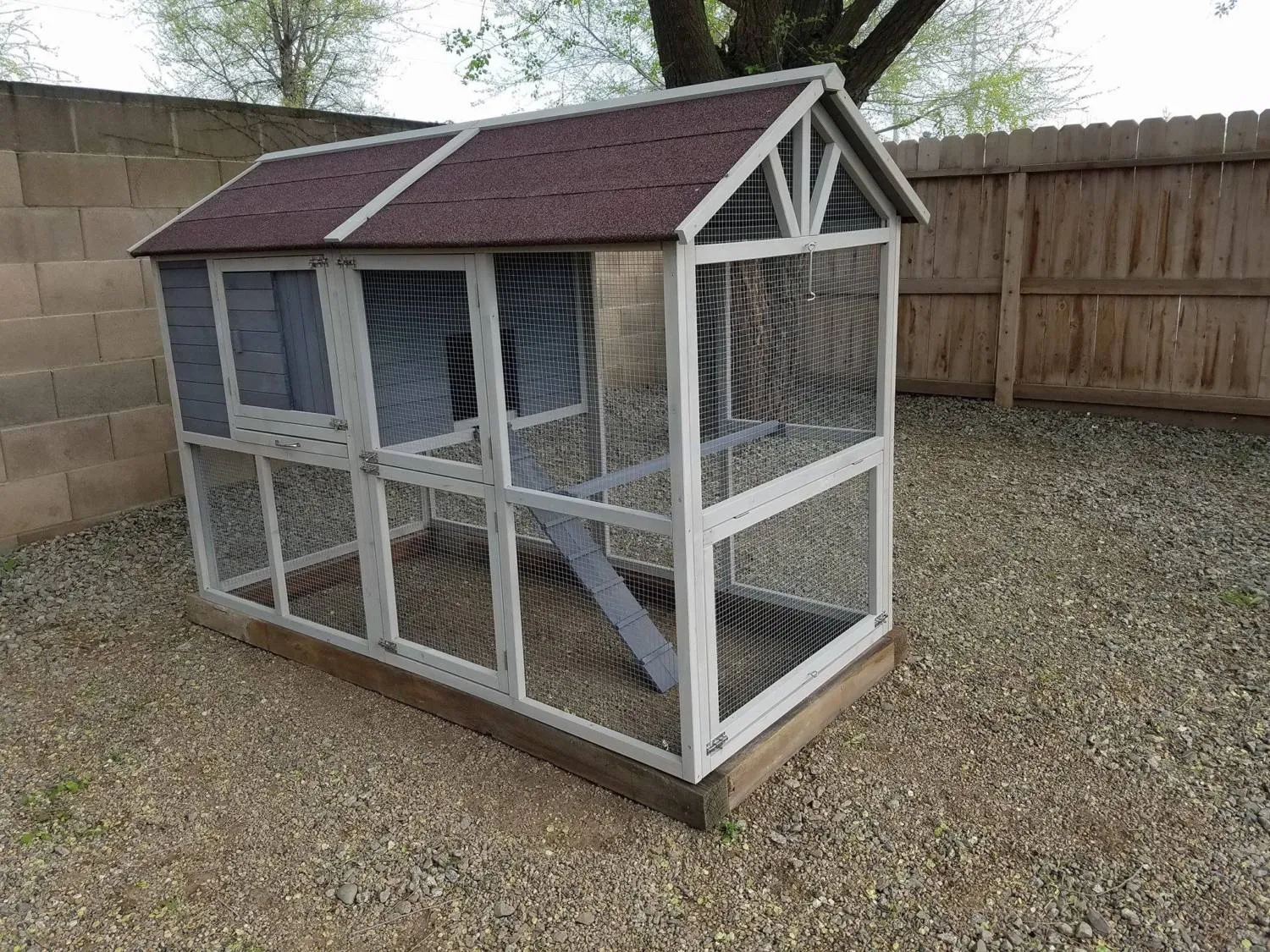
What is a Chicken Coop TSC?
A Chicken Coop TSC, in its essence, is a specially designed structure tailored to house and protect chickens. The acronym “TSC” refers to the common building method and materials, often sourced from Tractor Supply Company. These coops provide a secure and comfortable environment for your chickens, safeguarding them from predators, weather elements, and providing a space for them to roost, nest, and roam. Building your own chicken coop TSC allows for customization based on your specific needs and the size of your flock. It’s a rewarding project for any homeowner or hobbyist looking to raise chickens.
Benefits of Building Your Own Chicken Coop TSC
Building a chicken coop TSC offers several advantages. Firstly, it allows for complete customization, ensuring the coop meets your exact requirements in terms of size, features, and aesthetics. Secondly, building your own coop is often more cost-effective than purchasing a pre-built one, especially when utilizing readily available materials from stores like Tractor Supply Company. Moreover, it provides a deep sense of accomplishment and the satisfaction of creating a safe and comfortable home for your chickens. It’s also a fantastic learning experience, allowing you to hone your carpentry skills and understand the intricacies of chicken care. Finally, you can ensure the quality of the materials and construction, leading to a longer-lasting and more secure coop.
Choosing the Right Location for Your Chicken Coop TSC
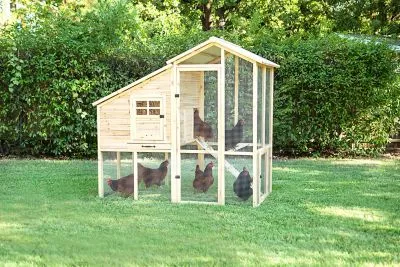
The location of your chicken coop is crucial for the health and safety of your flock. Choose a spot that is level, well-drained, and receives ample sunlight, which helps with ventilation and keeps the coop dry. Consider the proximity to your house; you’ll want easy access for daily chores. Ensure the location is protected from prevailing winds and offers shade during the hottest parts of the day. Furthermore, consider predator protection: avoid areas near potential hiding places for predators, and make sure the area is easily secured with fencing. Consider also local zoning regulations and homeowner association rules that may restrict coop placement.
Planning Your Chicken Coop TSC
Thorough planning is the foundation of a successful chicken coop TSC project. This involves several key steps to guarantee your coop is functional, safe, and meets your chickens’ needs. First, you need to establish the appropriate size and space requirements for your flock. Second, carefully select the materials that provide durability and weather resistance. Finally, gathering all of the necessary tools is essential before you begin. The planning phase also includes checking local regulations and building codes, as well as designing the coop to ensure it is well-ventilated, secure, and easy to clean.
Determining the Size and Space
The size of your chicken coop should be determined by the number of chickens you plan to house. A general guideline is to provide at least 4 square feet of floor space per chicken inside the coop. In addition to the coop space, you’ll need to plan for a secure outdoor run, where chickens can roam and forage. The run should offer at least 8-10 square feet per bird. When determining the overall size, consider future growth of your flock and the breeds you intend to keep, as larger breeds may need more space. Crowded conditions can lead to stress, disease, and behavioral issues among your chickens.
Selecting Materials for Your Chicken Coop TSC

When selecting materials for your chicken coop TSC, prioritize durability, weather resistance, and safety. Pressure-treated lumber is a popular choice for the frame, as it resists rot and pests. For the walls and roofing, consider materials like plywood, corrugated metal, or asphalt shingles. Ensure all wood is free of splinters or sharp edges. Wire mesh should be used for windows and the run to keep predators out, with a small enough gauge to prevent chickens from escaping. Use non-toxic paint or sealant if desired. Choose hardware, such as hinges and latches, that are rust-resistant and robust, to ensure the coop’s longevity and security.
Gathering Tools for Construction
Having the right tools will make the construction process easier and more efficient. Essential tools include a saw (circular saw, hand saw, or jigsaw), a drill, a level, a measuring tape, a hammer, a screwdriver, and a staple gun. You’ll also need safety gear, such as safety glasses, gloves, and a dust mask. Depending on your design, you may also need a post-hole digger for setting posts and a wheelbarrow for transporting materials. Ensure all tools are in good working order before you begin, and have spares of essential items like drill bits and saw blades on hand.
Step-by-Step Guide to Building a Chicken Coop TSC
This step-by-step guide provides a comprehensive overview of constructing a Chicken Coop TSC. Each step is essential, ensuring a strong, safe, and functional coop. From the ground up, the process includes preparing the site, framing the structure, adding walls and roofing, and integrating essential features like doors and windows, ending with the creation of a secure chicken run. Following these steps will lead you to a successful and rewarding project, providing your chickens with a secure and comfortable home.
Preparing the Groundwork

Begin by clearing the area where your coop will be built, removing any grass, rocks, or debris. Ensure the ground is level. You might consider adding a gravel base for drainage, particularly in areas with heavy rainfall. If your coop will have a floor, build a frame using pressure-treated lumber, securing it with screws. Consider burying hardware cloth around the perimeter of the coop to prevent digging predators from entering. This initial step sets the foundation for a stable and secure structure.
Constructing the Frame
The frame is the skeleton of your chicken coop. Using your plan, cut and assemble the frame using pressure-treated lumber. Ensure all corners are square and joints are secure, using screws or nails. Erect the walls, attaching them to the base frame. If you are building a pitched roof, construct the roof frame, ensuring a proper angle for water runoff. Accurate measurements and sturdy construction are essential at this stage to ensure the longevity and structural integrity of your coop. Use corner braces to enhance the frame’s strength.
Adding Walls and Roofing
Once the frame is complete, attach the walls and roofing. For the walls, you can use plywood, shiplap, or other suitable materials. Ensure that the walls are securely attached to the frame, covering all gaps. For the roof, consider materials like asphalt shingles or corrugated metal. Proper roofing is crucial for protecting your chickens from the elements. Overlap the roofing materials correctly to prevent leaks and ensure a weather-tight seal. Trim any excess material and secure the edges for a neat and functional finish.
Installing Doors and Windows

Install doors and windows to provide access and ventilation. The door should be large enough for you to enter easily for cleaning and maintenance, with a secure latch to keep predators out. Windows should be covered with sturdy wire mesh to allow airflow while protecting your chickens. Ensure all openings are properly framed and secured to prevent drafts and maintain a secure environment. Hinges, latches, and handles should be chosen for durability and ease of use, ensuring the coop remains accessible while keeping the chickens safe.
Creating the Chicken Run
The chicken run is an essential part of your coop. Build a sturdy frame using pressure-treated lumber and cover it with durable wire mesh, burying the mesh several inches underground to prevent predators from digging underneath. Make sure the run is large enough to provide ample space for your chickens. Provide a covered area within the run to offer shade and protection from the weather. Secure the run with a sturdy gate, ensuring it has a reliable locking mechanism to keep your chickens safe and secure.
Essential Features of a Chicken Coop TSC
Certain features are crucial for a functional and healthy chicken coop TSC. These include a proper ventilation system, nesting boxes for egg laying, and perches for roosting. These features contribute to the well-being of the chickens, ensuring they are comfortable and productive. Proper planning and installation of these features will make the coop user-friendly for both you and the chickens. These elements all work together to create a balanced environment for your flock.
Ventilation System

Adequate ventilation is vital to prevent moisture buildup and ensure fresh air circulation. This can be achieved through vents placed near the roofline, allowing for the exhaust of ammonia and other odors. Consider installing a ridge vent or soffit vents for optimal airflow. Ensure that the ventilation system prevents drafts that can make your chickens uncomfortable. Proper ventilation helps maintain a healthy environment, reducing the risk of respiratory illnesses.
Nesting Boxes
Nesting boxes provide a private and comfortable space for your chickens to lay their eggs. Generally, you’ll need one nesting box for every three to four hens. Place the boxes in a quiet, dimly lit area of the coop, away from drafts. Line the boxes with soft bedding, such as straw or wood shavings, to cushion the eggs and provide comfort. Ensure the boxes are easily accessible for egg collection and cleaning. Regularly cleaning nesting boxes helps maintain hygiene and encourages chickens to lay eggs in the designated area.
Perches for Roosting
Chickens naturally roost at night, and providing perches allows them to sleep comfortably off the ground. Perches should be placed at a comfortable height, away from nesting boxes. Ensure they are strong enough to support the weight of the chickens. The ideal perch size is around 2-4 inches wide. Space the perches appropriately to avoid overcrowding. Regularly clean and sanitize the perches to maintain hygiene and prevent the spread of mites and other parasites. Proper perches contribute to the chickens’ comfort and overall well-being.
Maintaining Your Chicken Coop TSC

Regular maintenance is essential for keeping your Chicken Coop TSC in good condition and ensuring the health and happiness of your chickens. This includes regular cleaning, sanitation, and predator control. Consistent upkeep prevents disease, keeps the coop functioning smoothly, and extends the life of your structure. Maintenance also includes regular checks for wear and tear and making necessary repairs.
Cleaning and Sanitation
Cleaning and sanitation are critical for preventing disease and maintaining a healthy environment. Remove soiled bedding and droppings regularly, at least once a week, more frequently during warm weather. Thoroughly clean and disinfect the coop at least monthly, using a poultry-safe disinfectant. Replace bedding regularly with fresh, dry materials. Ensure proper ventilation to reduce moisture and odors. Cleanliness helps control pests and parasites, protecting your chickens from health issues.
Pest and Predator Control
Protect your chickens from predators and pests by taking preventative measures. Ensure your coop is secure, with sturdy construction and secure latches. Use wire mesh with small openings for windows and runs. Regularly inspect the coop for any signs of damage or weakness. Keep the area around the coop clean and free of food scraps that could attract predators. Consider using natural pest control methods, such as diatomaceous earth for mites and flies, and regular inspections for any signs of pests or predators.
Troubleshooting Common Chicken Coop TSC Issues

Building and maintaining a chicken coop can present some common challenges. It’s important to be prepared for these and know how to address them. These issues may include moisture buildup, predator breaches, and internal problems like pests or diseases. Promptly addressing these issues ensures the chickens’ health and coop longevity.
Final Touches and Enhancements for Your Chicken Coop TSC
Consider adding final touches to enhance your Chicken Coop TSC’s functionality and aesthetics. This includes painting or staining the exterior for weather protection and visual appeal. Incorporate features like automatic door openers for convenience. Install a water and feeder system for easy access to food and water. Personalize the coop with decorative elements, such as a weathervane. Enhancements not only improve the functionality of the coop but also add to its overall charm and make it a more enjoyable feature in your backyard.
Conclusion
Building a Chicken Coop TSC is a rewarding project that allows you to provide a safe and comfortable home for your chickens. By following these steps and paying attention to detail, you can create a functional and attractive coop. Regular maintenance and attention to the needs of your flock will ensure their health and happiness for years to come. Enjoy the process, and take pride in the fact that you created a secure and thriving environment for your backyard chickens.