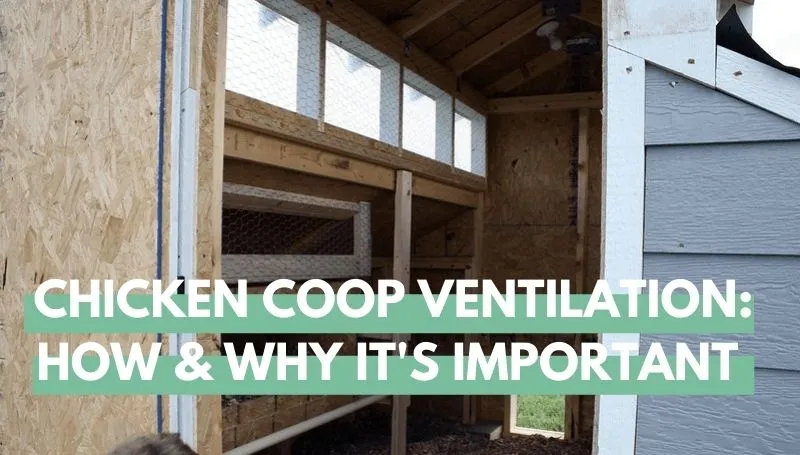
What is Chicken Coop Ventilation
Chicken coop ventilation is the process of circulating fresh air in and stale air out of your chicken coop. It’s a critical element of a healthy and comfortable environment for your flock. Proper ventilation ensures that harmful ammonia, moisture, and heat are removed, while fresh air is constantly supplied. Without it, your chickens can suffer from various health issues and the coop itself can deteriorate quickly. Good ventilation also helps manage the coop’s temperature, which is important for both winter and summer. This guide will show you how to achieve optimal ventilation for your chicken coop.
Why Is Ventilation Important
Ventilation is a fundamental aspect of chicken coop management and serves multiple purposes, all geared toward maintaining the well-being of your chickens and the longevity of the coop itself. The benefits of good ventilation go beyond just keeping the air fresh. It helps prevent a range of issues that can affect your chickens’ health and productivity, as well as the coop’s structural integrity. Understanding the “why” behind ventilation will guide you in implementing the most effective solutions for your coop.
Humidity Control

Chickens produce a significant amount of moisture through their droppings and breathing. High humidity in a coop can lead to a variety of problems, including respiratory issues, frostbite (in cold weather), and the growth of mold and mildew. Adequate ventilation helps to remove this moisture, keeping the coop environment dry and healthy. A well-ventilated coop maintains humidity levels between 40-60%, which is ideal for chicken health. Without proper ventilation, humidity can quickly rise, leading to a damp environment conducive to disease.
Odor Reduction
The buildup of ammonia from chicken droppings can be a significant problem in a poorly ventilated coop. Ammonia is a gas that is harmful to chickens’ respiratory systems and can cause irritation, illness, and even death. Good ventilation dilutes and removes ammonia, keeping the air fresh and reducing unpleasant odors. This not only benefits the chickens but also makes it more pleasant for you to care for them. Reducing ammonia levels is critical for a healthy coop environment and the overall well-being of your flock.
Disease Prevention
Proper ventilation significantly reduces the risk of respiratory diseases, which are common in poorly ventilated coops. By removing moisture and ammonia, ventilation creates an environment less hospitable to bacteria and viruses. Fresh air circulation also helps to keep the coop cooler in summer, reducing the risk of heat stress. Maintaining a healthy environment through good ventilation is an important step in preventing a variety of diseases and ensuring the overall health of your flock. Think of it as a preventative measure for a healthier, happier chicken.
Types of Chicken Coop Ventilation

There are two primary types of ventilation you can use in your chicken coop: natural and mechanical. Each method has its own advantages and disadvantages, and the best choice for you will depend on your climate, coop design, and budget. Natural ventilation relies on the principles of airflow and is generally simpler and less expensive to implement. Mechanical ventilation uses fans to actively move air, providing more control over airflow and is often necessary in certain climates or larger coops.
Natural Ventilation Methods
Natural ventilation utilizes the movement of air caused by wind and temperature differences. It’s a cost-effective and energy-efficient method that’s suitable for many climates. The key to successful natural ventilation is to create a system that allows fresh air to enter the coop while allowing stale, humid air to escape. This often involves strategic placement of vents, windows, and other openings. Proper design and implementation are critical, but with careful planning, natural ventilation can provide excellent air quality for your chickens.
Cross Ventilation
Cross ventilation involves placing openings, such as windows or vents, on opposite sides of the coop to allow air to flow directly through. The placement of these openings is crucial, ensuring that they are at different heights to encourage air circulation. Typically, you’ll want to position the intake vents lower to the ground and the exhaust vents higher, allowing cooler air to enter and warmer, stale air to escape. This method is most effective in areas with consistent wind and can be enhanced with strategically placed windows and vents. (Image: cross-ventilation-chicken-coop.webp)
Roof Vents

Roof vents are designed to allow hot, stale air to escape through the roof of the coop. This method works on the principle that hot air rises, naturally drawing air upwards and out of the coop. These vents are usually covered with a mesh to prevent rain, snow, and pests from entering the coop. They can be simple openings covered with hardware cloth or more sophisticated designs with adjustable louvers. Roof vents are very effective at removing moisture and heat, especially in warmer climates (Image: roof-vents-for-coop.webp).
Window Placement
The strategic placement of windows can significantly improve natural ventilation. Windows should be positioned to take advantage of prevailing winds and should be adjustable to control airflow. Hinged or sliding windows are ideal, as they allow you to easily open and close them to regulate ventilation based on the weather. Consider placing windows on opposite walls to promote cross ventilation. Ensure that windows are secure and covered with a mesh to prevent predators from entering the coop.
Mechanical Ventilation Methods
Mechanical ventilation involves the use of fans to actively move air. This method offers more control over airflow and is often necessary in larger coops, areas with high humidity, or climates with limited natural ventilation opportunities. While mechanical ventilation requires electricity and may be more expensive, it can provide a more consistent and reliable airflow, ensuring a healthy environment for your chickens.
Fans

Fans are the primary component of mechanical ventilation. There are several types of fans you can use, including exhaust fans, circulation fans, and box fans. Exhaust fans pull stale air out of the coop, while circulation fans help to move air around inside. The size and type of fan you need will depend on the size of your coop and the number of chickens you have. Make sure that the fan is rated for outdoor use and is protected from the elements (Image: exhaust-fan-chicken-coop.webp).
Exhaust Systems
An exhaust system typically consists of an exhaust fan and a series of vents. The fan is installed in the coop and draws stale air out, while vents provide fresh air intake. This system is designed to create a constant flow of air, removing moisture, ammonia, and excess heat. In larger coops, an exhaust system can be the most effective way to ensure good ventilation. Consider using a timer or a thermostat to control the fan, automatically adjusting the ventilation based on the needs of your chickens.
Calculating Ventilation Needs for Your Coop
Determining the correct ventilation requirements for your chicken coop is essential to ensure optimal air quality. The amount of ventilation needed depends on several factors, including the size of the coop, the number of chickens, and the local climate. It is crucial to consider these factors to prevent problems such as humidity buildup, ammonia accumulation, and respiratory diseases. Using these calculations you can tailor your ventilation strategy to the specific needs of your flock, ensuring their health and comfort.
Coop Size and Chicken Count

The size of your coop and the number of chickens housed in it are the primary factors influencing your ventilation needs. A larger coop with more chickens will require a greater volume of air exchange compared to a smaller coop with fewer birds. As a general rule, aim for at least 4 square feet of floor space per chicken. This will help you with the initial estimates for your ventilation plan. Make sure that your ventilation system is appropriately sized to provide adequate airflow for your coop’s dimensions and the population of chickens (Image: coop-size-ventilation.webp).
Climate Considerations
Your local climate plays a crucial role in determining your coop’s ventilation requirements. In hot and humid climates, you will need a ventilation system that effectively removes excess moisture and heat. In colder climates, the ventilation system needs to be designed to prevent drafts while still providing adequate airflow to remove moisture and ammonia. Consider the direction of prevailing winds and the average temperatures when planning your ventilation. Adapt your system based on the seasonal changes to ensure your chickens’ comfort and health.
Materials and Installation
Choosing the right materials and installing your ventilation system correctly is crucial to ensure its effectiveness and longevity. Careful selection of materials will ensure durability and weather resistance, and proper installation will maximize airflow. You can prevent problems by following these steps and maintaining the system regularly. Proper materials and installation not only optimize ventilation but also minimize long-term maintenance efforts.
Choosing the Right Materials

Select materials that are durable, weather-resistant, and safe for your chickens. For natural ventilation systems, use materials like wood, hardware cloth (for vents and windows), and durable hinges and latches. If using mechanical ventilation, choose fans rated for outdoor use and electrical components that meet safety standards. Consider the climate you live in when selecting materials. Ensure that all materials are easy to clean and maintain to promote a healthy environment. Using quality materials will extend the life of your ventilation system and protect your flock.
Installation Best Practices
Proper installation is vital for effective ventilation. When installing windows or vents, ensure that they are securely mounted and properly sealed to prevent drafts and water intrusion. Place intake vents at the lower part of the coop and exhaust vents near the roofline to maximize airflow. If you’re installing a mechanical ventilation system, carefully follow the manufacturer’s instructions for fan placement, wiring, and safety. Test the system after installation to make sure it’s functioning correctly and providing adequate airflow. Following best practices ensures your system will work properly and protect your chickens.
Maintaining and Troubleshooting Your Ventilation System
Regular maintenance and troubleshooting are essential for ensuring the long-term effectiveness of your chicken coop’s ventilation system. Regular checks and maintenance prevent problems from escalating. By taking care of your ventilation system, you can ensure that it functions correctly, maintaining the air quality and overall health of your flock. This section will guide you through common maintenance tasks and troubleshooting tips to keep your ventilation system in optimal condition. (Image: cleaning-chicken-coop-ventilation.webp)
Regular Cleaning
Regular cleaning is essential to prevent the buildup of dust, debris, and cobwebs that can restrict airflow and reduce the efficiency of your ventilation system. Clean vents, fans, and windows at least once a month, or more frequently if needed. Remove any obstructions that might be blocking airflow. Regularly clean the coop to reduce ammonia production and the growth of bacteria. Maintaining a clean environment enhances the effectiveness of your ventilation system, helping to keep your chickens healthy and comfortable.
Inspecting for Damage
Regularly inspect your ventilation system for any signs of damage, wear, or deterioration. Check for cracks in the vents, loose hardware, or damaged fan blades. Ensure that all screens and mesh are intact and free of holes or tears. Repair or replace any damaged components promptly to maintain optimal ventilation and prevent pest infestations. Addressing any issues promptly will prevent problems from becoming worse.
Troubleshooting Common Issues
If you notice any issues with your ventilation system, such as excessive moisture, ammonia odor, or poor air circulation, troubleshoot the problem immediately. Check for any blockages in vents, ensure that fans are operating correctly, and adjust the ventilation settings as needed. Consider the number of chickens, climate conditions, and any changes in coop design. If you are having trouble, consult the manufacturer’s instructions or seek help from an experienced poultry keeper. Prompt and effective troubleshooting will prevent health issues and ensure your chickens’ comfort and well-being.
Conclusion
Effective ventilation is a cornerstone of a healthy chicken coop and is essential for the well-being of your flock. By understanding the principles of ventilation, choosing the right methods for your coop, and maintaining your system, you can create a comfortable and healthy environment for your chickens. Prioritizing ventilation will not only help keep your chickens healthy but also enhance the longevity of your coop. Remember, a well-ventilated coop is a happy coop!