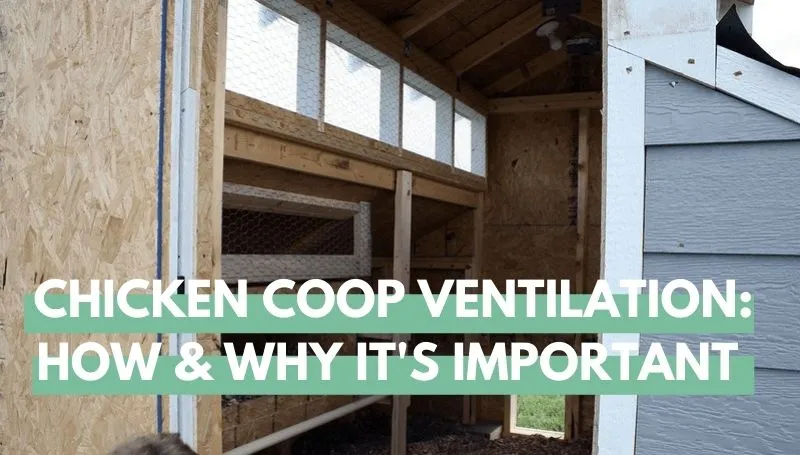
Proper chicken coop ventilation is crucial for the health and well-being of your flock. Often overlooked, it plays a vital role in creating a comfortable and safe environment. This guide will walk you through the essential aspects of chicken coop ventilation, ensuring your chickens thrive. From understanding the importance of airflow to practical installation tips, you’ll learn how to create an optimal living space for your feathered friends. Effective ventilation not only promotes chicken health but also extends the lifespan of your coop.
Why Chicken Coop Ventilation Matters
Ventilation in a chicken coop goes far beyond just circulating air; it’s a cornerstone of a healthy environment. Chickens, like all living creatures, produce waste and release moisture through respiration. Without proper ventilation, these elements can quickly lead to a host of problems that affect your chickens’ health and the coop’s structural integrity. A well-ventilated coop helps maintain a balanced atmosphere, preventing the buildup of harmful substances and ensuring fresh air circulation, ultimately creating a sustainable and safe living space for your flock.
Health Benefits for Chickens
The health benefits of good ventilation are numerous and significant. Chickens are susceptible to respiratory illnesses, and poor air quality can exacerbate these conditions. Providing fresh air is one of the most important aspects of raising healthy chickens.
Preventing Respiratory Issues

Respiratory diseases are common among chickens, and they often stem from poor air quality. Ammonia, a byproduct of chicken waste, irritates the respiratory system, making chickens more vulnerable to infections. Proper ventilation removes ammonia, reducing the risk of illnesses like bronchitis and pneumonia. This preventative measure is key to maintaining a healthy flock.
Reducing Ammonia Buildup
Ammonia buildup is a primary concern in poorly ventilated coops. High levels of ammonia can cause respiratory distress, eye irritation, and even blindness in chickens. Consistent airflow dilutes and removes ammonia, protecting your chickens from these harmful effects. Regular cleaning and sufficient ventilation work together to keep ammonia levels in check.
Controlling Moisture and Humidity
High humidity can lead to a number of problems within a chicken coop. Chickens breathe out moisture, and water spills are common. Without adequate ventilation, this moisture accumulates, creating a damp environment that is ideal for the growth of harmful organisms. Proper ventilation helps to regulate humidity levels, preventing a host of potential health issues.
Preventing Mold and Mildew

Mold and mildew thrive in damp conditions. They can spread quickly in a chicken coop, posing significant health risks to your chickens. Mold spores can cause respiratory problems, and some molds produce toxins that can lead to serious health issues. By reducing humidity, ventilation helps to prevent the growth of these harmful organisms, keeping your coop a safe and healthy environment.
Maintaining Optimal Temperature
Ventilation plays a critical role in regulating the temperature inside the coop. During the warmer months, it helps to remove heat and prevent the coop from becoming too hot. In winter, it can help to remove moisture, reducing the risk of frostbite. Maintaining a stable temperature range is essential for the comfort and health of your chickens.
Essential Components of Chicken Coop Ventilation
Effective chicken coop ventilation relies on several key components working together. These components are designed to facilitate airflow and remove stale, moisture-laden air. The selection and placement of these components are essential to ensuring the coop is properly ventilated.
Ridge Vents

Ridge vents are among the simplest, most effective methods for improving ventilation. They are installed along the peak of the coop’s roof, allowing warm, moist air to escape. This passive ventilation system relies on natural convection, drawing air upwards and out of the coop.
Placement and Sizing
Proper placement and sizing of ridge vents are essential for optimal performance. Ridge vents should run the length of the roof ridge. The size of the vents should be based on the coop’s square footage and the number of chickens. Consider building codes and local climates when determining the optimal vent size.
Cupola Vents
Cupola vents are decorative and functional ventilation solutions. They are typically placed on the roof and provide an attractive way to exhaust stale air. Cupolas can be an excellent addition to a coop, especially if you are looking for a balance of aesthetics and functionality. These vents can greatly enhance airflow and help to prevent moisture buildup, improving overall air quality within the coop.
Effectiveness and Considerations

While cupolas are effective, consider the climate and the size of your coop. In some instances, supplemental ventilation may be necessary, especially in humid environments. Regular inspection to ensure that the vent is free from obstructions, such as nesting birds, is also key to its continued effectiveness. Make sure the design allows for sufficient airflow to meet the coop’s ventilation needs.
Side Wall Vents
Side wall vents provide additional airflow and are often used in combination with ridge vents. These vents are placed on the walls of the coop, typically near the roofline, to facilitate cross-ventilation. They can be adjustable, allowing you to control the amount of airflow.
Positioning and Protection
Proper positioning is important for side wall vents. Place them on opposite walls to encourage cross-ventilation. Protection from the elements, such as rain and snow, is also essential. Use vent covers or overhangs to protect the vents from the weather. Using fine mesh screens can help prevent insects from entering.
Fan Systems

For larger coops or those in areas with poor natural ventilation, fan systems may be necessary. Fans can be used to actively circulate air and remove stale air more efficiently. They offer a more controlled ventilation solution.
Types of Fans and Installation
Several types of fans are suitable for chicken coops, including exhaust fans and circulation fans. Exhaust fans draw stale air out, while circulation fans help to move air around. When installing a fan system, consider the size of the coop and the number of chickens. Ensure the fan is properly installed to exhaust air efficiently. Consider the placement of the fan to avoid drafts and ensure even air distribution throughout the coop. Using a thermostat to control fan operation can help maintain optimal temperatures.
Building Your Chicken Coop Ventilation System
Designing and building a proper ventilation system requires careful planning. From understanding the specific needs of your coop to making informed choices about materials and installation techniques, taking the time to plan effectively ensures your chickens’ health and comfort.
Planning and Design

The initial design phase is critical. Consider the size of your coop, the number of chickens, and the local climate. A well-designed system will provide adequate airflow without creating drafts or excessive heat loss in winter. Assess the existing structure of your coop and identify potential areas for vents. Plan the placement of vents to promote cross-ventilation and to avoid any obstructions that might impede airflow.
Calculating Ventilation Needs
Calculate the necessary ventilation rate based on the coop’s size and the number of chickens. A general guideline is to provide at least 1 square foot of vent space for every 100 square feet of floor space. This guideline can vary depending on your local climate and the type of ventilation system. Adjust the calculations based on the specific requirements of your coop. Consider factors such as the breed and size of your chickens, and the amount of time they spend inside.
Choosing the Right Materials
Select durable, weather-resistant materials that are suitable for the coop environment. Consider using materials like pressure-treated wood, galvanized metal, or durable plastics for vents and vent covers. Make sure the materials are non-toxic and safe for chickens. When selecting screens for vents, opt for materials that are both strong and easy to clean, such as galvanized hardware cloth. Regularly inspect your materials for wear and tear.
Installation Steps
Follow a step-by-step approach when installing the ventilation system. Start by cutting the openings for vents, using appropriate tools to ensure a clean and precise fit. Install ridge vents, cupolas, or side wall vents according to the manufacturer’s instructions. If using fans, mount them securely and connect them to a power source, ensuring that wiring is done to code. Test the system after installation to ensure proper airflow and that there are no leaks. The overall design should be simple to maintain and clean.
Troubleshooting Common Ventilation Issues
Even with a well-designed system, some common issues may arise. Understanding these issues and how to address them can help ensure your coop maintains optimal air quality. Troubleshooting ventilation problems is essential to maintaining a healthy environment for your chickens.
Condensation Problems and Solutions
Condensation inside the coop indicates inadequate ventilation. The solution involves increasing airflow. Check for any obstructions in vents and ensure that the vents are properly sized for the coop. If condensation persists, consider adding more vents or a fan to increase air circulation. Ensure that any bedding is kept dry and clean, and remove any sources of excess moisture, such as water spills.
Odor Control Techniques
Unpleasant odors often indicate a buildup of ammonia and other gases. Increase ventilation by opening vents, adding fans, or improving the current ventilation system. Regularly clean the coop, removing manure and soiled bedding. Use absorbent bedding materials to control moisture and ammonia. Consider using natural odor-reducing products, like lime, to help reduce the smell.
Dealing with Drafts
Drafts can chill chickens and make them more susceptible to illnesses. When addressing drafts, determine the source of the draft, such as gaps around doors or windows. Seal any openings and adjust the vent positions to direct airflow away from the roosting area. Insulate the coop walls to help regulate temperature and reduce drafts. Monitoring your flock and making adjustments as needed will help to find the right balance.
Regular Maintenance and Cleaning
Consistent maintenance is critical for the effectiveness of your ventilation system. Regular cleaning and inspection will prevent issues and keep the system operating at its best. This process not only extends the life of your coop but also ensures a healthier living environment for your chickens.
Cleaning Vents and Fans
Clean vents and fans regularly to remove dust, debris, and cobwebs, which can obstruct airflow. Use a brush or vacuum cleaner to clean vents and fan blades. Make sure that fans are safely disconnected from power before cleaning. During cleaning, check all parts for any damage or wear, and replace any worn-out components to ensure they work efficiently. Regular cleaning will maintain optimal airflow.
Checking for Obstructions
Regularly inspect the ventilation system for any obstructions that could impede airflow. Remove any nests, leaves, or other debris that may accumulate in vents. Check screens for any blockages from insects or other pests. Ensure all moving parts are functioning smoothly and that nothing is hindering the ventilation system’s operation. Regular inspections are an important part of coop maintenance.
Long-Term Ventilation Strategies
Investing in long-term ventilation strategies helps ensure your flock’s health and the structural integrity of the coop. Considering these strategies will create an ideal environment, helping to keep your chickens healthy for years to come.
Proper ventilation in your chicken coop is not just a good practice; it’s a necessity for the health and longevity of your flock. By understanding the importance of ventilation, implementing the right components, and maintaining your system, you’re ensuring a healthy, thriving environment for your chickens. Investing time and effort into chicken coop ventilation is an investment in the health and well-being of your chickens. Ensure your chickens are enjoying the benefits of fresh air and a comfortable living space, setting the stage for a happy and productive flock.