Chicken Coop vs Dog Kennel The 5 Key Differences
Choosing between a chicken coop and a dog kennel involves understanding their fundamental differences. Both structures serve a crucial purpose in animal care, but they are designed with distinct needs in mind. A chicken coop provides a secure and comfortable habitat for chickens, focusing on protection from predators, shelter from the elements, and a place for egg-laying. A dog kennel, on the other hand, offers a safe and contained space for dogs, emphasizing security, comfort, and sometimes, a designated area for exercise or rest. Understanding these key distinctions helps in making informed decisions, whether you’re a seasoned pet owner, a homesteader, or a gardening enthusiast planning to build or buy an animal structure. This article explores the top 5 differences to assist you in this process.
Purpose and Function
Primary Purpose of a Chicken Coop

A chicken coop’s primary function is to provide a safe and comfortable environment for chickens. This involves protecting them from predators such as foxes, raccoons, and hawks, as well as offering shelter from harsh weather conditions like rain, snow, and extreme temperatures. Coops also provide a secure space for chickens to roost at night, lay eggs, and generally feel safe and secure. Furthermore, coops are designed to facilitate hygiene, making it easier to clean and maintain a healthy environment for the chickens. The design of a chicken coop often incorporates features like nesting boxes for egg-laying and adequate ventilation to maintain air quality and manage moisture levels. The picture illustrates a well-designed chicken coop, highlighting the importance of purpose-built structures.
Primary Purpose of a Dog Kennel
The core function of a dog kennel is to offer a safe and secure space for dogs. This includes providing a contained area where dogs can rest, play, and be protected from hazards. Kennels are designed with features like sturdy fencing and secure doors to prevent escapes and protect dogs from potential dangers, such as traffic or encounters with other animals. They also serve as a training tool and can aid in housebreaking by giving dogs a designated space. Moreover, a kennel provides dogs with a sense of security, especially when they are left alone, offering them a familiar and comfortable place to retreat. It’s vital to select a kennel size appropriate for your dog’s breed and size.
Construction Materials
Common Chicken Coop Materials

Chicken coops are typically constructed from a variety of materials that prioritize durability, weather resistance, and safety. Wood is a popular choice, offering good insulation and natural aesthetics; common types include cedar and pressure-treated lumber. Wire mesh, usually galvanized or welded, is essential for the coop’s walls, windows, and runs, providing ventilation and predator protection. Roofing materials like asphalt shingles, metal sheets, or corrugated plastic shield the coop from rain and sun. In addition, concrete or other hard surfaces may be used for the coop’s foundation, enhancing stability and preventing digging predators. Consider using non-toxic materials to maintain the chickens’ health. Image demonstrates a chicken coop with various materials.
Common Dog Kennel Materials
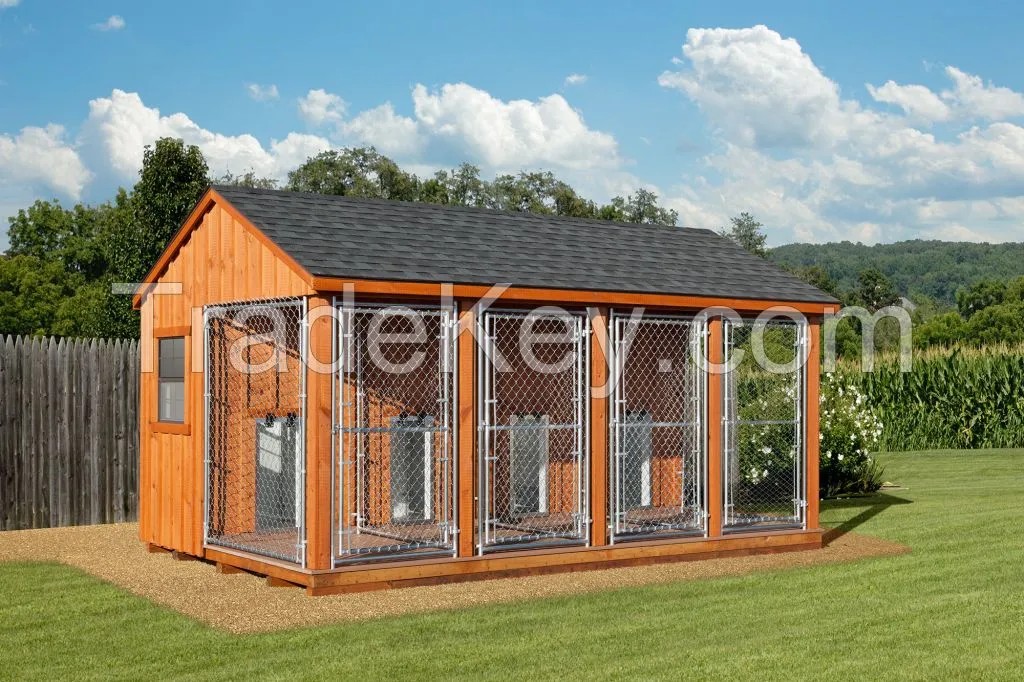
Dog kennels are commonly built using materials chosen for their durability, ease of maintenance, and safety. Steel is a frequent choice, providing robustness and resistance to chewing or scratching. Chain-link fencing offers excellent visibility and ventilation, and is often used for the kennel walls and doors. Other options include aluminum, which is lighter and rust-resistant, and wood, which provides a more aesthetically pleasing option, although it requires more maintenance. Flooring options range from concrete, which is easy to clean, to gravel or specialized kennel flooring designed for comfort and drainage. Whatever the material, safety is paramount; the kennel should have no sharp edges or protruding parts that could harm a dog. The picture shows examples of a dog kennel design.
Size and Space Requirements
Space Needs for Chickens

Chicken coops should provide enough space for chickens to move comfortably, roost, lay eggs, and forage. A general guideline is to provide at least 4 square feet of floor space per chicken inside the coop, and ideally, more for larger breeds or if the chickens spend considerable time indoors. Adequate space is crucial for preventing overcrowding, which can lead to stress, feather pecking, and disease. The coop should also have enough nesting boxes — typically one box for every 3-4 hens. In addition to the coop itself, a secure outdoor run is essential, offering at least 8-10 square feet per bird. This outdoor space allows chickens to roam, scratch, and engage in natural behaviors. The size of your chicken coop and run significantly impacts the well-being of your flock.
Space Needs for Dogs
The appropriate size of a dog kennel depends on the size and breed of the dog, and the amount of time the dog will spend in the kennel. Generally, the kennel should be large enough for the dog to stand up, turn around, and lie down comfortably. As a basic guide, the kennel length and width should exceed the dog’s length and height by several inches. It’s usually advised to provide a minimum of 6-8 feet of floor space for smaller breeds, and 10-12 feet or more for larger breeds. If a dog spends extended periods in the kennel, or if it is used as a primary living space, more space is beneficial. Adequate space helps reduce stress and encourages the dog’s comfort, preventing feelings of confinement. The image illustrates proper sizing.
Security and Protection
Security Features of a Chicken Coop

Security is paramount in chicken coop design, primarily to protect the birds from predators. Robust features include sturdy construction using predator-resistant materials, such as heavy-gauge wire mesh, and durable wood. Secure latches and locks on doors and windows are essential to prevent entry. Burying the coop’s wire mesh perimeter or using a hardware cloth skirt around the base prevents digging predators from gaining access. The roof should be well-secured to prevent climbing predators from entering from above. Other features may include automatic coop doors and motion-activated lights to deter nocturnal threats. Well-designed coops will often use multiple defensive layers to provide all-around protection.
Security Features of a Dog Kennel
Dog kennels are designed with security features focused on preventing escape and providing a safe environment. These include sturdy fencing, often made of chain-link or welded wire, with secure gates that are difficult for a dog to open or jump. The kennel should be firmly anchored to the ground or have a solid base to prevent the dog from digging underneath. If the dog is a known climber or jumper, a roof on the kennel is essential. Some kennels include features like double-door systems for added security or chew-proof components to prevent damage. The primary focus is to create a space where the dog cannot leave on its own, or is protected from outside dangers.
Maintenance and Upkeep
Maintenance for a Chicken Coop

Maintaining a chicken coop requires regular cleaning and upkeep to ensure the health and well-being of the chickens. This includes weekly cleaning of the coop, removing soiled bedding, and replacing it with fresh material. Nesting boxes should be cleaned regularly to prevent the buildup of bacteria and parasites. The coop itself should be checked for any signs of damage or wear, such as loose boards or compromised wire mesh, and promptly repaired. Cleaning and disinfection of the coop should be performed periodically, especially after any signs of illness within the flock. Proper ventilation is critical; so keeping air vents clear is crucial. Good management practices will prevent pest infestations and keep the coop sanitary.
Maintenance for a Dog Kennel
Dog kennel maintenance is essential for a clean, safe, and comfortable environment for the dog. This involves daily cleaning, including removing solid waste and spot-cleaning soiled areas. The kennel floor should be regularly washed and disinfected to eliminate odors and prevent the spread of germs. Bedding, if used, should be washed frequently or replaced. Regular inspection of the kennel for wear and tear is also important, with repairs made immediately to ensure security and prevent potential injury. The kennel should be cleaned frequently, at least once a week, to prevent the build-up of dirt and bacteria. Maintaining a clean environment is critical to the dog’s health.