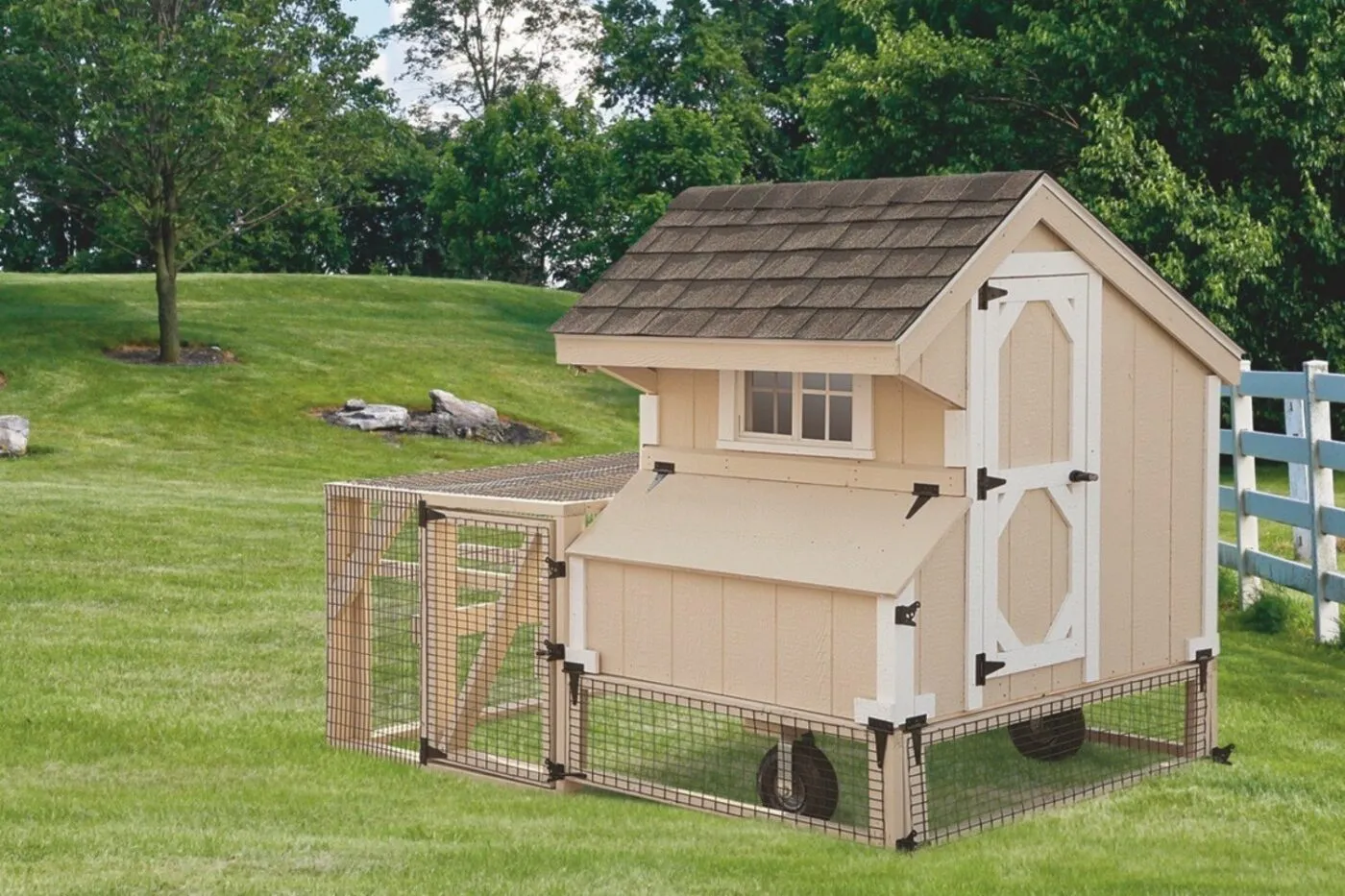
Why Chicken Coop Wheels Are Essential
Building a chicken coop is a rewarding experience, but have you considered adding chicken coop wheels? A mobile chicken coop offers several advantages over a stationary one. This guide will explore how to build a chicken coop with wheels, highlighting the benefits and providing step-by-step instructions. From increased pasture access to ease of cleaning, mobile coops are a game-changer for chicken keepers. This guide covers everything from planning and construction to maintenance and troubleshooting, ensuring you have all the knowledge needed to create a functional and efficient coop.
Benefits of a Mobile Coop
The advantages of a mobile chicken coop are numerous, making them a popular choice for both novice and experienced chicken keepers. Mobility allows you to provide your chickens with fresh pasture regularly, leading to healthier birds and richer eggs. Furthermore, the ability to move the coop offers better protection against predators and simplifies the cleaning and maintenance process. A well-designed mobile coop is a smart investment for your flock’s well-being and your own convenience.
Increased Pasture Access

One of the primary benefits of a chicken coop with wheels is the ability to provide your chickens with fresh pasture. Moving the coop allows your chickens to graze on new grass and forage for insects, leading to a more varied and nutritious diet. This natural foraging behavior keeps chickens happy and healthy, resulting in better egg quality and overall flock vitality. Rotating your coop also prevents overgrazing and helps maintain the health of your pasture.
Predator Protection
Predator protection is a critical concern for any chicken keeper. A mobile coop can be moved to safer locations if predators are detected, reducing the risk of attacks. This flexibility provides an added layer of security for your flock. When building your coop, ensure it is constructed with sturdy materials and features secure latches to further enhance predator resistance, and consider the surrounding environment to determine the best placement for optimal safety.
Ease of Cleaning and Maintenance
Cleaning and maintaining a chicken coop can be a chore, but a mobile coop simplifies the process. You can easily move the coop to a different location for cleaning, preventing the buildup of waste and reducing odors. This mobility also allows for more thorough cleaning and disinfection, keeping your chickens healthy and your coop sanitary. Regular cleaning is essential for preventing disease and maintaining a comfortable environment for your birds.
Planning Your Chicken Coop with Wheels

Before you start building, careful planning is essential. Consider the size of your flock, the available space, and the specific needs of your chickens. Thoughtful planning will ensure that your coop is both functional and meets the requirements of your birds. It’s also important to consider the terrain where you plan to move the coop, ensuring the wheels are suitable for the ground type and that moving the coop is safe and practical.
Coop Size and Chicken Capacity Considerations
The size of your coop directly impacts the comfort and health of your chickens. Overcrowding can lead to stress, disease, and a decline in egg production. As a general rule, provide at least 4 square feet of floor space per standard-sized chicken inside the coop, and more if they are larger breeds. Also, plan for adequate outdoor run space, allowing each bird to roam and forage. A well-sized coop will give your chickens the space they need to thrive, making for happier, healthier birds.
Choosing the Right Wheels and Materials
Selecting the appropriate wheels and materials is crucial for the mobility and durability of your coop. The wheels must be strong enough to support the weight of the coop and withstand the rigors of moving it across various terrains. Durable, weather-resistant materials, such as pressure-treated lumber and exterior-grade plywood, are essential for the coop’s frame and structure. Consider the climate in your area and select materials that can withstand the local weather conditions.
Wheel Types and Weight Capacity

Several types of wheels are suitable for chicken coops. Pneumatic tires offer good shock absorption and are ideal for uneven terrain, while solid rubber wheels are more durable and require less maintenance. Casters with locking mechanisms can also be useful for easy maneuvering and securing the coop in place. When choosing wheels, carefully consider the weight capacity. Calculate the total weight of the coop, including the chickens, materials, and any other equipment, and choose wheels with a sufficient load rating.
Frame Construction and Durability
The frame of your chicken coop forms the foundation of its structure, so it’s crucial to construct it with durability in mind. Use sturdy lumber, such as pressure-treated wood or rot-resistant materials, to ensure the frame can withstand the weight of the coop and the wear and tear of regular use. Proper joinery techniques, such as screws, bolts, and corner braces, will enhance the frame’s stability and longevity, ensuring that your coop remains strong and secure for years to come. Properly constructed frame is also key for safety.
Building the Coop Frame
Constructing the frame is a fundamental step in building your mobile chicken coop. The frame supports the entire structure and provides the foundation for the walls, roof, and other components. Precision in this stage ensures the overall stability and longevity of the coop. Carefully follow your plans and measurements to create a square and level frame, using strong joinery techniques to ensure that all the pieces are securely connected.
Selecting the Right Materials

Choosing the right materials for the frame is critical for its durability and longevity. Pressure-treated lumber is a popular choice because it resists rot, decay, and insect infestation, making it ideal for outdoor structures. Alternatively, you can use cedar or redwood, which are naturally weather-resistant. Make sure that the lumber you choose is straight and free of defects, as this will make the building process easier and result in a more structurally sound frame.
Cutting and Assembling the Frame
Precise cutting and assembly are essential for a sturdy frame. Use a saw to cut the lumber according to your plans. Ensure that all cuts are square and accurate. Assemble the frame on a level surface, using screws or bolts to secure the pieces together. Employ corner braces to reinforce the joints and add extra stability. As you assemble the frame, regularly check for squareness to ensure it remains true and that all dimensions are accurate.
Attaching the Wheels to the Frame
Once the frame is complete, it’s time to attach the wheels. The wheels are what give your coop its mobility, so it’s crucial to mount them properly for safe and easy movement. The method you use will depend on the type of wheels you have chosen. Securely attaching the wheels is key for the coop’s mobility and longevity. Carefully consider the placement and mounting techniques to ensure that the wheels are correctly aligned and can support the weight of the coop.
Wheel Mounting Techniques

The specific wheel mounting technique depends on the type of wheels you have chosen. For pneumatic tires, you may need to use a bracket or mounting plate that bolts to the frame. Solid rubber wheels may attach directly to the frame using bolts or screws. Ensure that the wheels are securely fastened, using appropriate hardware for the chosen wheel type. Also, consider using washers to distribute the load and prevent the hardware from pulling through the wood.
Securing the Wheels Properly
Properly securing the wheels is critical for safety and functionality. Make sure the wheels are aligned correctly, so the coop rolls smoothly. Use appropriate hardware for your wheels, such as bolts, nuts, and washers, and tighten them securely. Check the wheels periodically to ensure they remain tightly fastened. If you are using locking casters, make sure the locking mechanisms are in good working order and can effectively hold the coop in place when needed.
Building the Coop Structure
With the frame and wheels in place, you can start building the coop’s structure. This includes the walls, roof, door, and ventilation system. Building a well-designed coop is crucial for providing shelter, security, and comfort for your chickens. Proper construction will ensure your chickens are safe from the elements and predators, and that the coop is a comfortable living space for your flock.
Roofing and Wall Construction

For the walls, you can use various materials like wood, plywood, or even repurposed materials, such as pallets. Ensure the materials you choose are weather-resistant and durable. The roof should provide adequate protection from the elements. Options include asphalt shingles, metal roofing, or even a simple, sloped roof made from plywood. Always make sure to overlap roofing materials correctly to prevent leaks. Provide proper insulation to regulate the coop’s temperature in different weather conditions, which will help make the coop habitable for your flock.
Door and Ventilation Design
The door should be secure and easy to access. Make sure to build a secure latching mechanism to keep predators out. Proper ventilation is essential for maintaining air quality and preventing moisture buildup inside the coop. Install vents near the roof to allow for the escape of stale air and moisture. Consider adding a window or two for natural light and additional ventilation. A well-ventilated coop will keep your chickens healthy and prevent respiratory issues.
Adding Features
Once the basic structure is complete, you can add features to make the coop more comfortable and functional for your chickens. Nesting boxes provide a safe and private space for laying eggs, while roosts give the chickens a place to sleep at night. Providing water and feeding systems ensures your chickens always have access to fresh food and water. These features will improve the overall quality of life for your flock and make managing the coop easier.
Nesting Boxes and Roosts

Nesting boxes should be placed in a quiet, sheltered part of the coop. One nesting box for every 3-4 hens is generally recommended. Make sure the boxes are easy to clean and provide adequate padding, such as straw or wood shavings. Roosts should be made of sturdy, rounded wood, providing enough space for all your chickens to perch comfortably. Position the roosts away from the nesting boxes to prevent soiling.
Water and Feeding Systems
Provide a waterer and a feeder that are easily accessible to your chickens. Choose waterers and feeders that are designed to prevent spillage and keep the food and water clean. Consider using an automatic waterer or feeder to reduce the amount of time you spend refilling these items. Position the feeders and waterers in locations that minimize waste and contamination. Ensuring that your chickens have a readily available supply of fresh water and food is key for their health and productivity.
Moving and Maintaining Your Chicken Coop
Once your mobile chicken coop is built, you will need to know how to move and maintain it properly. Regular maintenance is essential for preserving the coop’s longevity and ensuring the health and safety of your chickens. Knowing how to safely move the coop and regularly inspect it for issues will keep your chickens happy and your coop functioning at its best. A well-maintained coop will give you years of service and provide a comfortable home for your flock.
Safe Moving Techniques
When moving the coop, always ensure the chickens are safely inside or elsewhere. Enlist the help of others to make moving the coop easier and safer. Before moving, inspect the ground for any obstacles, and ensure you have a clear path. When moving the coop, push or pull it slowly and steadily to avoid tipping or damaging the structure. Take extra caution when moving on uneven ground. If using a tractor or other machinery, ensure the hitch is secure and the coop is properly balanced.
Regular Maintenance Checks
Regular maintenance is essential to keep your mobile chicken coop in good condition. Inspect the coop regularly for any signs of wear and tear, such as loose screws, damaged wood, or wear on the wheels. Clean the coop regularly, removing droppings and replacing bedding. Check and maintain the wheels, lubricating them and tightening any loose hardware. Addressing any issues promptly will prolong the life of your coop and keep your chickens safe and healthy. Clean the coop thoroughly and disinfect it periodically to prevent the buildup of harmful bacteria.
Troubleshooting Wheel Issues
Wheel issues can arise over time, so knowing how to troubleshoot common problems will help you keep your coop mobile. If the wheels are difficult to move, check for obstructions and ensure they are properly lubricated. If the wheels are not rolling smoothly, inspect them for damage or debris and replace any worn-out components. If the coop is unstable, check the wheel alignment and tighten any loose bolts or screws. If you experience repeated problems, consider upgrading the wheels to a more durable option. Regular inspection and timely maintenance will help you keep your coop rolling smoothly.
Building a chicken coop with wheels provides numerous benefits, offering enhanced pasture access, predator protection, and ease of maintenance. From planning and construction to moving and maintaining, this guide provides a comprehensive overview of building and managing your mobile coop. With the right planning, materials, and maintenance, you can create a mobile chicken coop that supports the health and happiness of your flock for years to come.